
 한국어
 English
 日本語
 中文(简体)
 Viewing now
Pramadesvenlafaxine Extended-Release Tablet 100 mg (Desvenlafaxine Succinate Hydrate)
Desvenlafaxine Succinate Monohydrate 151.77mg
Tablet · Prescription medication
Korea Pharma Co., Ltd.
MFDS item code 202400587 · Approved 2024.03.21 · Insurance code 653006940
Treatment of major depressive disorder
This medication is used for major depression.
1. Adults 1) Initial treatment The recommended dose of this medicine is 50mg once daily. This medicine may be taken with or without food and should be taken at the same time each day. Swallow the tablet whole with liquid; do not divide, crush, chew, or dissolve it in water. In clinical studies, doses exceeding 50mg once daily did not demonstrate additional benefit, and adverse reactions and treatment discontinuations occurred more frequently at higher doses. The dose may be increased when considered necessary based on clinical judgment, but should not exceed 200mg once daily. If treatment is discontinued, gradually reduce the dose to minimize withdrawal symptoms. 2) Maintenance treatment Acute episodes of major depressive disorder generally require continuous drug therapy for several months or longer. Patients should be reassessed regularly to determine the need for continued treatment. 2. Patients with renal impairment The recommended dose for patients with moderate renal impairment (creatinine clearance 30-50mL/min) is 50mg daily. The recommended dose for patients with severe renal impairment (creatinine clearance < 30mL/min) or end-stage renal disease (ESRD) is 50mg every other day. Do not administer a supplemental dose after hemodialysis. 3. Patients with hepatic impairment The recommended dose for patients with moderate to severe hepatic impairment is 50mg daily. Dose increases above 100mg daily are not recommended. 4. Discontinuation of treatment Symptoms associated with discontinuation of this medicine and serotonin-norepinephrine reuptake inhibitors (SNRIs) and selective serotonin reuptake inhibitors (SSRIs) have been reported; patients should be monitored for these symptoms when treatment is discontinued. Reduce the dose gradually rather than stopping treatment abruptly. If intolerable withdrawal symptoms occur after dose reduction or discontinuation, resuming the previously prescribed dose may be considered. The physician may then continue reducing the dose, but at a slower rate. Some patients may require several months or more to discontinue treatment. 5. Switching from other antidepressants to this medicine Withdrawal symptoms have been reported when switching from other antidepressants, including venlafaxine, to this medicine. Gradually tapering the dose of the previous antidepressant may be necessary to minimize these symptoms. 6. Administration with monoamine oxidase inhibitors (MAOIs) 1) Switching from monoamine oxidase inhibitors (MAOIs) used to treat psychiatric disorders Treatment with this medicine should not begin until at least 14 days after discontinuation of an MAO inhibitor used to treat psychiatric disorders. In addition, allow at least 7 days after discontinuing this medicine before starting an MAO inhibitor (see “6. Drug interactions” under Precautions for use). 2) Use of this medicine with other MAO inhibitors such as linezolid or methylene blue: If a patient already receiving this medicine requires urgent treatment with linezolid or intravenous methylene blue, this medicine may be discontinued immediately and linezolid or intravenous methylene blue administered only if no alternative drug is available and the potential benefits of treatment with linezolid or intravenous methylene blue are judged to outweigh the risk of serotonin syndrome (see “6. Drug interactions” under Precautions for use).
This drug is primarily used to alleviate symptoms related to depression. During the administration of this medication, suicidal thoughts or behaviors may occur, therefore especially careful observation is necessary for children, adolescents, and young adults. Additionally, this drug can lead to a serious side effect known as serotonin syndrome, so it is imperative to consult a doctor when taking certain medications together. Individuals with a history of allergies to this drug or similar ingredients should not use it, and it should not be taken in conjunction with monoamine oxidase inhibitors (MAO inhibitors). Patients with high blood pressure or heart disease should frequently monitor blood pressure and heart rate before and during administration, and notify a doctor immediately if symptoms worsen. Patients with a history of mania or hypomania or those with a history of seizures should also use this drug with caution. Patients with impaired kidney or liver function may require dose adjustments. Caution is also necessary if there is an allergy to specific dyes contained in this medication. Common side effects that may occur during administration include nausea, dizziness, headache, insomnia, anxiety, decreased appetite, drowsiness, and sweating, and in severe cases treatment may need to be discontinued. Sexual dysfunction may also occur, requiring attention. Women who are pregnant or breastfeeding must consult a doctor before taking this medication, as it may affect the fetus or newborn. The effectiveness of this drug has not been sufficiently proven in children and adolescents, and there may be an increased risk of suicide, thus caution is warranted. Elderly patients are at increased risk for side effects such as hyponatremia and need to exercise caution during administration. Abruptly stopping this medication may result in withdrawal symptoms, so any discontinuation or dose adjustment must be done gradually according to a physician's instructions. In cases of overdose, severe side effects may occur, so it is important not to exceed the prescribed dosage and to seek immediate medical attention if an overdose is suspected. This medication should be kept out of reach of children and should not be transferred to another container. It is advisable to avoid alcohol consumption during treatment.
Not everyone experiences these, and they can vary from person to person.
This medication should be stored in a tightly closed container to protect it from air and moisture. It is important to maintain room temperature between 1 degree and 30 degrees to safely preserve the drug’s efficacy.
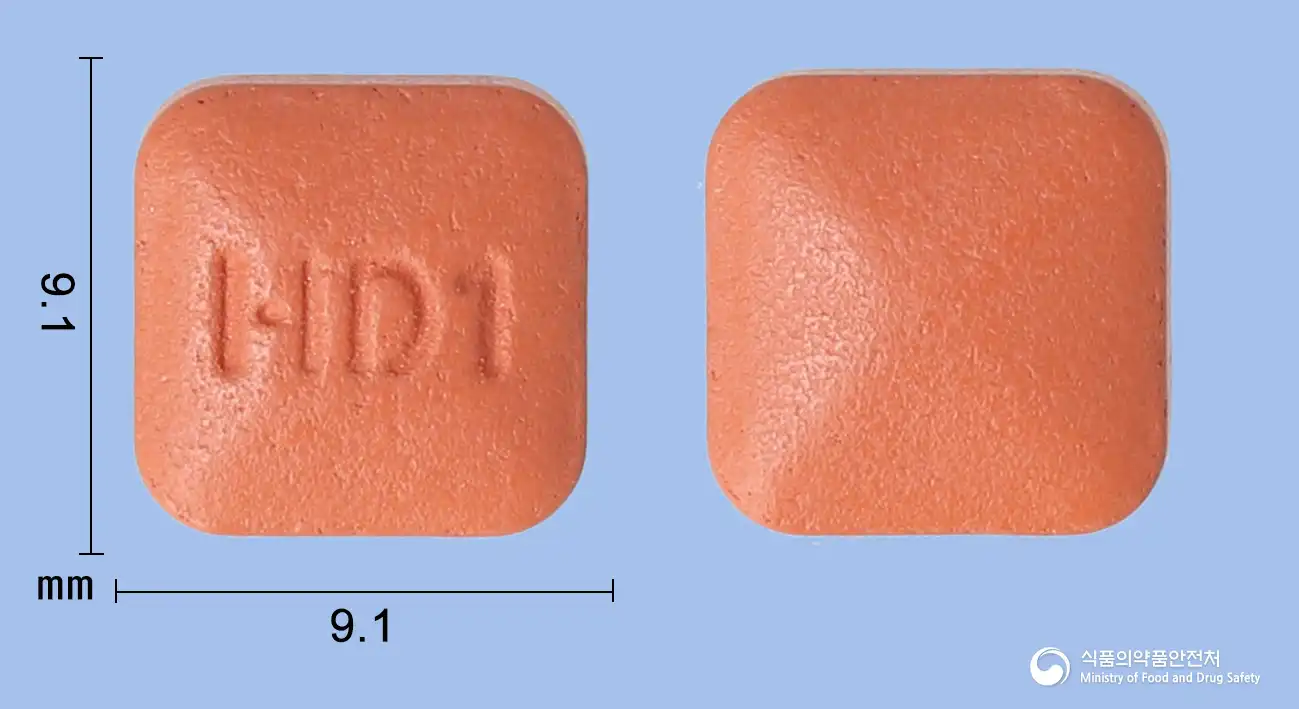
A square extended-release film-coated tablet with a pyramid shape on one side, in a reddish color.
PTP - 28 tablets/box [(14 tablets/PTP x 2)], bottle - 30 tablets/bottle, bottle - 100 tablets/bottle
Even with the same ingredient, strength, dosage form and how it is taken can differ.
Viewing nowDesvenlafaxine Succinate Monohydrate 151.77mg
Tablet · Prescription medication
Korea Pharma Co., Ltd.
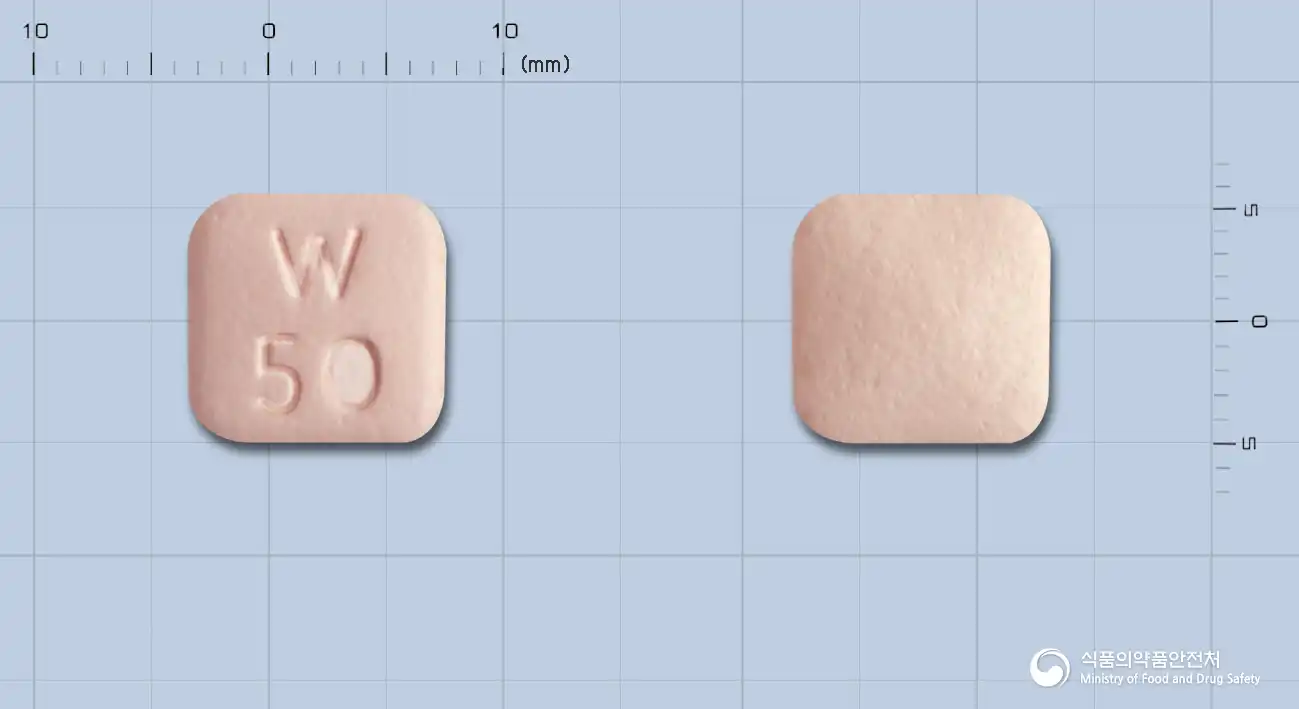
Desvenlafaxine Succinate Monohydrate 75.87mg
Tablet · Prescription medication
Pfizer Korea Co., Ltd.
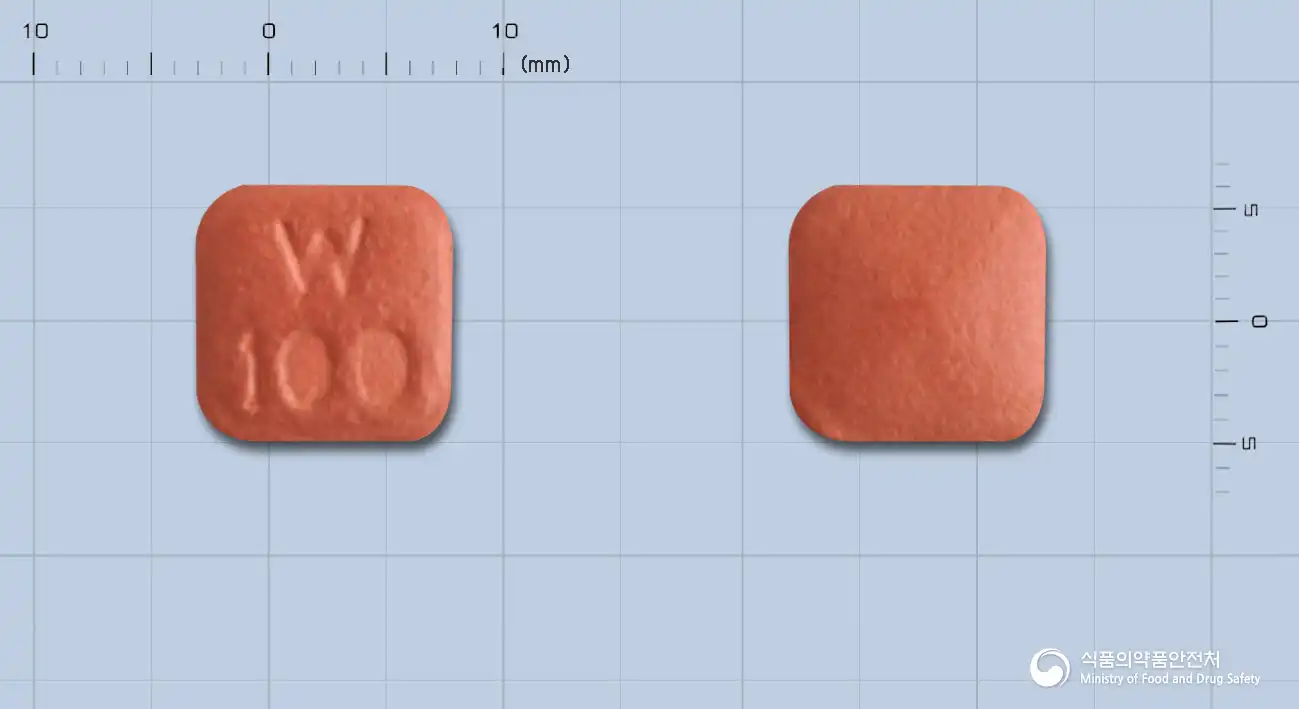
Desvenlafaxine Succinate Monohydrate 151.77mg
Tablet · Prescription medication
Pfizer Korea Co., Ltd.
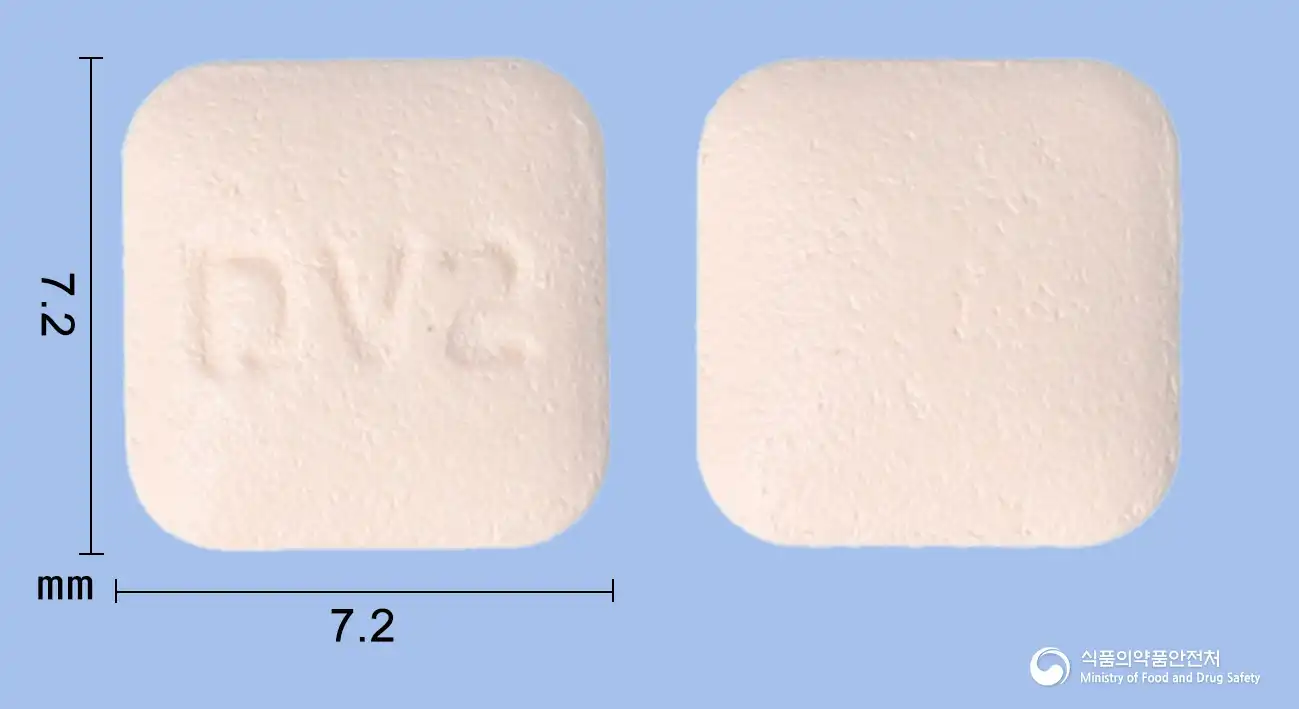
Desvenlafaxine Succinate Monohydrate 75.885mg
Tablet · Prescription medication
Korea Pharma Co., Ltd.
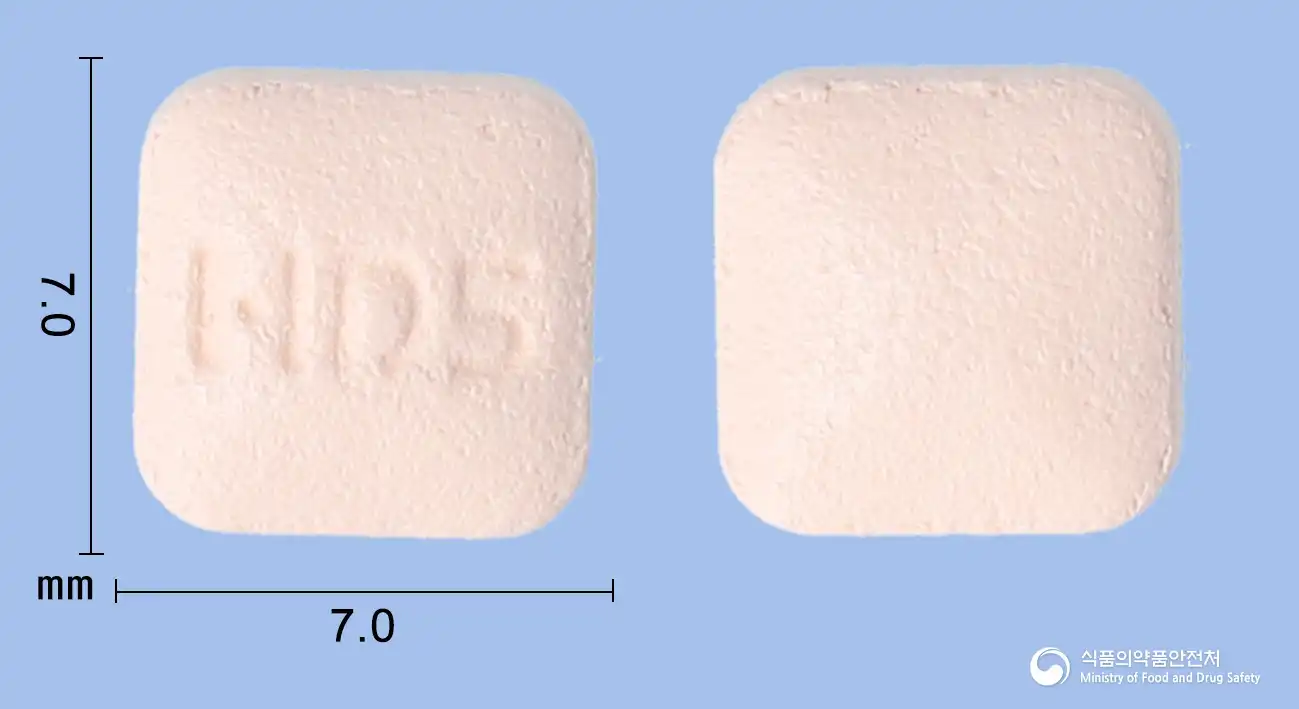
Desvenlafaxine Succinate Monohydrate 75.885mg
Tablet · Prescription medication
Hyundai Pharmaceutical Co., Ltd.
Desvenlafaxine Succinate Monohydrate 151.77mg
Tablet · Prescription medication
Hyundai Pharmaceutical Co., Ltd.
Even with the same ingredient, the dose and directions can differ by strength and dosage form. Talk to a doctor or pharmacist before switching from a medication you are already taking.
No questions yet.
For anything that needs medical judgment, consult a doctor or pharmacist.
This drug information is based on data provided by the Korea Ministry of Food and Drug Safety.
Consult a doctor or pharmacist for accurate dosage, administration, and usage instructions.