
 한국어
 English
 日本語
 中文(简体)
 Viewing nowCombination
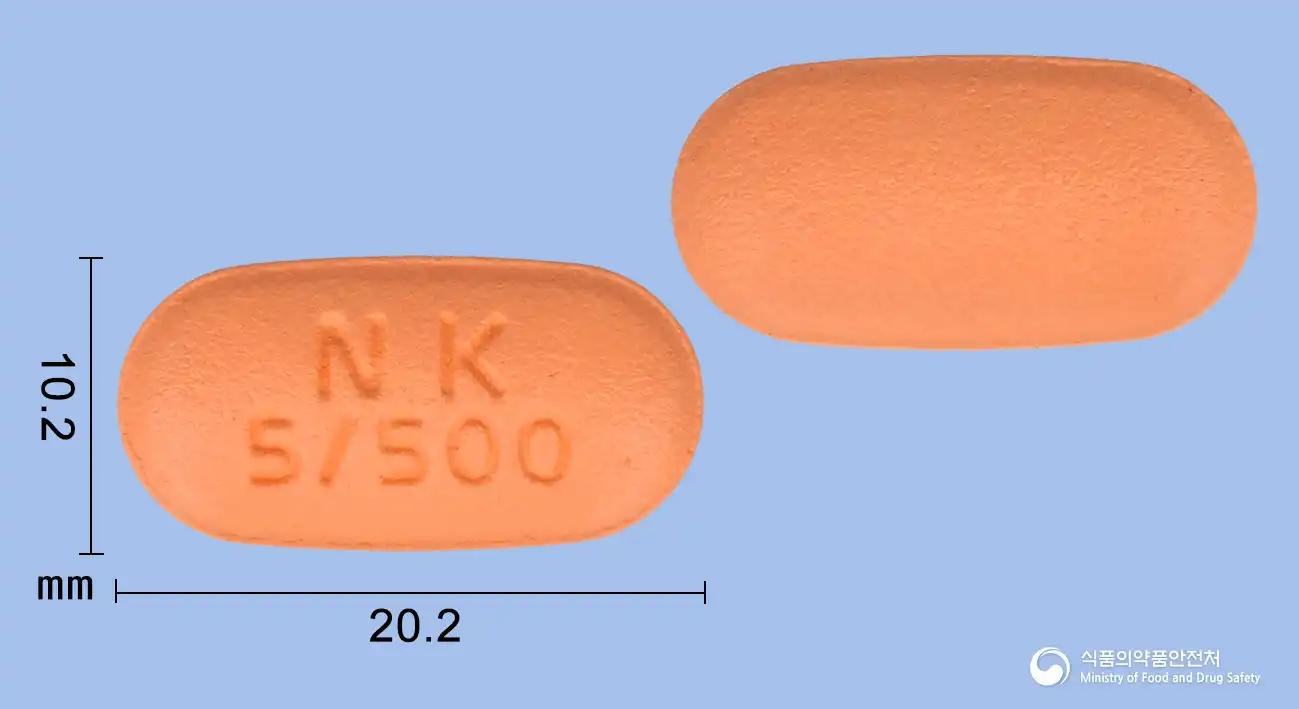
Flogam Duo Extended-Release Tablets 5/500 mg (Dapagliflozin, Metformin)
Dapagliflozin Propanediol Hydrate 6.15mg · Metformin Hydrochloride 500mg
Tablet · Prescription medication · Combination
Nexpam Korea Co., Ltd.
MFDS item code 202400166 · Approved 2024.01.23 · Insurance code 662504970
Improvement of glycemic control in adults with type 2 diabetes mellitus
This medication helps improve blood sugar control in adult patients with type 2 diabetes by complementing dietary and exercise regimens with the combined use of dapagliflozin and metformin. It is also applicable for patients with type 2 diabetes who have cardiovascular disease or risk factors and whose blood sugar is not adequately controlled. For more detailed information regarding cardiovascular events, please refer to professional guidance. This medication is used effectively to control blood sugar in diabetes patients.
The dose of this medication should be individualized based on the patient's current treatment regimen, efficacy, and tolerability, without exceeding the maximum recommended doses of dapagliflozin 10mg and extended-release metformin 2000mg. This medication is generally administered once daily with the evening meal. The maximum dose of this medication is dapagliflozin 10mg/extended-release metformin 2000mg once daily, administered as two 5mg/1000mg tablets. Patients who have not previously received pharmacologic treatment for diabetes and whose blood glucose is not adequately controlled with monotherapy: When used as initial therapy in patients who have not previously received pharmacologic treatment for diabetes, the recommended starting dose of this medication is one 5mg/500mg or 10mg/500mg tablet once daily. Adjust the dose gradually to reduce gastrointestinal adverse reactions associated with metformin. For patients receiving metformin, the recommended dose of dapagliflozin is 10mg once daily; the dose of this medication should provide the same or a therapeutically appropriate dose of metformin as the patient was previously taking. When switching from immediate-release to extended-release metformin, blood glucose control should be closely monitored and dosage adjustments made as appropriate. For patients switching from concomitant dapagliflozin and metformin therapy to this medication, the dose may be started at the doses of dapagliflozin and metformin previously being taken. When switching from immediate-release to extended-release metformin, blood glucose control should be closely monitored and dosage adjustments made as appropriate. When this medication is used in combination with insulin or an insulin secretagogue such as a sulfonylurea, a lower dose of insulin or the insulin secretagogue may be considered to reduce the risk of hypoglycemia. The safety and efficacy of this medication have not been specifically evaluated in patients switching from another glucose-lowering medication. Because changes may cause alterations in blood glucose control, any changes in the treatment of patients with type 2 diabetes should be made with careful monitoring. Swallow this medication whole; do not crush, cut, or chew it. Occasionally, the inactive ingredients of this medication may be excreted in the stool as a soft, hydrated mass resembling a tablet. Renal impairment No dosage adjustment is necessary for patients with mild renal impairment. For patients with an estimated glomerular filtration rate (eGFR) of 45 mL/min/1.73 m2 or greater and less than 60 mL/min/1.73 m2, and who have no other condition that may increase the risk of lactic acidosis, the starting dose of metformin hydrochloride, a component of this medication, is 500mg once daily, and the maximum daily dose is 1000mg. Administration of this medication is not recommended in patients with an eGFR below 45 mL/min/1.73m2. If the estimated glomerular filtration rate (eGFR) falls below 45 mL/min/1.73m2, administration of this medication must be discontinued immediately. Renal function should be assessed every 3~6 months. Older adults Metformin is excreted through the kidneys, and older adults are more likely to have decreased renal function; therefore, this medication should be used with caution as age increases (see Precautions for Use, 9. Administration to Older Adults).
This medication consists of two components that help control blood sugar. First, it acts by causing glucose to be excreted through the urine in the kidneys, thus lowering blood sugar levels. However, it should not be administered to patients with impaired kidney function, and kidney function must be checked before and after administration. Secondly, it assists in blood sugar control by inhibiting glucose production in the liver and reducing glucose absorption in the intestines. However, this component can very rarely cause a serious side effect called lactic acidosis, so caution is required for patients with poor kidney function or liver dysfunction. If conditions that may affect kidney function arise during treatment, such as dehydration, severe infection, or acute myocardial infarction, treatment should be immediately discontinued. Furthermore, this medication should be temporarily halted before surgeries or tests involving iodine contrast agents, and resuming only after confirming normal kidney function. This medication may increase the risk of hypoglycemia when used in combination with other diabetes medications, such as insulin or sulfonylureas; therefore, dosage adjustments may be necessary for those medications. During treatment, genital infections or urinary tract infections may occur, and if related symptoms arise, consult a doctor immediately. Moreover, due to reduced fluid volume, this medication may cause low blood pressure or dizziness, necessitating caution, particularly in the elderly or patients taking diuretics. Pregnant or nursing women should not take this medication, and it should be discontinued upon confirmation of pregnancy. This medication can lower vitamin B12 levels, so it is advisable to regularly check vitamin B12 status during long-term use. Excessive alcohol consumption may increase the risk of side effects with this medication; hence it should be avoided. Lastly, the safety and efficacy of this medication have not been established in children, and in elderly patients, kidney function should be monitored more closely during use.
Not everyone experiences these, and they can vary from person to person.
This medication may be sensitive to air or moisture; therefore, it must be stored in a tightly sealed container. Additionally, it is advisable to store it at room temperature between 1°C and 30°C, avoiding extremes of heat or cold.
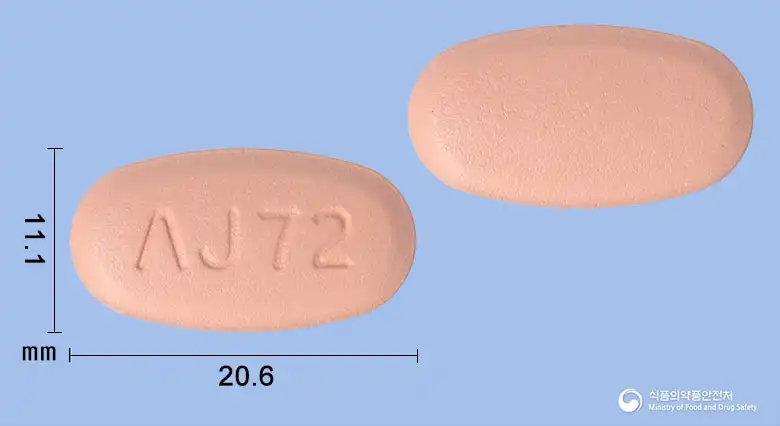
Orange oval extended-release film-coated tablet
28 tablets/box [7 tablets/PTP x 4]
Even with the same ingredient, strength, dosage form and how it is taken can differ.
Viewing nowCombinationDapagliflozin Propanediol Hydrate 6.15mg · Metformin Hydrochloride 500mg
Tablet · Prescription medication · Combination
Nexpam Korea Co., Ltd.
Metformin Hydrochloride 1000mg · Dapagliflozin Propanediol Hydrate 6.15mg
Tablet · Prescription medication · Combination
AstraZeneca Korea Co., Ltd.
 Combination
Metformin Hydrochloride 1000mg · Dapagliflozin Propanediol Hydrate 12.3mg
Tablet · Prescription medication · Combination
AstraZeneca Korea Co., Ltd.
 Combination
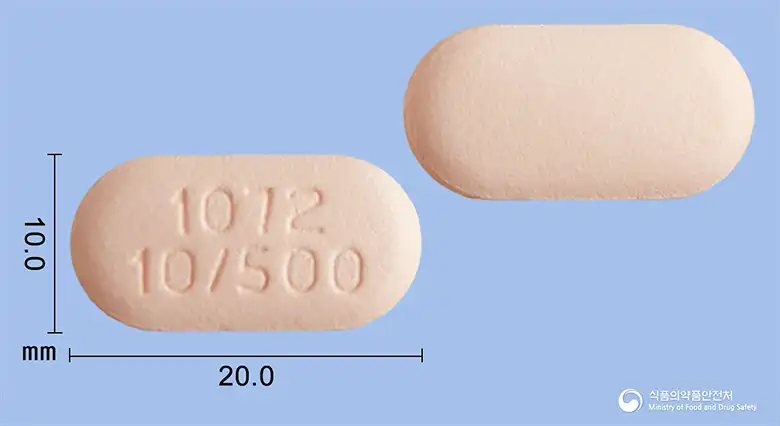
Metformin Hydrochloride 500mg · Dapagliflozin Propanediol Hydrate 12.3mg
Tablet · Prescription medication · Combination
AstraZeneca Korea Co., Ltd.
Metformin Hydrochloride 500mg · Dapagliflozin Propanediol Hydrate 6.15mg
Tablet · Prescription medication · Combination
AstraZeneca Korea Co., Ltd.
 Combination
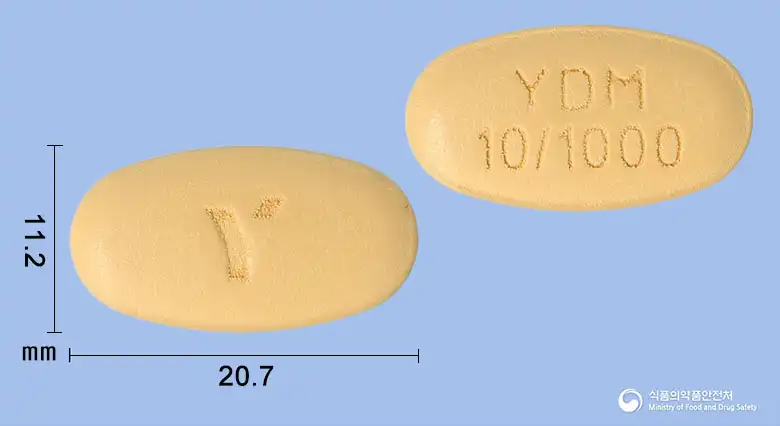
Metformin Hydrochloride 1000mg · Dapagliflozin Propanediol Hydrate 12.3mg
Tablet · Prescription medication · Combination
YouYoung Pharmaceutical Co., Ltd.
 Combination
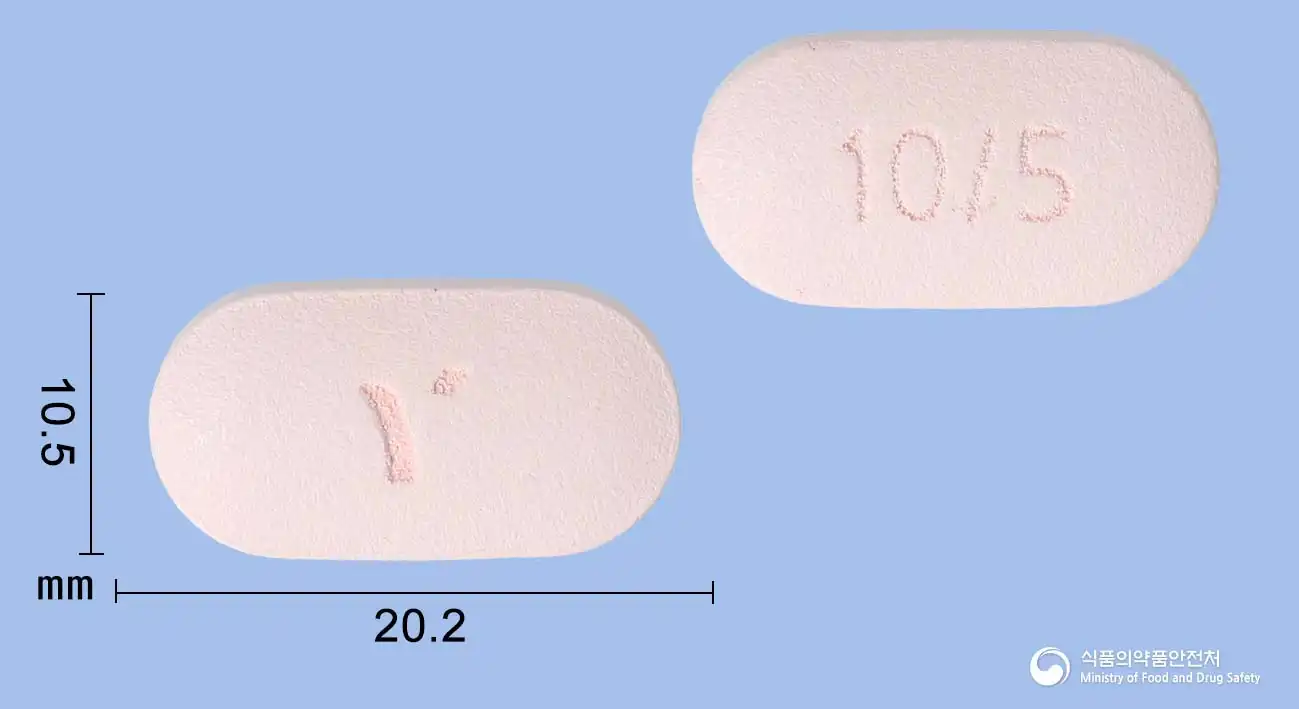
Metformin Hydrochloride 500mg · Dapagliflozin Propanediol Hydrate 12.3mg
Tablet · Prescription medication · Combination
Yuyoung Pharmaceutical Co., Ltd.
 Combination
Dapagliflozin Propanediol Hydrate 12.3mg · Metformin Hydrochloride 500mg
Tablet · Prescription medication · Combination
Aju Pharmaceuticals Co., Ltd.
Even with the same ingredient, the dose and directions can differ by strength and dosage form. Talk to a doctor or pharmacist before switching from a medication you are already taking.
No questions yet.
For anything that needs medical judgment, consult a doctor or pharmacist.
This drug information is based on data provided by the Korea Ministry of Food and Drug Safety.
Consult a doctor or pharmacist for accurate dosage, administration, and usage instructions.