
 한국어
 English
 日本語
 中文(简体)
 Viewing now
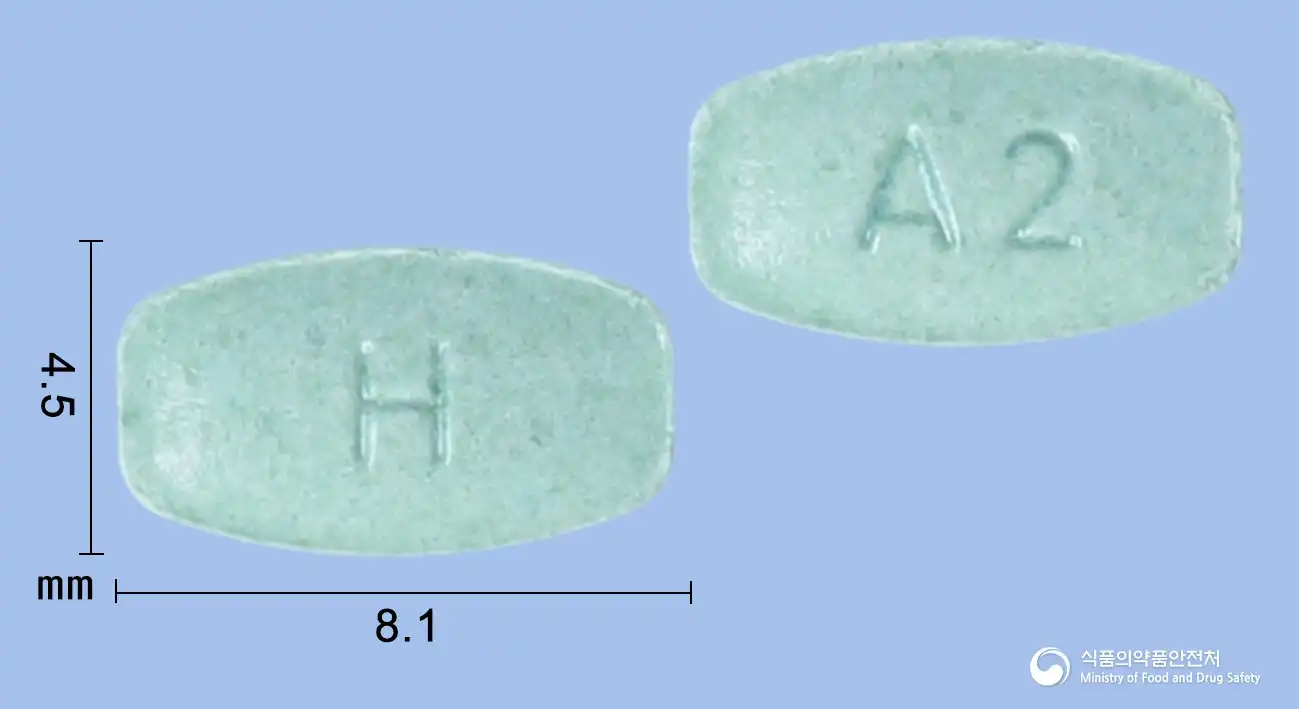
Abilify 2 mg Tablets (Aripiprazole)
Aripiprazole 2mg
Tablet · Prescription medication
Hyundai Pharmaceutical Co., Ltd.
MFDS item code 202400041 · Approved 2024.01.05 · Insurance code 642005180
Treatment of psychiatric disorders (including schizophrenia and mania), irritability associated with autism, and Tourette disorder
This medication is used for the treatment of schizophrenia. It also helps in the treatment of acute manic and mixed episodes associated with bipolar disorder. It is used as an adjunctive therapy in the treatment of major depressive disorder and is effective in reducing irritability associated with autism spectrum disorder. It is also used to alleviate symptoms of Tourette's disorder. Thus, it is employed in improving symptoms of various psychiatric conditions.
1. Adults with schizophrenia: The recommended initial dose is 10 mg or 15 mg once daily, with or without food. For the treatment of schizophrenia, the dose of this medicine may be adjusted within the range of 10-30 mg daily. The dose should not be increased before 2 weeks, the time needed to reach steady state. Maintenance therapy: The efficacy of this medicine as maintenance therapy for schizophrenia was demonstrated in a clinical trial comparing relapse rates with placebo at a dose of 15 mg daily in patients with schizophrenia who had been stabilized on another antipsychotic for at least 3 months. Patients should be periodically reevaluated to determine the need for maintenance therapy. Switching from another antipsychotic: When switching from an existing antipsychotic to this medicine, it is most appropriate to initiate this medicine while gradually reducing the dose of the existing medication. The period of concomitant use of most antipsychotics should be minimized. 2. Treatment of manic and mixed episodes associated with bipolar disorder in adults: As monotherapy or adjunctive therapy with lithium or valproate, the recommended initial dose is 15 mg once daily, with or without food. The dose may be increased to 30 mg daily according to clinical response. Doses above 30 mg daily have not been evaluated in clinical trials. Maintenance therapy: The efficacy of maintenance therapy in bipolar I disorder was demonstrated in a clinical trial in patients stabilized with this medicine (15 mg or 30 mg daily as monotherapy) for at least 6 weeks. Patients should be periodically reevaluated to determine the need for maintenance therapy. 3. Adjunctive treatment of major depressive disorder in adults: The recommended initial dose for adults taking an existing antidepressant is 2~5mg once daily, with or without food. The efficacy of this medicine as adjunctive treatment for major depressive disorder has been established at 2~15mg daily. The dose of this medicine should be gradually increased by no more than 5mg at intervals of at least 1 week. Maintenance therapy: Maintenance therapy for adjunctive treatment of major depressive disorder has not been evaluated. Patients should be periodically reevaluated to determine the need for maintenance therapy. 6. Dosage adjustment considering CYP450 interactions: Dosage adjustment is recommended for CYP2D6 poor metabolizers and patients taking a CYP3A4 inhibitor, a CYP2D6 inhibitor, or a strong CYP3A4 inducer (see Table 1). If concomitant medication is discontinued, adjust the dose of aripiprazole to the previously administered dose; however, when discontinuing concomitant use of a CYP3A4 inducer, adjust the dose over 1~2 weeks. The dose may then be adjusted according to clinical response. (See “Drug Interactions” in Precautions for Use.) Table 1. Dosage adjustment for CYP2D6 poor metabolizers and patients taking CYP2D6 inhibitors, CYP3A4 inhibitors, or CYP3A4 inducers CYP2D6 poor metabolizers: 1/2 of the usual dose Strong CYP2D6 inhibitors (e.g., quinidine, fluoxetine, paroxetine) or strong CYP3A4 inhibitors (e.g., ketoconazole, itraconazole, clarithromycin): 1/2 of the usual dose Strong CYP3A4 inducers (e.g., carbamazepine, rifampin): 2 times the usual dose over 1~2 weeks However, when aripiprazole is used as adjunctive therapy for major depressive disorder, it should be administered without dose adjustment.
Adolescents with schizophrenia (13-17 years): The recommended dose is 10 mg daily, with or without food. Doses of 10 mg and 30 mg daily were studied in adolescent patients (13-17 years). The initial daily dose was 2 mg, increased to 5 mg after 2 days and then to 10 mg after another 2 days. Thereafter, the dose was increased in 5 mg increments. However, 30 mg daily was not more effective than 10 mg daily. Maintenance therapy has not been evaluated in adolescent patients with schizophrenia. Patients should be periodically reevaluated to determine the need for maintenance therapy. Since long-term safety has not been established with respect to the emergence of suicidal symptoms, growth, maturation, and cognitive and behavioral development, patients should be carefully monitored regularly. Treatment of manic and mixed episodes associated with bipolar disorder in children (10-17 years): The recommended dose as monotherapy is 10 mg daily, with or without food. Efficacy has been demonstrated at doses of 10 mg or 30 mg daily in pediatric patients (10-17 years) with bipolar I disorder. The initial dose is 2 mg daily, increased to 5 mg after 2 days and then to 10 mg after another 2 days. Thereafter, the dose should be increased in 5 mg increments. Maintenance therapy has not been evaluated in pediatric patients with bipolar I disorder. Patients should be periodically reevaluated to determine the need for maintenance therapy. Since long-term safety has not been established with respect to the emergence of suicidal symptoms, growth, maturation, and cognitive and behavioral development, patients should be carefully monitored regularly. Irritability associated with autistic disorder in children (6-17 years): This medicine has demonstrated efficacy at doses of 5 mg to 15 mg daily in pediatric patients (6-17 years) with autistic disorder. The recommended initial dose is 1 mg or 2 mg daily, which should be increased to 5 mg daily and, if needed, subsequently to 10 mg or 15 mg daily. Dose adjustments up to 5 mg daily should be made gradually at intervals of at least 1 week. The dose of this medicine should be individualized according to tolerability and response. Maintenance therapy has not been evaluated in pediatric patients with autistic disorder. Patients should be periodically reevaluated to determine the need for maintenance therapy. Since long-term safety has not been established with respect to the emergence of suicidal symptoms, growth, maturation, and cognitive and behavioral development, patients should be carefully monitored regularly. Children with Tourette's disorder (6-18 years): This medicine has demonstrated efficacy at doses of 2 mg to 20 mg daily in pediatric patients (6-18 years) with Tourette's disorder. The initial dose is 2 mg daily, with gradual increases in 5mg increments at intervals of at least 2 weeks. The dose of this medicine should be individualized according to tolerability and response. Maintenance therapy has not been evaluated in pediatric patients with Tourette's disorder. Patients should be periodically reevaluated to determine the need for maintenance therapy. Since long-term safety has not been established with respect to the emergence of suicidal symptoms, growth, maturation, and cognitive and behavioral development, patients should be carefully monitored regularly.
This medication may increase the risk of suicidal thoughts or behaviors in children, adolescents, and young adults with depression or psychiatric disorders, so physicians should carefully assess its use. After starting treatment, the patient's condition should be closely monitored, and family members or guardians should also observe for unusual behaviors or signs of suicide risk. This medication is not approved for the treatment of pediatric depression. Additionally, it can cause a serious side effect called Neuroleptic Malignant Syndrome, which can be life-threatening, so immediate treatment is required if symptoms such as high fever, muscle rigidity, or altered consciousness appear. Long-term use may lead to the development of potentially irreversible tardive dyskinesia, and if symptoms arise, discontinuation of the medication should be considered. Elderly patients with dementia may be at an increased risk of cerebrovascular accidents such as stroke and increased mortality, so this medication is not recommended for patients with dementia-related psychiatric disorders. It may affect blood sugar control, so diabetic patients should regularly monitor their blood sugar levels. This medication may cause orthostatic hypotension, so patients with unstable blood pressure should use it with caution. Caution is also warranted in patients with a history of seizures. Drowsiness or cognitive impairment may occur, so care should be taken when driving or operating hazardous machinery. Patients with swallowing difficulties are at risk for aspiration pneumonia, so caution is necessary. This medication should not be given to those with hypersensitivity or specific genetic lactose metabolism anomalies. Various side effects such as nausea, vomiting, headache, dizziness, insomnia, anxiety, drowsiness, weight gain, etc., may occur, so if any abnormal symptoms arise, consulting a doctor is necessary. Particularly during the initial treatment period or when adjusting doses, side effects and suicidal risk should be closely monitored. It is recommended to start at the minimum effective dose and use it for the least amount of time necessary.
Not everyone experiences these, and they can vary from person to person.
This medication should be stored in a tightly closed container to avoid exposure to air and moisture. It is important to maintain a storage temperature between 1 degree and 30 degrees at room temperature.
Green oval tablets
Bottle - 30 tablets/bottle, Bottle - 200 tablets/bottle, Bottle - 100 tablets/bottle
Even with the same ingredient, strength, dosage form and how it is taken can differ.
Viewing nowAripiprazole 2mg
Tablet · Prescription medication
Hyundai Pharmaceutical Co., Ltd.
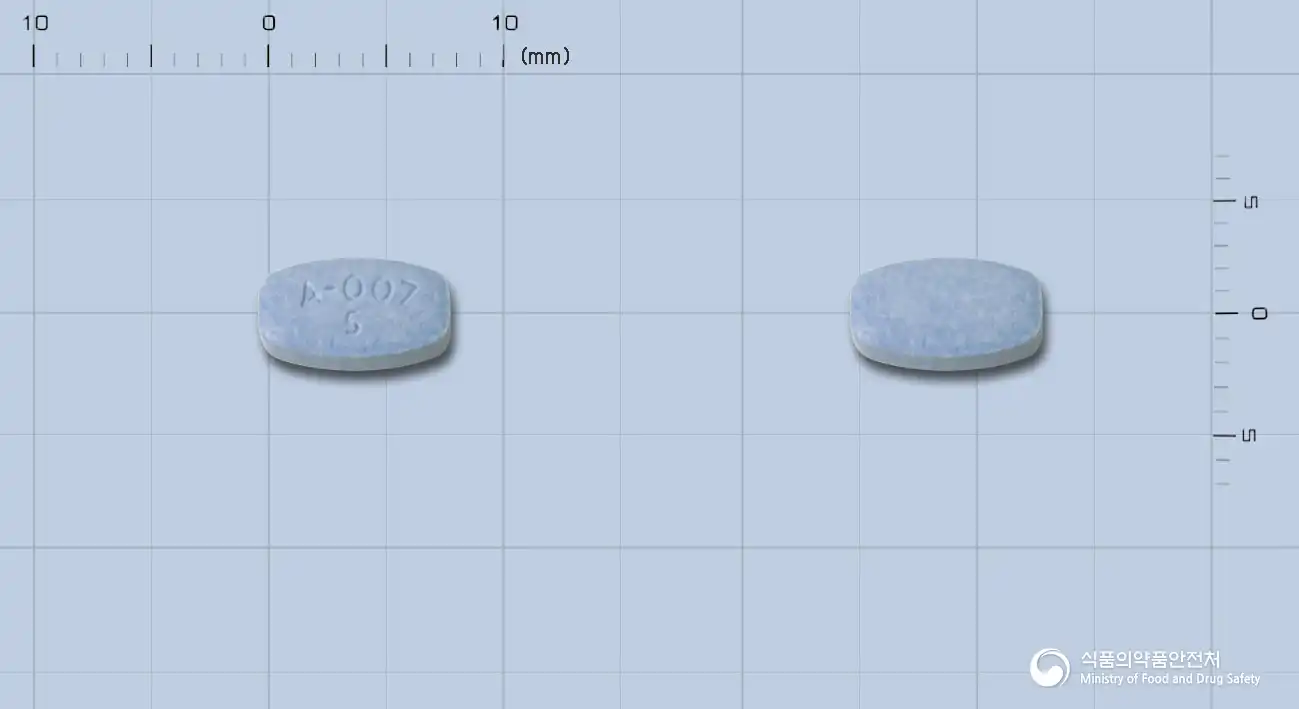
Aripiprazole 5mg
Tablet · Prescription medication
Otsuka Pharmaceutical Co., Ltd.
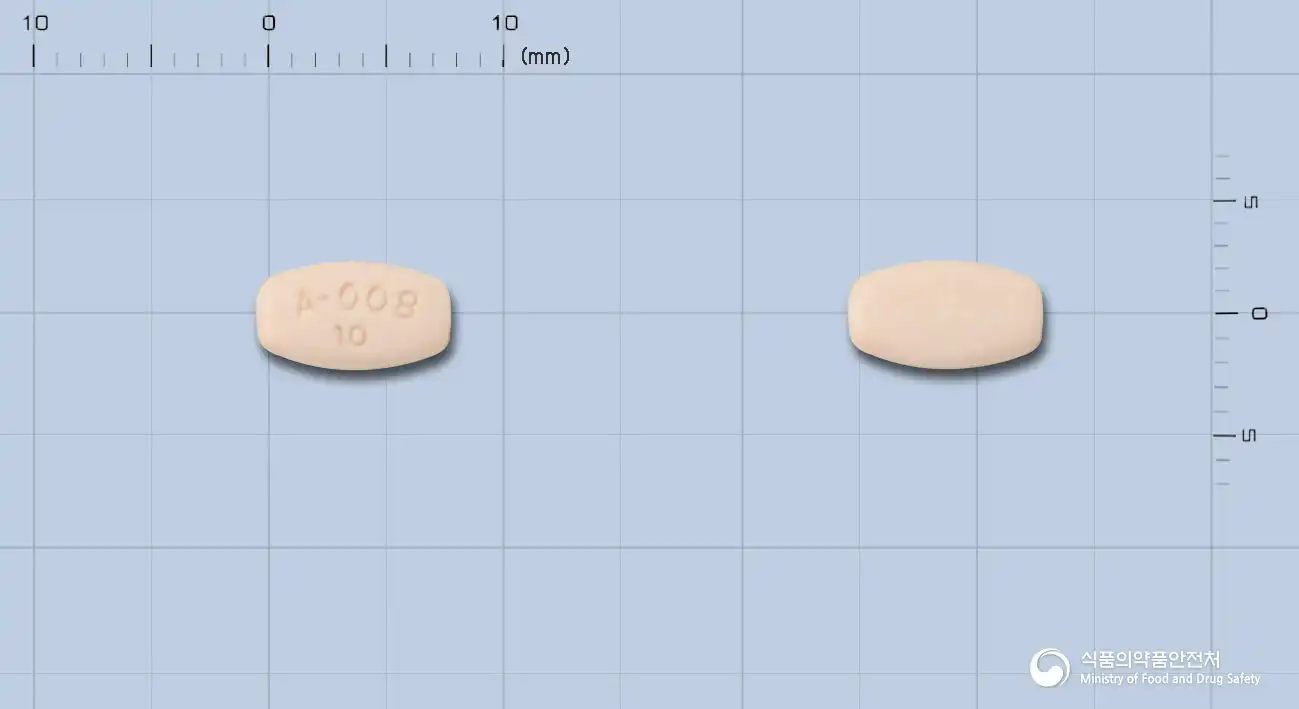
Aripiprazole 10mg
Tablet · Prescription medication
Otsuka Pharmaceutical Co., Ltd.
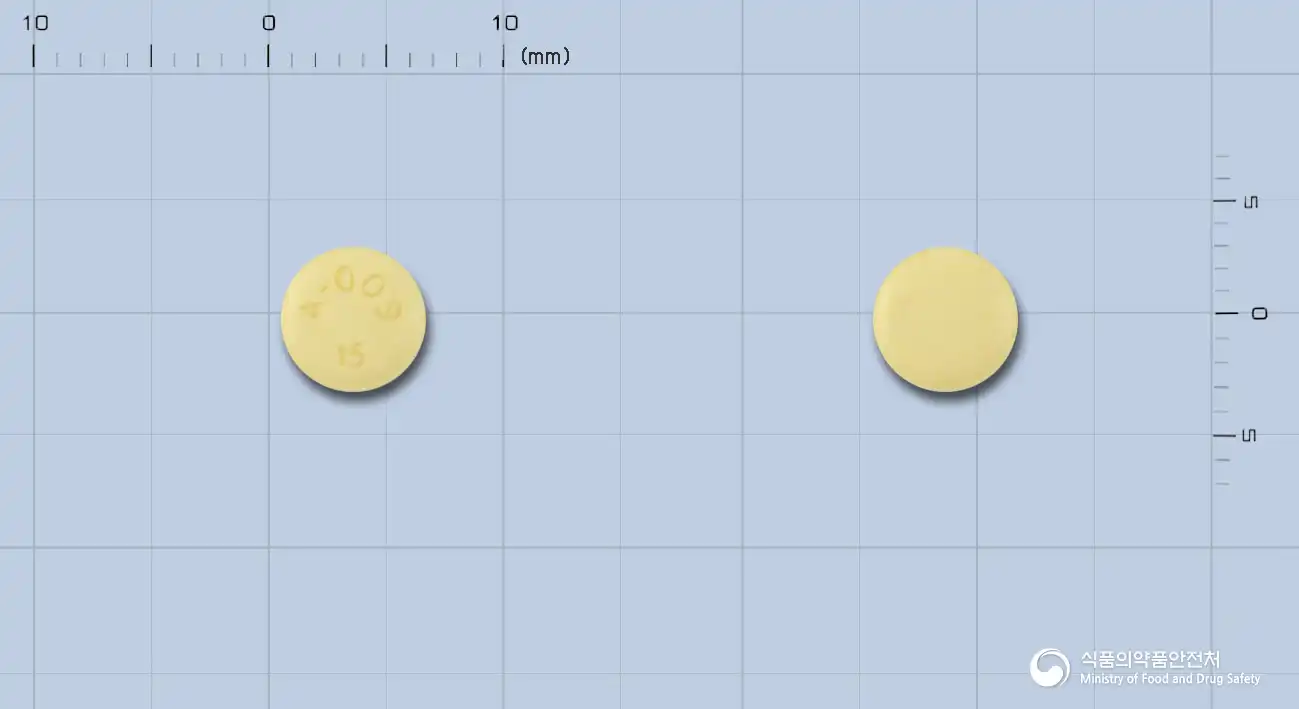
Aripiprazole 15mg
Tablet · Prescription medication
Otsuka Pharmaceutical Co., Ltd.
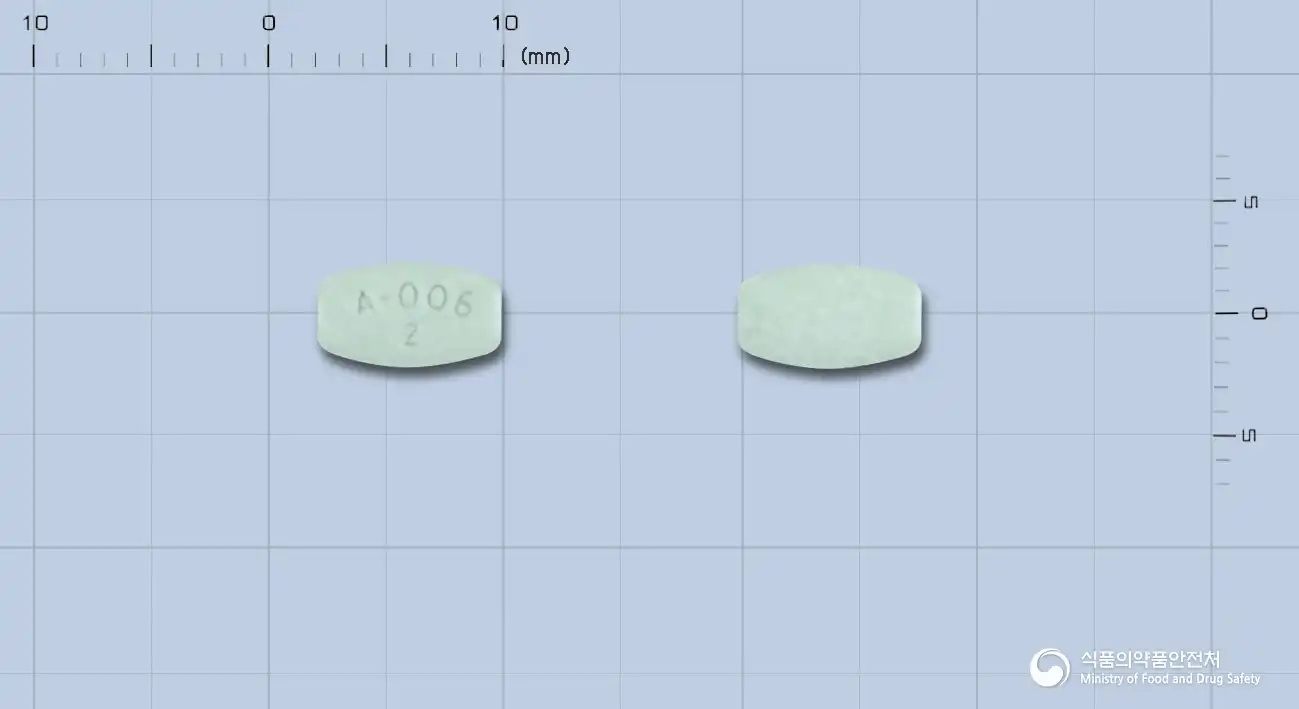
Aripiprazole 2mg
Tablet · Prescription medication
Korea Otsuka Pharmaceutical Co., Ltd.
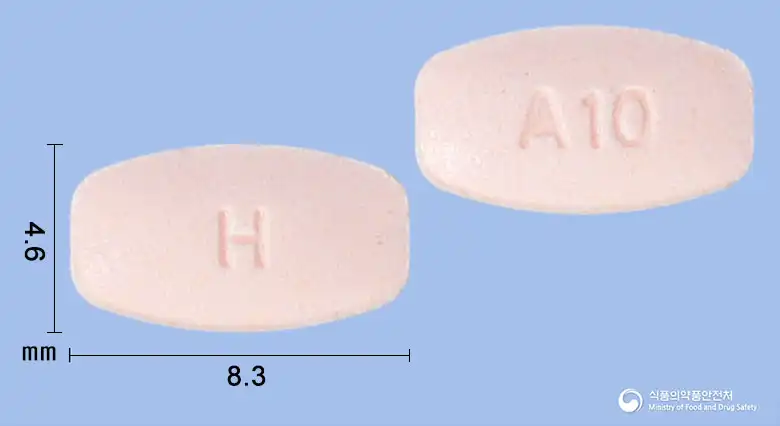
Aripiprazole 10mg
Tablet · Prescription medication
Hyundai Pharmaceutical Co., Ltd.
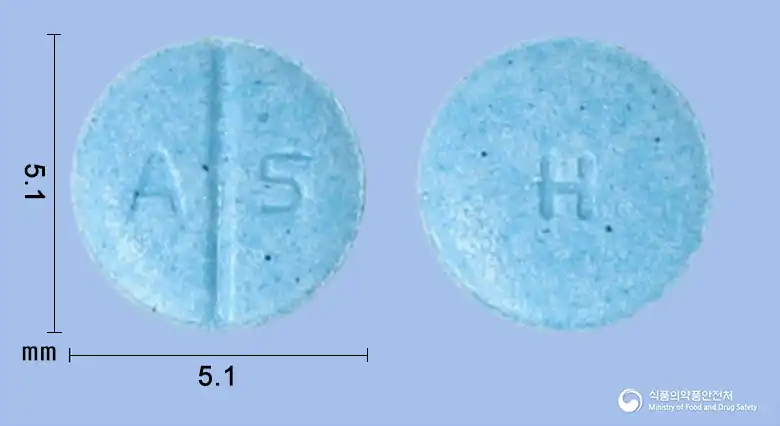
Aripiprazole 5mg
Tablet · Prescription medication
Hyundai Pharmaceutical Co., Ltd.
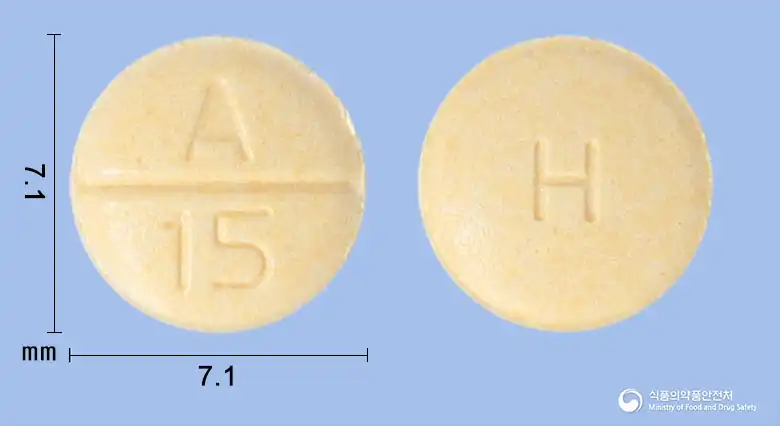
Aripiprazole 15mg
Tablet · Prescription medication
Hyundai Pharmaceutical Co., Ltd.
Even with the same ingredient, the dose and directions can differ by strength and dosage form. Talk to a doctor or pharmacist before switching from a medication you are already taking.
No questions yet.
For anything that needs medical judgment, consult a doctor or pharmacist.
This drug information is based on data provided by the Korea Ministry of Food and Drug Safety.
Consult a doctor or pharmacist for accurate dosage, administration, and usage instructions.