한국어
 English
 日本語
 中文(简体)
 Viewing now
Allcadia 2 mg Tablets (Evocalcet)
Evocalcet 2mg
Tablet · Prescription medication
DKSH Korea Co., Ltd.
MFDS item code 202303149 · Approved 2023.11.15 · Insurance code 666300430
Treatment of secondary hyperparathyroidism in patients with chronic kidney disease on dialysis
This medicine is used to treat secondary hyperparathyroidism, which commonly occurs in patients with chronic kidney disease undergoing dialysis.
Administer this medicine orally once daily. The usual starting dose is 1mg, but a starting dose of 2mg may be used depending on the patient's condition. After administration, closely monitor the patient's parathyroid hormone (iPTH) and serum calcium levels and adjust the dose from 1~8mg. If the patient does not respond adequately to treatment with this medicine, adjust the dose; it may be increased to 12mg once daily. This medicine reduces blood calcium levels. Before starting treatment, confirm that the patient's serum calcium level is not low (calcium level criterion: ≥8.4mg/dL). If a dose increase is needed, increase the dose by 1mg at intervals of at least 2 weeks. Consider a starting dose of 2mg in the following case. - High iPTH level (intact PTH level criterion: ≥500 pg/mL) and serum calcium level ≥ 9.0mg/dL Measure serum calcium at least once weekly when starting treatment and when beginning dose adjustment, and at least once every 2 weeks during maintenance therapy. If serum calcium falls to < 8.4mg/dL, take the actions listed in the table below. < 8.4 mg/dL Do not increase the dose (reduce it if necessary) Consider taking calcium or vitamin D preparations Measure serum calcium at least once weekly. An electrocardiogram is preferably performed. Before increasing the dose, confirm that the serum calcium level has recovered to 8.4mg/dL or higher ≤ 7.5 mg/dL Discontinue treatment immediately. After confirming that the serum calcium level has recovered to 8.4mg/dL or higher, resume treatment at the same dose as before discontinuation or at a lower dose To appropriately evaluate the safety and efficacy of this medicine, it is preferable to measure serum calcium concentration before oral administration. In patients with hypoalbuminemia (< 4.0 g/dL), it is preferable to use the corrected calcium levelNote 1) as an indicator. Measure iPTH regularly to confirm that iPTH levels remain within the normal range. Measure iPTH twice a month when starting treatment with this medicine and when beginning dose adjustment (for approximately 3 months after starting the medicine). After confirming that iPTH levels have nearly stabilized, it is preferable to measure iPTH once a month. To appropriately evaluate the safety and efficacy of this medicine, it is preferable to measure iPTH before oral administration. Note 1) Method for calculating corrected calcium level: Corrected calcium level (mg/dL) = serum calcium level (mg/dL) – serum albumin level (g/dL) + 4.0 No dose adjustment of this medicine is necessary in patients with hepatic impairment. However, use is not recommended in patients with severe hepatic impairment.
This medicine should not be used in patients with hypersensitivity to the ingredients, pregnant women, or women of childbearing potential. Caution should be taken when using this medicine in patients with hypocalcemia as it may worsen the condition. Patients with impaired liver function should be careful as blood concentration of this medicine may increase. There have been some reported cases in patients with heart failure; however, a strong relationship with this medicine has not been confirmed, so caution should be exercised. Patients with a history of gastrointestinal bleeding or peptic ulcer should be careful as gastrointestinal bleeding or ulcers may occur during treatment with this medicine. Blood serum calcium levels should be regularly monitored during the use of this medicine to manage any occurrence of hypocalcemia. During the initial drug administration and dosage adjustments, patients should be frequently monitored for adverse reactions. Monitoring blood tests and symptoms is important in patients with liver dysfunction as their blood concentration of this medicine may increase. For patients undergoing hemodialysis, dosage adjustments may be necessary as this medicine is not removed by dialysis. Caution should be taken when used in combination with other drugs in the calcium receptor agonist class, as this may lead to phenomena such as ostealgia syndrome and hypocalcemia. This medicine may interact with specific drugs, so any other ongoing medications should be discussed with healthcare professionals. Women who are pregnant or may become pregnant should not take this medicine, and should stop immediately if pregnancy is confirmed during treatment. Nursing mothers are also advised to avoid taking this medicine due to insufficient safety data. Safety and efficacy have not been established in children, so it should not be used in pediatric patients. Elderly patients may have declined body function, so appropriate measures, such as dosage adjustment, should be taken if adverse reactions occur. Overdosing may cause hypocalcemia; observe symptoms and consider administering calcium preparations if necessary, as this medicine is not removed by hemodialysis. This medicine is packaged in aluminum packaging, so patients should be instructed to take it out of the packaging and to avoid swallowing the packaging. Sharp edges of the packaging may cause injury to the esophagus, potentially leading to serious complications.
Hypocalcemia, QT interval prolongation, paresthesia, muscle spasms, discomfort, arrhythmia, hypotension, seizures, headache, sensory loss, ectopic beats, angina pectoris, myocardial ischemia, heart failure, chest discomfort, first-degree AV block, palpitations, sinus bradycardia, chest pain, nausea, vomiting, abdominal discomfort, diarrhea, abdominal distension, abdominal pain, gastroesophageal reflux disease, gastritis, constipation, discomfort in the upper abdomen, gastrointestinal ulcer, stomatitis, liver dysfunction (increased AST, ALT, γ-GTP), gingivitis, dizziness, musculoskeletal pain, loss of appetite, hypoproteinemia, hypoparathyroidism, gout, hyperphosphatemia, hypophosphatemia, occlusive vascular disease, increased blood creatine phosphokinase, pruritus, rash, anemia, eosinophilia, dry eyes, visual impairment, enterocolitis, occult blood, tremors, increased serum alkaline phosphatase, edema, dyspnea
Not everyone experiences these, and they can vary from person to person.
This medicine should be stored at room temperature between 1 degrees Celsius and 30 degrees Celsius, in a tightly closed container to prevent air from entering. This will help maintain the effectiveness of the medicine and prevent degradation.
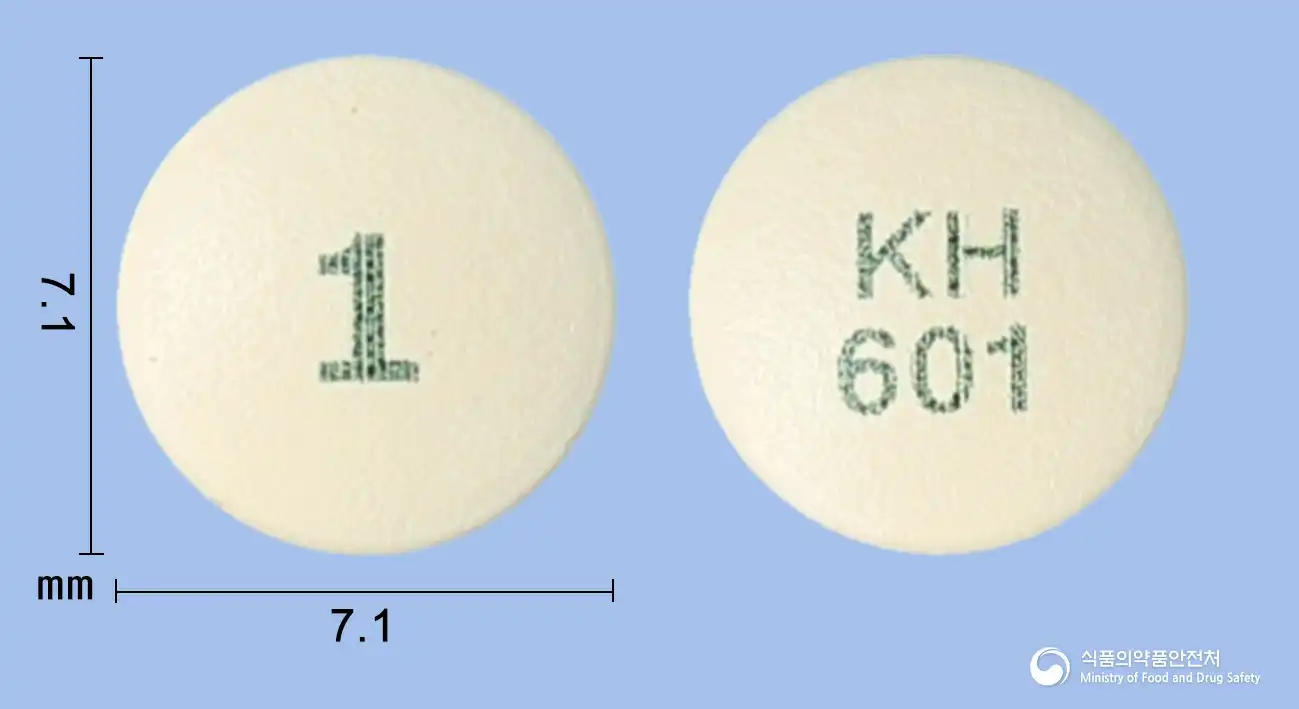
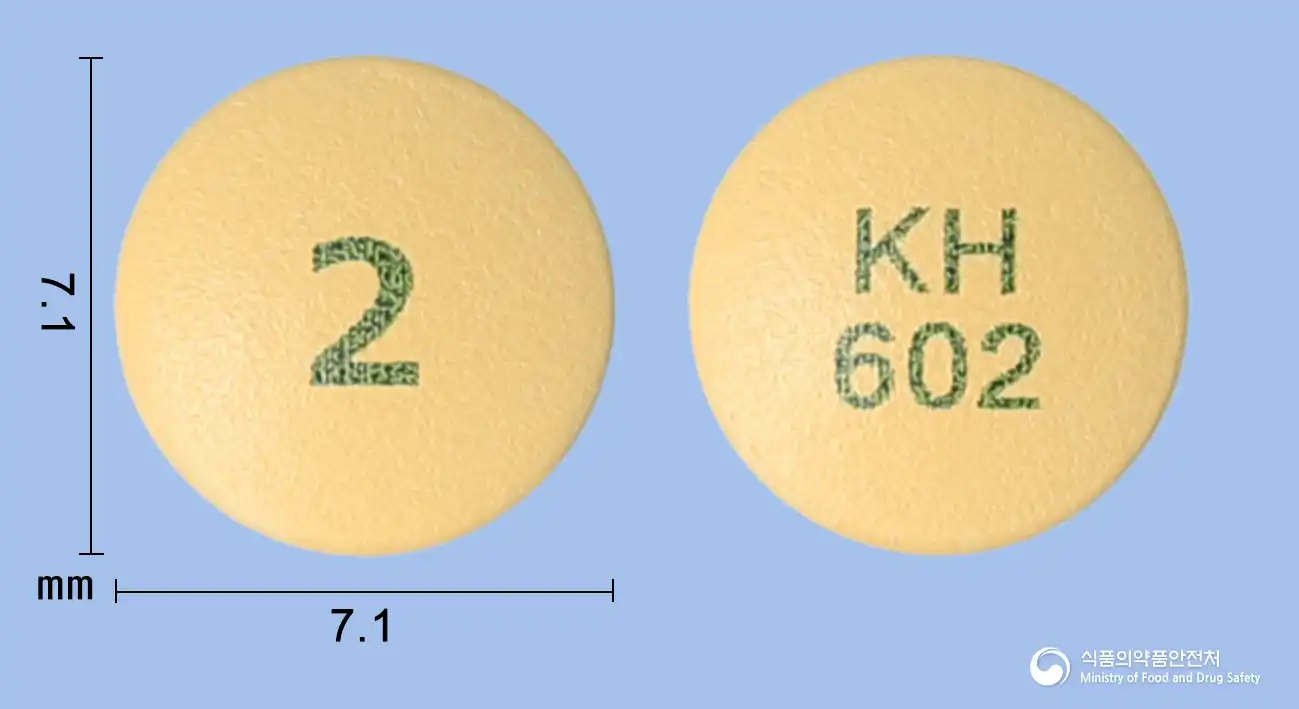
Light yellow film-coated tablets
Box - 100 tablets/box [(10 tablets/PTP × 10)]
Even with the same ingredient, strength, dosage form and how it is taken can differ.
Even with the same ingredient, the dose and directions can differ by strength and dosage form. Talk to a doctor or pharmacist before switching from a medication you are already taking.
No questions yet.
For anything that needs medical judgment, consult a doctor or pharmacist.
This drug information is based on data provided by the Korea Ministry of Food and Drug Safety.
Consult a doctor or pharmacist for accurate dosage, administration, and usage instructions.