한국어
 English
 日本語
 中文(简体)
 Viewing now
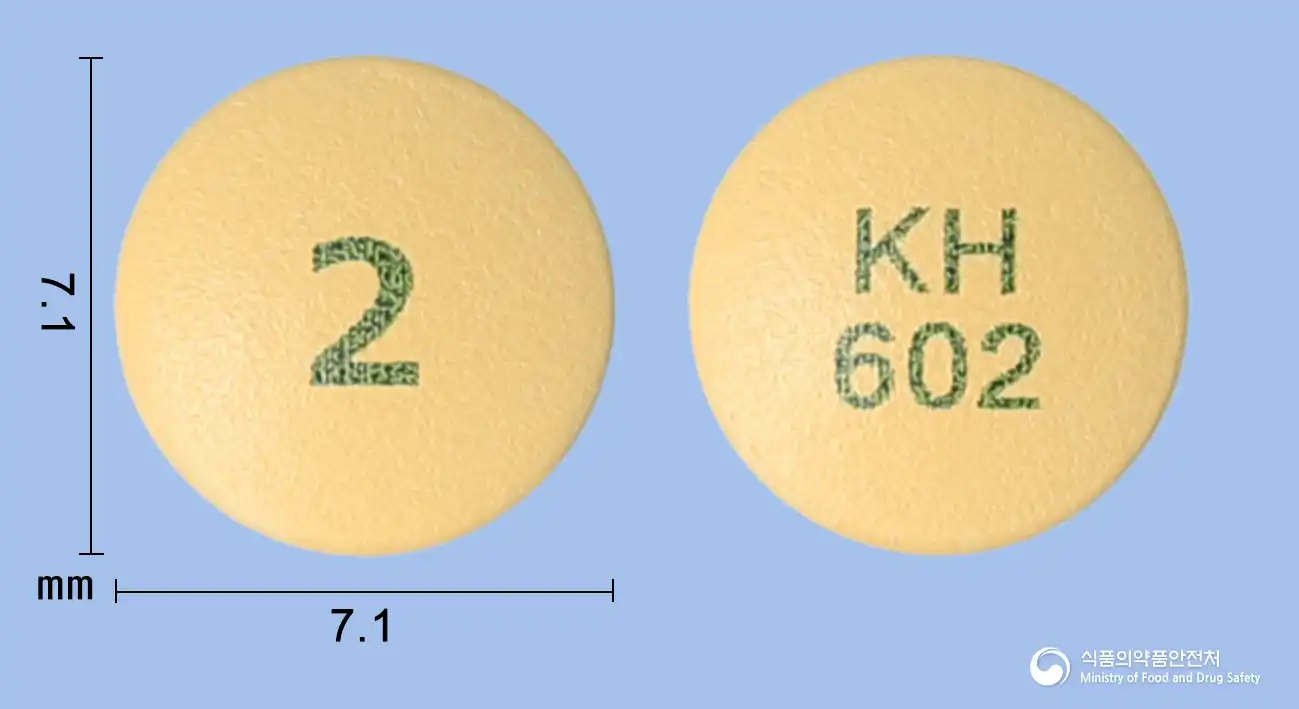
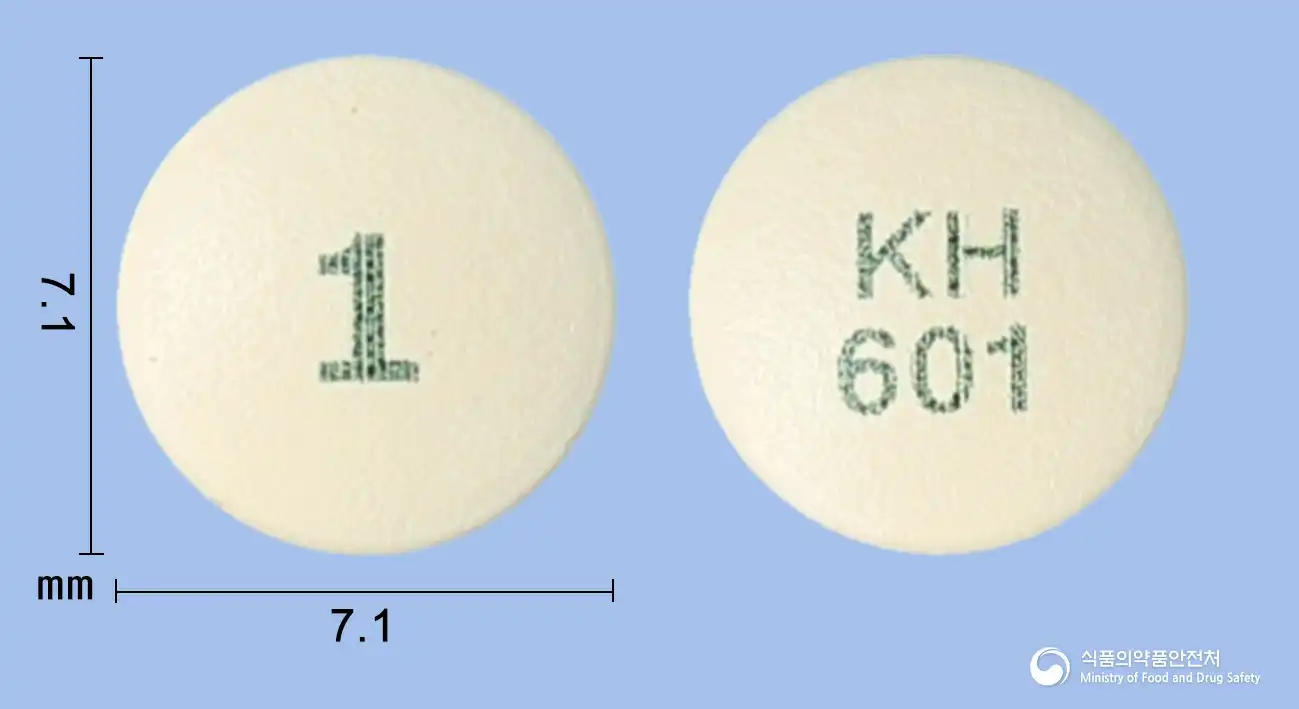
Olcadia 1mg Tablet (Evocalcet)
Evocalcet 1mg
Tablet · Prescription medication
DKSH Korea Co., Ltd.
MFDS item code 202303148 · Approved 2023.11.15 · Insurance code 666300420
Treatment of secondary hyperparathyroidism in patients with chronic kidney disease on dialysis
In patients with chronic renal failure undergoing dialysis, secondary hyperparathyroidism may occur. This medication helps regulate the secretion of parathyroid hormone that is excessively produced by the parathyroid glands, aiding in the balance of calcium and phosphorus. This can prevent bone and soft tissue abnormalities, and improve electrolyte imbalances. It also alleviates associated symptoms and supports the overall health of patients. This drug is effectively used for the treatment of secondary hyperparathyroidism in patients with chronic renal failure undergoing dialysis.
Administer this medicine orally once daily. The usual starting dose is 1mg, but a starting dose of 2mg may be used depending on the patient's condition. After administration, closely monitor the patient's parathyroid hormone (iPTH) and serum calcium levels and adjust the dose from 1~8mg. If the patient does not respond adequately to treatment with this medicine, adjust the dose; it may be increased to 12mg once daily. This medicine reduces blood calcium levels. Before starting treatment, confirm that the patient's serum calcium level is not low (calcium level criterion: ≥8.4mg/dL). If a dose increase is needed, increase the dose by 1mg at intervals of at least 2 weeks. Consider a starting dose of 2mg in the following case. [See Precautions for Use, ‘11. Information for Healthcare Professionals,’ 3), (2) and (3)]. - High iPTH level (intact PTH level criterion: ≥500 pg/mL) and serum calcium level ≥ 9.0mg/dL Measure serum calcium at least once weekly when starting treatment and when beginning dose adjustment, and at least once every 2 weeks during maintenance therapy. If serum calcium falls to < 8.4mg/dL, take the actions listed in the table below. [See Precautions for Use, ‘2. Patients Requiring Caution,’ 1), ‘3. Adverse Reactions,’ and ‘4. General Precautions.’] Serum calcium level < 8.4 mg/dL Do not increase the dose (reduce it if necessary) Consider taking calcium or vitamin D preparations Measure serum calcium at least once weekly. An electrocardiogram is preferably performed. Before increasing the dose, confirm that the serum calcium level has recovered to 8.4mg/dL or higher Serum calcium level ≤ 7.5 mg/dL Discontinue treatment immediately. After confirming that the serum calcium level has recovered to 8.4mg/dL or higher, resume treatment at the same dose as before discontinuation or at a lower dose To appropriately evaluate the safety and efficacy of this medicine, it is preferable to measure serum calcium concentration before oral administration. In patients with hypoalbuminemia (< 4.0 g/dL), it is preferable to use the corrected calcium levelNote 1) as an indicator. Measure iPTH regularly to confirm that iPTH levels remain within the normal range. Measure iPTH twice a month when starting treatment with this medicine and when beginning dose adjustment (for approximately 3 months after starting the medicine). After confirming that iPTH levels have nearly stabilized, it is preferable to measure iPTH once a month. To appropriately evaluate the safety and efficacy of this medicine, it is preferable to measure iPTH before oral administration. Note 1) Method for calculating corrected calcium level: Corrected calcium level (mg/dL) = serum calcium level (mg/dL) – serum albumin level (g/dL) + 4.0 No dose adjustment of this medicine is necessary in patients with hepatic impairment. However, use is not recommended in patients with severe hepatic impairment. [See Precautions for Use, ‘2. Patients Requiring Caution,’ 2) and ‘4. General Precautions,’ 3)]
This medication should not be used by patients who are hypersensitive to its ingredients or by women who are pregnant or may become pregnant. Caution should be exercised when administering to patients with hypocalcemia, as this medication may worsen hypocalcemia. Patients with impaired liver function may have higher blood drug concentrations, so monitoring is necessary. Caution is also needed when administering to heart failure patients, but no strong correlation between this medication and heart failure has been reported. Patients with a history of gastrointestinal bleeding or peptic ulcers should be cautious when taking this medication, as the risk of gastrointestinal bleeding may increase. Serum calcium levels should be regularly monitored during treatment, and if symptoms of hypocalcemia occur, medical personnel should be informed immediately. Symptoms of hypocalcemia include muscle cramps, arrhythmias, and paresthesia, and calcium or vitamin D supplementation may be necessary if needed. Since drug concentrations may increase in patients with liver dysfunction, liver function status should be monitored frequently. Furthermore, patients should be closely observed at treatment initiation and during dose adjustments for any adverse reactions. This drug may interact with certain medications, so it is essential to inform healthcare providers about any other medications being taken. Women who are pregnant or planning to become pregnant should not use this medication, and it is also not recommended during breastfeeding. Safety in pediatric patients has not been established, so it is advisable not to use in children. Elderly patients may have diminished physiological functions, so dosage adjustments may be necessary if side effects occur. In case of overdose, hypocalcemia may worsen, and if symptoms arise, immediate contact with a medical institution is advised, as this medication is not removed via hemodialysis. Lastly, this medication comes in aluminum packaging. Patients should take it after removing the packaging, and care should be taken not to swallow the packaging.
Hypocalcemia, QT prolongation, headache, sensory impairment, ectopic beats, angina, myocardial ischemia, arrhythmia, heart failure, chest discomfort, first-degree atrioventricular block, palpitations, sinus bradycardia, chest pain, nausea, vomiting, abdominal discomfort, diarrhea, abdominal distension, abdominal pain, gastroesophageal reflux disease, gastritis, constipation, discomfort in the upper abdomen, gastrointestinal ulcer, stomatitis, liver dysfunction (increased AST, ALT, γ-GTP), gingivitis, dizziness, muscle cramps, musculoskeletal pain, decreased appetite, hypoproteinemia, hypoparathyroidism, gout, hyperphosphatemia, hypophosphatemia, occlusive vascular disease, increased blood creatine phosphokinase activity, pruritus, rash, anemia, eosinophilia, dry eyes, visual impairment, small intestine colitis, occult blood, tremor, increased blood alkaline phosphatase activity, edema, dyspnea
Not everyone experiences these, and they can vary from person to person.
This medication should be stored at room temperature between 1 and 30 degrees Celsius in a tightly sealed container to prevent air exposure. Proper storage ensures that the medication's efficacy is well maintained.
Pale yellow film-coated tablets
Box - 100 tablets/box [(10 tablets/PTP × 10)]
Even with the same ingredient, strength, dosage form and how it is taken can differ.
Even with the same ingredient, the dose and directions can differ by strength and dosage form. Talk to a doctor or pharmacist before switching from a medication you are already taking.
No questions yet.
For anything that needs medical judgment, consult a doctor or pharmacist.
This drug information is based on data provided by the Korea Ministry of Food and Drug Safety.
Consult a doctor or pharmacist for accurate dosage, administration, and usage instructions.