
 한국어
한국어 English
 日本語
日本語 中文(简体)
Dosage form image
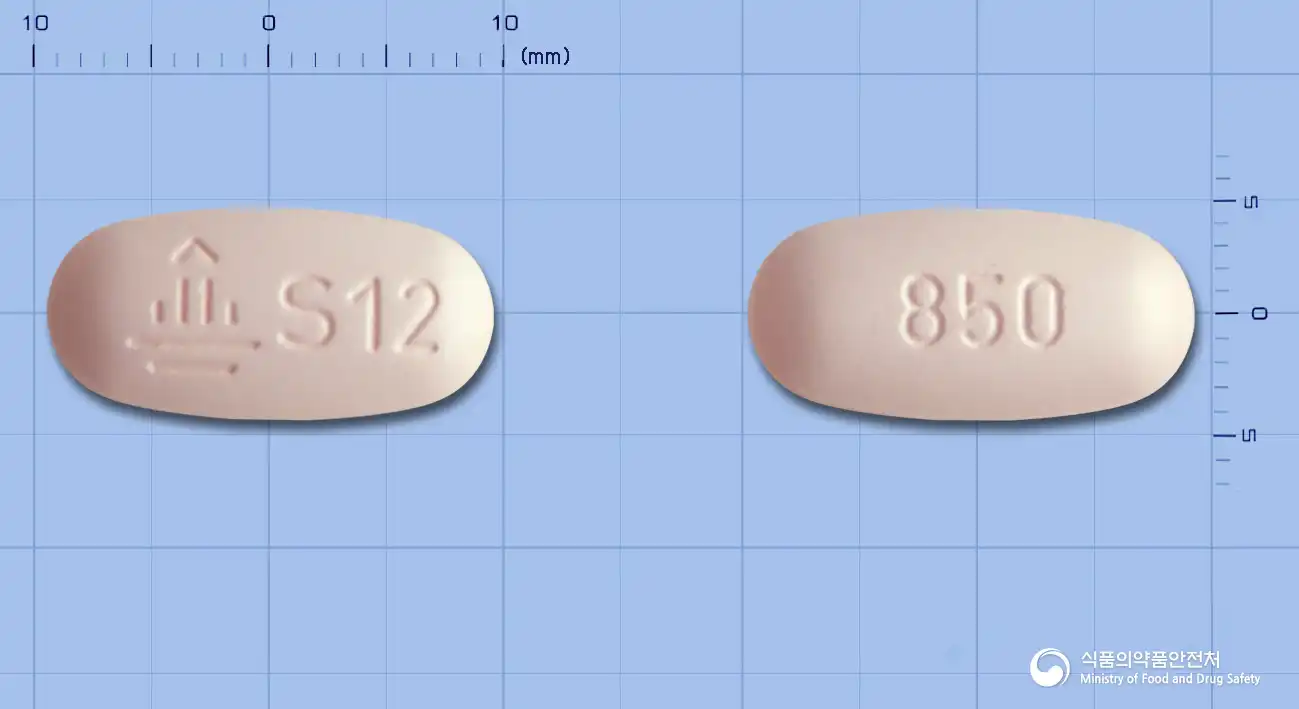
Viewing nowCombinationEmpagmet 12.5/850mg
Empagliflozin 12.5mg · Metformin Hydrochloride 850mg
Tablet · Prescription medication · Combination
Samsung Pharmaceutical Co., Ltd.
MFDS item code 202302734 · Approved 2023.09.12
Blood sugar control for type 2 diabetes and prevention of cardiovascular events
This medication is used in combination of empagliflozin and metformin to improve blood sugar control in adult patients with type 2 diabetes. It is administered as an adjunct to diet and exercise, suitable for patients whose blood sugar is not adequately controlled. Particularly for patients with type 2 diabetes who have cardiovascular diseases, clinical trial information regarding the occurrence of cardiovascular events should be referenced. This medication improves blood sugar control and effectively aids in diabetes management.
The recommended dose of this medication is 1 tablet once, twice daily. The decision should consider each patient's current treatment regimen, efficacy, and tolerability, keeping the maximum recommended daily doses of empagliflozin 25 mg and metformin 2000 mg in mind. Patients who are unable to achieve sufficient blood sugar control with metformin alone or in combination with other medications such as insulin should take empagliflozin 5 mg twice a day (total daily dose 10 mg) along with their usual dose of metformin.
This medication helps control blood sugar. However, it may cause a rare side effect called severe lactic acidosis, and if this symptom occurs, immediate medical attention is necessary. When used in conjunction with other diabetes treatments, severe hypoglycemic symptoms may occasionally occur, requiring caution. Patients with severely reduced kidney function, acute kidney issues, heart failure, or acute myocardial infarction should not use this medication. The use of this medication should be temporarily discontinued before and after tests using radiographic contrast agents, and it should only be resumed after confirming normal kidney function. Patients scheduled for surgery should discontinue this medication 48 hours before surgery and resume only after kidney function has recovered post-surgery. Patients with liver dysfunction or excessive alcohol consumption may have an increased risk of lactic acidosis while on this medication. Women who are pregnant, possibly pregnant, or breastfeeding are advised not to take this medication. During treatment, regular monitoring of kidney function and blood tests should be conducted to check for irregularities. Hypoglycemic symptoms may arise; hence, blood glucose should be closely monitored, especially when taken with insulin or sulfonylurea medications. Urinary tract or genital infections may occur, so if related symptoms arise, immediate consultation with a physician is recommended. Due to the risk of fluid loss, if symptoms of dehydration, diarrhea, or vomiting occur, medical guidance should be sought. If symptoms such as fever, genital pain, swelling, or rash occur during treatment, immediate notification to medical personnel is required, and if severe, medication discontinuation should be considered. This medication is not recommended for children under 18 years of age, and those over 75 years may require dose adjustments and regular testing due to the risk of decreased kidney function. In case of overdose, the risk of lactic acidosis increases; thus, the prescribed dosage should be strictly followed, and if unusual symptoms occur, one should go to the hospital immediately. This medication should be kept out of reach of children and stored in its original container for safety.
Not everyone experiences these, and they can vary from person to person.
This medication should be stored in a tightly closed container to prevent air or moisture from entering. It is best stored at room temperature, between 1 degree and 30 degrees Celsius.
Pink-tinged white, bilaterally convex oval film-coated tablets
10 tablets/box (10 tablets/PTP x 1), 60 tablets/box (10 tablets/PTP x 6), 60 tablets/bottle
Even with the same ingredient, strength, dosage form and how it is taken can differ.
Empagliflozin 12.5mg · Metformin Hydrochloride 850mg
Tablet · Prescription medication · Combination
Samsung Pharmaceutical Co., Ltd.
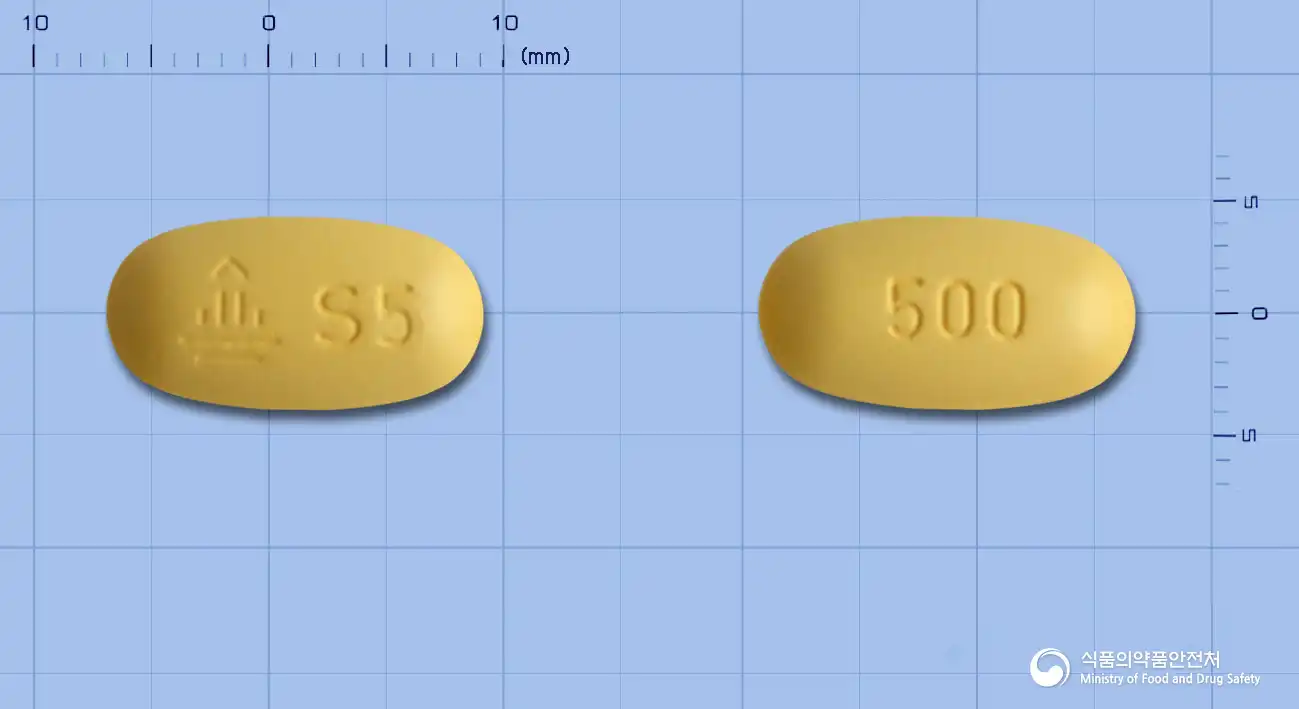 Combination
Empagliflozin 5mg · Metformin Hydrochloride 500mg
Tablet · Prescription medication · Combination
Boehringer Ingelheim Korea Co., Ltd.
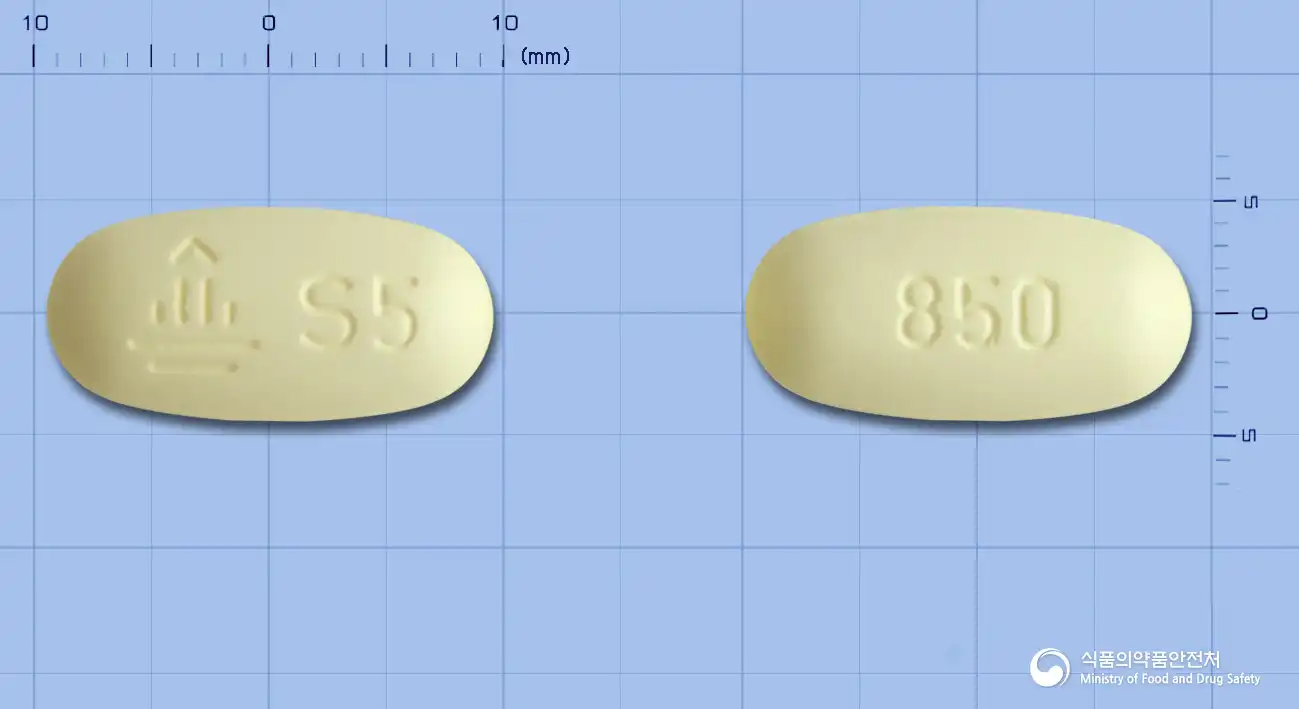 Combination
Empagliflozin 5mg · Metformin Hydrochloride 850mg
Tablet · Prescription medication · Combination
Boehringer Ingelheim Korea Co., Ltd.
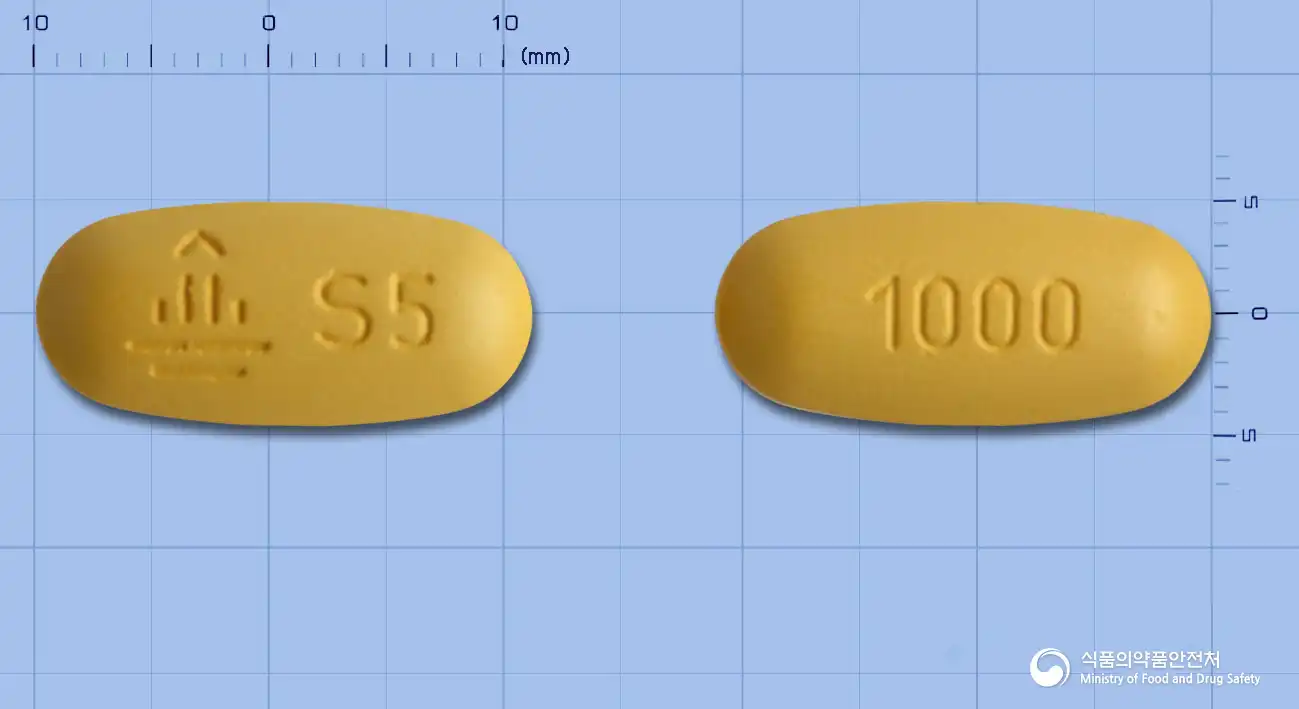 Combination
Empagliflozin 5mg · Metformin Hydrochloride 1000mg
Tablet · Prescription medication · Combination
Boehringer Ingelheim Korea Co., Ltd.
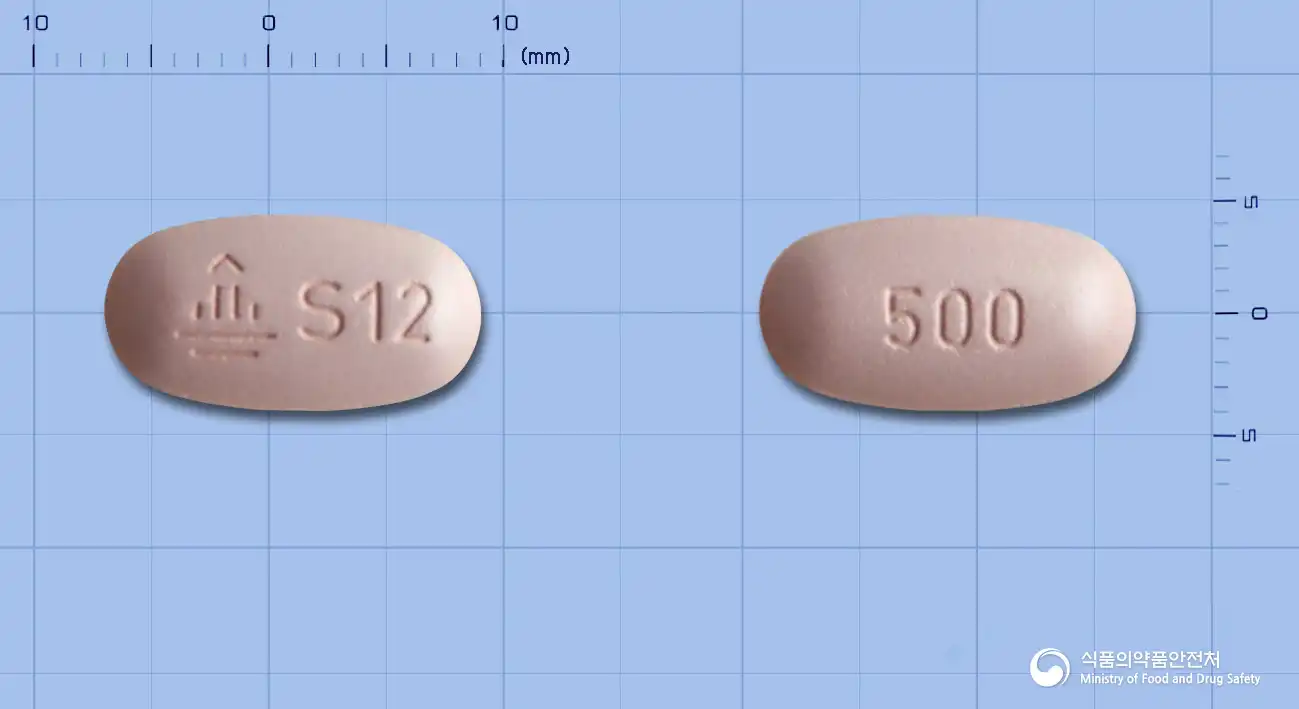 Combination
Empagliflozin 12.5mg · Metformin Hydrochloride 500mg
Tablet · Prescription medication · Combination
Boehringer Ingelheim Korea Co., Ltd.
 Combination
Empagliflozin 12.5mg · Metformin Hydrochloride 850mg
Tablet · Prescription medication · Combination
Boehringer Ingelheim Korea Co., Ltd.
 Combination
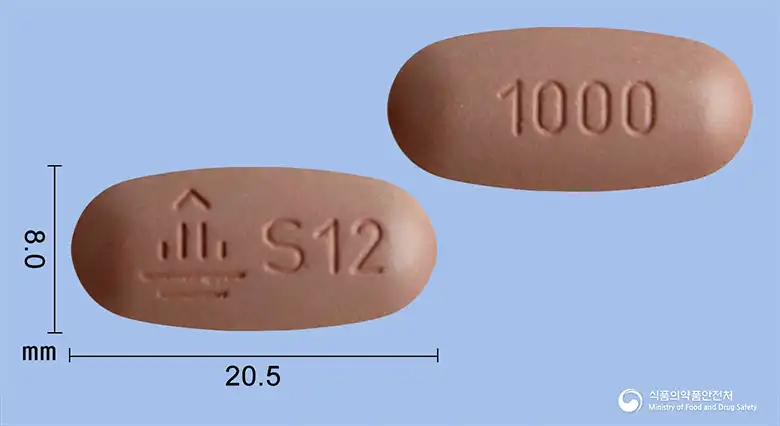
Empagliflozin 12.5mg · Metformin Hydrochloride 1000mg
Tablet · Prescription medication · Combination
Boehringer Ingelheim Korea Co., Ltd.
 Combination
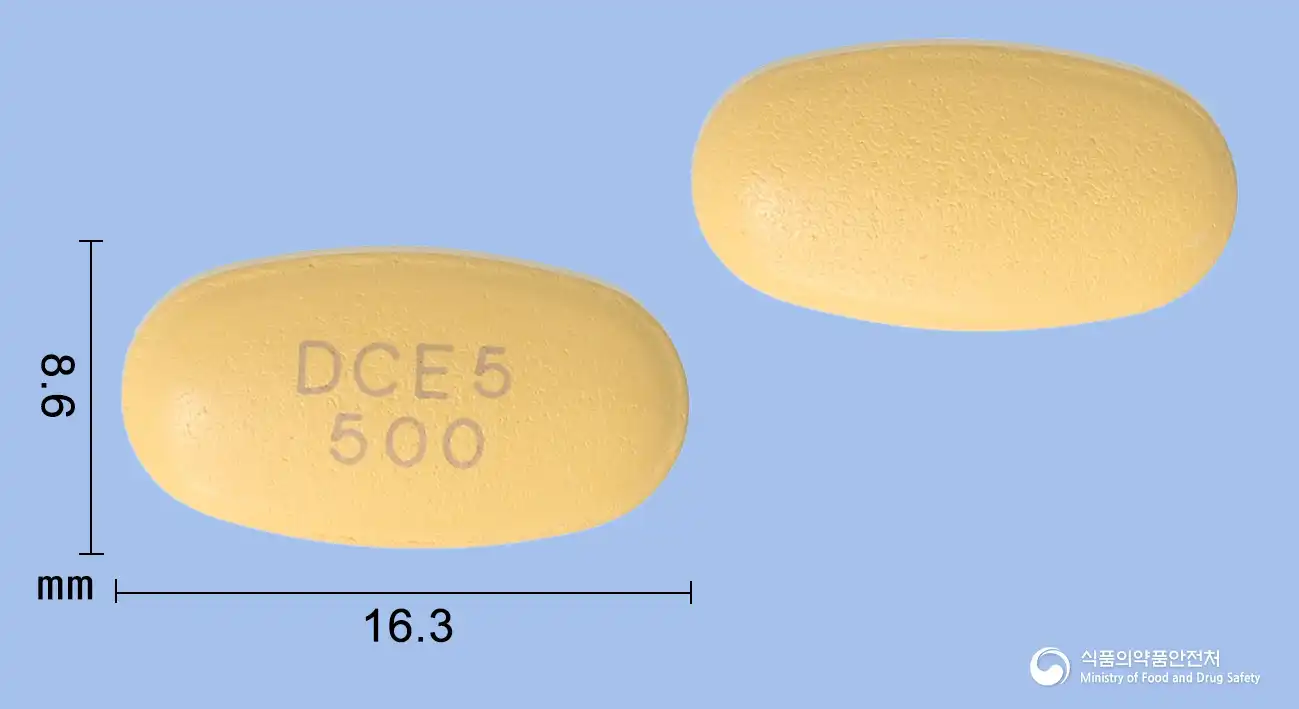
Empagliflozin 5mg · Metformin Hydrochloride 500mg
Tablet · Prescription medication · Combination
Donggu Bio Pharmaceutical Co., Ltd.
Even with the same ingredient, the dose and directions can differ by strength and dosage form. Talk to a doctor or pharmacist before switching from a medication you are already taking.
No questions yet.
For anything that needs medical judgment, consult a doctor or pharmacist.
This drug information is based on data provided by the Korea Ministry of Food and Drug Safety.
Consult a doctor or pharmacist for accurate dosage, administration, and usage instructions.