
 한국어
한국어 English
 日本語
日本語 中文(简体)
Dosage form image
Viewing nowCombinationMPiangDuo Tablet 12.5/850 mg
Empagliflozin 12.5mg · Metformin Hydrochloride 850mg
Tablet · Prescription medication · Combination
Myeongmun Pharmaceutical Co., Ltd.
MFDS item code 202302725 · Approved 2023.09.12
Blood sugar control in type 2 diabetes and prevention of cardiovascular events
This medication is used to help control blood sugar in adult patients with type 2 diabetes who require combination therapy with empagliflozin and metformin. It serves as an adjunct to diet and exercise to effectively manage blood sugar levels. It is particularly suitable for patients with cardiovascular disease, and safety-related precautions can be confirmed through professional guidelines according to clinical trial results. For these reasons, this medication plays an important role in diabetes treatment by helping control blood sugar and reduce cardiovascular risks.
The recommended dosage of this medication is 1 tablet, twice a day. Dosage is determined within the limits of the maximum recommended daily dosages of empagliflozin 25 mg and metformin 2000 mg. For patients on metformin alone or in combination with insulin or other medications, recommended dosages are 5 mg of empagliflozin twice a day (total daily dose of 10 mg) along with the current dose of metformin. Tolerance is assessed, and if additional glycemic control is necessary, dosage can be increased to empagliflozin 25 mg (total daily dose) if tolerance to empagliflozin 10 mg (total daily dose) is good. Patients switching to this medication from combination therapy with empagliflozin (10 mg or 25 mg total daily dose) and metformin will be given their existing doses of empagliflozin and metformin. When this medication is combined with sulfonylureas or insulin, dosage reductions for sulfonylureas or insulin should be considered to reduce the risk of hypoglycemia (refer to specific usage precautions for adverse reactions and interactions). This medication should be taken with meals to reduce gastrointestinal side effects related to metformin. If a dose is missed, it should be taken as soon as remembered. However, never take twice the dose at once; in such cases, the missed dose should be skipped. Special Populations: Renal Impairment Patients: Dosage adjustments are not needed for patients with mild renal impairment. Since this medication contains metformin, in patients with an estimated glomerular filtration rate (eGFR) of 45-59 ml/min/1.73m2 or a CrCl of 45-59 ml/min, it can be used with caution if accompanied by no other symptoms that increase the risk of lactic acidosis. The starting dose of metformin in these patients is 500 mg or 850 mg once daily, so therapy should begin with separate dosing of empagliflozin and metformin. The maximum daily dose of metformin hydrochloride that can be administered with this medication is 1000 mg, given as 500 mg twice daily. Renal function should be carefully monitored every 3-6 months (refer to specific usage precautions for those patients indicated for cautious administration). If CrCl < 45 ml/min or eGFR < 45 ml/min/1.73m2, this medication should be discontinued immediately (refer to specific usage precautions for patients indicated as contraindicated). Elderly: Patients aged 75 years and older should consider the risks of renal function decline and fluid loss.
This medication is used for diabetes treatment and helps control blood sugar. While taking this medication, caution is needed due to the risk of rare side effects, such as severe lactic acidosis. Lactic acidosis can result in excessive buildup of lactic acid in the body, leading to a dangerous condition, which could be life-threatening if severe. Additionally, when taken with insulin or other diabetes medications, there is a risk of hypoglycemia, which means blood sugar levels may become too low. This medication should not be administered to patients with moderate to severe renal impairment, patients with severely compromised liver function, patients in acute infection or dehydration states, or women who are pregnant or breastfeeding. Prior to exams using iodine contrast agents, this medication should be temporarily discontinued, and should only be resumed after confirming normal kidney function post-examination. In cases of surgery, this medication should also be stopped 48 hours before the procedure and only resumed after confirming normal kidney function recovery post-surgery. Careful observation for symptoms of dehydration or hypotension is required in patients at risk of fluid loss or in the elderly. Increased urination, urinary tract infection, or genital infection symptoms may occur during treatment, and if such symptoms persist, consultation with a physician is advised. This medication may lower vitamin B12 levels, so regular blood tests for monitoring are recommended. Alcohol consumption may increase the risk of lactic acidosis, so excessive drinking should be avoided during treatment. If any unusual symptoms or discomfort occur during the course of treatment, immediate notification to medical personnel is necessary, especially if symptoms of lactic acidosis or ketoacidosis arise (fatigue, muscle pain, shortness of breath, abdominal pain, etc.), as prompt medical attention is required. Finally, this medication is not recommended for children and adolescents under 18 years of age, as safety and efficacy have not been established in this age group.
Hives, severe swelling (edema), angioedema, chest tightness, shortness of breath, pallor, severe allergic reactions, severe rashes, blisters, skin peeling, pain of mucous membranes in the mouth/eyes, severe cutaneous adverse reactions, asthma attacks, respiratory abnormalities accompanied by cough and fever, yellowing of the skin or eyes (jaundice), extreme lethargy, liver dysfunction (jaundice), sudden and very severe headaches, thunderclap headache, seizures, confusion.
Not everyone experiences these, and they can vary from person to person.
This medication should be stored in a tightly closed container to protect it from air and moisture. It is important to maintain the storage temperature between 1 and 30 degrees Celsius.
Pink-tinted white, oval biconvex film-coated tablet
60 tablets/box [(10 tablets/PTP x 6)], 10 tablets/box [(10 tablets/PTP x 1)], 60 tablets/bottle
Even with the same ingredient, strength, dosage form and how it is taken can differ.
Empagliflozin 12.5mg · Metformin Hydrochloride 850mg
Tablet · Prescription medication · Combination
Myeongmun Pharmaceutical Co., Ltd.
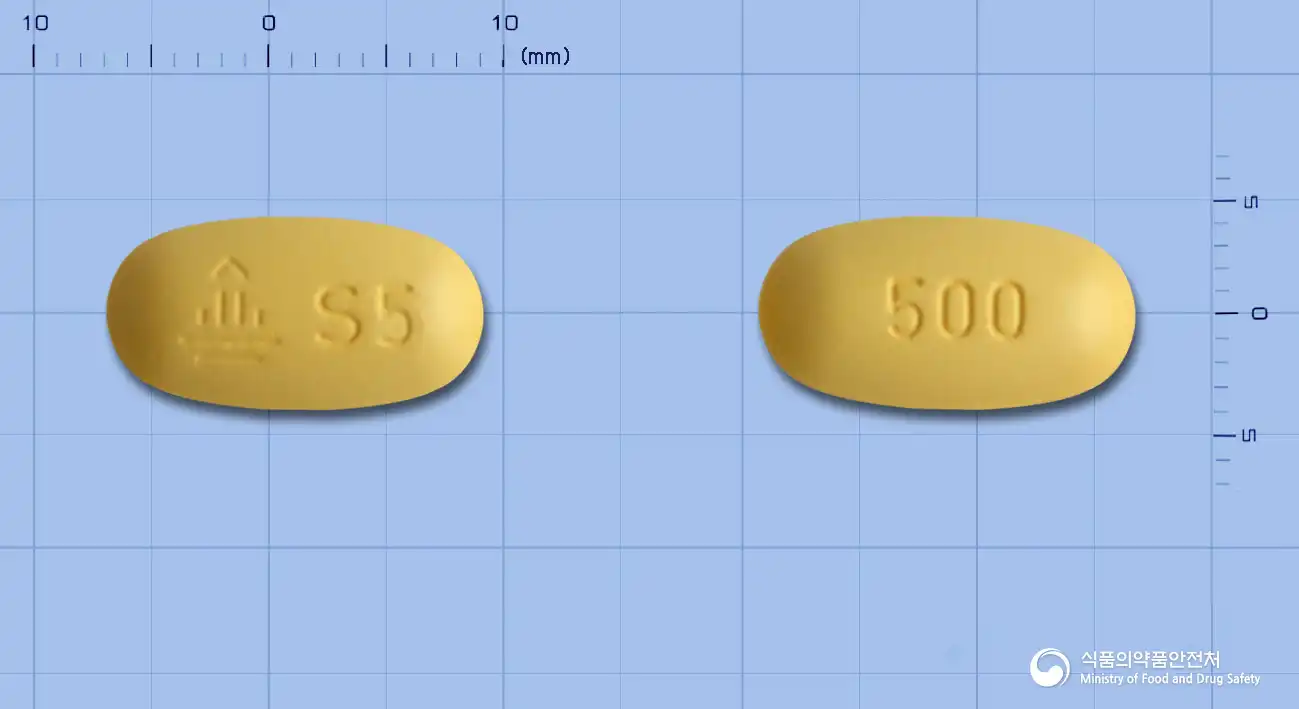 Combination
Empagliflozin 5mg · Metformin Hydrochloride 500mg
Tablet · Prescription medication · Combination
Boehringer Ingelheim Korea Co., Ltd.
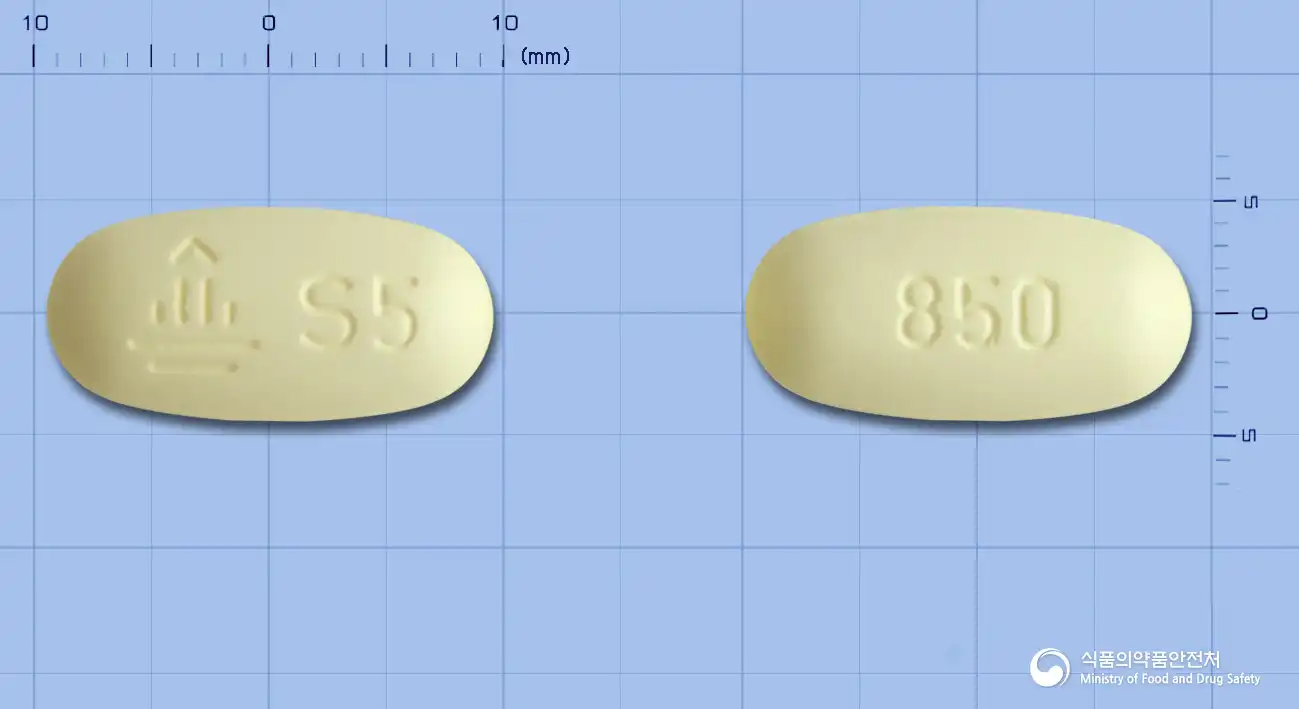 Combination
Empagliflozin 5mg · Metformin Hydrochloride 850mg
Tablet · Prescription medication · Combination
Boehringer Ingelheim Korea Co., Ltd.
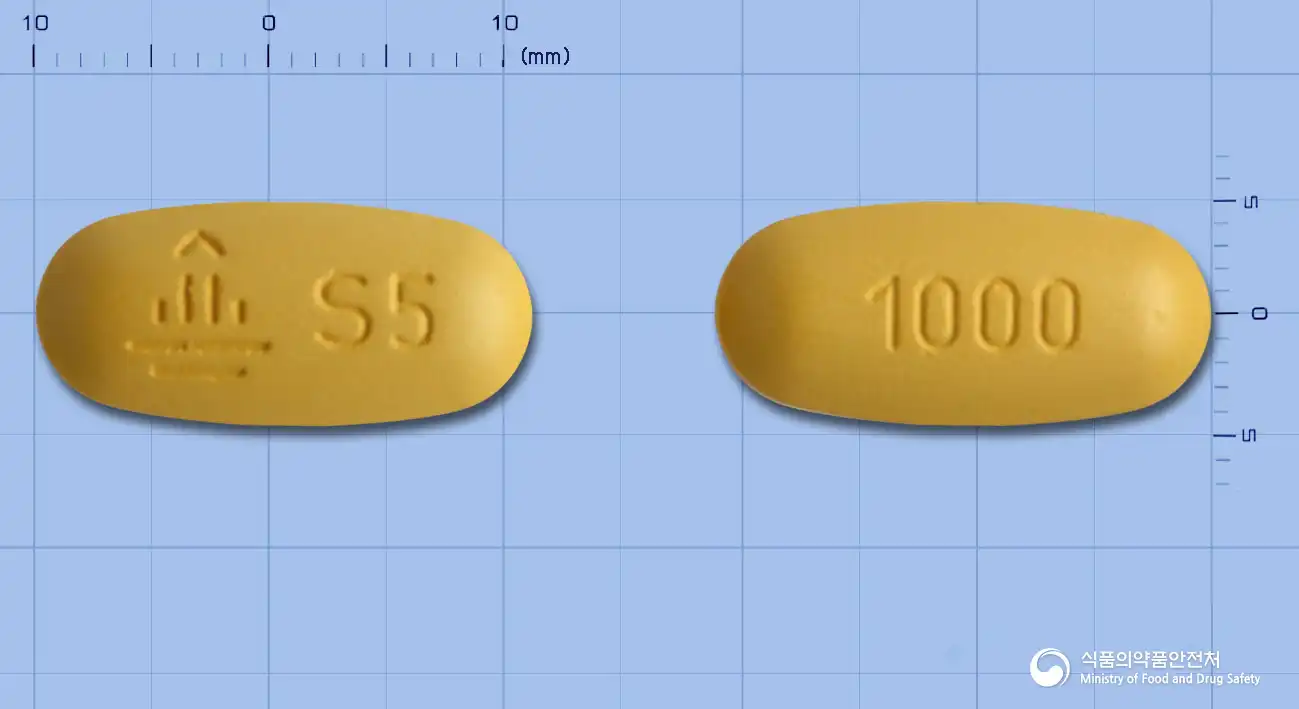 Combination
Empagliflozin 5mg · Metformin Hydrochloride 1000mg
Tablet · Prescription medication · Combination
Boehringer Ingelheim Korea Co., Ltd.
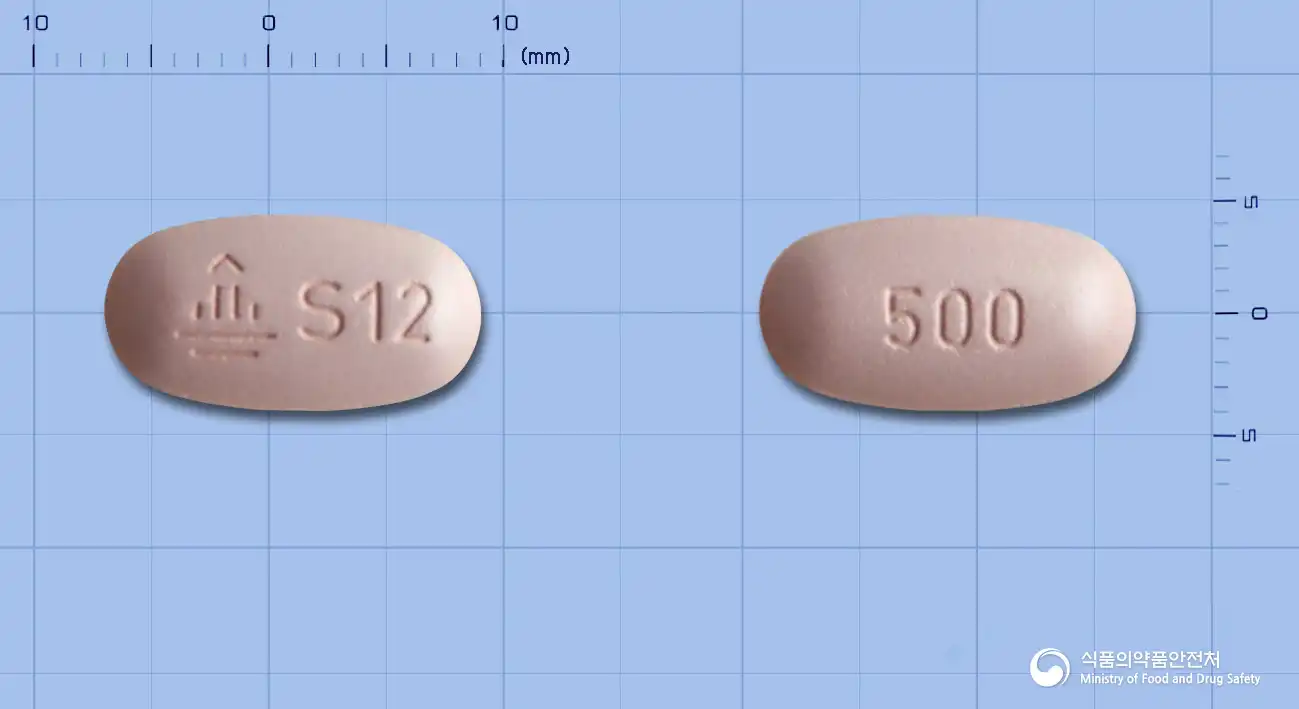 Combination
Empagliflozin 12.5mg · Metformin Hydrochloride 500mg
Tablet · Prescription medication · Combination
Boehringer Ingelheim Korea Co., Ltd.
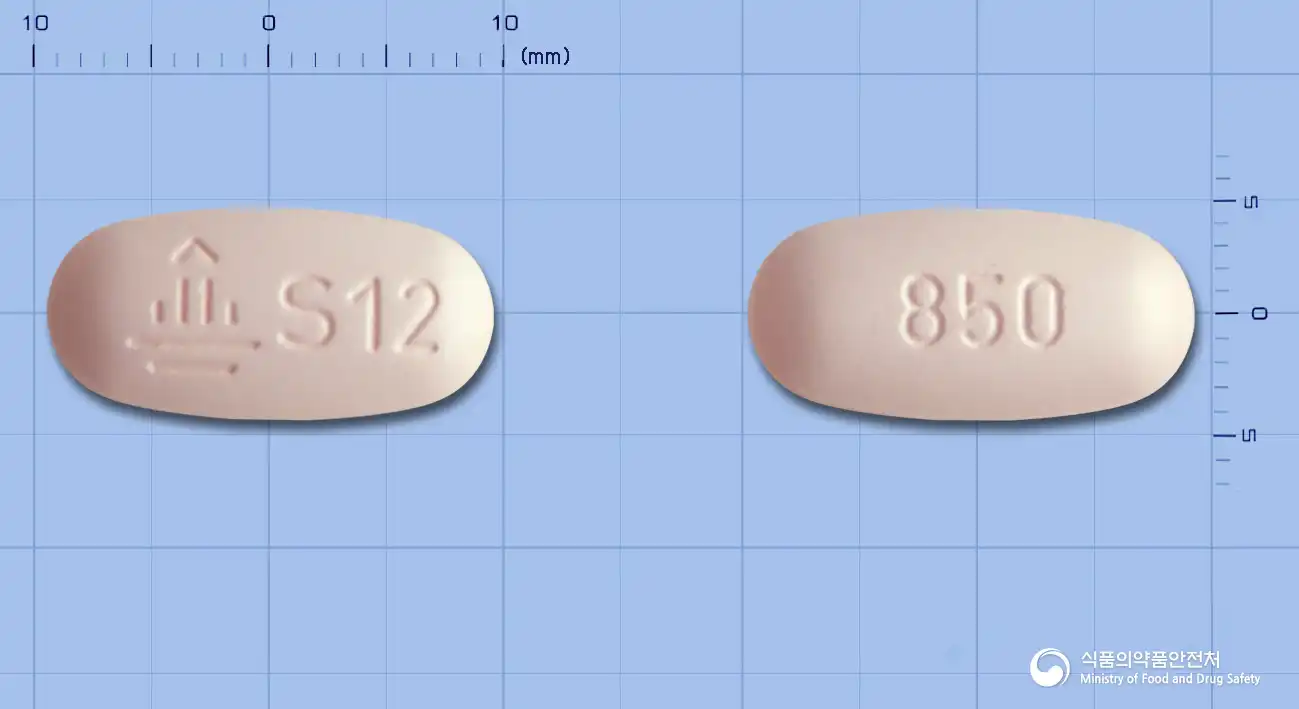 Combination
Empagliflozin 12.5mg · Metformin Hydrochloride 850mg
Tablet · Prescription medication · Combination
Boehringer Ingelheim Korea Co., Ltd.
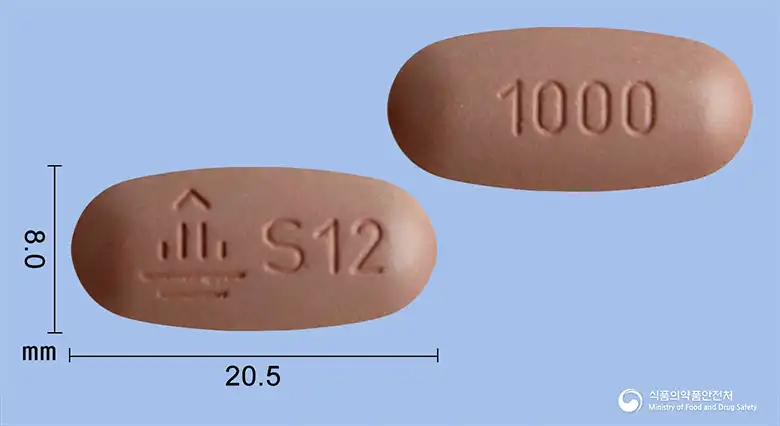 Combination
Empagliflozin 12.5mg · Metformin Hydrochloride 1000mg
Tablet · Prescription medication · Combination
Boehringer Ingelheim Korea Co., Ltd.
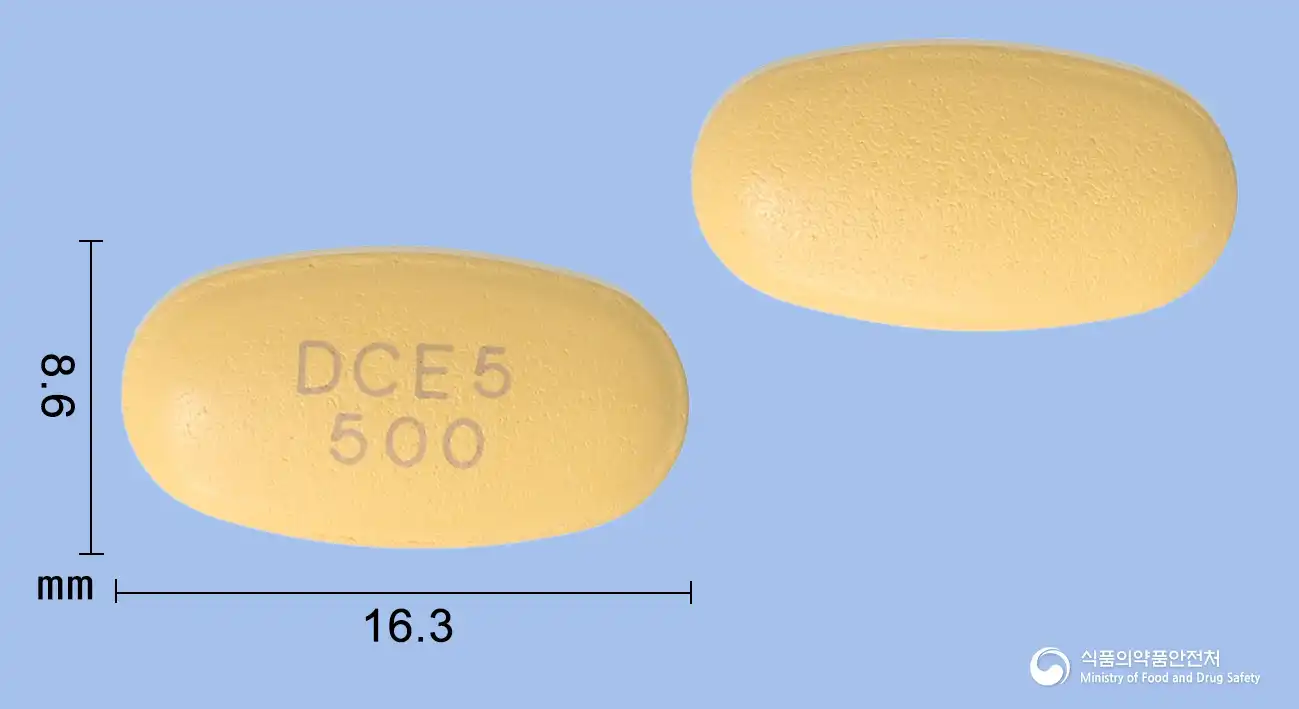 Combination
Empagliflozin 5mg · Metformin Hydrochloride 500mg
Tablet · Prescription medication · Combination
Donggu Bio Pharmaceutical Co., Ltd.
Even with the same ingredient, the dose and directions can differ by strength and dosage form. Talk to a doctor or pharmacist before switching from a medication you are already taking.
No questions yet.
For anything that needs medical judgment, consult a doctor or pharmacist.
This drug information is based on data provided by the Korea Ministry of Food and Drug Safety.
Consult a doctor or pharmacist for accurate dosage, administration, and usage instructions.