
 한국어
한국어 English
 日本語
日本語 中文(简体)
 Viewing nowCombination
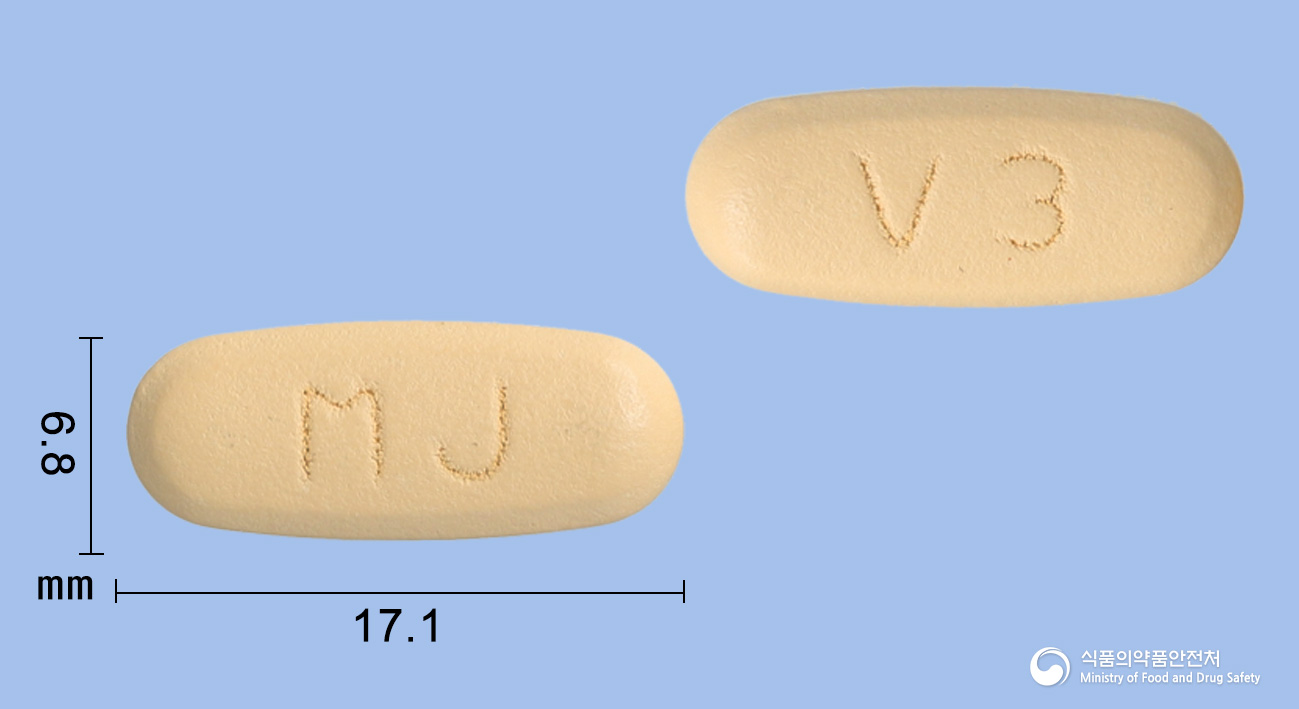
Vildaduo M Tablets 50/500 mg (Vildagliptin, Metformin Hydrochloride)
Vildagliptin 50mg · Metformin Hydrochloride 500mg
Tablet · Prescription medication · Combination
Mothers Pharmaceutical Co., Ltd.
MFDS item code 202302531 · Approved 2023.08.25 · Insurance code 622805130
Improvement in blood sugar control in type 2 diabetes
This medication is used to assist patients with type 2 diabetes in controlling their blood sugar when taken in combination with vildagliptin and metformin. It helps manage blood sugar effectively when combined with dietary control and exercise therapy. This stabilization helps in managing diabetes.
The dosage of this medication should be individualized based on efficacy and tolerability, with a maximum of 100 mg of vildagliptin and 2000 mg of metformin. A dose of vildagliptin greater than 100 mg per day is not recommended. Taking the medication with food or immediately after a meal may reduce gastrointestinal side effects due to metformin. 1. For patients with no prior experience of diabetes medication treatment and insufficient glycemic control with monotherapy: The initial dose is 50/500 mg taken once daily, gradually increasing to 50/1000 mg taken twice daily, with one tablet each time. 2. For patients transitioning from combination therapy of vildagliptin and metformin: Patients switching from combination therapy of vildagliptin and metformin can start with the previous doses of vildagliptin and metformin. Studies evaluating the safety and efficacy of transitioning from other oral hypoglycemic agents to this medication have not been conducted. Any changes in the diabetes treatment regimen can affect blood sugar control, so careful monitoring is necessary. If a dose is missed, unless it is time for the next dose, take it with the next meal and do not take double the dose to compensate for the missed one. Patients with liver dysfunction: This medication is not recommended for patients with clinical or laboratory evidence of liver impairment, including those with ALT or AST levels exceeding 2.5 times the normal upper limit before administration.
This medication is used for the treatment of diabetes and contains two active ingredients. You must confirm that kidney function is normal before taking this medication, and patients with severely impaired kidney function should not take this medication. Additionally, patients whose kidney function is compromised due to severe heart failure, acute myocardial infarction, sepsis, etc., should avoid taking this medication. This medication can cause a serious side effect known as lactic acidosis, which is a condition characterized by increased blood lactate levels and acidosis. Though rare, it can be fatal, so caution is required. Particularly, if dehydration, severe diarrhea, vomiting, or fever occurs, this medication should be stopped immediately, and medical consultation should be sought. Patients with liver dysfunction should also avoid taking this medication, and regular liver function tests should be conducted during treatment. This medication can cause hypoglycemia, so extra caution is necessary in cases of irregular or insufficient food intake, vigorous exercise, or when taken with other blood sugar-lowering agents. Pregnant or nursing women should not take this medication, and its use is not recommended for children or teenagers under 18 years old. Elderly patients may have decreased kidney function, so it is important to check kidney function before use and monitor regularly. Patients scheduled for surgery should stop taking this medication 48 hours prior to surgery and should only resume after confirming that kidney function is normal post-surgery. Excessive alcohol consumption increases the risk of lactic acidosis; therefore, alcohol should be avoided during treatment with this medication. Moreover, this medication may interact with other drugs, so patients taking other medications should inform their physician or pharmacist. If abnormal symptoms occur during treatment, such as abdominal pain, shortness of breath, muscle pain, weakness, hypothermia, or changes in consciousness, immediate consultation with medical personnel is needed. This medication is not for patients with type 1 diabetes who require insulin treatment. Lastly, this medication should be stored out of reach of children, and changing the container is not safe.
Hives, angioedema, hepatitis, blisters, exfoliative skin lesions, bullous pemphigoid, severe allergic reactions, severe skin adverse reactions, liver abnormalities (jaundice), lactic acidosis, acute pancreatitis, severe joint pain with complications and disabilities, bullous pemphigoid, difficulty breathing, severe edema, or urinary issues
Not everyone experiences these, and they can vary from person to person.
This medication should be stored in a sealed container to prevent exposure to air or moisture and kept in a cool place below 30 degrees Celsius. Storing it this way will help maintain the medication's effectiveness for a longer time.
Bright yellow oval film-coated tablets
Bottle - 30 tablets/bottle, Bottle - 100 tablets/bottle
Even with the same ingredient, strength, dosage form and how it is taken can differ.
Viewing nowCombinationVildagliptin 50mg · Metformin Hydrochloride 500mg
Tablet · Prescription medication · Combination
Mothers Pharmaceutical Co., Ltd.
 Combination
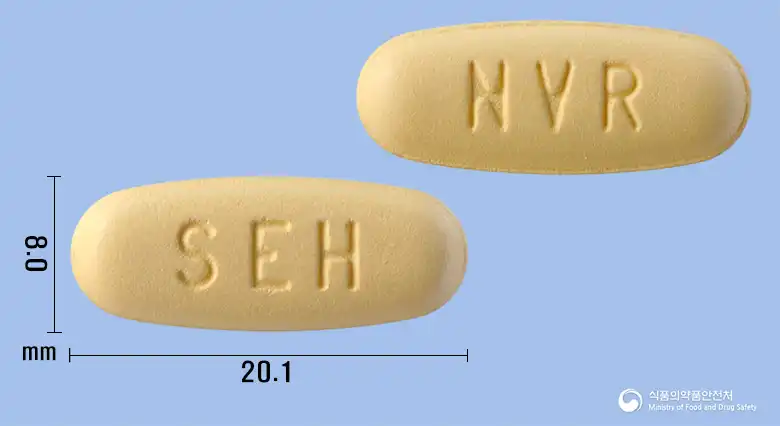
Vildagliptin 50mg · Metformin Hydrochloride 850mg
Tablet · Prescription medication · Combination
Korea Novartis Co., Ltd.
 Combination
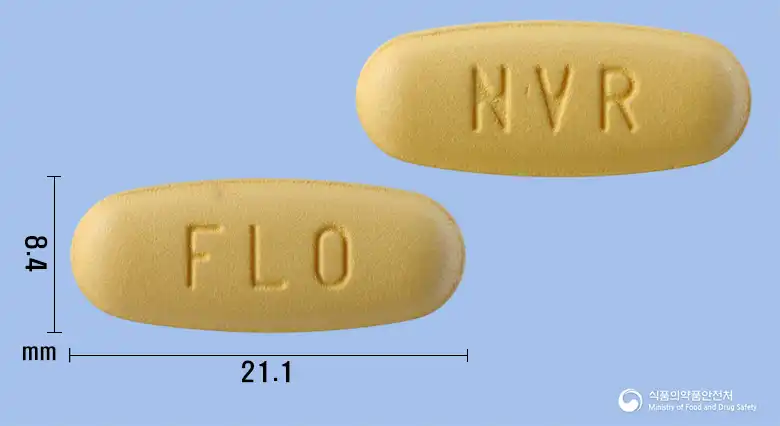
Vildagliptin 50mg · Metformin Hydrochloride 1000mg
Tablet · Prescription medication · Combination
Novartis Korea Co., Ltd.
 Combination
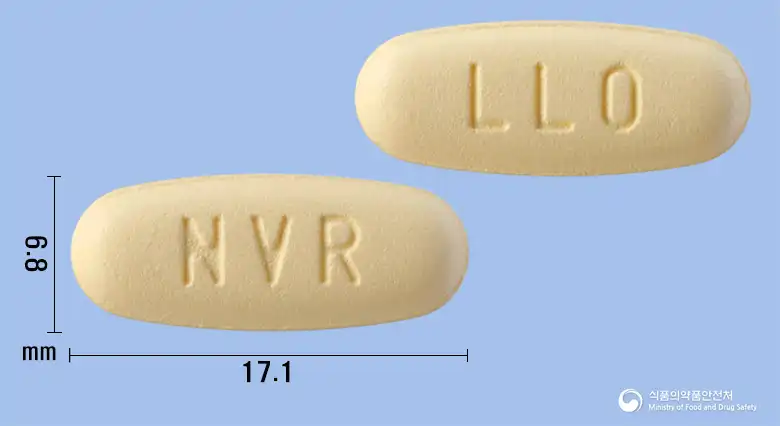
Vildagliptin 50mg · Metformin Hydrochloride 500mg
Tablet · Prescription medication · Combination
Novartis Korea Co., Ltd.
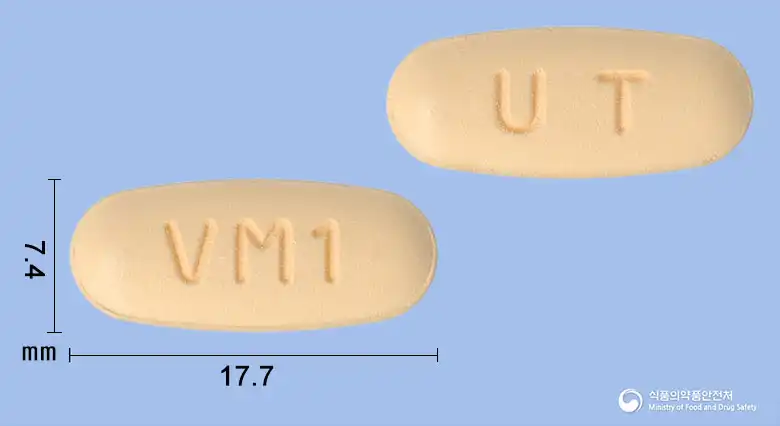 Combination
Vildagliptin 50mg · Metformin Hydrochloride 500mg
Tablet · Prescription medication · Combination
Korea United Pharm, Co., Ltd.
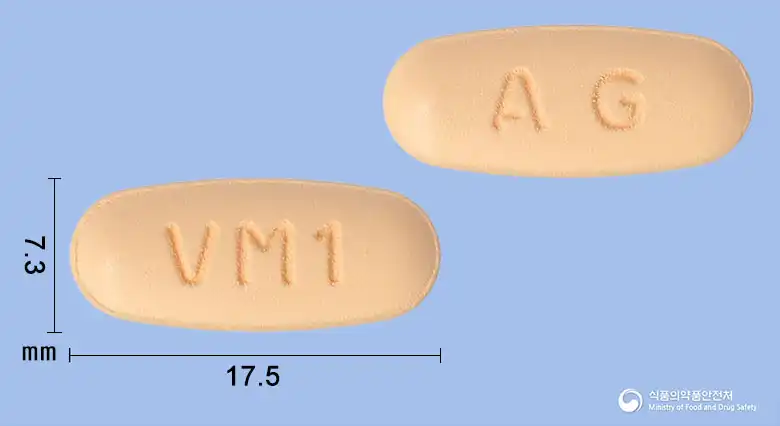 Combination
Vildagliptin 50mg · Metformin Hydrochloride 500mg
Tablet · Prescription medication · Combination
Ahn-Guk Pharmaceutical Co., Ltd.
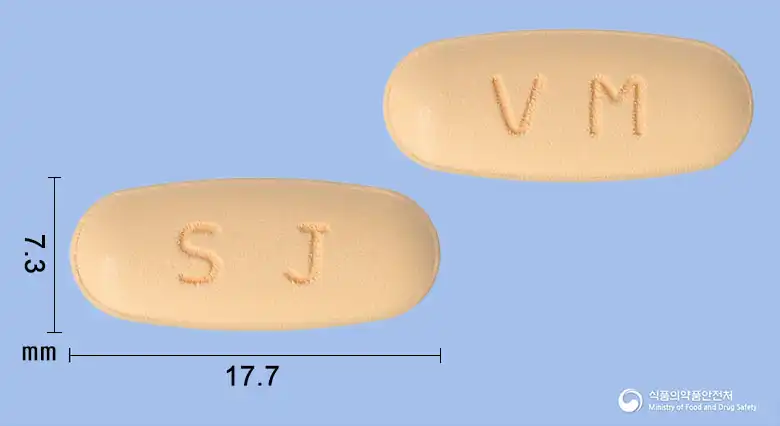 Combination
Vildagliptin 50mg · Metformin Hydrochloride 500mg
Tablet · Prescription medication · Combination
Samjin Pharmaceutical Co., Ltd.
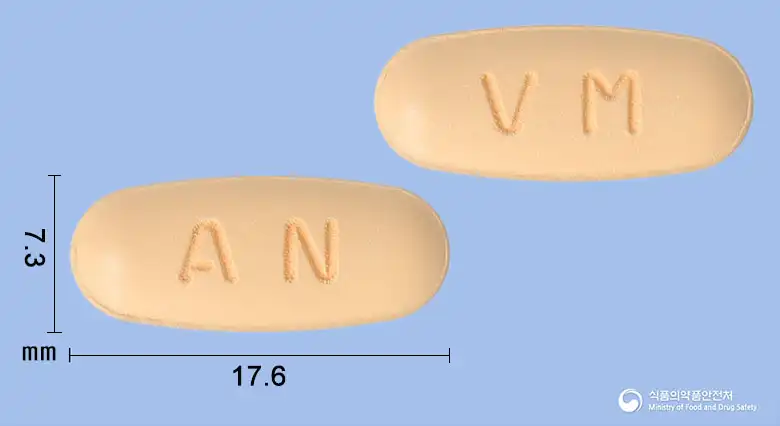 Combination
Vildagliptin 50mg · Metformin Hydrochloride 500mg
Tablet · Prescription medication · Combination
AhnGuk NewPharm Co., Ltd.
Even with the same ingredient, the dose and directions can differ by strength and dosage form. Talk to a doctor or pharmacist before switching from a medication you are already taking.
No questions yet.
For anything that needs medical judgment, consult a doctor or pharmacist.
This drug information is based on data provided by the Korea Ministry of Food and Drug Safety.
Consult a doctor or pharmacist for accurate dosage, administration, and usage instructions.