
 한국어
한국어 English
 日本語
日本語 中文(简体)
 Viewing nowCombination
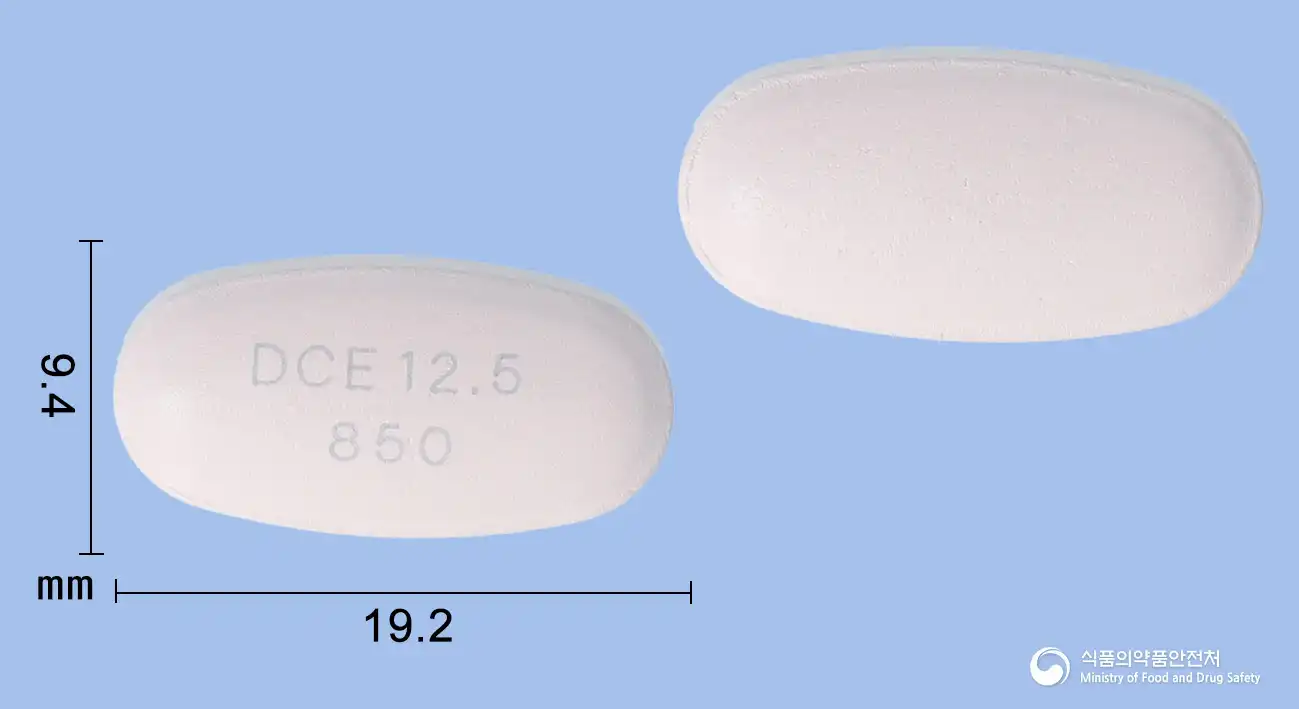
Empag Duo Tablet 12.5/850 mg (Empagliflozin, Metformin Hydrochloride)
Empagliflozin 12.5mg · Metformin Hydrochloride 850mg
Tablet · Prescription medication · Combination
Dongwoo Bio Pharmaceutical Co., Ltd.
MFDS item code 202302303 · Approved 2023.07.31 · Insurance code 657309100
Blood sugar control in type 2 diabetes and prevention of cardiovascular events
This medication is used as an adjunct to diet and exercise to improve blood sugar control in adults with type 2 diabetes. It is particularly used in patients whose blood sugar is not adequately controlled with diet and exercise alone. Empagliflozin is used in combination with Metformin for these patients. Also, in patients with cardiovascular disease, caution is needed regarding the risk of cardiovascular events; hence, the use should be guided by a healthcare professional. This medication aids in diabetes treatment through effective blood sugar management.
The recommended dose of this medication is 1 tablet once or twice a day. It should be determined based on the current therapeutic regimen, effectiveness, and tolerance of each patient, ensuring it does not exceed a dosage of 25 mg of Empagliflozin and 2000 mg of Metformin. For patients who cannot achieve sufficient blood sugar control with Metformin alone or in combination with other medications such as insulin, the recommended dose is 5 mg of Empagliflozin 2 times a day (total daily dose of 10 mg).
This medication can cause rare but serious side effects such as severe lactic acidosis, therefore it should not be used by patients at high risk of this condition. Caution is needed as low blood sugar may occur when used with other diabetes medications. Patients with moderate to severe renal impairment or acute kidney issues should not take this medication. It should also not be used during acute conditions such as severe infections, heart failure, or acute myocardial infarction. Patients undergoing tests with radiocontrast containing iodine must discontinue this medication for a certain period before and after the test, and resume only after confirming normal kidney function. Women who are pregnant or breastfeeding should not take this medication. Elderly patients or those with reduced kidney function should have regular kidney function tests before and during treatment, and should exercise extra caution if there is a risk of fluid loss. This medication may increase the risk of urinary and genital infections, and patients should consult a healthcare professional immediately if symptoms appear. Symptoms of low blood sugar may arise, especially when used in combination with insulin or sulfonylurea medications; therefore, blood glucose levels should be monitored carefully. Long-term use may result in vitamin B12 deficiency, so it is advisable to check serum vitamin B12 levels periodically. Alcohol intake may increase the risk of lactic acidosis; hence, excessive drinking should be avoided during treatment. If fever, genital pain, swelling, or other symptoms occur during treatment, there is a possibility of severe infections such as perineal necrotizing fasciitis, and healthcare professionals must be informed immediately. Patients scheduled for surgery or those with acute illnesses making oral intake difficult should discontinue this medication 48 hours prior to surgery and resume only after kidney function has returned to normal. Blood glucose control should be regularly monitored during treatment, and any unusual symptoms should be reported to a healthcare professional immediately.
Hives, angioedema, urinary sepsis, pyelonephritis, perineal necrotizing fasciitis, lactic acidosis, ketoacidosis, severe rash accompanied by fever, blistering, skin peeling, pain in mucous membranes of mouth/eyes, difficulty breathing or shortness of breath, asthma attacks, respiratory distress accompanied by cough and fever, jaundice of skin or eyes, extreme fatigue, sudden and severe headache, thunderclap headache, seizures, confusion, visual disturbances, paralysis, changes in urine output.
Not everyone experiences these, and they can vary from person to person.
This medication should be stored in a tightly sealed container to protect it from air and moisture, at room temperature between 1 and 30 degrees Celsius. This storage will help maintain the effectiveness of the drug.
Pinkish white, biconvex, oval-shaped film-coated tablet
60 tablets/box [10 tablets/PTP x 6], 10 tablets/box [10 tablets/PTP x 1], 30 tablets/bottle, 60 tablets/bottle
Even with the same ingredient, strength, dosage form and how it is taken can differ.
Viewing nowCombinationEmpagliflozin 12.5mg · Metformin Hydrochloride 850mg
Tablet · Prescription medication · Combination
Dongwoo Bio Pharmaceutical Co., Ltd.
 Combination
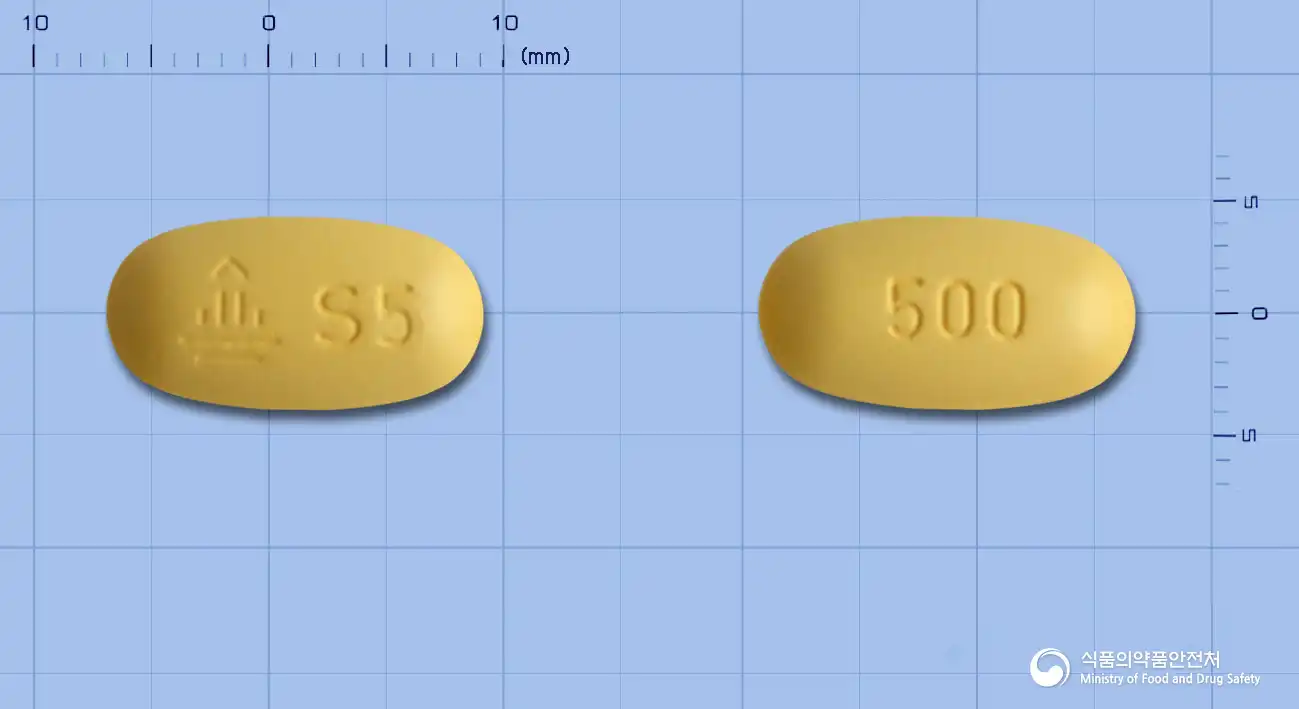
Empagliflozin 5mg · Metformin Hydrochloride 500mg
Tablet · Prescription medication · Combination
Boehringer Ingelheim Korea Co., Ltd.
 Combination
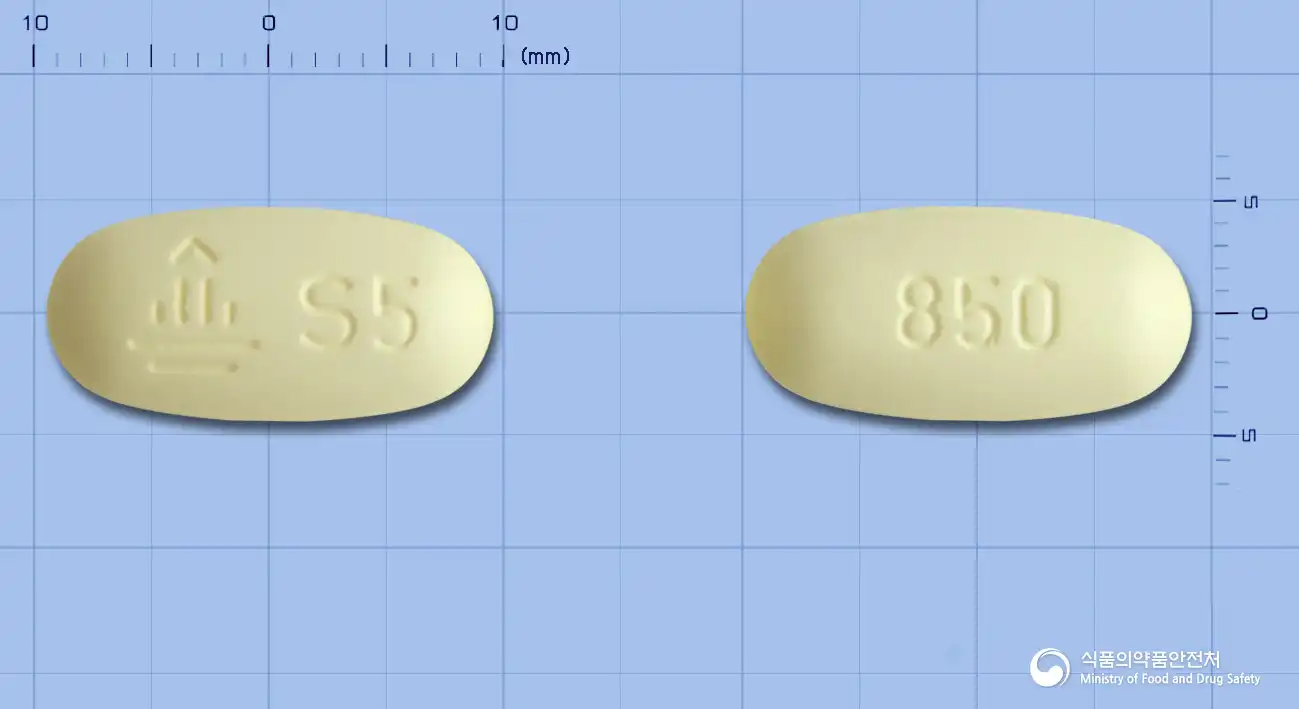
Empagliflozin 5mg · Metformin Hydrochloride 850mg
Tablet · Prescription medication · Combination
Boehringer Ingelheim Korea Co., Ltd.
 Combination
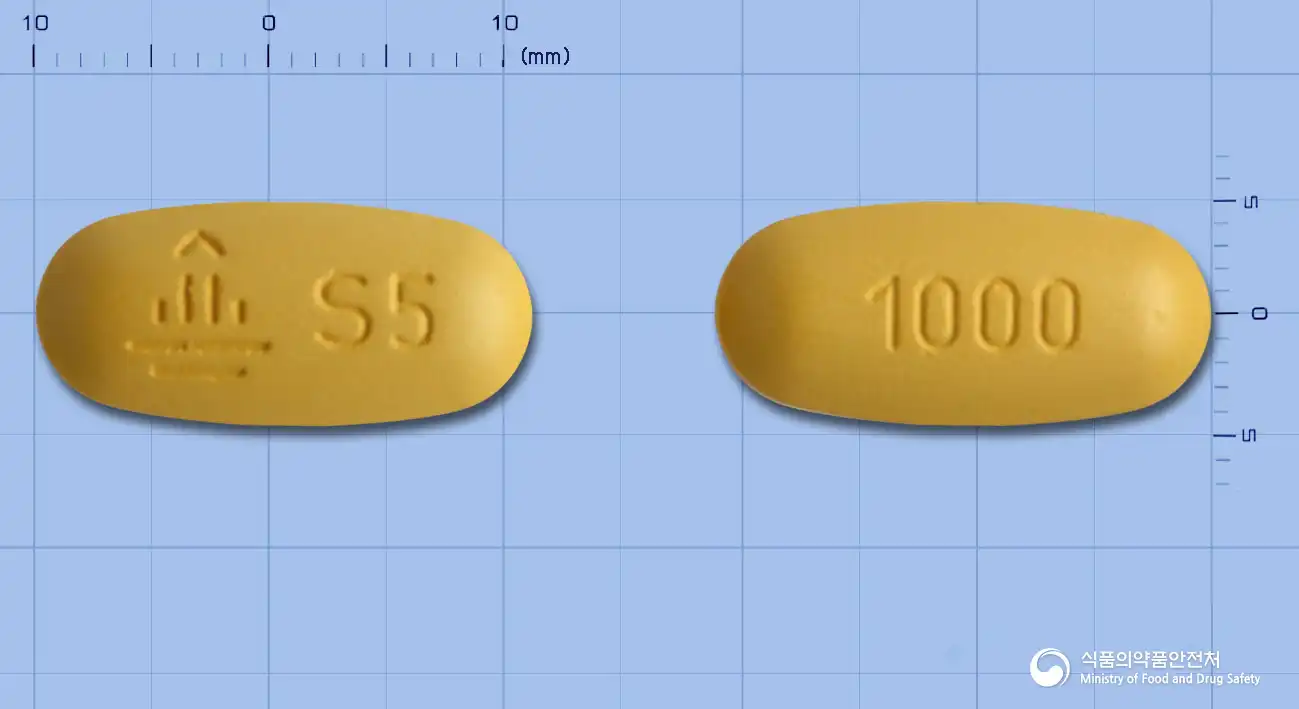
Empagliflozin 5mg · Metformin Hydrochloride 1000mg
Tablet · Prescription medication · Combination
Boehringer Ingelheim Korea Co., Ltd.
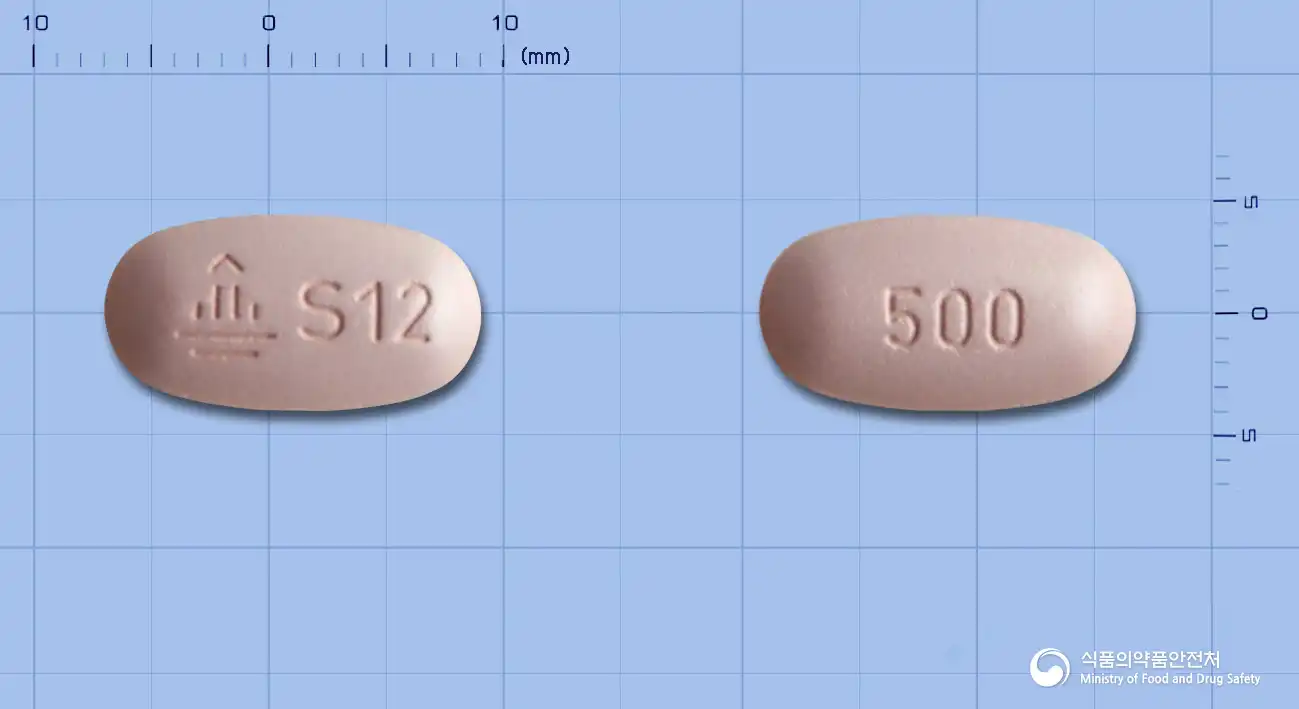 Combination
Empagliflozin 12.5mg · Metformin Hydrochloride 500mg
Tablet · Prescription medication · Combination
Boehringer Ingelheim Korea Co., Ltd.
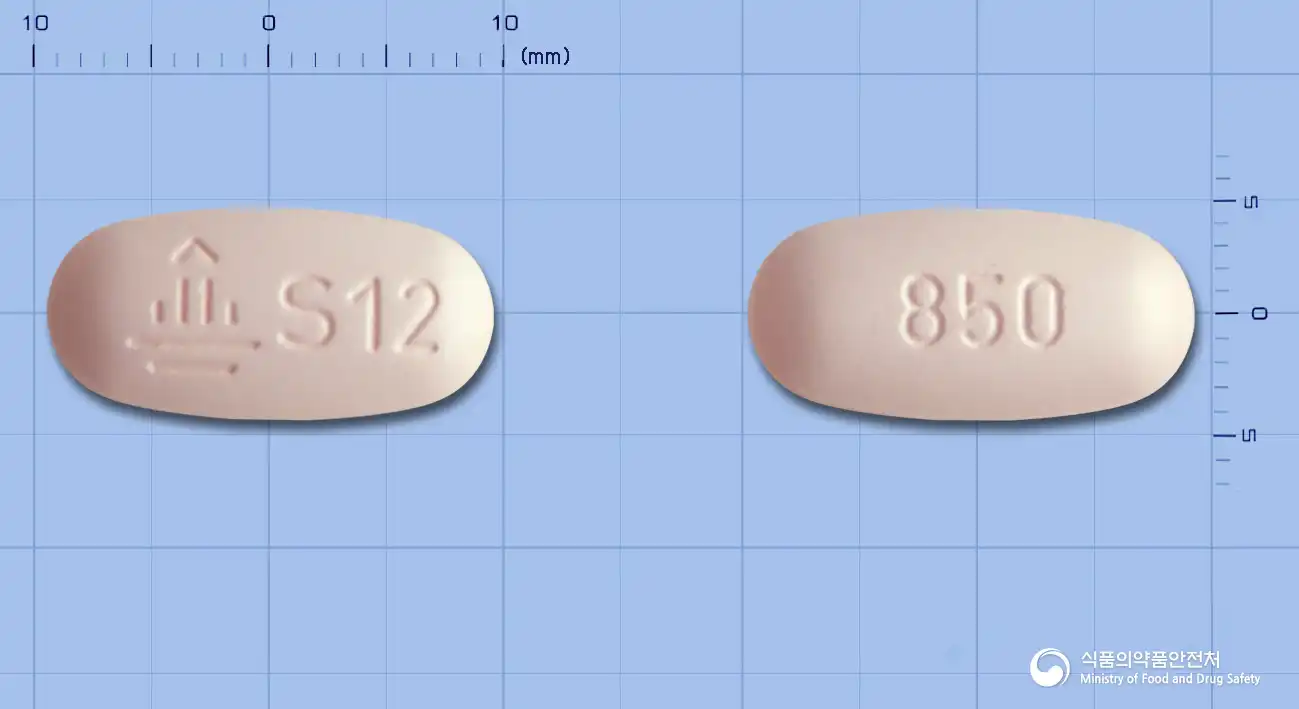 Combination
Empagliflozin 12.5mg · Metformin Hydrochloride 850mg
Tablet · Prescription medication · Combination
Boehringer Ingelheim Korea Co., Ltd.
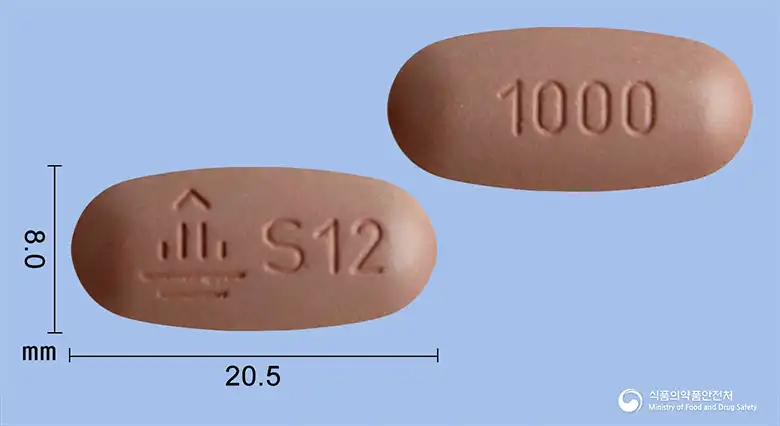 Combination
Empagliflozin 12.5mg · Metformin Hydrochloride 1000mg
Tablet · Prescription medication · Combination
Boehringer Ingelheim Korea Co., Ltd.
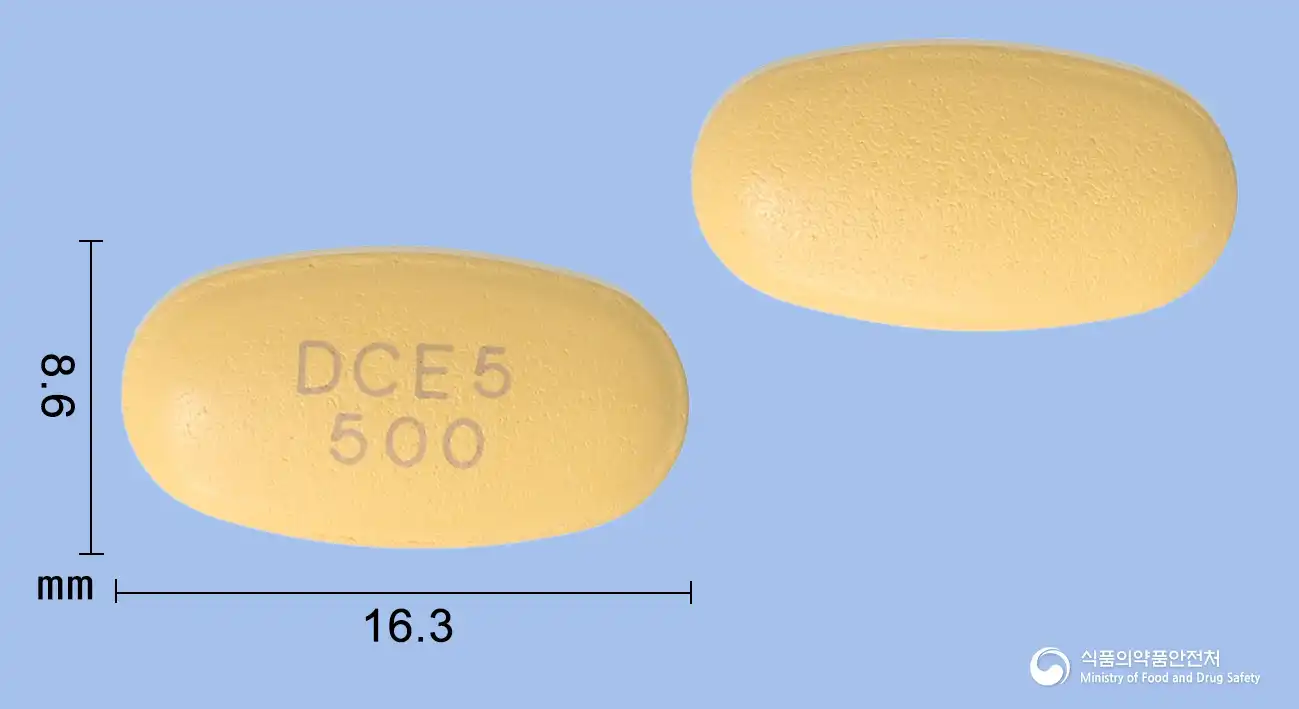 Combination
Empagliflozin 5mg · Metformin Hydrochloride 500mg
Tablet · Prescription medication · Combination
Donggu Bio Pharmaceutical Co., Ltd.
Even with the same ingredient, the dose and directions can differ by strength and dosage form. Talk to a doctor or pharmacist before switching from a medication you are already taking.
No questions yet.
For anything that needs medical judgment, consult a doctor or pharmacist.
This drug information is based on data provided by the Korea Ministry of Food and Drug Safety.
Consult a doctor or pharmacist for accurate dosage, administration, and usage instructions.