
 한국어
한국어 English
 日本語
日本語 中文(简体)
 Viewing nowCombination
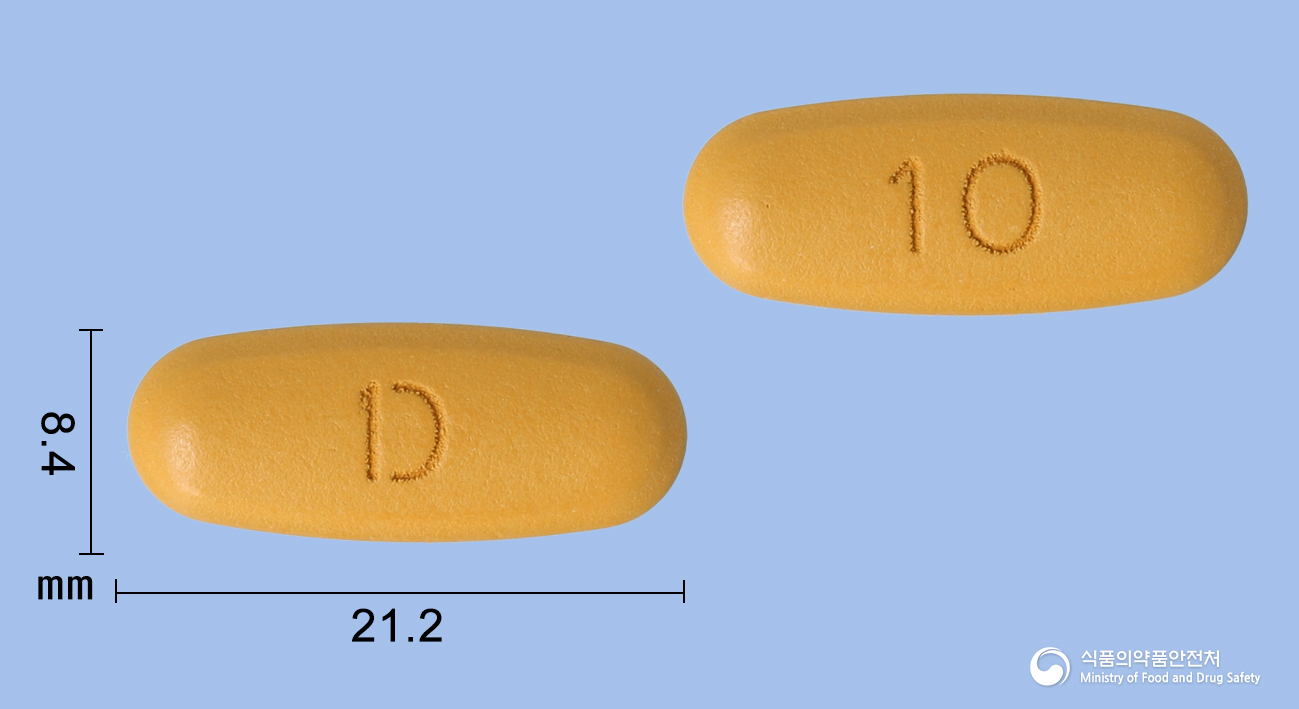
Dayabsmet Tablet 50/1000 mg (Vildagliptin, Metformin Hydrochloride)
Vildagliptin 50mg · Metformin Hydrochloride 1000mg
Tablet · Prescription medication · Combination
Korea Hutech Pharmaceutical Co., Ltd.
MFDS item code 202302281 · Approved 2023.07.28 · Insurance code 649105790
Improvement of blood sugar control in type 2 diabetes
This medication is used to assist in blood sugar control in patients with type 2 diabetes taking vildagliptin and metformin together and is intended to complement dietary and exercise management. It is effective for those whose blood sugar is not well controlled and can help manage blood sugar levels when taken consistently. Therefore, this medication is indicated for blood sugar control in patients with type 2 diabetes.
The dosage of this medication should be individualized based on efficacy and tolerability, not exceeding vildagliptin 100 mg and metformin 2000 mg. Doses of vildagliptin greater than 100 mg per day are not recommended. This medication is generally administered with meals or immediately after meals to reduce gastrointestinal side effects related to metformin. 1. In cases where there is no prior experience with diabetes medication and adequate blood sugar control is difficult with monotherapy: the initial dose of this medication is 50/500 mg once daily. It can be gradually increased to 50/1000 mg two times daily, one tablet at a time. 2. In patients whose blood sugar is not properly controlled with metformin monotherapy: the initial dose of this medication should be vildagliptin 100 mg and the existing metformin dose. The initial dose is determined based on the patient's current treatment regimen, taking one tablet of this medication 50 mg/850 mg or 50 mg/1000 mg two times daily. 3. In patients transitioning from vildagliptin and metformin combination therapy: Patients switching from vildagliptin and metformin combination therapy can start at their existing vildagliptin and metformin doses. 4. In cases where this medication is used in combination with sulfonylureas or insulin: administer vildagliptin 50 mg two times daily (total 100 mg per day) and metformin at the existing dose. In cases where this medication is used with sulfonylureas, a dose reduction of the sulfonylurea may be necessary to reduce the risk of hypoglycemia. No studies have been conducted to evaluate the safety and efficacy of transitioning from other oral hypoglycemic agents to this medication. Any changes in type 2 diabetes treatment regimens may affect blood sugar control, so caution is warranted and appropriate monitoring is required. If a dose is missed, it should be taken with the next meal unless it is time for the next dose, and do not double the dose to make up for a missed dose. In patients with liver impairment, this medication is not recommended for patients with clinical or laboratory evidence of liver impairment, including those with ALT or AST levels greater than 2.5 times the normal upper limit.
This medication may cause severe lactic acidosis or hypoglycemia, so caution is required. Especially, it should not be used in patients with moderate to severe renal impairment or heart failure, and in patients with severe conditions such as acute myocardial infarction or sepsis. If a patient is undergoing tests using iodine contrast media, this medication should be stopped 48 hours prior to the test and reinitiated only after renal function has been confirmed to be normal. It is safest for pregnant or breastfeeding women to avoid this medication. Caution is needed in cases of irregular meals or insufficient food intake, vigorous exercise, or concurrent use of other medications due to the risk of lactic acidosis and hypoglycemia. Patients may experience headaches, dizziness, nausea, and symptoms of hypoglycemia during treatment, so they should consult a doctor if any unusual symptoms occur. Patients with liver impairment should regularly undergo liver function tests due to the risk of worsening liver function and lactic acidosis, and they should stop taking the medication if any abnormal findings are detected. In cases of reduced kidney function, there is an increased risk of drug accumulation and lactic acidosis, so kidney function should be monitored periodically, and the medication should be discontinued if kidney function worsens. Alcohol may increase the risk of lactic acidosis with this medication, so excessive drinking should be avoided during treatment. This medication should not be used in patients with type 1 diabetes or diabetic ketoacidosis, and it does not replace the need for insulin therapy if it is required. Patients scheduled for surgery should stop taking this medication 48 hours prior to surgery and resume once oral ingestion has normalized and kidney function has recovered. Elderly patients are commonly at risk for decreased kidney function, so dosing adjustments and regular kidney function monitoring are necessary. In cases of overdose, supportive care is required, and the metformin component can be removed through dialysis, so appropriate treatment is needed in emergencies. If any abnormalities such as blisters or ulcers appear on the skin during treatment, consult a doctor immediately. If blood sugar control is insufficient or if symptoms of hypoglycemia occur, it is necessary to discuss dosage adjustments or treatment plans with healthcare professionals. During treatment with this medication, it is important to regularly monitor blood sugar levels, blood tests, especially vitamin B12 levels.
Hives, angioedema, hepatitis, blisters and exfoliative skin lesions, bullous pemphigoid, acute pancreatitis, lactic acidosis, liver dysfunction (jaundice), severe arthralgia, bullous pemphigoid, severe lactic acidosis, hypoxia, lactic acidosis due to reduced kidney function, severe allergic reactions
Not everyone experiences these, and they can vary from person to person.
This medication is sensitive to air and moisture, so the bottle must be tightly closed and stored in a sealed state. Additionally, it is recommended to store it in a cool place below 30 degrees Celsius to avoid excessive heat.
Dark yellow oval film-coated tablets
30 tablets/bottle, 100 tablets/bottle
Even with the same ingredient, strength, dosage form and how it is taken can differ.
Viewing nowCombinationVildagliptin 50mg · Metformin Hydrochloride 1000mg
Tablet · Prescription medication · Combination
Korea Hutech Pharmaceutical Co., Ltd.
 Combination
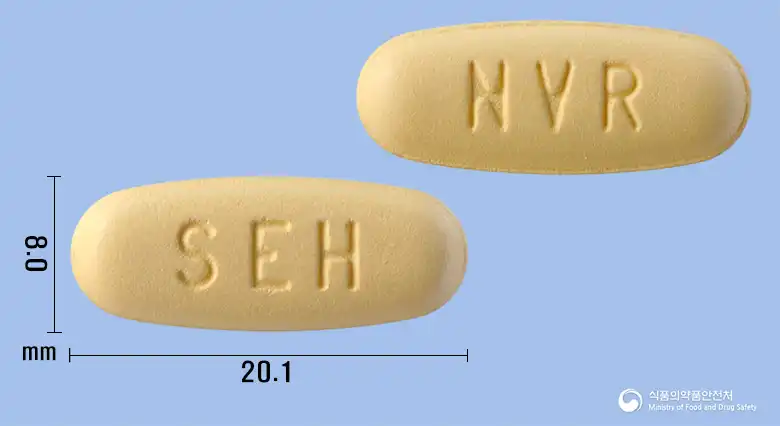
Vildagliptin 50mg · Metformin Hydrochloride 850mg
Tablet · Prescription medication · Combination
Korea Novartis Co., Ltd.
 Combination
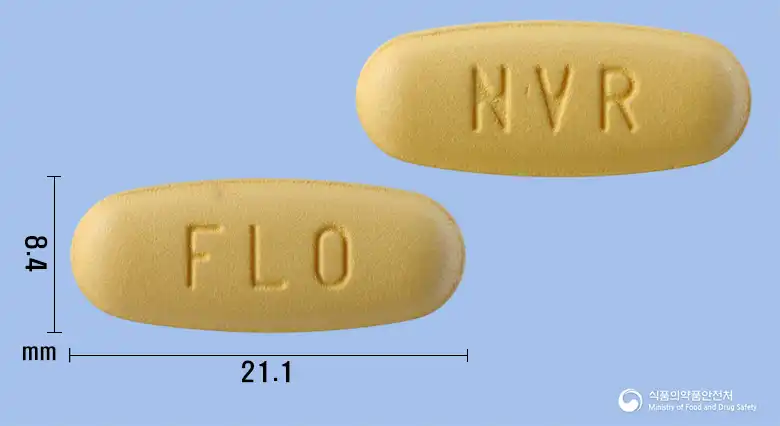
Vildagliptin 50mg · Metformin Hydrochloride 1000mg
Tablet · Prescription medication · Combination
Novartis Korea Co., Ltd.
 Combination
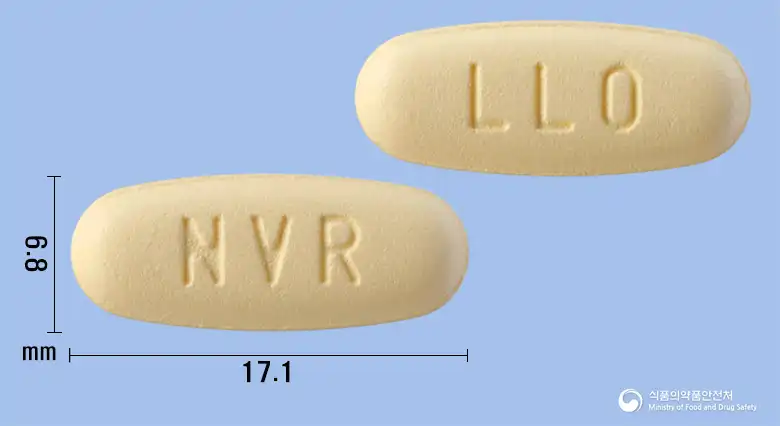
Vildagliptin 50mg · Metformin Hydrochloride 500mg
Tablet · Prescription medication · Combination
Novartis Korea Co., Ltd.
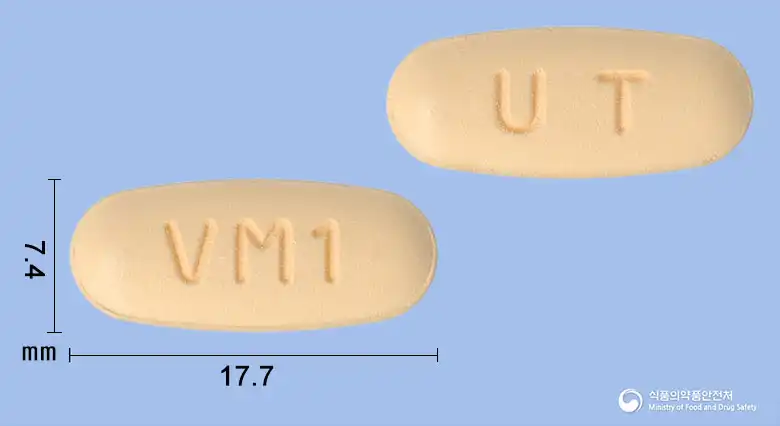 Combination
Vildagliptin 50mg · Metformin Hydrochloride 500mg
Tablet · Prescription medication · Combination
Korea United Pharm, Co., Ltd.
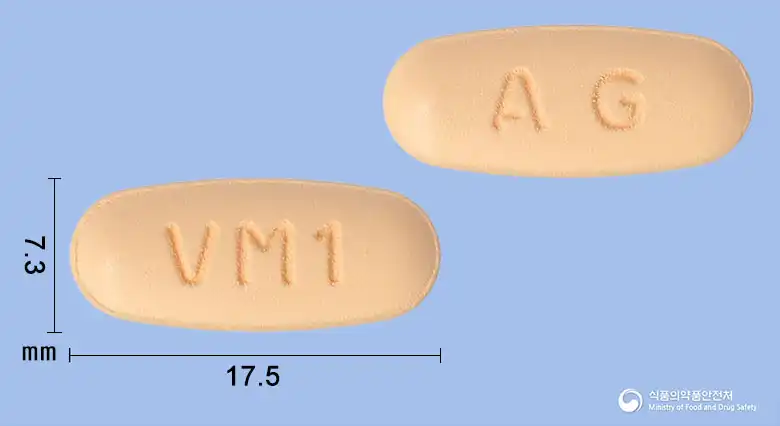 Combination
Vildagliptin 50mg · Metformin Hydrochloride 500mg
Tablet · Prescription medication · Combination
Ahn-Guk Pharmaceutical Co., Ltd.
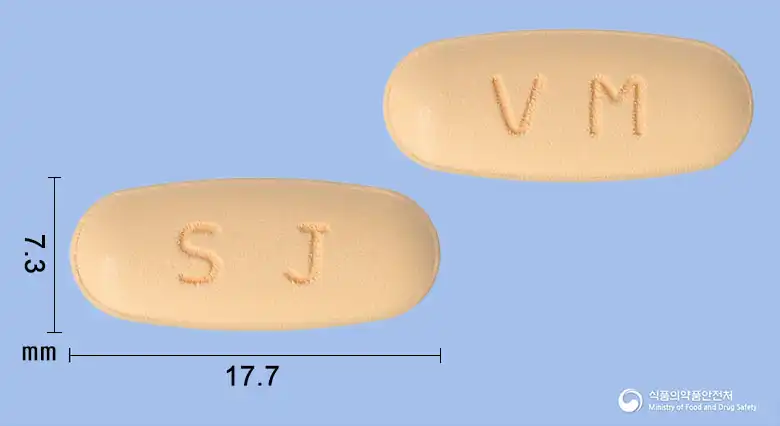 Combination
Vildagliptin 50mg · Metformin Hydrochloride 500mg
Tablet · Prescription medication · Combination
Samjin Pharmaceutical Co., Ltd.
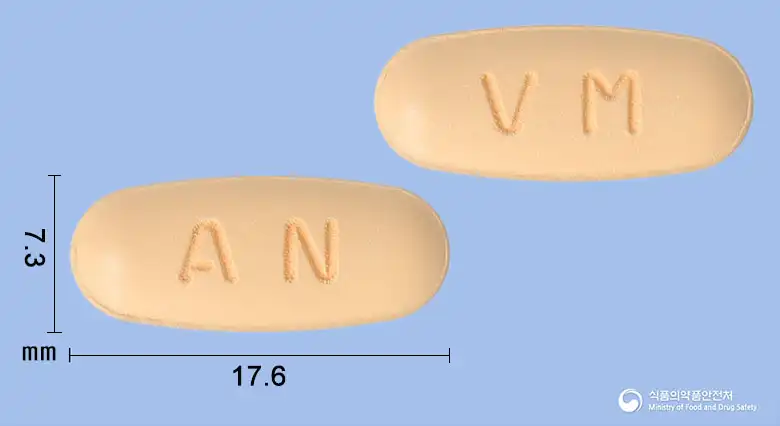 Combination
Vildagliptin 50mg · Metformin Hydrochloride 500mg
Tablet · Prescription medication · Combination
AhnGuk NewPharm Co., Ltd.
Even with the same ingredient, the dose and directions can differ by strength and dosage form. Talk to a doctor or pharmacist before switching from a medication you are already taking.
No questions yet.
For anything that needs medical judgment, consult a doctor or pharmacist.
This drug information is based on data provided by the Korea Ministry of Food and Drug Safety.
Consult a doctor or pharmacist for accurate dosage, administration, and usage instructions.