
 한국어
한국어 English
 日本語
日本語 中文(简体)
 Viewing nowCombination
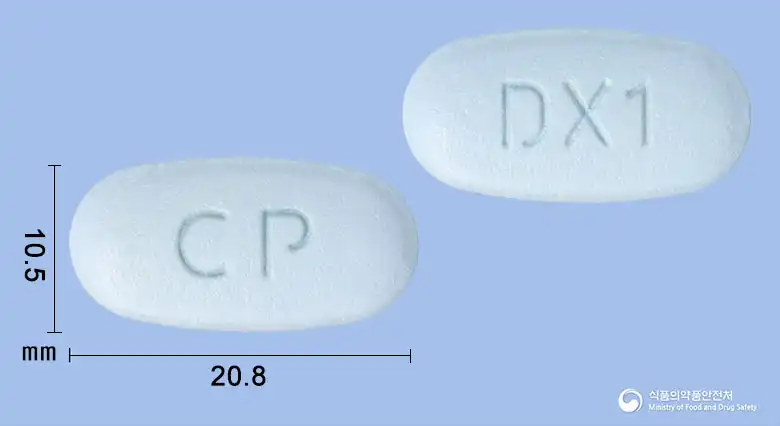
Sitaplus Sustained-Release Tablet 50/500 mg (Sitagliptin, Metformin)
Sitagliptin Hydrochloride Hydrate 56.69mg · Metformin Hydrochloride 500mg
Tablet · Prescription medication · Combination
CMG Pharmaceutical Co., Ltd.
MFDS item code 202301870 · Approved 2023.06.20 · Insurance code 648604600
Improved blood sugar control in type 2 diabetes
This medication is used in combination with sitagliptin and metformin to assist in controlling blood sugar in patients with type 2 diabetes. It is prescribed when additional blood sugar management is needed alongside dietary and exercise therapy. In other words, this medication helps effectively improve blood sugar levels in diabetes patients.
To reduce gastrointestinal adverse effects from metformin, take once daily with meals, preferably at dinner, gradually increasing the dose. To maintain sustained-release properties, do not split, crush, grind, or chew the tablet; swallow it whole. For Sitaplus sustained-release 100/1000 mg, take once daily, one tablet at a time. For this 50/500 mg sustained-release tablet or 50/1000 mg sustained-release tablet, patients should take two tablets at one time once daily.
This medication contains two active ingredients: sitagliptin and metformin. Sitagliptin can cause severe allergic reactions in some patients, which may include anaphylaxis (acute allergic shock), angioedema (swelling of the skin or mucous membranes), and severe skin conditions such as Stevens-Johnson syndrome. These hypersensitivity reactions can occur within the first three months of starting the medication, so if symptoms such as skin rash or difficulty breathing occur, you should stop taking the medication immediately and consult a doctor. Additionally, this medication can cause acute pancreatitis, a serious inflammation of the pancreas, so if symptoms such as abdominal pain, nausea, or vomiting occur while taking it, you should stop taking it immediately and inform healthcare personnel. The metformin component can cause a rare but serious condition called lactic acidosis, which is a buildup of lactic acid in the blood. This condition is particularly risky for patients with impaired kidney function, dehydration, severe infections, or heart failure. Therefore, it should not be taken in these situations. Patients with moderate to severe renal impairment, acute heart failure, acute myocardial infarction, sepsis, and those undergoing radiocontrast iodine testing should not be administered this medication. Pregnant women or those who may become pregnant and nursing mothers should also avoid using this medication. When taking this medication, it is important to be cautious due to the increased risk of hypoglycemia or lactic acidosis arising from irregular eating habits, insufficient meal sizes, strenuous exercise, or interactions with other medications. This medication should also be used cautiously in individuals with allergies to certain colorants. During use, gastrointestinal disturbances, headaches, dizziness, rashes, and other side effects may occur, so it is important to consult healthcare personnel if any unusual symptoms arise.
Not everyone experiences these, and they can vary from person to person.
This medication is sensitive to air and moisture, so it should be stored in a tightly sealed container. Also, it should be kept in an environment that is neither too hot nor too cold, ideally at room temperature between 1°C and 30°C.
Light blue, oval-shaped, biconvex sustained-release film-coated tablet
Bottle - 100 tablets/bottle, Bottle - 30 tablets/bottle
Even with the same ingredient, strength, dosage form and how it is taken can differ.
Viewing nowCombinationSitagliptin Hydrochloride Hydrate 56.69mg · Metformin Hydrochloride 500mg
Tablet · Prescription medication · Combination
CMG Pharmaceutical Co., Ltd.
 Combination
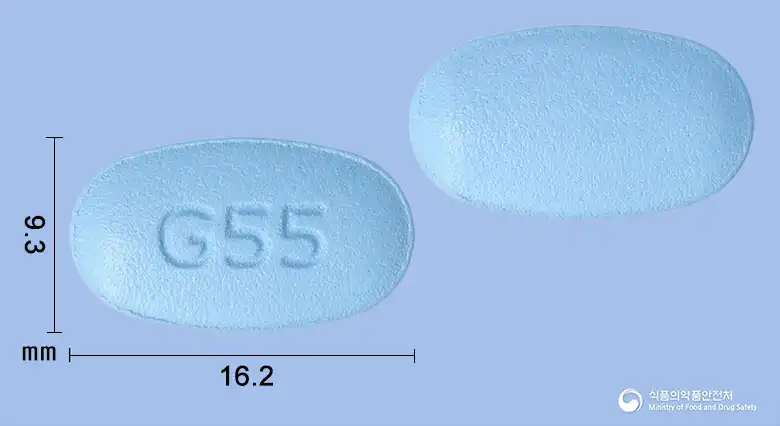
Sitagliptin Hydrochloride Hydrate 56.7mg · Metformin Hydrochloride 500mg
Tablet · Prescription medication · Combination
Shinil Pharmaceutical Co., Ltd.
 Combination
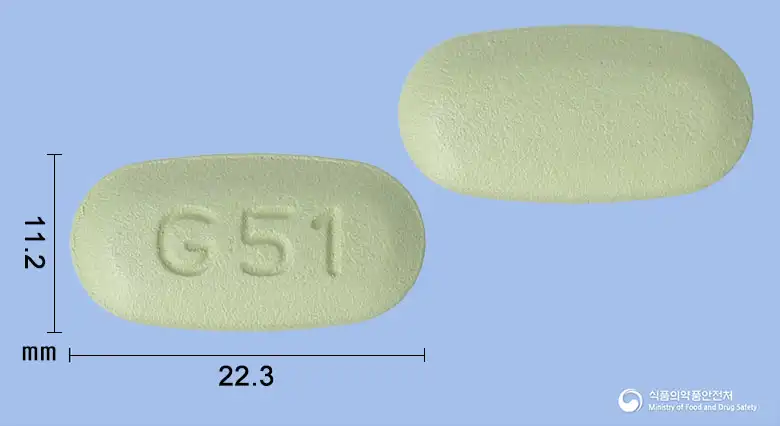
Sitagliptin Hydrochloride Hydrate 56.7mg · Metformin Hydrochloride 1000mg
Tablet · Prescription medication · Combination
Shinil Pharmaceutical Co., Ltd.
 Combination
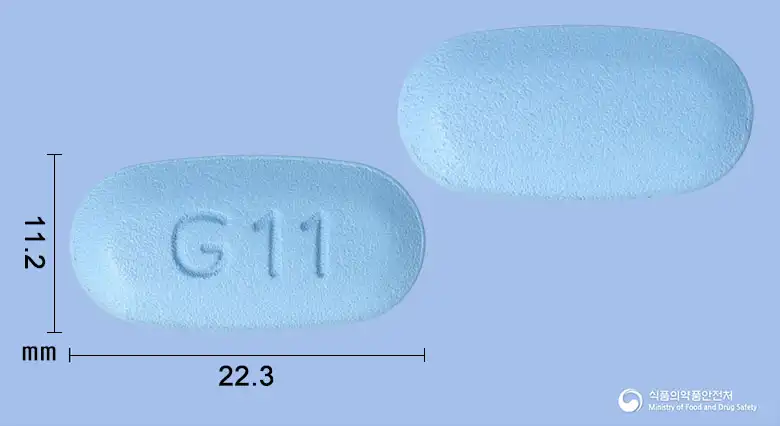
Sitagliptin Hydrochloride Hydrate 113.4mg · Metformin Hydrochloride 1000mg
Tablet · Prescription medication · Combination
Shinil Pharmaceutical Co., Ltd.
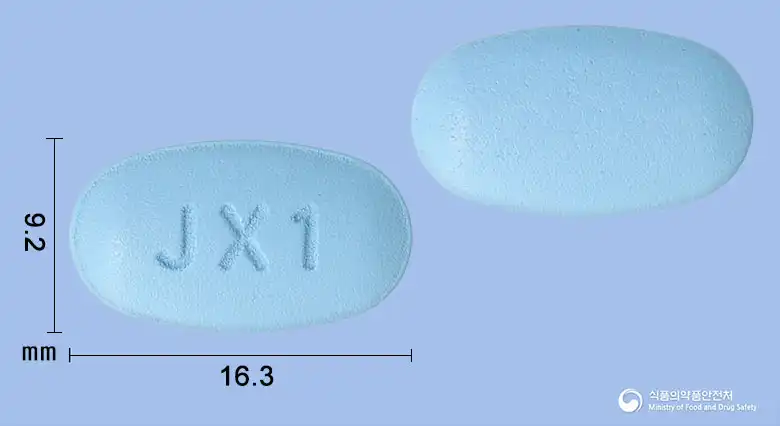 Combination
Sitagliptin Hydrochloride Hydrate 56.7mg · Metformin Hydrochloride 500mg
Tablet · Prescription medication · Combination
GL Pharma Co., Ltd.
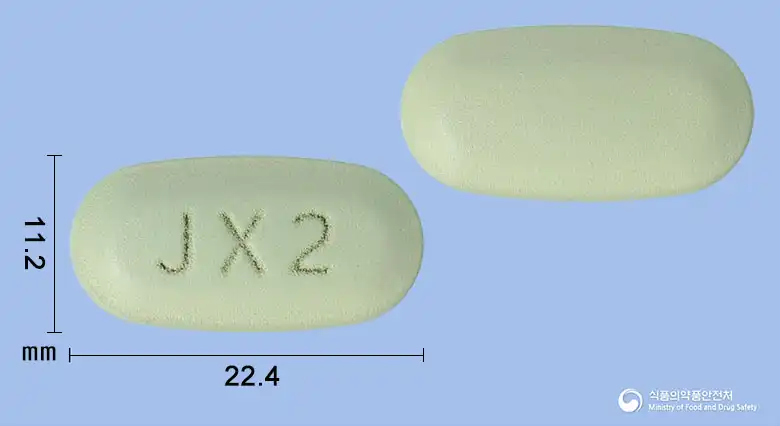 Combination
Sitagliptin Hydrochloride Hydrate 56.7mg · Metformin Hydrochloride 1000mg
Tablet · Prescription medication · Combination
GL Pharma Co., Ltd.
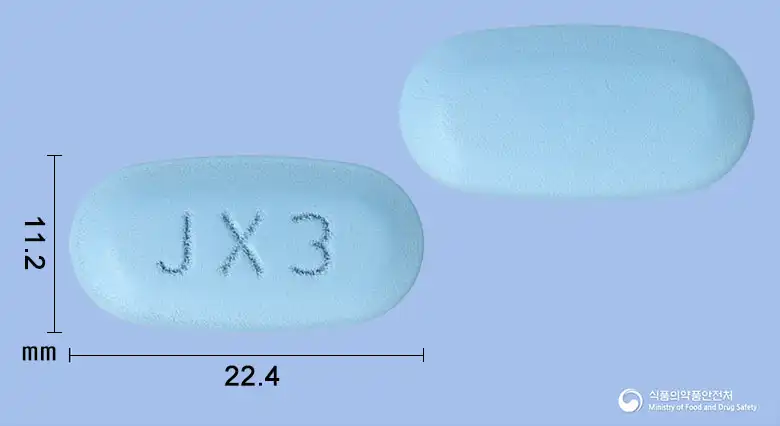 Combination
Sitagliptin Hydrochloride Hydrate 113.4mg · Metformin Hydrochloride 1000mg
Tablet · Prescription medication · Combination
GL Pharma Co., Ltd.
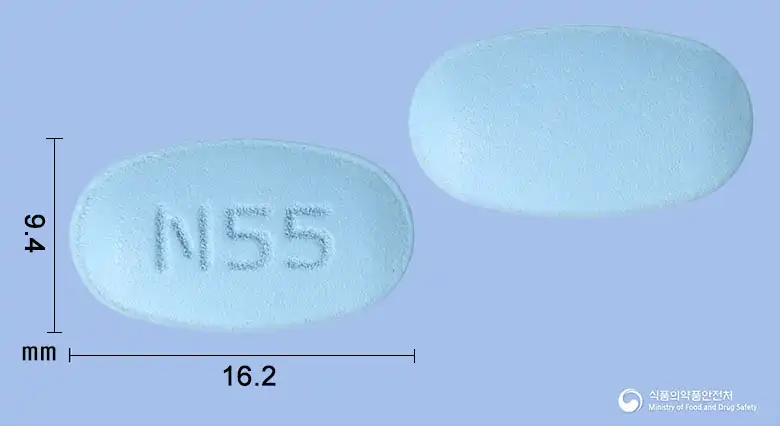 Combination
Sitagliptin Hydrochloride Hydrate 56.7mg · Metformin Hydrochloride 500mg
Tablet · Prescription medication · Combination
Korea Hutech Pharmaceutical Co., Ltd.
Even with the same ingredient, the dose and directions can differ by strength and dosage form. Talk to a doctor or pharmacist before switching from a medication you are already taking.
No questions yet.
For anything that needs medical judgment, consult a doctor or pharmacist.
This drug information is based on data provided by the Korea Ministry of Food and Drug Safety.
Consult a doctor or pharmacist for accurate dosage, administration, and usage instructions.