
 한국어
 English
 日本語
 中文(简体)
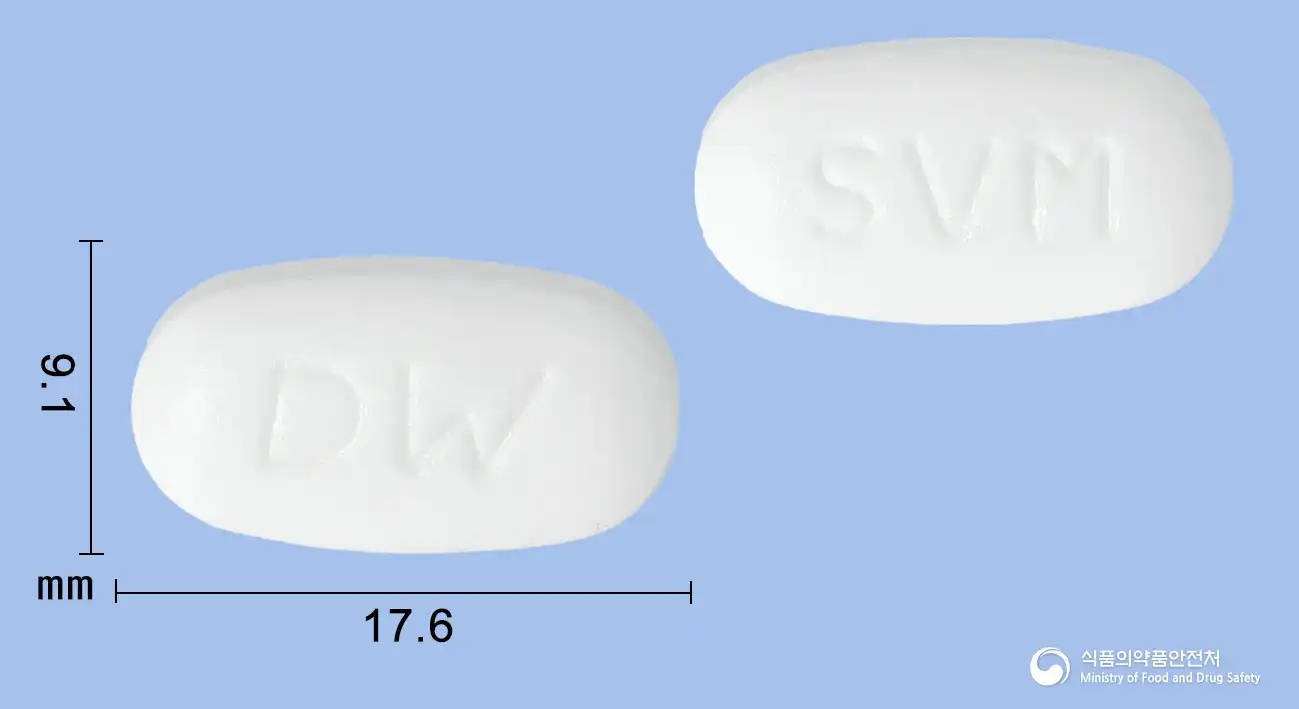 Viewing now
Sevelamer Tablet (Sevelamer Carbonate)
Sevelamer Carbonate 800mg
Tablet · Prescription medication
Daewoong Pharmaceutical Co., Ltd.
MFDS item code 202301687 · Approved 2023.05.26 · Insurance code 641607870
Improvement of hyperphosphatemia in patients with chronic kidney disease (on or not on dialysis)
This medication is used to control serum phosphorus levels in patients with chronic kidney disease who are undergoing dialysis. It also helps to control serum phosphorus levels in patients with chronic kidney disease who are not on dialysis, with serum phosphorus concentrations greater than 5.5 mg/dL. By managing serum phosphorus levels adequately, it contributes to preventing the deterioration of kidney function. Therefore, it is effectively used for controlling serum phosphorus levels in patients with chronic kidney disease, regardless of dialysis status.
This medicine should be taken 3 times daily with meals. 1) Administration to patients not taking a phosphate binder The recommended initial dose of this medicine is 0.8g to 1.6g. Take 1~2 tablets with each meal according to the serum phosphorus level as follows. 5.5 - 7.5 ㎎/dL: 1 tablet per dose, 3 times daily with meals 7.5 ㎎/dL or higher: 2 tablets per dose, 3 times daily with meals 2) Substitution of this medicine for patients taking sevelamer hydrochloride tablets When substituting this medicine for sevelamer hydrochloride tablets, administer the same dose. Appropriate dose adjustment may be needed to achieve the target serum phosphorus level. The maximum daily dose of sevelamer carbonate studied in patients with chronic kidney disease receiving dialysis was 14g. 3) Substitution of this medicine for patients taking calcium acetate preparations 1 tablet per dose, 3 times daily 1 tablet per dose, 3 times daily 2 tablets per dose, 3 times daily 2 tablets per dose, 3 times daily 3 tablets per dose, 3 times daily 3 tablets per dose, 3 times daily 4) Substitution between sevelamer carbonate tablets and powder When substituting between sevelamer carbonate tablets and powder, administer the same dose. Appropriate dose adjustment may be needed to achieve the target serum phosphorus level. 5) Dose adjustment in all patients taking this medicine If necessary, increase or decrease the dose of this medicine by 0.8g at 2-week intervals, taken 3 times daily with meals, until the target serum phosphorus level is achieved.
This medicine should not be used in patients with allergies to the active ingredient or excipients. It should also not be used in patients with hypophosphatemia or bowel obstruction. This medication can expand in the intestines and may cause serious issues such as bowel obstruction or intestinal perforation, so it should be used cautiously in patients with bowel stricture or severe constipation. There may be gastrointestinal adverse reactions such as vomiting, nausea, diarrhea, dyspepsia, abdominal pain, bloating, and constipation, so caution is advised. Particularly, patients undergoing peritoneal dialysis are at risk of severe infections such as peritonitis, so monitoring symptoms and maintaining aseptic technique is important. This medication does not contain calcium or alkaline components, so serum calcium levels should be checked regularly and calcium supplements taken as needed. Patients with chronic kidney disease may have a risk of fat-soluble vitamin and folic acid deficiency when taking this medication, so regular blood tests to check vitamin status are recommended, and supplementation should be provided if necessary. Patients with dysphagia or severe gastrointestinal mobility disorders should be cautious when taking this medication, and powdered form could be considered for dysphagia patients. This medication may interfere with the absorption of other oral medications, so it should be taken at least 1 hour before or 3 hours after other medications. There may also be changes in serum concentration when taken with certain antibiotics or immunosuppressants, so monitoring according to the physician's instructions is required. Pregnant women should only take this medication when absolutely necessary considering its effects on the fetus, and breastfeeding women should note that it is not known if this medication is excreted in breast milk, but the possibility is low due to its non-absorbable nature. This medication is not recommended for use in children under 18 years old as safety and efficacy have not been established. Elderly patients do not require special precautions, but starting at a lower dose is recommended when determining dosage. There is no specific report on overdose, but it is important to adhere to the prescribed dose. It should always be taken with meals, and the tablets should not be crushed or chewed, and should be stored in the original container to avoid moisture. If symptoms such as severe abdominal pain, persistent constipation, or vomiting occur, discontinue use immediately and seek medical attention. There is a low risk of accumulation in the body with long-term use; however, regular check-ups may be necessary for extended use. Finally, there is no research on the effects of this medication on driving or operating machinery, so caution is advised.
Vomiting, nausea, diarrhea, dyspepsia, abdominal pain, bloating, constipation, hypersensitivity reactions, itching, rash, fecal impaction, intestinal obstruction, intestinal occlusion, bowel perforation, peritonitis, hyperkalemia, acidosis, dizziness, headache, hypertension, hypotension, skin disorders, swallowing difficulties, esophageal dysphagia, severe gastrointestinal motility disorders, inflammatory gastrointestinal disorders
Not everyone experiences these, and they can vary from person to person.
This medication may be sensitive to air and moisture, so it should be stored in a tightly sealed container. Additionally, it is best to store the medication at room temperature between 1 to 30 degrees Celsius, not in excessively hot or cold places.
Oval, film-coated tablets in white to off-white color
30 tablets/bottle, 180 tablets/bottle
Even with the same ingredient, strength, dosage form and how it is taken can differ.
Viewing nowSevelamer Carbonate 800mg
Tablet · Prescription medication
Daewoong Pharmaceutical Co., Ltd.
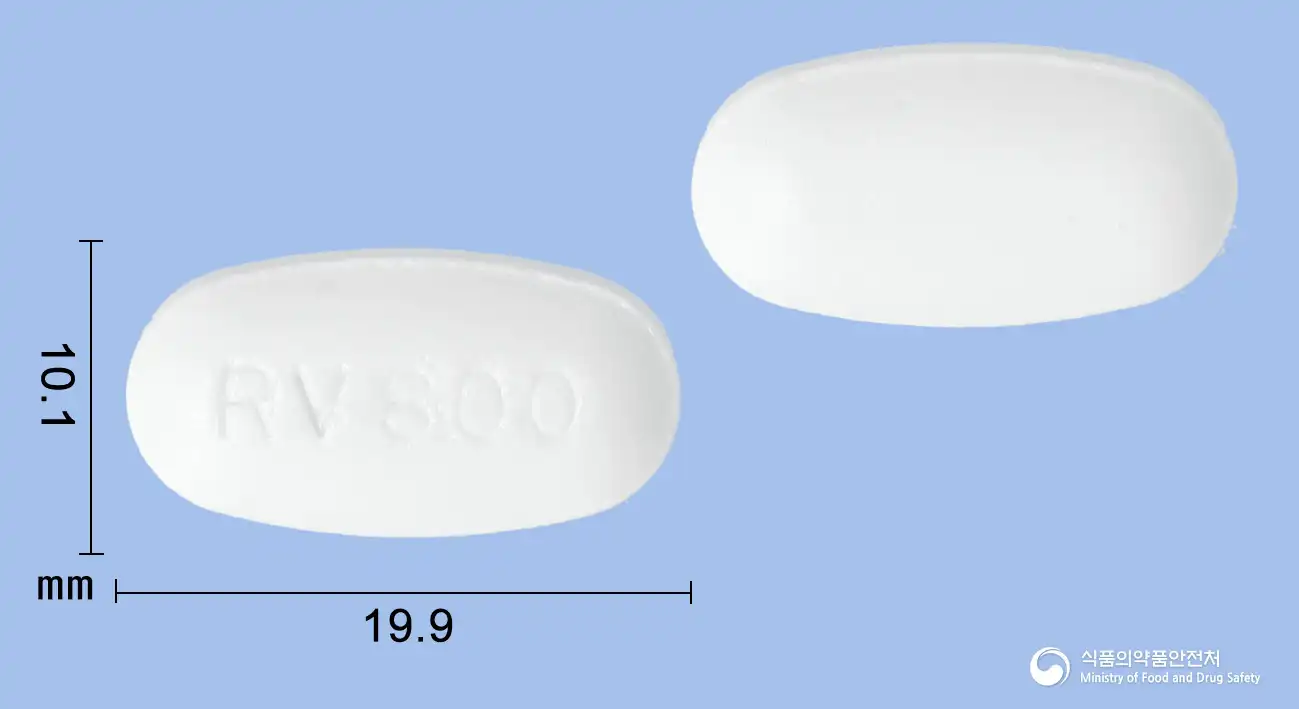
Sevelamer Carbonate 800mg
Tablet · Prescription medication
Sanofi-Aventis Korea Co., Ltd.
Sevelamer Carbonate 800mg
Prescription medication
Sanofi-Aventis Korea Co., Ltd.
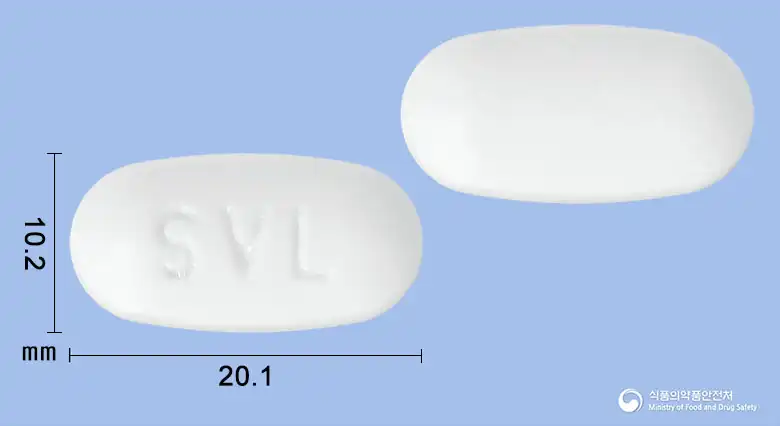
Sevelamer Carbonate 800mg
Tablet · Prescription medication
SK Chemicals Co., Ltd.
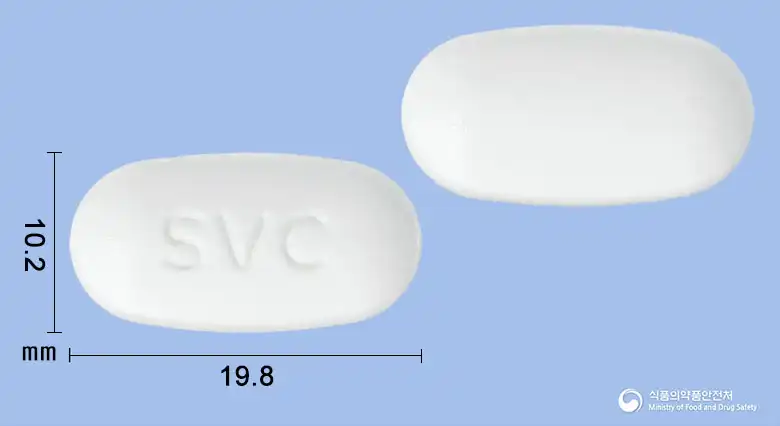
Sevelamer Carbonate 800mg
Tablet · Prescription medication
Daewon Pharmaceutical Co., Ltd.
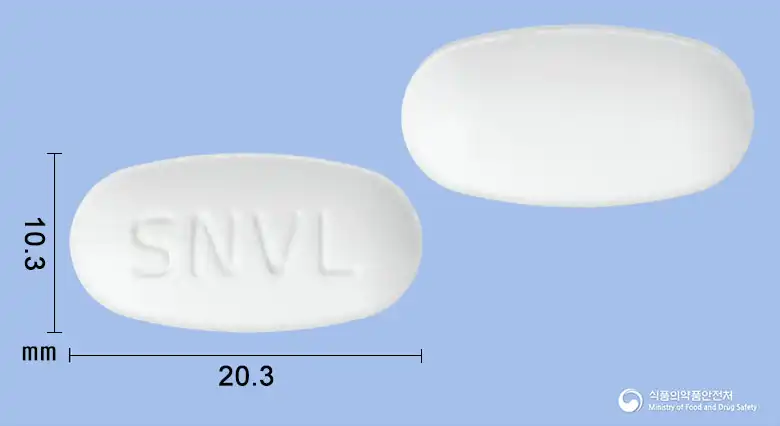
Sevelamer Carbonate 800mg
Tablet · Prescription medication
Yuyu Pharmaceutical Co., Ltd.
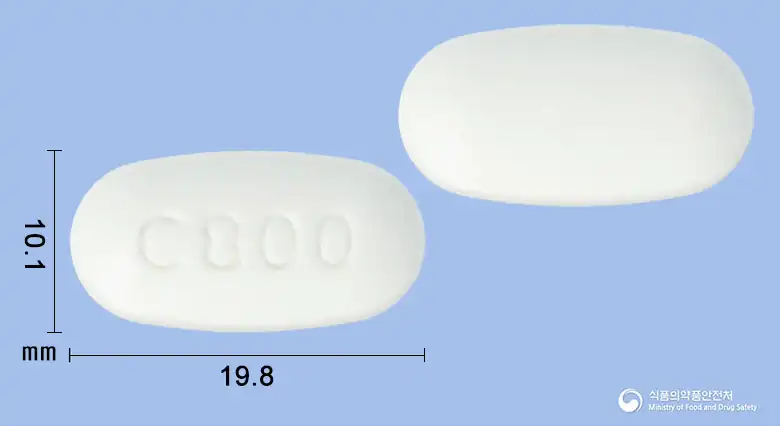
Sevelamer Carbonate 800mg
Tablet · Prescription medication
Albozen Korea Co., Ltd.
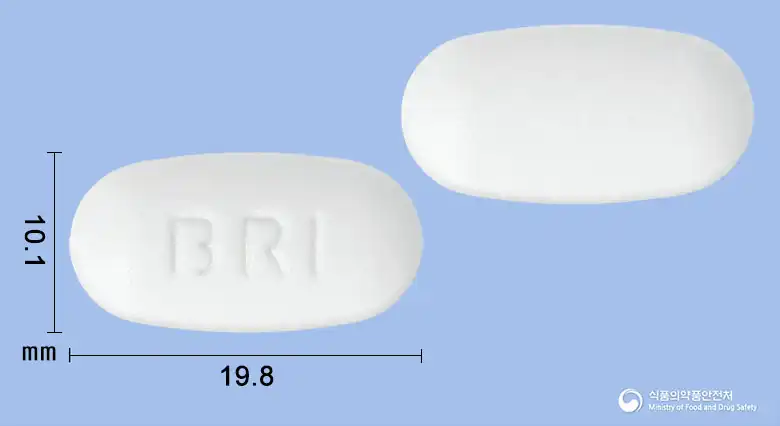
Sevelamer Carbonate 800mg
Tablet · Prescription medication
Boryung Pharmaceutical Co., Ltd.
Even with the same ingredient, the dose and directions can differ by strength and dosage form. Talk to a doctor or pharmacist before switching from a medication you are already taking.
No questions yet.
For anything that needs medical judgment, consult a doctor or pharmacist.
This drug information is based on data provided by the Korea Ministry of Food and Drug Safety.
Consult a doctor or pharmacist for accurate dosage, administration, and usage instructions.