
 한국어
 English
 日本語
 中文(简体)
 Viewing now
Cycol-EN Soft Capsule 50 Milligrams (Cyclosporine)
Cyclosporine 50mg
Soft capsule · Prescription medication
Dasan Pharmaceutical Co., Ltd.
MFDS item code 202301675 · Approved 2023.05.25 · Insurance code 678602030
Prevention and treatment of transplant rejection; treatment of immune disorders (such as psoriasis and nephrotic syndrome) and aplastic anemia
This medication is used to prevent rejection reactions after transplantation of various organs including kidney, liver, heart, lung, and pancreas in organ transplant patients. It is also used for the treatment of rejection reactions in patients already taking immunosuppressants. Additionally, it helps prevent and treat graft rejection reactions and graft-versus-host disease (GVHD) during bone marrow transplantation. In severe psoriasis patients where other treatments are ineffective or inappropriate, this medication can be used. In patients with nephrotic syndrome who are dependent on or resistant to steroids, it supports remission induction and maintenance when a certain level of kidney function is maintained. Furthermore, it is also applied in treating severe cases of rheumatoid arthritis and moderate to severe aplastic anemia. This effectively improves various immune-related diseases and complications after transplant.
1. Organ transplantation 1) Initial dose: 10 ∼ 15 mg/kg of body weight per day, in 2 divided doses, starting 12 hours before surgery. 2) Maintenance dose: The same as the initial dose for 1 ∼ 2 weeks after surgery, then gradually reduce according to blood concentration until reaching 2 ∼ 6 mg/kg of body weight per day, administered in 2 divided doses. The total daily dose of this drug should always be administered in 2 divided doses. 3) Combination therapy: When treated with concomitant corticosteroids or triple or quadruple immunosuppressive therapy, a lower dose (e.g., oral 3 ∼ 6 mg/kg of body weight in 2 divided doses) may be used. 2. Bone marrow transplantation 1) The first dose should be administered one day before surgery, preferably by intravenous injection (see the dosage and administration instructions for the injectable formulation). 2) Administer 12.5 ∼ 15 mg/kg of body weight per day in 2 divided doses on the day before surgery. As a maintenance dose, administer approximately 12.5 mg/kg of body weight per day for 3 ∼ 6 months (preferably 6 months) after transplantation, before tapering to a dose of 0 (zero) by 1 year after transplantation. 3) Higher oral doses or intravenous administration may be required in patients with malabsorptive gastrointestinal disorders. The total daily dose of this drug must be administered in 2 divided doses. 4) GVHD may occur after discontinuation of this drug, but generally responds well to re-treatment. Use a low dose to treat chronic mild GVHD. 3. Psoriasis 1) The initial dose is 2.5 mg/kg of body weight per day in 2 divided doses. If there is no improvement after 4 weeks, the dose may be increased by 0.5 ~ 1 mg/kg of body weight per day each month, up to 5 mg/kg of body weight per day. 2) Discontinue treatment if there is no improvement in lesions after 4 weeks at 5 mg/kg of body weight per day, or if the effective dose does not comply with the safety information below. 3) For patients requiring rapid improvement of symptoms, the initial dose is 5 mg/kg of body weight per day. The maintenance dose should be adjusted individually to the minimum effective dose, not exceeding 5 mg/kg of body weight per day. 4) If symptom improvement is maintained for 6 months, gradually reduce the dose of this drug, even though the risk of relapse after discontinuation is very high. 4. Nephrotic syndrome 1) To induce remission, a dose of 5 mg/kg per day in adults, divided into 2 doses, is recommended. However, in patients with impaired renal function, the initial dose should not exceed 2.5 mg/kg per day (maximum serum creatinine: adults >200 μmol/L). 2) Patients who do not respond adequately to this drug (mainly those with steroid-resistant disease) should receive it concomitantly with low-dose oral steroids. Discontinue this drug if no improvement is observed after 3 months. 3) Adjust the dose individually according to safety (mainly serum creatinine) and efficacy (proteinuria). 4) However, do not exceed the maximum daily dose, and gradually reduce the dose to the minimum effective dose for maintenance. 5. Rheumatoid arthritis 1) The recommended dose during the first 6 weeks of treatment is 3 mg/kg of body weight per day, administered orally in 2 divided doses. If symptom improvement is insufficient after 6 weeks, the dose may be increased to 5 mg/kg of body weight per day only in patients whose serum creatinine has not increased by 30 % or more; treatment may continue for up to 12 weeks. 2) Discontinue treatment if symptoms do not improve after 12 weeks at the maximum daily dose, or if treatment does not comply with the information in ‘*Safety Information’. The maintenance dose should be adjusted individually to the minimum effective dose, not exceeding the maximum dose. 6. Aplastic anemia Usually, administer 6 mg/kg of body weight per day in 2 divided doses. Measure the trough blood concentration and reduce the dose to 4 mg/kg of body weight per day when it is 200 ng/mL(serum) or higher. 7. Switching from conventional oral cyclosporine to microemulsion capsules 1) Available data indicate that whole-blood cyclosporine trough levels are comparable at the same dose in patients switched from conventional cyclosporine formulations to this drug. However, peak concentrations (Cmax) and total exposure (AUC) were higher in many patients (by an average of 59 % and 29 %, respectively), and the increase was clinically significant in a small number of these patients. This degree of increase is closely related to cyclosporine absorption from conventional formulations, which are known to have considerable variability in bioavailability. 2) Cyclosporine absorption from this drug is more variable, and the relationship between blood trough concentration and cyclosporine exposure (in terms of AUC) is much stronger than with conventional formulations. 3) Because exposure may increase when switching from conventional oral cyclosporine to this drug, observe the following: Initially, administer this drug at the same dose as the conventional formulation. Total blood cyclosporine trough levels should be monitored for the first 4 ~ 7 days after switching, and clinical safety parameters such as serum creatinine and blood pressure should be monitored for the first 2 months after switching. If the blood concentration is outside the therapeutic range or any safety parameter is abnormal, adjust the dose accordingly. 4) Switching should be performed under a physician’s supervision and requires caution. Monitor the patient after switching to the new formulation to ensure that the previous blood cyclosporine concentration is achieved. 8. Precautions during administration 1) The total daily dose of this drug should always be administered in 2 divided doses. 2) The distinctive odor when opening the blister pack is normal and does not indicate a problem. Swallow the capsules whole.
4. Nephrotic syndrome To induce remission, children are recommended to receive 6 mg/kg per day in 2 divided doses. In children whose renal function is below the threshold, the initial dose should not exceed 2.5 mg/kg per day (peak serum creatinine: children >140 μmol/L).
This medication is an immunomodulator, and should not be administered to patients with certain diseases or severe impairment of kidney and liver functions. Special caution is needed for pregnant or breastfeeding women, as well as children and the elderly. During the use of this medication, regular checks on blood pressure, kidney function, liver function, and blood tests should be performed to detect and manage adverse reactions early. Because of its immunosuppressive effect, the risk of infection may increase, so if any symptoms of infection arise, immediate consultation with healthcare professionals is necessary. This medication can interact with various drugs, so if you are taking other medications, you must inform your doctor or pharmacist. In case of overdose, serious kidney damage or other side effects may occur, so it is essential to strictly adhere to the prescribed dosage, and in case of side effects, visit a medical institution immediately for appropriate treatment. Lastly, this medication should be stored out of the reach of children, and it is safest not to transfer it to another container.
Not everyone experiences these, and they can vary from person to person.
This medication must be stored in a tightly sealed container to protect it from air and moisture. It is important to maintain the storage temperature between 1 degrees and 30 degrees Celsius in room temperature. This will help safely maintain the effectiveness of the medication.
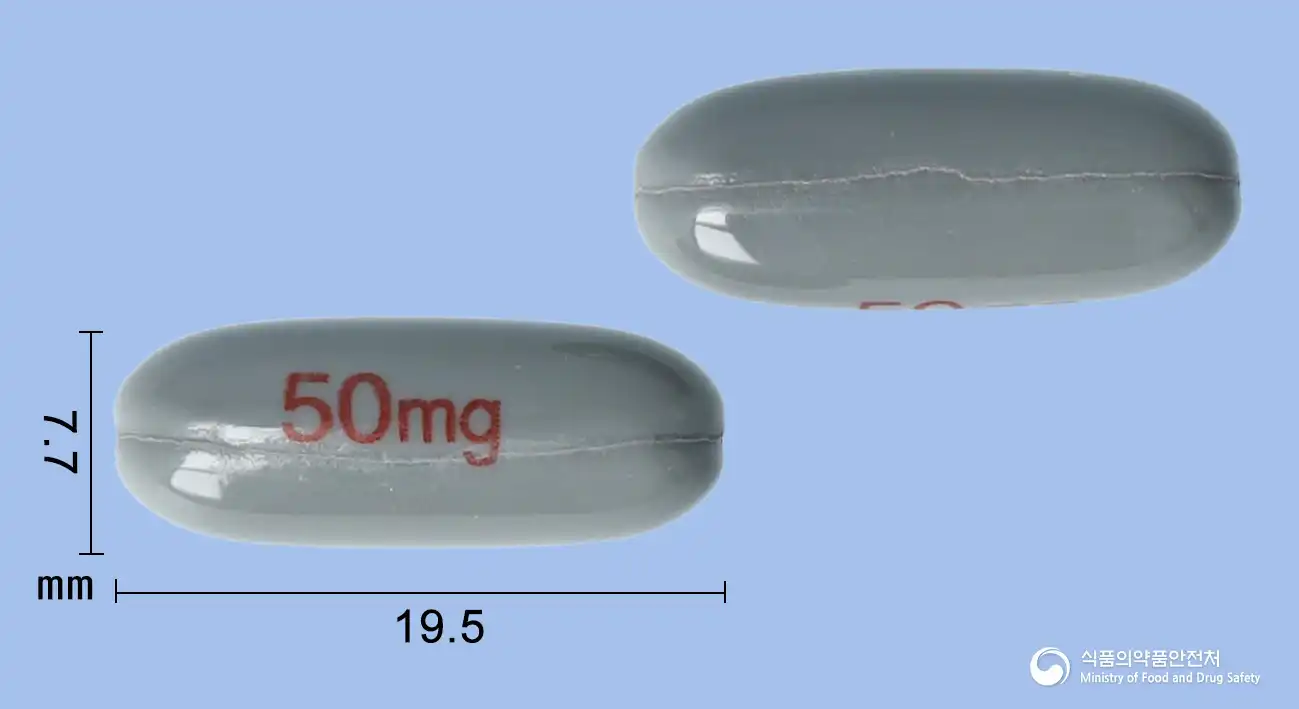
This medication is a gray soft capsule filled with a slightly yellow viscous liquid.
PTP - 30 capsules/box [5 capsules/PTP*6]
Even with the same ingredient, strength, dosage form and how it is taken can differ.
Viewing nowCyclosporine 50mg
Soft capsule · Prescription medication
Dasan Pharmaceutical Co., Ltd.
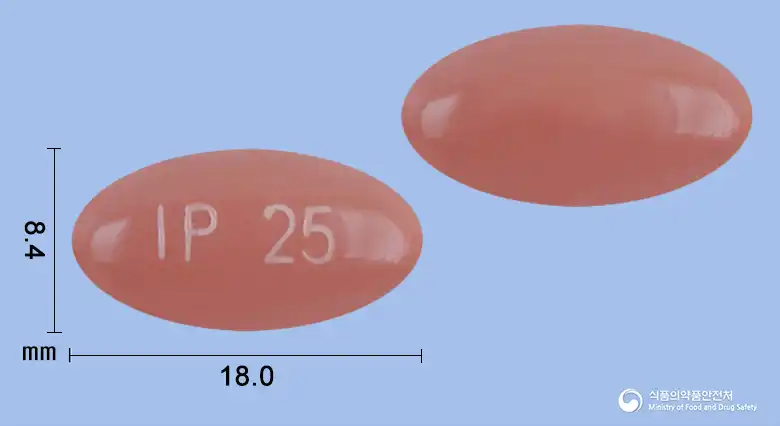
Cyclosporine 25mg
Soft capsule · Prescription medication
Hanmi Pharmaceutical Co., Ltd.
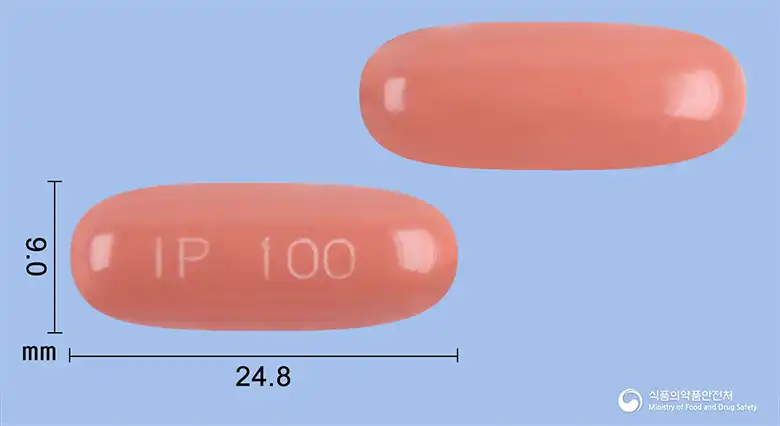
Cyclosporine 100mg
Soft capsule · Prescription medication
Hanmi Pharmaceutical Co., Ltd.
Cyclosporine 250mg
Injections · Prescription medication
Jongkundang Co., Ltd.
Cyclosporine 250mg
Injections · Prescription medication
Novartis Korea Co., Ltd.
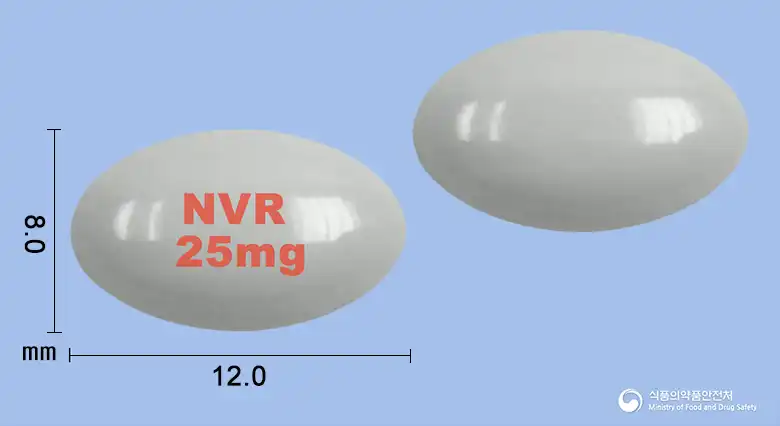
Cyclosporine 25mg
Soft capsule · Prescription medication
Novartis Korea Ltd.
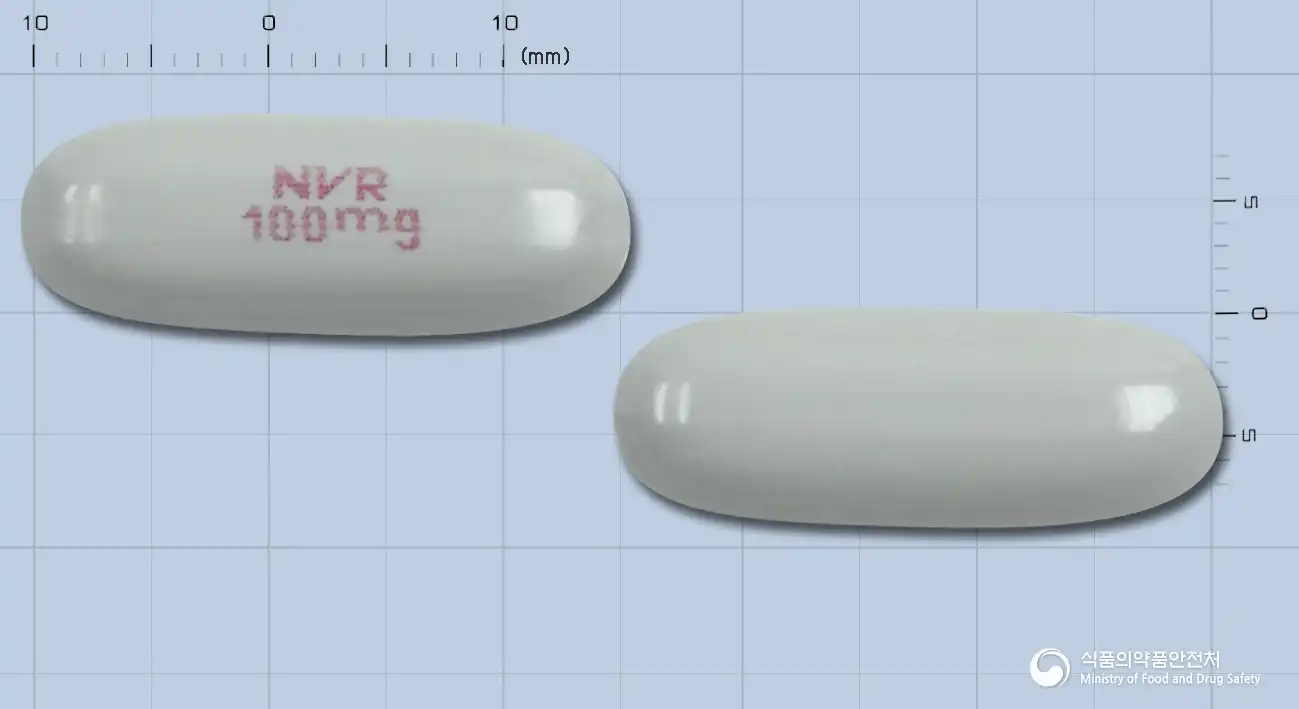
Cyclosporine 100mg
Soft capsule · Prescription medication
Novartis Korea Ltd.
Cyclosporine 10g
Prescription medication
Novartis Korea Co., Ltd.
Even with the same ingredient, the dose and directions can differ by strength and dosage form. Talk to a doctor or pharmacist before switching from a medication you are already taking.
No questions yet.
For anything that needs medical judgment, consult a doctor or pharmacist.
This drug information is based on data provided by the Korea Ministry of Food and Drug Safety.
Consult a doctor or pharmacist for accurate dosage, administration, and usage instructions.