
 한국어
 English
 日本語
 中文(简体)
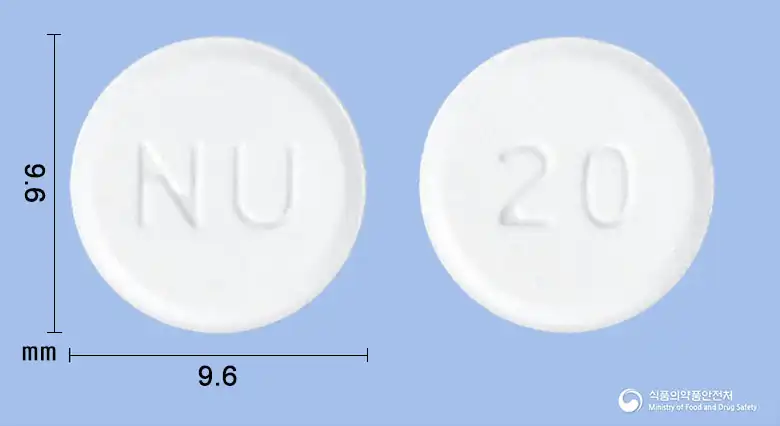 Viewing now
Newpramo Tablets 20mg (Escitalopram Oxalate)
Escitalopram Oxalate 25.54mg
Orally disintegrating Tablet · Prescription medication
Myungin Pharmaceutical Co., Ltd.
MFDS item code 202301560 · Approved 2023.05.16 · Insurance code 651905330
Treatment of major depressive disorder, anxiety disorders (including panic disorder and social anxiety disorder), and obsessive-compulsive disorder
This medication is used for the treatment of major depressive disorder, panic disorder (both with and without agoraphobia), social anxiety disorder (social phobia), generalized anxiety disorder, and obsessive-compulsive disorder.
The safety of doses exceeding 20mg per day has not been established. This drug is administered once daily in the morning or evening, regardless of meals. This drug is an orally disintegrating tablet. It may be placed on the tongue and allowed to dissolve, then taken with water or without water. 1) Adults (1) Major depressive disorder: The usual dose is 10mg once daily. The dose may be increased to a maximum of 20mg per day according to the patient's response. If the dose of this drug is to be increased to 20mg, the increase should be made at intervals of at least 1 week. In general, 2-4 weeks are needed for antidepressant effects to take hold. Even after symptoms have resolved, drug treatment for at least 6 months is needed to ensure the therapeutic effect. (2) Panic disorder with or without agoraphobia: The recommended starting dose is 5mg per day for 1 week, followed by an increase to 10mg per day. The dose may be increased to a maximum of 20mg per day according to the patient's response. The maximum effect is seen after approximately 3 months. The safety and efficacy of long-term administration of this drug for more than 10 weeks in the treatment of panic disorder have not been systematically studied. The physician should periodically reassess each patient to determine the need for continued treatment. (3) Social anxiety disorder: The usual dose is 10mg once daily. In general, 2-4 weeks are needed for symptoms to improve. Thereafter, the dose may be reduced to 5mg per day or increased to a maximum of 20mg per day according to the patient's response. Social anxiety disorder is a condition with a chronic course, and continued treatment for 12 weeks is recommended to ensure the therapeutic effect. Long-term treatment in patients who respond was studied for 6 months; continued treatment should be considered individually for each patient to prevent relapse. The usefulness of long-term treatment should be reassessed regularly. Social anxiety disorder is a well-defined diagnostic term for a specific disorder and should not be confused with excessive shyness. Drug treatment should be given only when social anxiety disorder significantly interferes with occupational and social activities. Drug treatment has not been compared with cognitive behavioral therapy. Drug treatment is one part of an overall treatment strategy. (4) Generalized anxiety disorder: The starting dose is 10mg once daily. The dose may be increased to a maximum of 20mg per day according to the patient's response, after at least 1 week of treatment. A long-term treatment study was conducted in patients who responded to 12 weeks of open-label treatment, in which 20mg per day was administered for at least 6 months. The physician should periodically reassess the usefulness of long-term treatment with this drug for each patient. (5) Obsessive-compulsive disorder: The usual dose is 10mg once daily. The dose may be increased to a maximum of 20mg per day according to the patient's response. A long-term treatment study was conducted in patients who responded to 16 weeks of open-label treatment, in which 10mg or 20mg per day was administered for at least 24 weeks. Obsessive-compulsive disorder is a chronic condition; treatment should be continued for a sufficient period to ensure recovery from symptoms. If this drug is administered long term, its usefulness and dose should be periodically reassessed for each patient. 2) Patients with renal impairment No dose adjustment is necessary in patients with mild or moderate renal impairment. Caution should be exercised in patients with severe renal impairment (CLCR < 30㎖/min). 3) Patients with hepatic impairment The recommended initial dose is 5mg per day for the first 2 weeks. The dose may be increased to 10mg per day according to the patient's response. 4) Discontinuation of treatment When discontinuing this drug, the dose should be gradually reduced over at least 1-2 weeks to avoid the possibility of withdrawal symptoms. 5) Switching from MAO inhibitors used to treat psychiatric disorders When discontinuing an MAO inhibitor used to treat psychiatric disorders and starting treatment with this drug, an interval of at least 14 days should be allowed. Conversely, when starting an MAO inhibitor to treat psychiatric disorders, at least 14 days should have elapsed after discontinuation of this drug. 6) Other MAO inhibitors, such as linezolid or methylene blue Patients receiving linezolid or intravenous methylene blue preparations should not start this drug because of the increased risk of serotonin syndrome. For patients who require treatment for a more urgent psychiatric condition, including hospitalization, other interventions should be considered. It may be necessary to urgently administer linezolid or an intravenous methylene blue preparation to a patient who is already receiving this drug. If there is no alternative to linezolid or an intravenous methylene blue preparation, and the benefits of treatment with linezolid or an intravenous methylene blue preparation are judged to outweigh the risk of serotonin syndrome in a particular patient, this drug may be discontinued immediately and linezolid or an intravenous methylene blue preparation administered. The patient should be monitored for symptoms of serotonin syndrome for 2 weeks after administration of linezolid or an intravenous methylene blue preparation, or until 24 hours after the last dose, whichever comes first. Treatment with this drug may be restarted 24 hours after the last dose of linezolid or an intravenous methylene blue preparation. The risks associated with administration of methylene blue by non-intravenous routes (oral tablets or local injection) or intravenous administration of this drug at doses of 1mg/kg or less are unclear. Nevertheless, clinicians should be aware of the possibility of emergency symptoms of serotonin syndrome with these uses.
This drug should be used with caution in children, adolescents, and young adults with major depression or other psychiatric disorders as it may increase the risk of suicidal thoughts and behaviors. This drug contains the artificial sweetener aspartame, and should not be administered to patients with phenylketonuria. Patients with hypersensitivity to this drug or currently taking certain medications (MAO inhibitors, pimozide, etc.) should not use this drug. Patients with closed-angle glaucoma or a history of glaucoma should be cautious, as this medication may dilate pupils and increase the risk of elevated intraocular pressure. During the initial 1 to 2 weeks of treatment, various adverse reactions such as anxiety, insomnia, dizziness, and nausea may occur, but most tend to decrease over time. Anxiety symptoms may temporarily worsen with the use of antidepressants, so it is advisable to start with a low dose initially. Patients with epilepsy may have an increased risk of seizures, so caution is required during administration, and treatment should be stopped immediately if manic symptoms appear. Diabetics may experience fluctuations in blood sugar control, so it is essential to monitor blood glucose levels carefully. During the initial stages of antidepressant treatment or a dosage change, abnormal behavioral changes such as suicidal thoughts, aggressiveness, and hostility should be monitored closely, and family members or caregivers should also observe these behaviors. Restlessness known as akathisia may occur; if so, it is advisable to consult with a physician. Various side effects like hyponatremia, increased bleeding risk, and potential for serotonin syndrome may occur, so any unusual symptoms must be reported to healthcare professionals immediately. Abrupt discontinuation of this medication may lead to withdrawal symptoms such as dizziness, anxiety, and sleep disturbances, so the dosage must be gradually reduced according to the physician's instructions. There is a risk of cardiac arrhythmia due to QT interval prolongation; therefore, ECG monitoring may be necessary before and after administration in patients with heart disease. During pregnancy, especially in the late stages, there may be effects on the newborn, so pregnant women should use this medication cautiously after consulting a doctor, and breastfeeding women should be cautious due to the possibility of drug transmission through breast milk. Elderly patients are advised to start with a reduced dose for safety, and caution is needed while driving or operating machinery. In cases of overdose, central nervous system, gastrointestinal, or cardiovascular symptoms may occur; therefore, it is essential to adhere to the prescribed dosage and keep this medication out of reach of children.
Thrombocytopenia, anaphylactic reaction, inappropriate secretion of antidiuretic hormone, hyperprolactinemia, decreased appetite, increased appetite, weight gain, weight loss, hyponatremia, anorexia, anxiety, restlessness, abnormal dreams, decreased libido, sexual dysfunction, bruxism, agitation, nervousness, panic attacks, confusion, aggression, depersonalization, hallucinations, mania, suicidal ideation, suicidal behavior, insomnia, drowsiness, dizziness, paresthesia, tremors, taste disturbance, sleep disturbances, fainting, serotonin syndrome, movement disorders, motor dysfunction, convulsions, psychomotor agitation, akathisia, mydriasis, visual impairment, tinnitus, tachycardia, bradycardia, QT prolongation, polymorphic ventricular tachycardia, ventricular arrhythmia, orthostatic hypotension, sinusitis, yawning, nosebleed, nausea, diarrhea, constipation, vomiting, thirst, gastrointestinal bleeding, hepatitis, abnormal liver function tests, increased sweating, urticaria, hair loss, rash, itching, petechiae, angioedema, arthralgia, myalgia, rhabdomyolysis, urinary retention, ejaculation disorder, erectile dysfunction, uterine bleeding, menorrhagia, galactorrhea, postpartum hemorrhage, priapism, fatigue, fever, edema, headache, dry mouth, abdominal pain, dyspepsia, enteritis, sensory disturbances, coughing, asthma, dyspnea, fractures, palpitations, hypertension, paralysis, extrapyramidal disorders, migraine, chest pain, somnolence, aggressive reaction, anorexia, hallucinations, sexual dysfunction, tremors, dry mouth, polyuria, sedation, heartburn, anxiety, visual hallucinations, retroactive anxiety, epileptic seizures, mania, suicidal impulses, suicidal tendencies, abnormal behavioral changes, anxiety, restlessness, panic disorder, insomnia, excitement, hostility, aggression, impulsivity, akathisia, hypomania, mania, withdrawal symptoms, dizziness, sleep disturbances, anxiety, tremors, confusion, sweating, headache, diarrhea, palpitations
Not everyone experiences these, and they can vary from person to person.
This medication may be sensitive to air and moisture, so it should be stored in a tightly closed container. Additionally, it is recommended to store it at room temperature between 1 to 30 degrees Celsius. Doing so will help maintain the drug's effectiveness safely.
White round orally disintegrating tablet
100 tablets/box [10 tablets/PTP x 10], 28 tablets/box [7 tablets/PTP x 4]
Even with the same ingredient, strength, dosage form and how it is taken can differ.
Viewing nowEscitalopram Oxalate 25.54mg
Orally disintegrating Tablet · Prescription medication
Myungin Pharmaceutical Co., Ltd.
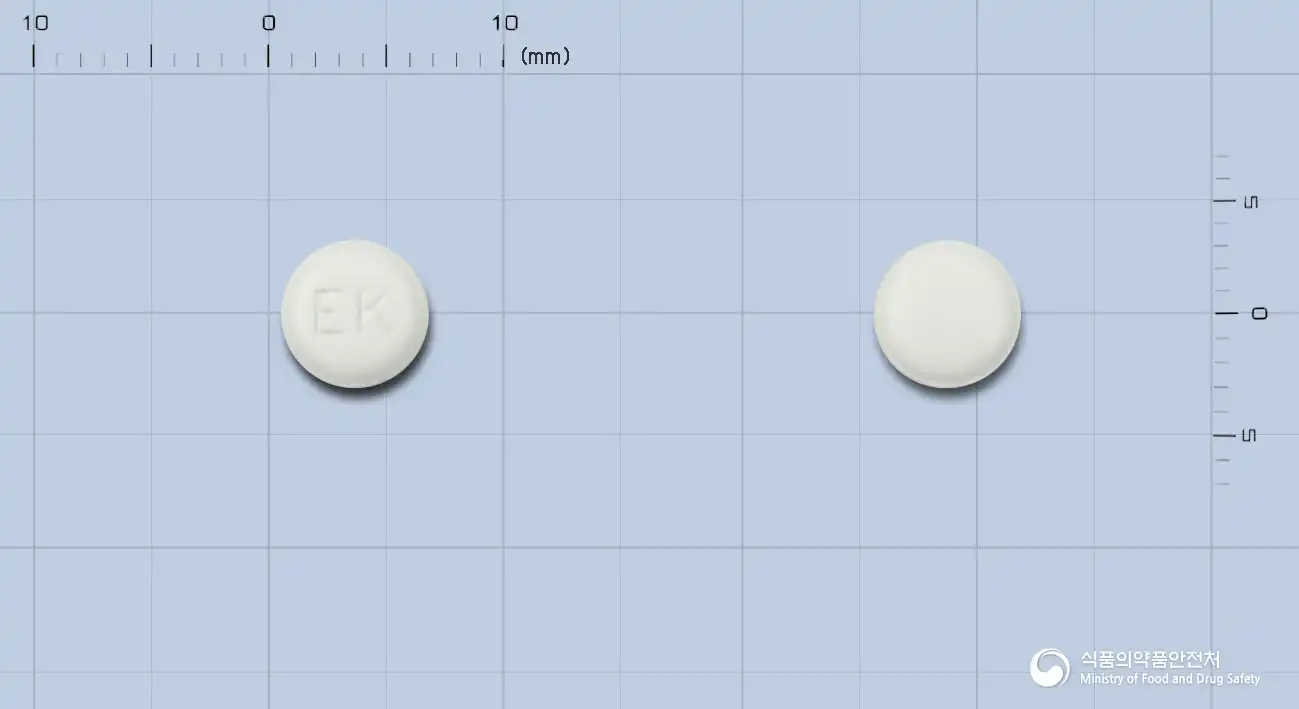
Escitalopram Oxalate 6.39mg
Tablet · Prescription medication
Lundbeck Korea Co., Ltd.
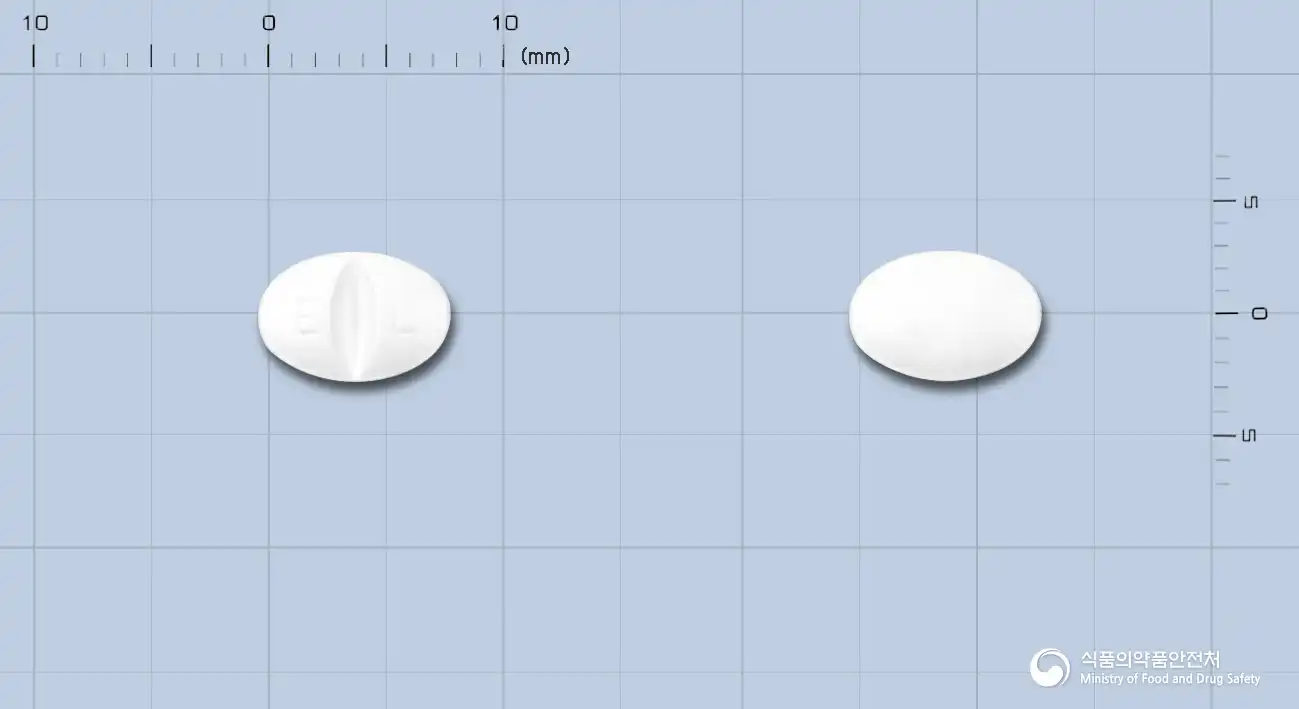
Escitalopram Oxalate 12.77mg
Tablet · Prescription medication
Hanmi Pharmaceuticals Co., Ltd.
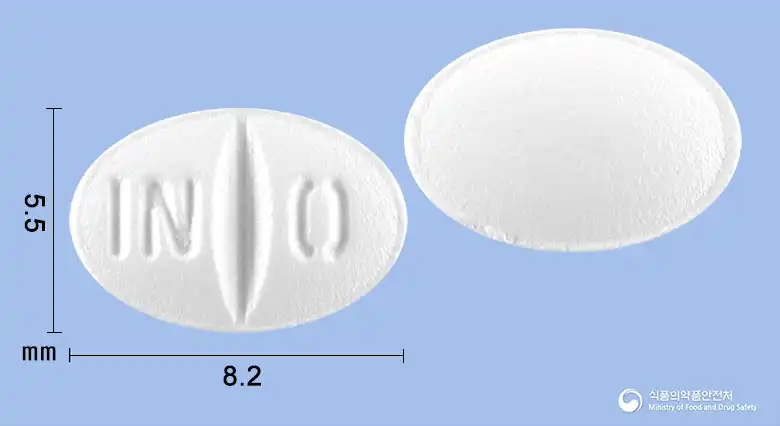
Escitalopram Oxalate 12.77mg
Tablet · Prescription medication
HK inno.N Co., Ltd.
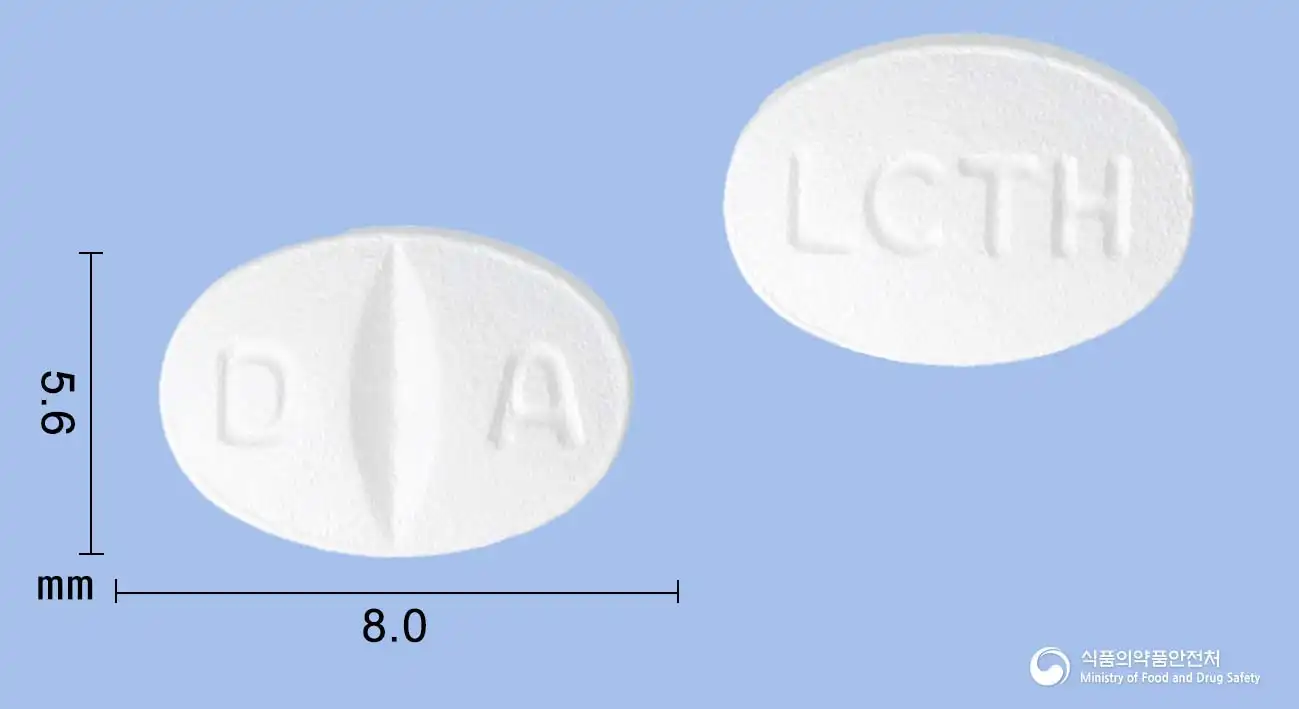
Escitalopram Oxalate 12.77mg
Tablet · Prescription medication
Dong-A ST Co., Ltd.
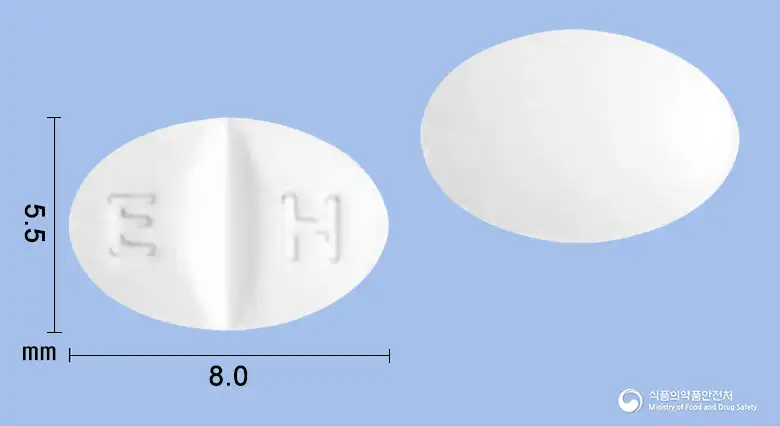
Escitalopram Oxalate 12.77mg
Tablet · Prescription medication
Hyundai Pharmaceutical Co., Ltd.
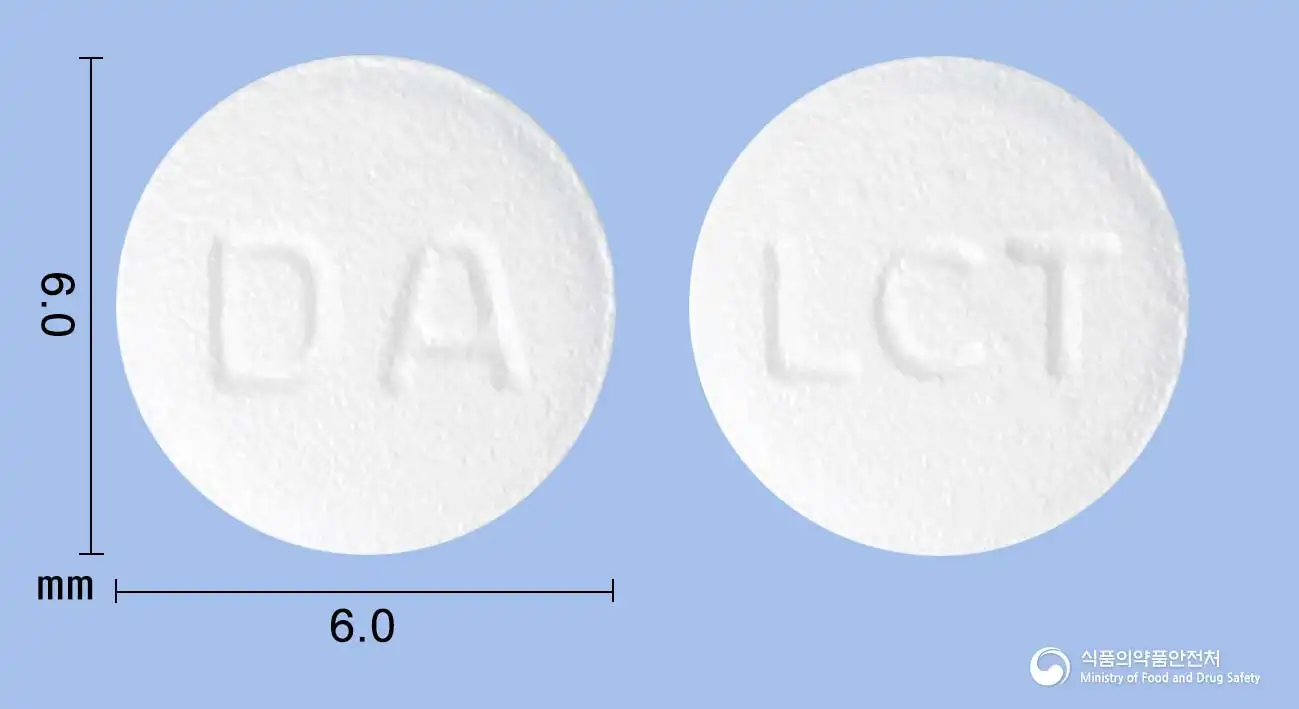
Escitalopram Oxalate 6.39mg
Tablet · Prescription medication
Dong-A ST Co., Ltd.
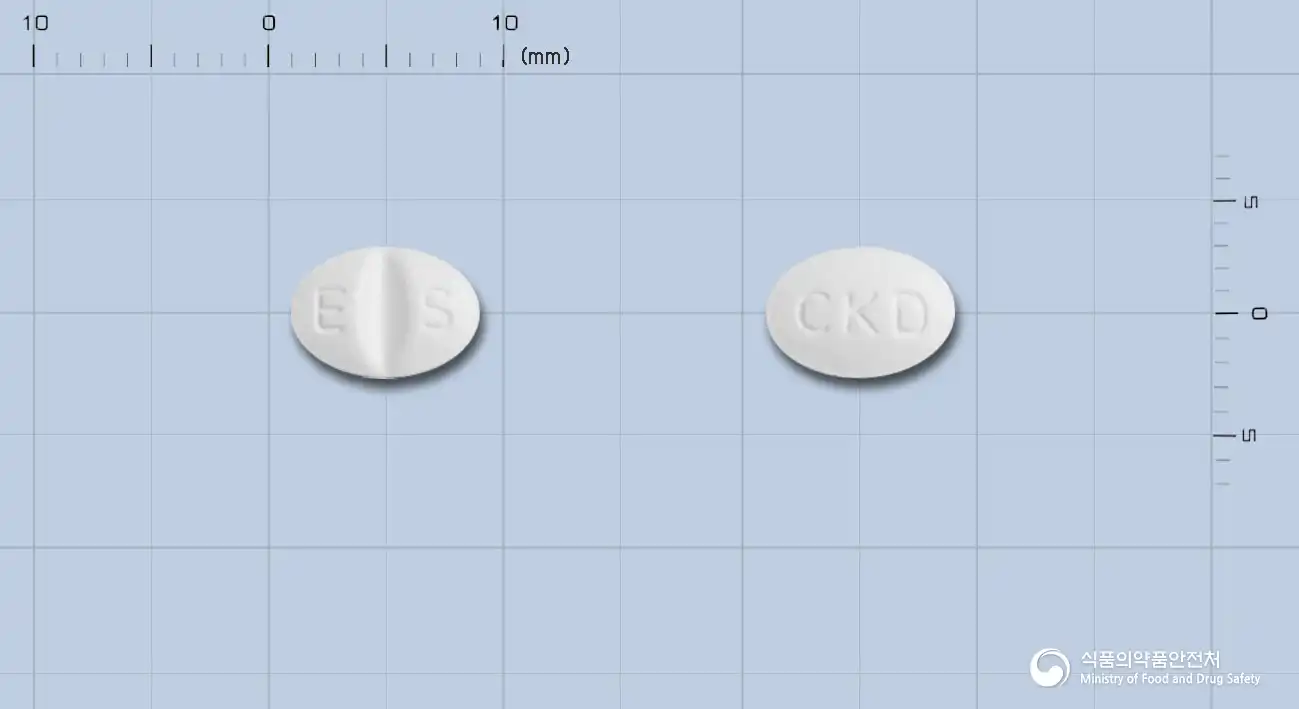
Escitalopram Oxalate 12.77mg
Tablet · Prescription medication
Jongkundang Co., Ltd.
Even with the same ingredient, the dose and directions can differ by strength and dosage form. Talk to a doctor or pharmacist before switching from a medication you are already taking.
No questions yet.
For anything that needs medical judgment, consult a doctor or pharmacist.
This drug information is based on data provided by the Korea Ministry of Food and Drug Safety.
Consult a doctor or pharmacist for accurate dosage, administration, and usage instructions.