
 한국어
한국어 English
 日本語
日本語 中文(简体)
 Viewing nowCombination
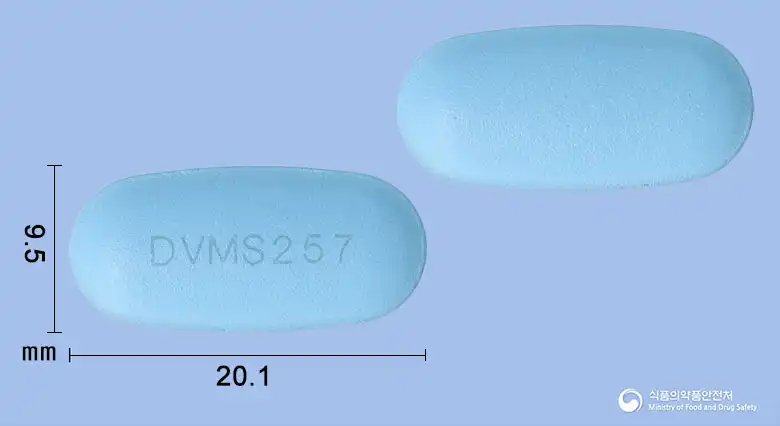
Duvimet SR Tablet 0.25/50/750mg
Metformin Hydrochloride 750mg · Lobeglitazone Sulfate 0.25mg +1 more
Tablet · Prescription medication · Combination
Jongkundang Co., Ltd.
MFDS item code 202301431 · Approved 2023.05.02
Improvement of blood sugar control in adults with type 2 diabetes
This medication is used to assist in blood sugar control for adult patients with type 2 diabetes who are also following dietary and exercise regimens. Particularly, it helps effectively manage blood sugar by combining rosiglitazone, sitagliptin, and metformin. This helps to maintain blood sugar levels stably and contributes to the prevention of complications from diabetes.
This medication is generally administered once a day with the evening meal, and the dosage should be adjusted gradually to reduce gastrointestinal side effects related to metformin. For sustained-release properties, this medication should be swallowed whole without splitting, crushing, or chewing. The sustained-release formulation of this medication contains 0.5/100/1000 mg, taken as one tablet once daily. For this medication in the forms of 0.25/50/500 mg, 0.25/50/750 mg, and 0.25/50/1000 mg, patients should take two tablets at once once daily. If adequate blood sugar control is not achieved with metformin and sitagliptin, the starting doses of this medication should include 0.5 mg of rosiglitazone and 100 mg of sitagliptin along with the dose of metformin hydrochloride they were taking or a therapeutically similar appropriate dose. For patients switching from treatment with a combination of rosiglitazone, sitagliptin, and metformin to this medication, the dose should reflect the previous administration of each ingredient. For patients switching from other hypoglycemic medications to this medication, the safety and efficacy have not been specifically assessed. Any changes in treatment for type 2 diabetes should be conducted under careful monitoring due to the potential for changes in blood glucose control. Special populations: Patients with renal impairment: Due to the need to adjust the dosage based on renal function, it is recommended to periodically evaluate kidney function before and after the administration of this medication. 1. Mildly impaired renal patients [estimated glomerular filtration rate (eGFR) ≥ 60 mL/min/1.73 m² and < 90 mL/min/1.73 m²] do not require dosage adjustments. 2. In patients with moderate renal impairment [CKD stage 3A, eGFR ≥ 45 mL/min/1.73 m² and < 60 mL/min/1.73 m²], the dosage of metformin hydrochloride can be adjusted provided that they tolerate well and do not have other symptoms that would increase the risk of lactic acidosis. - The starting dose for sustained-release metformin hydrochloride should not be initiated with this medication and should be 500 mg or 750 mg once daily. The maximum daily dose of metformin hydrochloride is 1000 mg. Kidney function should be closely monitored every 3-6 months. If creatinine clearance or estimated glomerular filtration rate falls below 45 mL/min or 45 mL/min/1.73 m², administration of this medication should be discontinued immediately.
This medication contains ingredients that can put a strain on the heart, so it should not be used by patients with heart failure or impaired heart function. During treatment, it is important to monitor carefully for symptoms of heart failure such as shortness of breath or swelling, and if such symptoms occur, consult a physician immediately. Additionally, this medication may carry a risk of inducing pancreatitis, so if sudden abdominal pain or vomiting occurs, immediate medical attention should be sought. One of the ingredients in this medication can rarely cause severe allergic reactions, so if symptoms such as hives, rash, or difficulty breathing appear, discontinue use and seek medical attention. It is safe not to use this medication for patients with significantly reduced kidney function or poor liver function, and it is important to conduct kidney and liver function tests before administration. Hypoglycemic symptoms can occur during treatment, so patients should not skip meals, and if hypoglycemic symptoms are suspected, blood sugar should be checked and appropriate actions taken. This medication can cause gastrointestinal disturbances, and initially, symptoms such as nausea, vomiting, and diarrhea may appear; however, these generally improve over time. Excessive alcohol consumption during treatment may increase the risk of side effects from the medication, so it is advisable to avoid drinking. Furthermore, this medication may cause weight gain and edema, so if patients notice sudden weight increases or feelings of swelling, they should inform their physician. Women who are pregnant or planning to become pregnant should definitely consult their physician before taking this medication. In particular, premenopausal women should consider the possibility of pregnancy and take appropriate contraceptive measures. If a surgery is planned or if there is a sudden serious illness, it may be necessary to discuss temporarily discontinuing this medication with a physician. This medication can interact with other drugs, so if patients are taking any other medications, they must inform their physician or pharmacist. Patients should adhere to the prescribed dosage and administration guidelines, and be careful not to double the dose at the next administration if a dose is missed. Regular monitoring of blood sugar and liver, kidney function is essential, and if any abnormal symptoms occur, consulting healthcare professionals immediately is safe.
Hives, severe swelling (edema), chest tightness, difficulty breathing, sweating, pallor, severe rash with high fever, blisters, skin peeling, pain in oral/eye mucous membranes, shortness of breath or difficulty breathing, asthma attack, respiratory distress associated with cough and fever, yellowing of the skin or eyes (jaundice), extreme lethargy, sudden severe headache, thunderclap headache, seizures, altered consciousness, visual disturbances, paralysis, and urine changes.
Not everyone experiences these, and they can vary from person to person.
This medication can be sensitive to air and moisture, so it must be stored in a tightly sealed container. It is important to maintain storage temperatures between 1 degree and 30 degrees Celsius. Storing it this way helps to preserve the medication’s effectiveness.
Light blue, oval-shaped film-coated sustained-release tablets with both sides convex
30 tablets/bottle
Even with the same ingredient, strength, dosage form and how it is taken can differ.
Viewing nowCombinationMetformin Hydrochloride 750mg · Lobeglitazone Sulfate 0.25mg +1 more
Tablet · Prescription medication · Combination
Jongkundang Co., Ltd.
 Combination
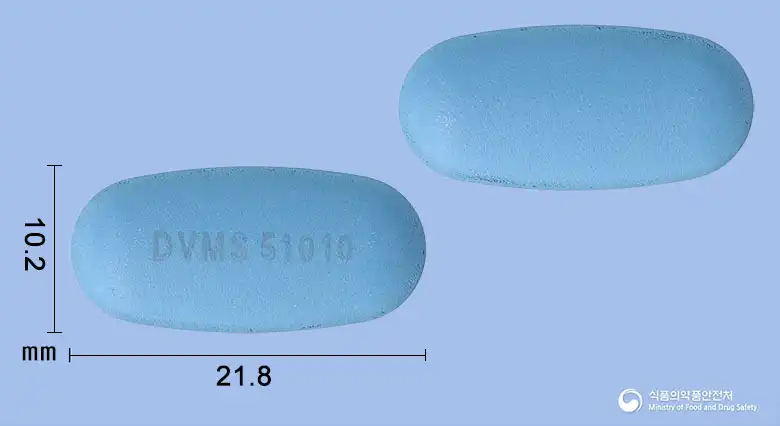
Metformin Hydrochloride 1000mg · Lobeglitazone Sulfate 0.5mg +1 more
Tablet · Prescription medication · Combination
JongKundang Co., Ltd.
 Combination
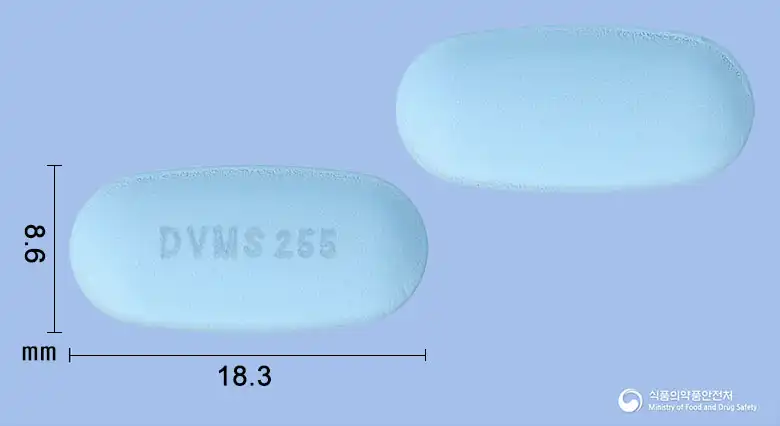
Metformin Hydrochloride 500mg · Lobeglitazone Sulfate 0.25mg +1 more
Tablet · Prescription medication · Combination
Jongkundang Co., Ltd.
 Combination
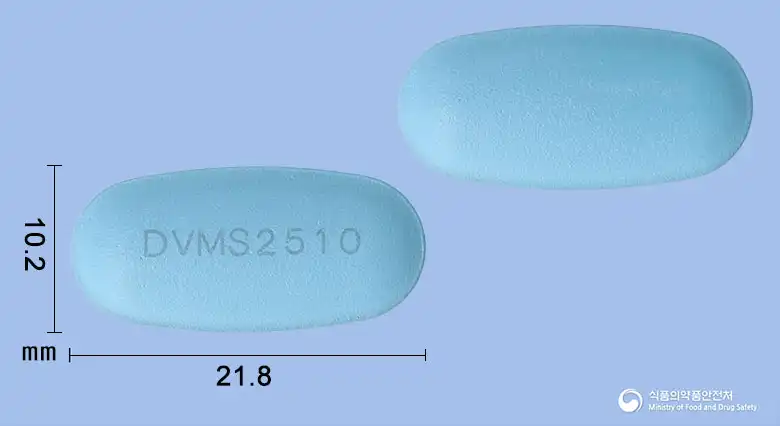
Metformin Hydrochloride 1000mg · Lobeglitazone Sulfate 0.25mg +1 more
Tablet · Prescription medication · Combination
Jongkundang Co., Ltd.
Even with the same ingredient, the dose and directions can differ by strength and dosage form. Talk to a doctor or pharmacist before switching from a medication you are already taking.
No questions yet.
For anything that needs medical judgment, consult a doctor or pharmacist.
This drug information is based on data provided by the Korea Ministry of Food and Drug Safety.
Consult a doctor or pharmacist for accurate dosage, administration, and usage instructions.