
 한국어
 English
 日本語
 中文(简体)
Dosage form image
Viewing nowWegovy Pre-filled Pen 0.25 (Semaglutide), Wegovy Pre-filled Pen 0.5 (0.68 mg/mL, 3 mL) (Semaglutide)
Semaglutide 2mg
Prescription medication
Novo Nordisk Pharmaceuticals Co., Ltd.
MFDS item code 202301388 · Approved 2023.04.27
Treatment of obesity and overweight (weight management, cardiovascular risk reduction)
This medication is used as an adjunct therapy for weight loss and weight maintenance. For adults, it is administered to obese patients with a BMI of 30 or greater or to overweight patients with a BMI of 27 or greater but less than 30 who have weight-related conditions such as prediabetes, hypertension, or dyslipidemia. Additionally, it is used to reduce cardiovascular risks such as myocardial infarction and stroke in overweight or obese patients with confirmed cardiovascular diseases. For adolescents 12 years and older, it is given if they have obesity corresponding to a BMI of 30 for adults and a weight exceeding 60 kg. In adolescents, treatment should be discontinued and reassessed if there is no effect after a certain period. This medication is effective for weight management alongside a calorie-reduced diet and increased physical activity.
Begin with 0.25 mg once weekly, escalating to a maintenance dose of 2.4 mg once weekly. The dosage is gradually increased over 16 weeks: 0.25 mg (weeks 1-4), 0.5 mg (weeks 5-8), 1 mg (weeks 9-12), 1.7 mg (weeks 13-16), maintaining at 2.4 mg. It is not recommended to exceed 2.4 mg once weekly. Subcutaneous injection can be administered in the abdomen, thigh, or upper arm.
For adolescents aged 12 years and older, the same dosage escalation schedule applies as for adults. Begin with 0.25 mg once weekly, gradually increasing over 16 weeks to reach a maintenance dose of 2.4 mg or maximum tolerable dose.
This medication should not be used by patients with allergies to the active ingredients or additives. Patients with dehydration should use this medication cautiously. Fluid loss may occur due to gastrointestinal side effects, so patients should take measures to prevent dehydration, such as ensuring adequate fluid intake. If there is a history of acute pancreatitis or symptoms suggesting it, the use of this medication should be discontinued, and it should not be re-administered if pancreatitis is confirmed. This medication should not be used as a substitute for insulin in patients with type 2 diabetes, nor should it be taken with other drugs of the same class. There is an increased risk of hypoglycemia when this medication is taken with insulin or sulfonylureas, so dose adjustment and blood glucose monitoring are needed. Patients with diabetic retinopathy should have their eye condition closely monitored while using this medication, and it is not recommended for patients with uncontrolled or unstable retinopathy. This medication should be used with caution in specific populations, such as patients with severe renal or hepatic impairment, elderly patients over 85 years of age, and patients with inflammatory bowel disease, as safety and efficacy have not been fully established. Women who are pregnant or planning to become pregnant should not use this medication, and it is also recommended that breastfeeding women refrain from taking this medication. This medication is commonly associated with gastrointestinal side effects, which can include nausea, vomiting, diarrhea, and constipation, and if symptoms are severe, medical consultation should be sought. This medication delays gastric emptying, which can affect the absorption of other oral medications, so it is important to discuss any concomitant medications with a healthcare professional. Dizziness may occur when driving or operating machinery, especially for patients at risk of hypoglycemia. In the event of an overdose, dehydration and gastrointestinal disturbances may occur, so immediate medical attention is necessary. This medication is administered by injection, and the correct injection method and storage procedures must be followed. Use disposable needles and dispose of them safely after use. Store out of reach of children, and require refrigeration while ensuring it does not freeze. It is important to receive thorough education from healthcare providers regarding the correct usage and precautions before using this medication.
Nausea, diarrhea, constipation, vomiting, headache, dizziness, taste disorder, abnormal sensation, hypoglycemia, diabetic retinopathy, hypotension, orthostatic hypotension, increased heart rate, abdominal pain, gastritis, gastroesophageal reflux disease, indigestion, belching, gas retention in the gastrointestinal tract, abdominal distention, acute pancreatitis, delayed gastric emptying, intestinal obstruction, cholelithiasis, hair loss, angioedema, fatigue, injection site reaction, anaphylaxis, nasopharyngitis, gastroenteritis, sinusitis, urinary tract infection, ligament sprain, anxiety, influenza, rash, hives, cholecystitis, fracture, nephrolithiasis, increased amylase, increased lipase, abnormal perception, skin pain, sensitive skin, skin burning sensation
Not everyone experiences these, and they can vary from person to person.
This medication should be stored in a sealed container to prevent exposure to air and should be kept refrigerated between 2 to 8 degrees Celsius, ensuring it does not freeze. Additionally, as light can degrade the medication's efficacy, it should be stored in a place protected from light.
A transparent, colorless or nearly colorless liquid contained in a transparent colorless cartridge, equipped with a dose-adjustable pre-filled pen.
1 pre-filled pen/box [pre-filled pen (1.5 mL)], 1 pre-filled pen/box [pre-filled pen (3 mL)]
Even with the same ingredient, strength, dosage form and how it is taken can differ.
Semaglutide 2mg
Prescription medication
Novo Nordisk Pharmaceuticals Co., Ltd.
Semaglutide 1.34mg
Prescription medication
Novo Nordisk Pharma Co., Ltd.
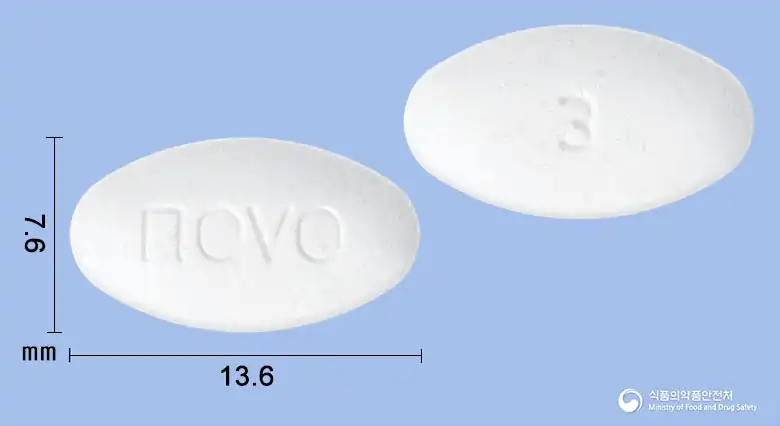
Semaglutide 14mg
Tablet · Prescription medication
Novo Nordisk Pharmaceuticals Ltd.
Semaglutide 9.6mg
Prescription medication
Novo Nordisk Pharma Ltd.
Semaglutide 6.8mg
Prescription medication
Novo Nordisk Pharmaceutical Ltd.
Semaglutide 4mg
Prescription medication
Novo Nordisk Pharmaceutical Co., Ltd.
Semaglutide 2mg
Prescription medication
Novo Nordisk Pharm Co., Ltd.
Even with the same ingredient, the dose and directions can differ by strength and dosage form. Talk to a doctor or pharmacist before switching from a medication you are already taking.
No questions yet.
For anything that needs medical judgment, consult a doctor or pharmacist.
This drug information is based on data provided by the Korea Ministry of Food and Drug Safety.
Consult a doctor or pharmacist for accurate dosage, administration, and usage instructions.