
 한국어
 English
 日本語
 中文(简体)
Dosage form image
Viewing nowEdoxaban Tablets 30 mg (Edoxaban Succinate Hydrate)
Edoxaban Tosylate Hydrate 40.41mg
Tablet · Prescription medication
Nexpam Korea Co., Ltd.
MFDS item code 202301349 · Approved 2023.04.25
Prevention of stroke and embolism in nonvalvular atrial fibrillation; treatment of venous thromboembolism and prevention of recurrence
This medication reduces the risk of stroke and systemic embolism in patients with non-valvular atrial fibrillation and is effective for the treatment of deep vein thrombosis and pulmonary embolism. It also reduces the risk of recurrence of deep vein thrombosis and pulmonary embolism. In other words, this medication is widely used for the prevention and treatment of thrombotic diseases.
This medicine should be administered with water, regardless of meals. 1. Adults 1) Reduction of the risk of stroke and systemic embolism in patients with nonvalvular atrial fibrillation • Body weight ≤ 60kg: The recommended dose of this medicine is 30mg once daily. • Body weight > 60kg: The recommended dose of this medicine is 60mg once daily. However, for patients with one or more of the following factors, the recommended dose of this medicine is 30mg once daily. ‣ Moderate to severe renal impairment (15 ≤ CrCL ≤ 50mL/min) ‣ Concomitant use of P-gp inhibitors (cyclosporine, dronedarone, erythromycin, ketoconazole) For elderly patients at high risk of bleeding, a dose of 15mg once daily may be used depending on age and condition. (See section '9. Use in the Elderly' under Precautions for Use.) 2) Treatment of deep vein thrombosis and pulmonary embolism/reduction of the risk of recurrence of deep vein thrombosis and pulmonary embolism Administer this medicine after at least 5 days of parenteral anticoagulant use. • Body weight ≤ 60kg: The recommended dose of this medicine is 30mg once daily. • Body weight > 60kg: The recommended dose of this medicine is 60mg once daily. However, for patients with one or more of the following factors, the recommended dose of this medicine is 30mg once daily. ‣ Moderate to severe renal impairment (15 ≤ CrCL ≤ 50mL/min) ‣ Concomitant use of P-gp inhibitors (cyclosporine, dronedarone, erythromycin, ketoconazole) 2. Switching medications 2.1 Switching from another medication to this medicine 1) Switching from a vitamin K antagonist to this medicine Discontinue vitamin K antagonist treatment and initiate this medicine when the International Normalized Ratio (INR) is ≤ 2.5. 2) Switching from an oral anticoagulant other than a vitamin K antagonist (dabigatran, rivaroxaban, apixaban) to this medicine Discontinue oral anticoagulant treatment and initiate this medicine when the next dose of the oral anticoagulant would have been due. 3) Switching from a parenteral anticoagulant to this medicine (1) Low-molecular-weight heparin (LMWH) Discontinue LMWH and initiate this medicine when the next dose of LMWH would have been due. (2) Unfractionated heparin (UFH) Discontinue the intravenous UFH infusion and initiate this medicine 4 hours later. 2.2 Switching from this medicine to another medication 1) Switching from this medicine to a vitamin K antagonist Inadequate anticoagulation may occur during the transition from this medicine to a vitamin K antagonist. Adequate anticoagulant effect must be maintained continuously during the transition to another anticoagulant. (1) Oral option For patients receiving 60mg of this medicine, administer 30mg of this medicine once daily together with an appropriate dose of a vitamin K antagonist. For patients receiving 30mg of this medicine, administer 15mg of this medicine once daily together with an appropriate dose of a vitamin K antagonist. During the first 14 days of concomitant administration, it is recommended that INR be measured at least 3 times. To minimize the effect of this medicine on INR measurements, measure INR before administering this medicine. Once INR ≥ 2.0 is stably achieved, discontinue this medicine and continue vitamin K antagonist treatment. (2) Parenteral option Discontinue this medicine and administer a parenteral anticoagulant and a vitamin K antagonist when the next dose of this medicine would have been due. Once INR ≥ 2.0 is stably achieved, discontinue the parenteral anticoagulant and continue vitamin K antagonist treatment. 2) Switching from this medicine to an oral anticoagulant other than a vitamin K antagonist (dabigatran, rivaroxaban, apixaban) Discontinue this medicine and initiate the oral anticoagulant when the next dose of this medicine would have been due. 3) Switching from this medicine to a parenteral anticoagulant Discontinue this medicine and initiate the parenteral anticoagulant when the next dose of this medicine would have been due. 3. Patients with renal impairment No dose adjustment is required for patients with mild renal impairment (50 < CrCL ≤ 80mL/min). For patients with moderate to severe renal impairment (15 ≤ CrCL ≤ 50mL/min), the recommended dose of this medicine is 30mg once daily. For reduction of the risk of stroke and systemic embolism in patients with nonvalvular atrial fibrillation, a dose of 15mg once daily should be considered, depending on age and condition, for elderly patients at high risk of bleeding with creatinine clearance of 15 ≤ CrCL < 30 mL/min (see section '9. Use in the Elderly' under Precautions for Use). 4. If you miss a dose of this medicine If you miss a dose, take this medicine as soon as possible on the same day, and take the next day's dose according to the recommended dosage and administration. Do not take twice the recommended daily dose to make up for a missed dose. 5. Patients who cannot swallow tablets For patients who cannot swallow tablets, this medicine may be crushed immediately before use, mixed with water or a beverage such as applesauce, and administered orally. Alternatively, this medicine may be crushed, suspended in a small amount of water, and administered through a nasogastric tube, followed by flushing the tube with water. Crushed this medicine is stable in water and applesauce for up to 4 hours.
This medication is used to prevent or treat blood clots by inhibiting blood coagulation. The most important point when using this medication is that the risk of bleeding may increase. Bleeding can occur in any part of the body, so if there is an unexplained decrease in blood counts or blood pressure, it is important to promptly check for bleeding. If severe bleeding occurs, it is necessary to stop using this medication and quickly investigate the bleeding site. Patients at high risk for bleeding should be closely monitored for bleeding or anemia symptoms after starting this medication. This medication should not be used in certain patients. For example, it should not be administered to patients who are allergic to this medication or its ingredients, have severe bleeding, have end-stage renal disease, have severe liver disease, or have a history of recent gastrointestinal ulcers or intracranial hemorrhage. Caution is also necessary when using alongside other anticoagulants, and patients with uncontrolled hypertension or certain heart conditions should not use this medication. Particular care should be taken when using this medication in combination with drugs that may increase bleeding risk, such as aspirin, non-steroidal anti-inflammatory drugs, antiplatelet agents, or certain antidepressants. Patients with impaired liver or kidney function should also be cautious when using this medication, and regular liver function and kidney function tests are recommended. If planning to undergo surgery or invasive procedures, this medication should be discontinued in advance to reduce the risk of bleeding, and it should not be resumed until bleeding is adequately controlled post-procedure. This medication should not be used in pregnant or breastfeeding women, and women of childbearing age should consult with their doctor regarding pregnancy plans. Elderly patients or those with diminished kidney function may require dose adjustments. If an overdose occurs, the risk of bleeding increases, and medical personnel should be informed immediately, as there is no antidote for this medication, requiring prompt response to bleeding symptoms. Finally, this medication affects blood coagulation test results, making accurate assessment of the drug's effect challenging with standard coagulation tests. During the use of this medication, it is important to always be vigilant for bleeding symptoms, follow the doctor's directions for regular testing, and use it safely.
Not everyone experiences these, and they can vary from person to person.
This medication should be stored in a tightly sealed container to avoid exposure to air or moisture. It is important to maintain the storage temperature between 1 to 30 degrees Celsius to ensure the efficacy of the medication.
Pink round film-coated tablet
28 tablets per box
Even with the same ingredient, strength, dosage form and how it is taken can differ.
Edoxaban Tosylate Hydrate 40.41mg
Tablet · Prescription medication
Nexpam Korea Co., Ltd.
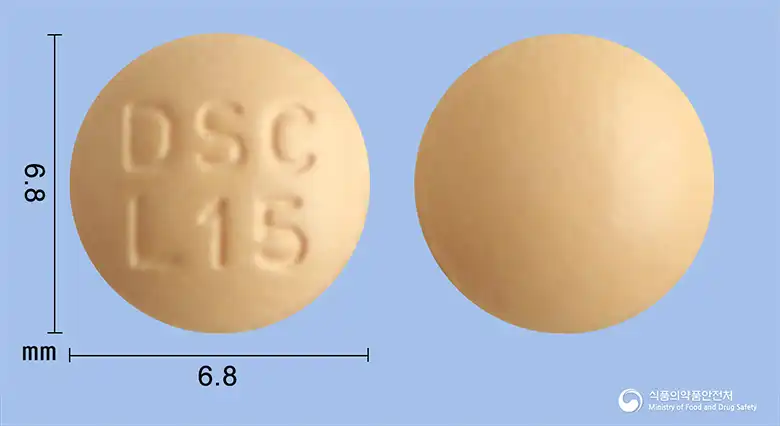
Edoxaban Tosylate Hydrate 20.205mg
Tablet · Prescription medication
Dong-A Socio Holdings Co., Ltd.

Edoxaban Tosylate Hydrate 40.41mg
Tablet · Prescription medication
Hanmi Daiichi Sankyo Co., Ltd.
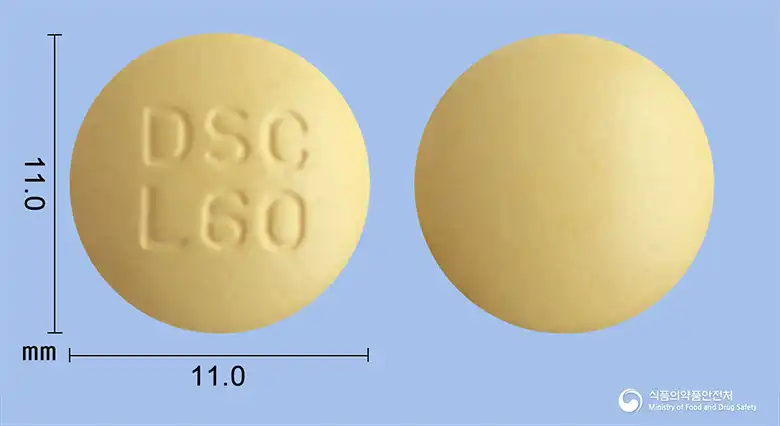
Edoxaban Tosylate Hydrate 80.82mg
Tablet · Prescription medication
Daichi Sankyo Korea Co., Ltd.
Edoxaban Tosylate Hydrate 20.205mg
Orally disintegrating Tablet · Prescription medication
Dong-A ST Co., Ltd.
Edoxaban Tosylate Hydrate 80.82mg
Orally disintegrating Tablet · Prescription medication
Dong-A ST Co., Ltd.
Edoxaban Tosylate Hydrate 40.41mg
Orally disintegrating Tablet · Prescription medication
Dong-A ST Co., Ltd.
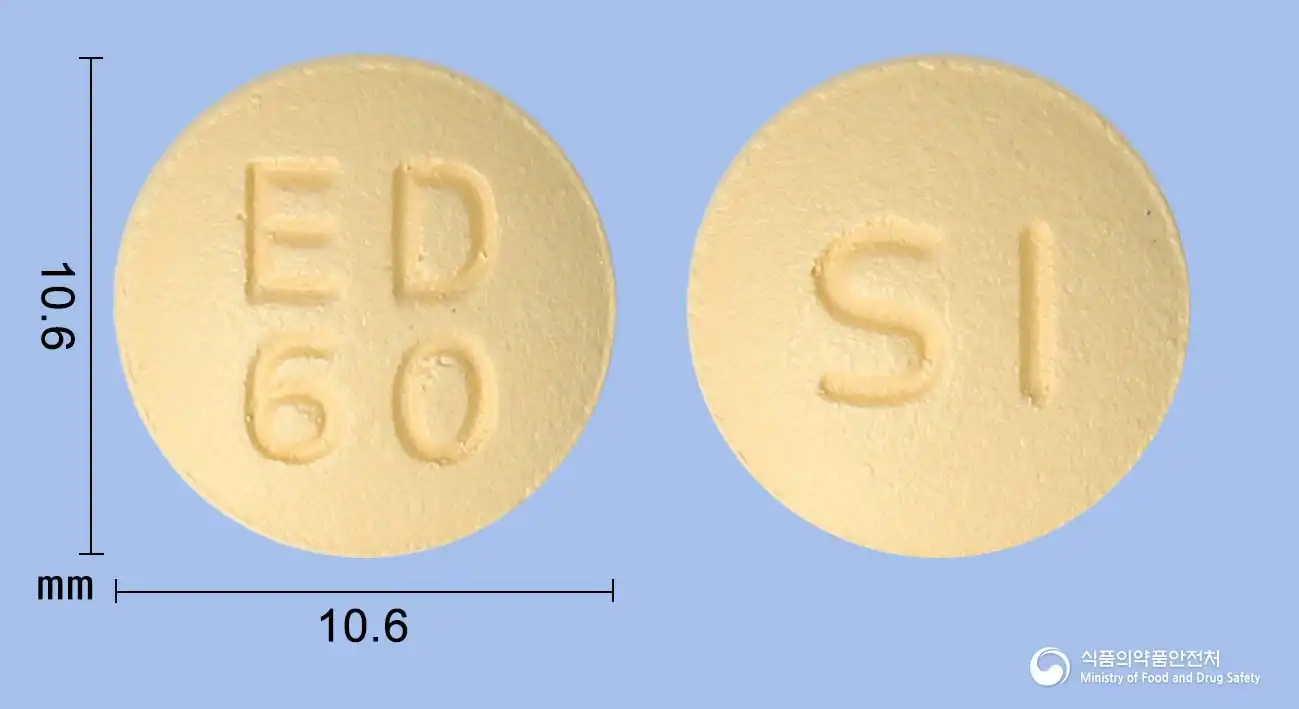
Edoxaban Tosylate Hydrate 80.82mg
Tablet · Prescription medication
Shinil Pharmaceutical Co., Ltd.
Even with the same ingredient, the dose and directions can differ by strength and dosage form. Talk to a doctor or pharmacist before switching from a medication you are already taking.
No questions yet.
For anything that needs medical judgment, consult a doctor or pharmacist.
This drug information is based on data provided by the Korea Ministry of Food and Drug Safety.
Consult a doctor or pharmacist for accurate dosage, administration, and usage instructions.