
 한국어
 English
 日本語
 中文(简体)
Dosage form image
Viewing nowAhn-guk Edoxaban Tablets 60 mg (Edoxaban Tosilate Hydrate)
Edoxaban Tosylate Hydrate 80.82mg
Tablet · Prescription medication
Ahn-guk Pharmaceutical Co., Ltd.
MFDS item code 202301281 · Approved 2023.04.19
Prevention of stroke and embolism in atrial fibrillation; treatment of deep vein thrombosis and pulmonary embolism and prevention of recurrence
This medication helps reduce the risk of stroke and systemic embolism in patients with non-valvular atrial fibrillation. It is also effective in treating venous thromboembolism and reducing the risk of recurrence. This medication is used to prevent and treat complications caused by thrombosis.
This medicine should be taken with water, regardless of meals. 1. Adults 1) Reduction of the risk of stroke and systemic embolism in patients with nonvalvular atrial fibrillation • Body weight 60kg or less: The recommended dose of this medicine is 30mg once daily. • Body weight over 60kg: The recommended dose of this medicine is 60mg once daily. However, in patients with one or more of the following factors, the recommended dose of this medicine is 30mg once daily. ‣ Moderate to severe renal impairment (15 ≤ CrCL ≤ 50mL/min) ‣ Concomitant use of a P-gp inhibitor (cyclosporine, dronedarone, erythromycin, ketoconazole) In elderly patients at high risk of bleeding, a dose of 15mg once daily may be administered depending on age and condition. (See “9. Administration to the Elderly” under Precautions for Use.) 2) Treatment of deep vein thrombosis and pulmonary embolism/Reduction of the risk of recurrence of deep vein thrombosis and pulmonary embolism Administer this medicine after at least 5 days of parenteral anticoagulant therapy. • Body weight 60kg or less: The recommended dose of this medicine is 30mg once daily. • Body weight over 60kg: The recommended dose of this medicine is 60mg once daily. However, in patients with one or more of the following factors, the recommended dose of this medicine is 30mg once daily. ‣ Moderate to severe renal impairment (15 ≤ CrCL ≤ 50mL/min) ‣ Concomitant use of a P-gp inhibitor (cyclosporine, dronedarone, erythromycin, ketoconazole) 2. Switching medications 2.1 Switching from another medicine to this medicine 1) Switching from a vitamin K antagonist to this medicine Discontinue vitamin K antagonist therapy and start this medicine when the international normalized ratio (INR) is 2.5 or less. 2) Switching from a non-vitamin K antagonist oral anticoagulant (dabigatran, rivaroxaban, apixaban) to this medicine Discontinue oral anticoagulant therapy and start this medicine at the time of the next scheduled dose of the oral anticoagulant. 3) Switching from a parenteral anticoagulant to this medicine (1) Low-molecular-weight heparin (LMWH) Discontinue LMWH and start this medicine at the time of the next scheduled LMWH dose. (2) Unfractionated heparin (UFH) Discontinue the intravenous UFH infusion and start this medicine 4 hours later. 2.2 Switching from this medicine to another medicine 1) Switching from this medicine to a vitamin K antagonist Inadequate anticoagulation may occur during the transition from this medicine to a vitamin K antagonist. Adequate anticoagulant effect must be maintained continuously during the transition to another anticoagulant. (1) Oral option For patients receiving 60mg of this medicine, administer 30mg of this medicine once daily together with an appropriate dose of a vitamin K antagonist. For patients receiving 30mg of this medicine, administer 15mg of this medicine once daily together with an appropriate dose of a vitamin K antagonist. During the first 14 days of concomitant administration, it is recommended that INR be measured at least 3 times; measurements should be taken before administration of this medicine to minimize its effect on the INR measurement. Once INR ≥ 2.0 is stably achieved, discontinue this medicine and continue vitamin K antagonist therapy. (2) Parenteral option Discontinue this medicine and administer a parenteral anticoagulant and a vitamin K antagonist at the time of the next scheduled dose of this medicine. Once INR ≥ 2.0 is stably achieved, discontinue the parenteral anticoagulant and continue vitamin K antagonist therapy. 2) Switching from this medicine to a non-vitamin K antagonist oral anticoagulant (dabigatran, rivaroxaban, apixaban) Discontinue this medicine and start the oral anticoagulant at the time of the next scheduled dose of this medicine. 3) Switching from this medicine to a parenteral anticoagulant Discontinue this medicine and start the parenteral anticoagulant at the time of the next scheduled dose of this medicine. 3. Patients with renal impairment No dose adjustment of this medicine is required in patients with mild renal impairment (50 < CrCL ≤ 80mL/min). The recommended dose of this medicine in patients with moderate to severe renal impairment (15 ≤ CrCL ≤ 50mL/min) is 30mg once daily. For reduction of the risk of stroke and systemic embolism in patients with nonvalvular atrial fibrillation, in elderly patients at high risk of bleeding with creatinine clearance of 15 ≤ CrCL < 30mL/min, administration of 15mg once daily should be considered depending on age and condition (see “9. Administration to the Elderly” under Precautions for Use). 4. If you forget to take this medicine If you forget to take this medicine, take it immediately on the same day, and take the next dose the following day according to the recommended dosage and administration. Do not take twice the recommended daily dose to make up for a missed dose. 5. Patients who cannot swallow tablets For patients who cannot swallow tablets, immediately before use, this medicine may be crushed, mixed with water or a beverage such as applesauce, and taken orally. Alternatively, this medicine may be crushed, suspended in a small amount of water, and administered through a nasogastric tube, followed by flushing the tube with water. Crushed this medicine is stable for up to 4 hours in water and applesauce.
This medication may increase the risk of bleeding, so special care should be taken in conditions with a high risk of bleeding. If bleeding occurs during treatment, the affected area should be checked immediately and appropriate actions taken. Patients at high risk of bleeding should be closely monitored for symptoms of bleeding or anemia after administration of this medication. It should not be administered to patients with allergies to this medication, or those with severe bleeding, severe renal or liver disease. Patients with recent gastrointestinal ulcers, intracranial bleeding, or severe hypertension should also avoid using this medication. Caution is necessary when using this medication in conjunction with other anticoagulants, as the risk of bleeding may be further increased. This medication may increase the risk of bleeding when used with acetylsalicylic acid, antiplatelet agents, NSAIDs, antidepressants, and other drugs affecting bleeding. Pregnant or breastfeeding women should not use this medication, and women planning to become pregnant should consult a physician. Dosage adjustment may be necessary in elderly patients or those with impaired renal function. The use of this medication should be discontinued before any surgical or invasive procedures to mitigate the risk of bleeding, and resumption should occur at an appropriate time after procedures. This medication may affect blood coagulation test results, but routine anticoagulant monitoring is not necessary. In case of overdose, the risk of bleeding increases, so healthcare personnel should be notified immediately, and there is no specific antidote for this medication. If symptoms such as difficulty breathing, severe dizziness, or sudden bleeding occur while using this medication, immediate medical attention should be sought.
Not everyone experiences these, and they can vary from person to person.
This medication may be sensitive to air or moisture, so it should be stored in a tightly sealed container. It is advisable to keep it at room temperature between 1°C and 30°C. Proper storage will help maintain the effectiveness of the medication.
Yellow circular film-coated tablet
10 tablets/box [10 tablets/PTP]
Even with the same ingredient, strength, dosage form and how it is taken can differ.
Edoxaban Tosylate Hydrate 80.82mg
Tablet · Prescription medication
Ahn-guk Pharmaceutical Co., Ltd.
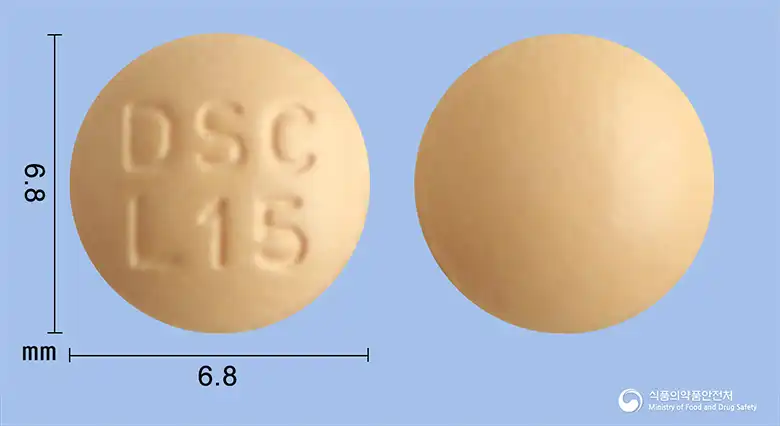
Edoxaban Tosylate Hydrate 20.205mg
Tablet · Prescription medication
Dong-A Socio Holdings Co., Ltd.
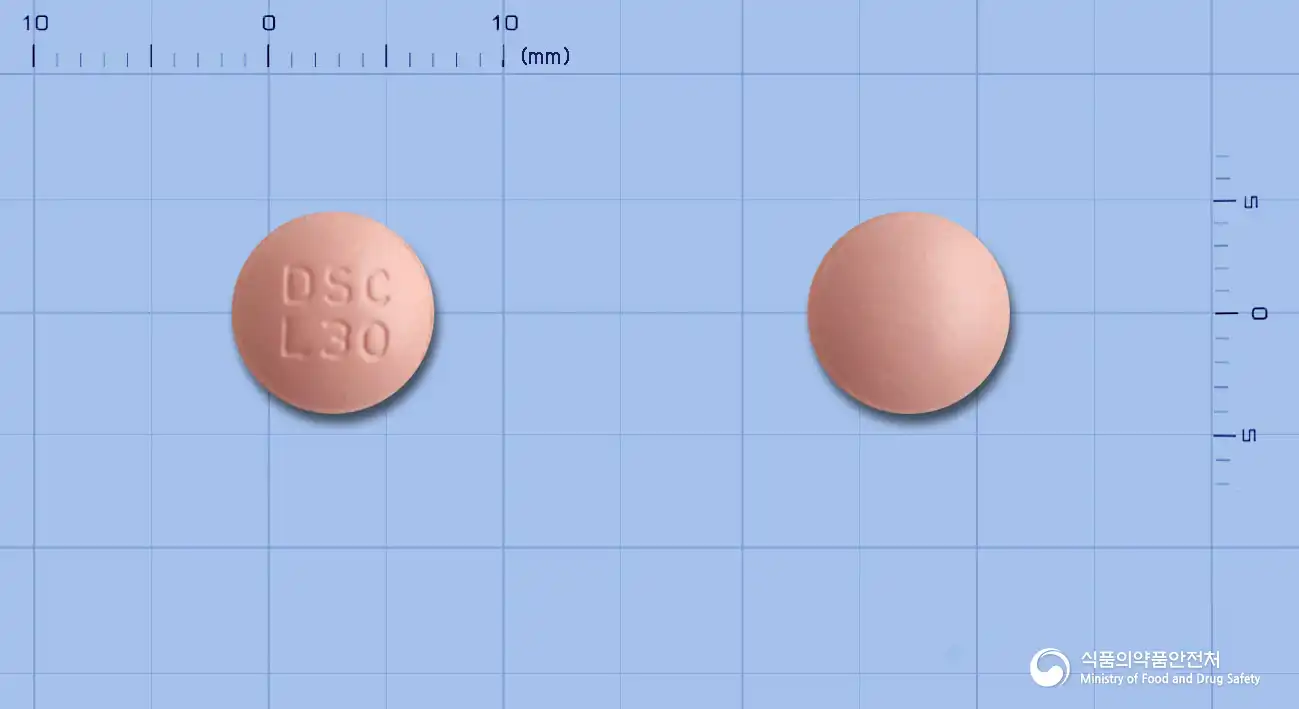
Edoxaban Tosylate Hydrate 40.41mg
Tablet · Prescription medication
Hanmi Daiichi Sankyo Co., Ltd.
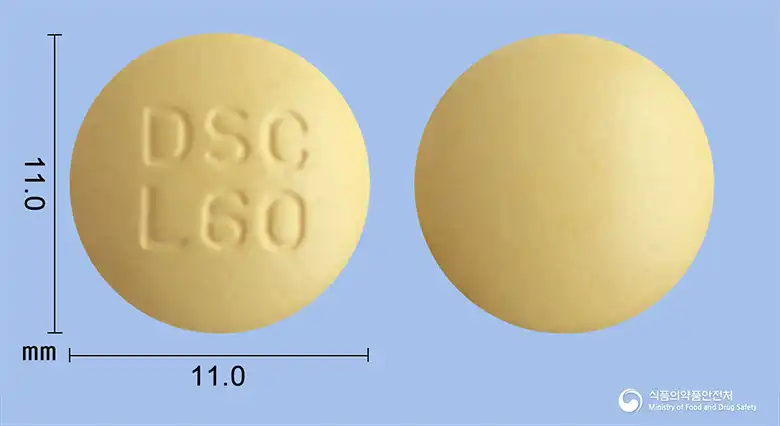
Edoxaban Tosylate Hydrate 80.82mg
Tablet · Prescription medication
Daichi Sankyo Korea Co., Ltd.
Edoxaban Tosylate Hydrate 20.205mg
Orally disintegrating Tablet · Prescription medication
Dong-A ST Co., Ltd.
Edoxaban Tosylate Hydrate 80.82mg
Orally disintegrating Tablet · Prescription medication
Dong-A ST Co., Ltd.
Edoxaban Tosylate Hydrate 40.41mg
Orally disintegrating Tablet · Prescription medication
Dong-A ST Co., Ltd.
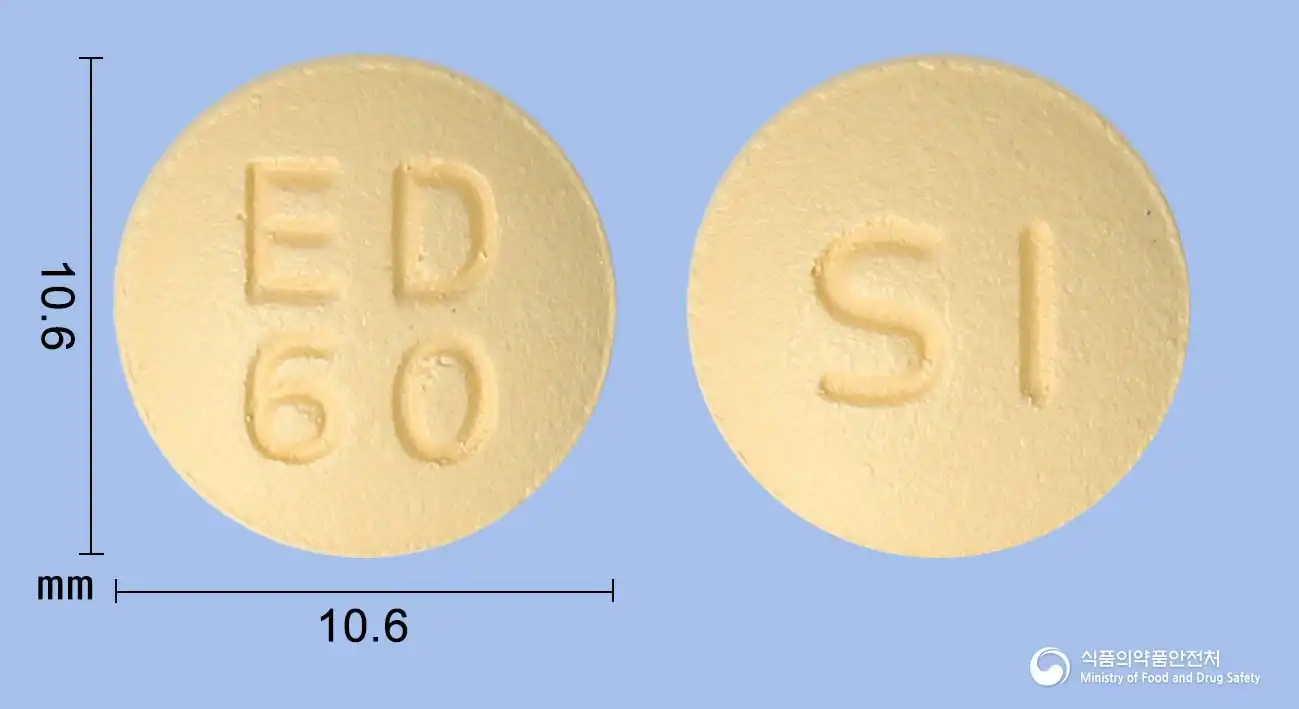
Edoxaban Tosylate Hydrate 80.82mg
Tablet · Prescription medication
Shinil Pharmaceutical Co., Ltd.
Even with the same ingredient, the dose and directions can differ by strength and dosage form. Talk to a doctor or pharmacist before switching from a medication you are already taking.
No questions yet.
For anything that needs medical judgment, consult a doctor or pharmacist.
This drug information is based on data provided by the Korea Ministry of Food and Drug Safety.
Consult a doctor or pharmacist for accurate dosage, administration, and usage instructions.