
 한국어
 English
 日本語
 中文(简体)
Dosage form image
Viewing nowBotiesetin 5 mg (Botiuxetine Hydrochloride)
Vortioxetine Hydrobromide 6.355mg
Tablet · Prescription medication
Unimed Pharmaceutical Co., Ltd.
MFDS item code 202301274 · Approved 2023.04.19
Treatment of major depressive disorder
This medication is used to treat major depressive disorder. Major depressive disorder is a psychological condition that can significantly interfere with daily life, accompanied by low mood and various symptoms. This medication helps alleviate symptoms and improve the patient's mental health.
1. Adults The initial and recommended dose of this medicine is 10mg once daily. Depending on the patient's response, the dose may be increased to a maximum of 20mg daily or reduced to a minimum of 5mg daily. This medicine may be taken with or without food. 1) Maintenance treatment To ensure the treatment effect, medication for at least 6 months is recommended even after depressive symptoms have resolved. 2) Discontinuation This medicine may be discontinued immediately without the need for gradual dose reduction. 2. Use in elderly patients For patients aged 65 years or older, the initial dose is 5mg once daily. Use caution when treating with this medicine at doses of 10mg or more per day. 3. Use with cytochrome P450 inhibitors and inducers 1) Cytochrome P450 inhibitors When this medicine is co-administered with potent cytochrome P450 inhibitors (e.g., bupropion, quinidine, fluoxetine, paroxetine), reduce the dose of this medicine according to the patient's response (see Section 6. Interactions). 2) Cytochrome P450 inducers When this medicine is co-administered with broad-spectrum cytochrome P450 inducers (e.g., rifampicin, carbamazepine, phenytoin), the dose of this medicine may be adjusted according to the patient's response (see Section 6. Interactions). 4. Use with monoamine oxidase inhibitors (MAOIs) 1) Switching MAO inhibitors used to treat psychiatric disorders When discontinuing an MAO inhibitor used to treat a psychiatric disorder and starting treatment with this medicine, an interval of at least 14 days must be allowed. Conversely, at least 14 days must have elapsed after discontinuing this medicine before starting an MAO inhibitor to treat a psychiatric disorder. 2) Other MAO inhibitors, such as linezolid or methylene blue Because of the increased risk of serotonin syndrome, treatment with this medicine should not be initiated in patients receiving linezolid or intravenous methylene blue. For patients requiring other interventions, including hospitalization, or more urgent treatment of a psychiatric condition, consider whether to administer this medicine. Linezolid or intravenous methylene blue may need to be administered urgently to a patient already receiving this medicine. If there is no alternative to linezolid or intravenous methylene blue and, for a particular patient, the benefits of treatment with linezolid or intravenous methylene blue are judged to outweigh the risk of serotonin syndrome, this medicine may be discontinued immediately and linezolid or intravenous methylene blue administered. Patients should be monitored for symptoms of serotonin syndrome for 2 weeks after administration of linezolid or intravenous methylene blue, or for 24 hours after the last dose, whichever occurs first. Treatment with this medicine may be restarted 24 hours after the last dose of linezolid or intravenous methylene blue. The risk associated with methylene blue administered by non-intravenous routes (oral tablets or local injection), or with intravenous doses of 1mg/kg or less, is unclear. Nevertheless, clinicians should be aware of the potential for emergency symptoms of serotonin syndrome with these uses.
This medication is an antidepressant used to treat major depression. During the course of taking this medication, there is an increased risk of suicidal thoughts or behaviors, especially in children, adolescents, and young adults (ages 18–24), so doctors should carefully assess the need for treatment and potential risks. After starting treatment, careful monitoring for worsening depression, suicidal thoughts, aggression, anger, or other abnormal behaviors is essential for all age groups, and family members or caregivers should also closely observe the patient. This medication can cause a serious side effect called serotonin syndrome, which is more likely to occur when taken with other serotonergic drugs. Symptoms of serotonin syndrome include changes in mental status (agitation, hallucinations, coma, etc.), unstable blood pressure, tremors, seizures, nausea, diarrhea, etc. If these symptoms occur, the medication should be stopped immediately, and medical attention should be sought. This medication should not be taken in combination with certain antidepressants known as MAO inhibitors, and there must be a minimum of 14 days after stopping an MAO inhibitor before starting this medication. Additionally, this medication may cause side effects such as nausea, diarrhea, headache, dizziness, insomnia, aggression, and bleeding tendencies, so consultation with a doctor is necessary if such symptoms occur. Patients with a history of seizures, or those with severely impaired liver or kidney function, should use this medication cautiously. Patients at risk of bleeding or those taking anticoagulants should also be careful. If pregnant or nursing, the use of this medication may affect the fetus or newborn, so it must be discussed with a doctor before taking. The safety and efficacy of this medication in children and adolescents have not been adequately established, so its use in this age group is not recommended. Dosing for elderly patients should be adjusted, and their condition should be closely monitored during treatment. As this medication is metabolized by various enzymes in the liver, interactions may occur when taken with other drugs, particularly serotonergic drugs, anticoagulants, and certain antidepressants, which may increase the risk of bleeding or serotonin syndrome. Abruptly stopping the medication may lead to withdrawal symptoms such as nausea, sweating, anxiety, dizziness, so dosage should be gradually reduced as per the doctor's instructions. In cases of overdose, symptoms may include nausea, dizziness, diarrhea, drowsiness, so strict adherence to the prescribed dosage is required, and immediate medical attention should be sought for any unusual symptoms. This medication should be kept out of reach of children and should not be transferred to another container. Caution is needed while driving or operating machinery, and it is advisable to avoid alcohol consumption.
Not everyone experiences these, and they can vary from person to person.
This medication must be stored in a tightly sealed container to protect it from air and moisture. It is important to maintain a storage temperature between 1 degree and 30 degrees Celsius to safely preserve the medication's effectiveness.
Pink rectangular film-coated tablet
200 tablets/bottle
Even with the same ingredient, strength, dosage form and how it is taken can differ.
Vortioxetine Hydrobromide 6.355mg
Tablet · Prescription medication
Unimed Pharmaceutical Co., Ltd.
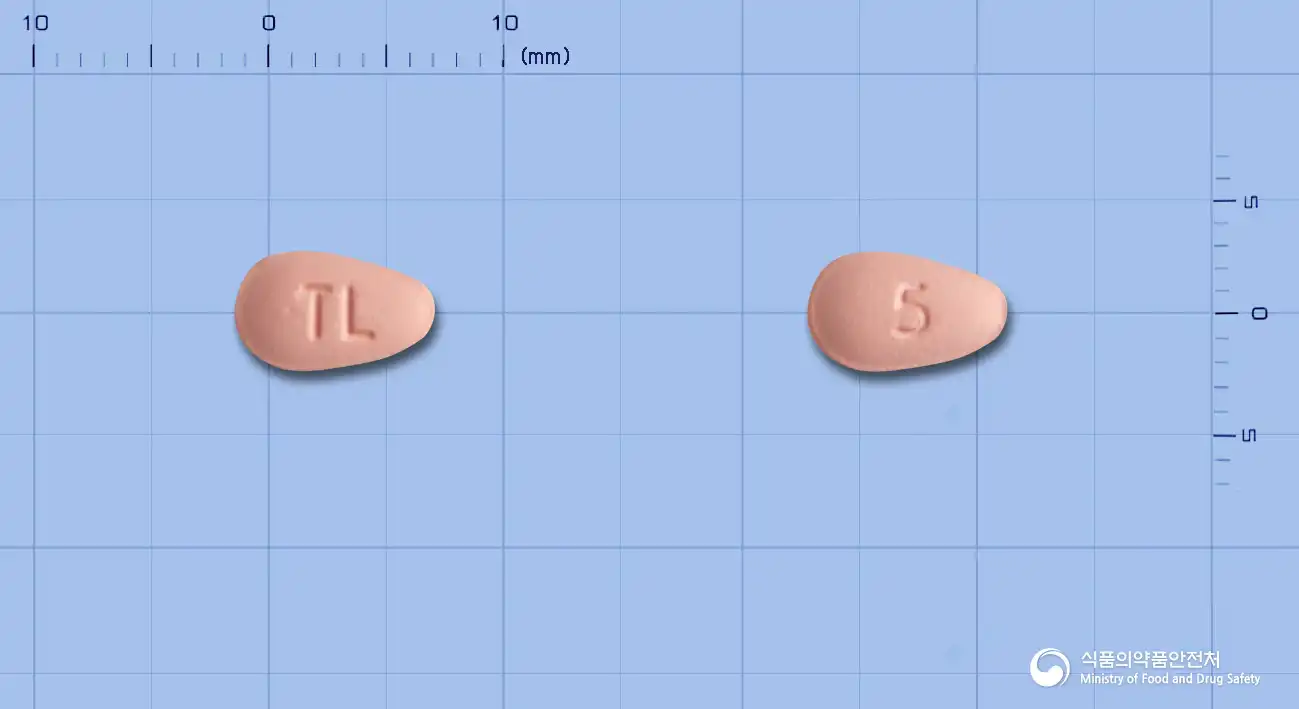
Vortioxetine Hydrobromide 6.355mg
Tablet · Prescription medication
HanKook Lundbeck Co., Ltd.
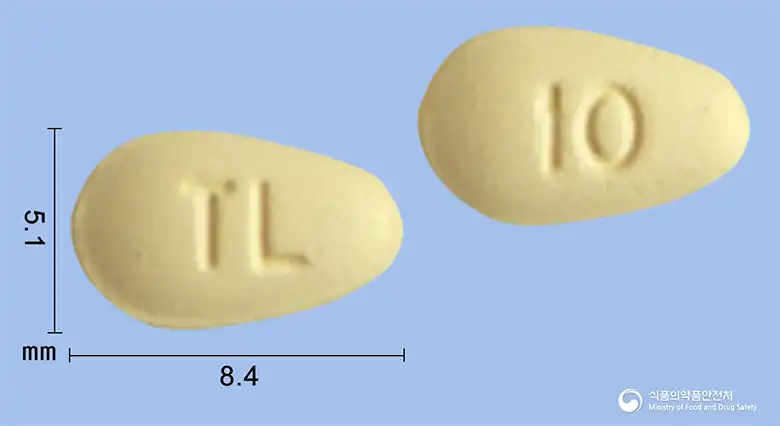
Vortioxetine Hydrobromide 12.71mg
Tablet · Prescription medication
Lundbeck Korea Co., Ltd.
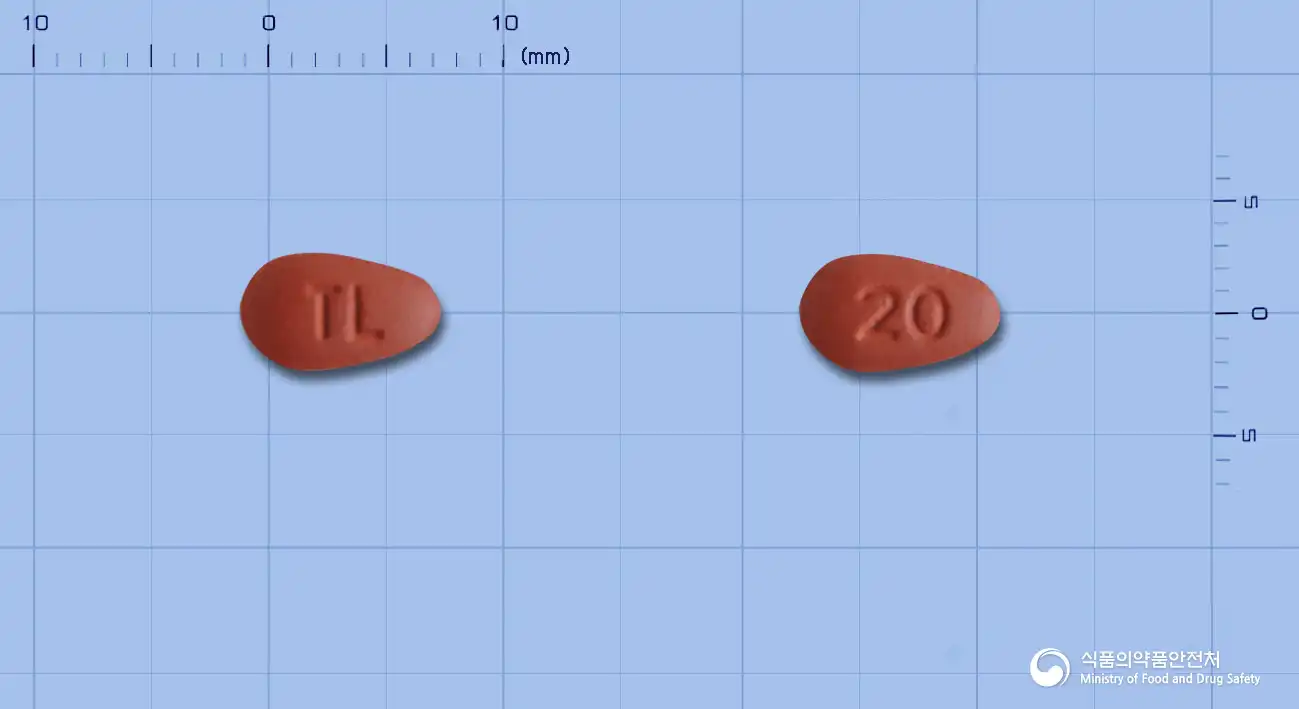
Vortioxetine Hydrobromide 25.42mg
Tablet · Prescription medication
Lundbeck Korea Co., Ltd.
Vortioxetine Hydrobromide 19.065mg
Tablet · Prescription medication
Lundbeck Korea Co., Ltd.

Vortioxetine Hydrobromide 6.355mg
Tablet · Prescription medication
Myeongin Pharmaceutical Co., Ltd.

Vortioxetine Hydrobromide 12.71mg
Tablet · Prescription medication
Myungin Pharmaceutical Co., Ltd.

Vortioxetine Hydrobromide 19.065mg
Tablet · Prescription medication
Myeongin Pharmaceutical Co., Ltd.
Even with the same ingredient, the dose and directions can differ by strength and dosage form. Talk to a doctor or pharmacist before switching from a medication you are already taking.
No questions yet.
For anything that needs medical judgment, consult a doctor or pharmacist.
This drug information is based on data provided by the Korea Ministry of Food and Drug Safety.
Consult a doctor or pharmacist for accurate dosage, administration, and usage instructions.