
 한국어
 English
 日本語
 中文(简体)
 Viewing now
Bostatin Tablet 5 mg (Botioxetine Hydrobromide)
Vortioxetine Hydrobromide 6.355mg
Tablet · Prescription medication
Myeongin Pharmaceutical Co., Ltd.
MFDS item code 202301253 · Approved 2023.04.17
Treatment of major depressive disorder
This medication is used to treat major depressive disorder. It alleviates symptoms of depression to improve the patient's mood and helps make daily life more vibrant.
1. Adults The initial and recommended dose of this medication is 10mg once daily. Depending on the patient's response, the dose may be increased to a maximum of 20mg once daily or reduced to a minimum of 5mg once daily. This medication may be taken with or without food. 1) Maintenance treatment To ensure a therapeutic effect, drug treatment for at least 6 months is recommended even after depressive symptoms have resolved. 2) Discontinuation This medication may be discontinued immediately without the need for gradual dose reduction. 2. Use in elderly patients For elderly patients aged 65 years or older, the initial dose is 5mg once daily. Use caution when treating with this medication at doses of 10mg or more once daily. 3. Use with cytochrome P450 inhibitors and inducers 1) Cytochrome P450 inhibitors When this medication is coadministered with potent cytochrome P450 inhibitors (e.g., bupropion, quinidine, fluoxetine, paroxetine), reduce the dose of this medication according to the patient's response (see Section 6. Interactions). 2) Cytochrome P450 inducers When this medication is coadministered with broad-spectrum cytochrome P450 inducers (e.g., rifampicin, carbamazepine, phenytoin), the dose of this medication may be adjusted according to the patient's response (see Section 6. Interactions). 4. Use with monoamine oxidase inhibitors (MAOIs) 1) Switching from MAO inhibitors used to treat psychiatric disorders When discontinuing treatment with an MAO inhibitor used to treat a psychiatric disorder and initiating treatment with this medication, an interval of at least 14 days must be allowed. Conversely, at least 14 days must elapse after discontinuing this medication before initiating treatment with an MAO inhibitor for a psychiatric disorder. 2) Other MAO inhibitors, such as linezolid or methylene blue Patients receiving linezolid or intravenous methylene blue must not start treatment with this medication because of the increased risk of serotonin syndrome. For patients requiring other interventional procedures, including hospitalization, or treatment for a more urgent psychiatric condition, whether to administer this medication should be considered. Linezolid or intravenous methylene blue may need to be administered urgently to patients already receiving this medication. If no alternative to linezolid or intravenous methylene blue is available and, for a specific patient, the benefits of treatment with linezolid or intravenous methylene blue are judged to outweigh the risk of serotonin syndrome, this medication may be stopped immediately and linezolid or intravenous methylene blue administered. Patients should be monitored for symptoms of serotonin syndrome for 2 weeks after receiving linezolid or intravenous methylene blue, or until 24 hours after the last dose, whichever comes first. Treatment with this medication may be resumed 24 hours after the last dose of linezolid or intravenous methylene blue. The risk associated with methylene blue administered by a non-intravenous route (oral tablets or local injection), or with intravenous administration of this medication at a dose of 1mg/kg or less, is unclear. Nevertheless, clinicians should be aware of the potential for emergency symptoms of serotonin syndrome with these uses.
This medication is used for the treatment of major depression and should be used with caution, especially in children, adolescents, and young adults, as there may be an increased risk of suicidal thoughts or behaviors. This medication acts by regulating the balance of serotonin, a brain neurotransmitter, and there is a risk of life-threatening serotonin syndrome when taken with other serotonergic medications. Therefore, it should not be taken with serotonergic medications, MAO inhibitors, or certain pain medications or antipsychotics, and if concomitant use is necessary, strict monitoring by a physician is required. This medication should not be administered to patients with specific allergies, to those currently taking or who have recently stopped taking MAO inhibitors. Patients with a history of seizures, severely impaired liver or kidney function, those with bleeding tendencies or taking medications that affect blood coagulation, and elderly patients require caution when using this medication. During treatment with this medication, various side effects may occur, such as nausea, dizziness, insomnia, headaches, bleeding, or skin rash, and these symptoms often manifest within the first two weeks of administration. Behavioral changes such as aggression, restlessness, or suicidal thoughts may occur with the use of antidepressants, so patients and guardians should monitor closely and consult a physician immediately if any abnormal behaviors are observed. This medication can affect the fetus, especially in late pregnancy, so pregnant women should use it cautiously after consulting a physician, and nursing mothers should also be careful as the drug can be transmitted through breast milk. Sudden discontinuation of the medication can cause withdrawal symptoms such as nausea, tremors, and insomnia, so the dosage should be reduced gradually as instructed by a physician. Taking other medications that may affect drug metabolism can change the effect or side effects of this medication, so all currently used medications should be disclosed to the healthcare provider. This medication is not recommended for children, and elderly patients or those with impaired liver or kidney function require dosage adjustment and careful monitoring. In case of overdose, symptoms like nausea, diarrhea, or dizziness may occur, so the dosage should be strictly followed, and any unusual symptoms should prompt an immediate visit to a medical institution. Finally, this medication should be kept out of reach of children, and transferring to other containers should be avoided.
Not everyone experiences these, and they can vary from person to person.
This medication should be stored in a tightly closed container to prevent exposure to air or moisture, and it is safe to store at room temperature between 1 degree and 30 degrees Celsius. Storing this way will help maintain the medication's effectiveness and prevent degradation.
Pink, oblong film-coated tablet
200 tablets/bottle
Even with the same ingredient, strength, dosage form and how it is taken can differ.
Viewing nowVortioxetine Hydrobromide 6.355mg
Tablet · Prescription medication
Myeongin Pharmaceutical Co., Ltd.
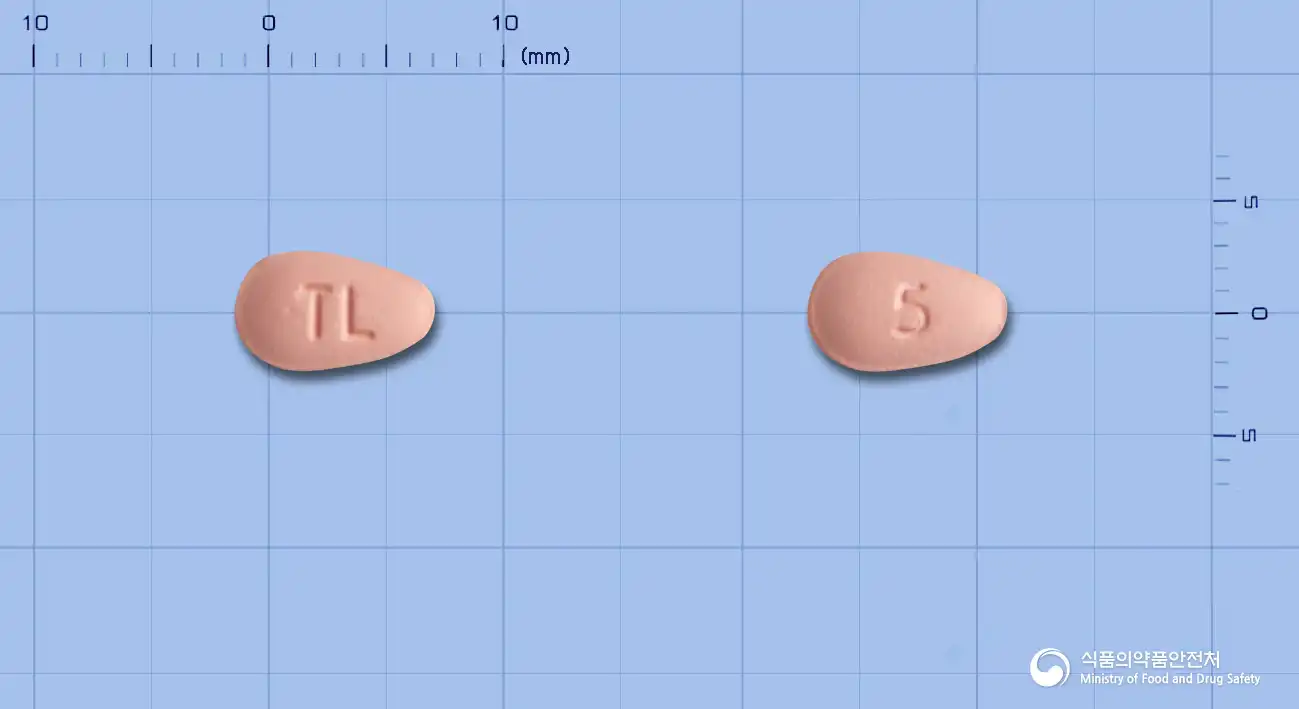
Vortioxetine Hydrobromide 6.355mg
Tablet · Prescription medication
HanKook Lundbeck Co., Ltd.
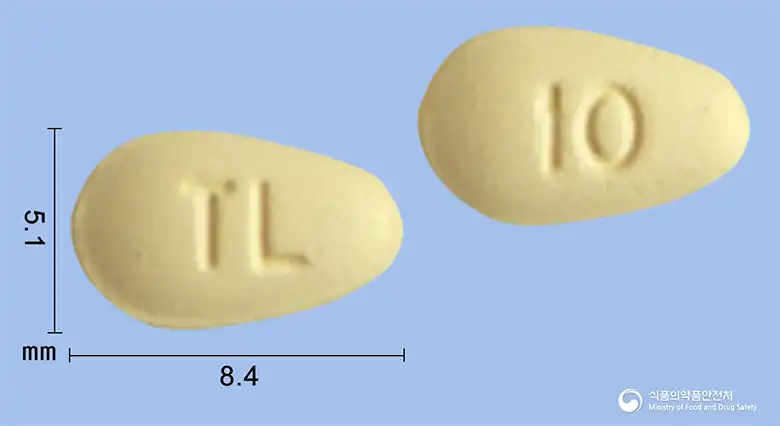
Vortioxetine Hydrobromide 12.71mg
Tablet · Prescription medication
Lundbeck Korea Co., Ltd.
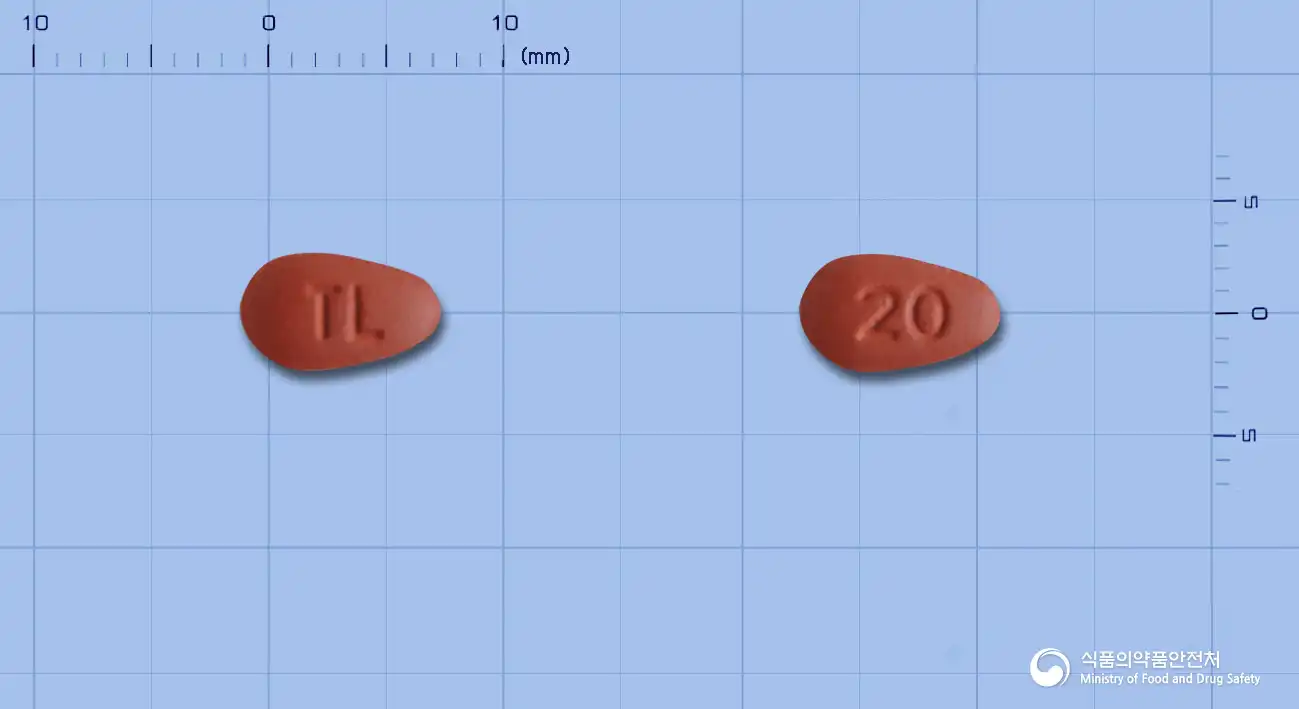
Vortioxetine Hydrobromide 25.42mg
Tablet · Prescription medication
Lundbeck Korea Co., Ltd.
Vortioxetine Hydrobromide 19.065mg
Tablet · Prescription medication
Lundbeck Korea Co., Ltd.

Vortioxetine Hydrobromide 12.71mg
Tablet · Prescription medication
Myungin Pharmaceutical Co., Ltd.

Vortioxetine Hydrobromide 19.065mg
Tablet · Prescription medication
Myeongin Pharmaceutical Co., Ltd.

Vortioxetine Hydrobromide 25.42mg
Tablet · Prescription medication
Myungjin Pharmaceutical Co., Ltd.
Even with the same ingredient, the dose and directions can differ by strength and dosage form. Talk to a doctor or pharmacist before switching from a medication you are already taking.
No questions yet.
For anything that needs medical judgment, consult a doctor or pharmacist.
This drug information is based on data provided by the Korea Ministry of Food and Drug Safety.
Consult a doctor or pharmacist for accurate dosage, administration, and usage instructions.