
 한국어
 English
 日本語
 中文(简体)
Dosage form image
Viewing nowEdoxaban Tablets 15 mg (Edoxaban Tosilate Hydrate)
Edoxaban Besilate Hydrate 19.823mg
Tablet · Prescription medication
Hanmi Pharmaceutical Co., Ltd.
MFDS item code 202301210 · Approved 2023.04.12
Prevention of stroke and systemic embolism; treatment of deep vein thrombosis and pulmonary embolism and prevention of recurrence
This medication is used to reduce the risk of stroke and systemic embolism in patients with non-valvular atrial fibrillation. It is also effective in treating deep vein thrombosis and pulmonary embolism, and preventing the recurrence of these conditions. Therefore, it is a medication that helps in the prevention and treatment of cardiovascular thromboembolic diseases.
This medicine should be taken with water, with or without food. 1. Adults 1) Reduction of the risk of stroke and systemic embolism in patients with nonvalvular atrial fibrillation • Body weight ≤ 60kg: The recommended dose of this medicine is 30mg once daily. • Body weight > 60kg: The recommended dose of this medicine is 60mg once daily. However, for patients with one or more of the following factors, the recommended dose of this medicine is 30mg once daily. ‣ Moderate to severe renal impairment (15 ≤ CrCL ≤ 50mL/min) ‣ Concomitant use of a P-gp inhibitor (cyclosporine, dronedarone, erythromycin, ketoconazole) For elderly patients at high risk of bleeding, 15mg once daily may be administered depending on age and condition. 2) Treatment of deep vein thrombosis and pulmonary embolism/Reduction of the risk of recurrent deep vein thrombosis and pulmonary embolism Administer this medicine after at least 5 days of parenteral anticoagulant use. • Body weight ≤ 60kg: The recommended dose of this medicine is 30mg once daily. • Body weight > 60kg: The recommended dose of this medicine is 60mg once daily. However, for patients with one or more of the following factors, the recommended dose of this medicine is 30mg once daily. ‣ Moderate to severe renal impairment (15 ≤ CrCL ≤ 50mL/min) ‣ Concomitant use of a P-gp inhibitor (cyclosporine, dronedarone, erythromycin, ketoconazole) 2. Switching medications 2.1 Switching from another medication to this medicine 1) Switching from a vitamin K antagonist to this medicine Discontinue vitamin K antagonist therapy and start this medicine when the international normalized ratio (INR, International Normalized Ratio) is ≤ 2.5. 2) Switching from an oral anticoagulant other than a vitamin K antagonist (dabigatran, rivaroxaban, apixaban) to this medicine Discontinue oral anticoagulant therapy and start this medicine at the time of the next scheduled oral anticoagulant dose. 3) Switching from a parenteral anticoagulant to this medicine (1) Low molecular weight heparin (LMWH) Discontinue LMWH and start this medicine at the time of the next scheduled LMWH dose. (2) Unfractionated heparin (UFH) Discontinue the intravenous UFH infusion and start this medicine 4 hours later. 2.2 Switching from this medicine to another medication 1) Switching from this medicine to a vitamin K antagonist Inadequate anticoagulation may occur while switching from this medicine to a vitamin K antagonist. Adequate anticoagulant effect should be maintained continuously while switching to another anticoagulant. Option For patients receiving 60mg of this medicine, administer 30mg of this medicine once daily together with an appropriate dose of a vitamin K antagonist. For patients receiving 30mg of this medicine, administer 15mg of this medicine once daily together with an appropriate dose of a vitamin K antagonist. During the first 14 days of concomitant administration, it is recommended that INR be measured at least 3 times; in this case, measurements should be taken before administering this medicine to minimize its effect on INR measurement. Once a stable INR ≥ 2.0 is achieved, discontinue this medicine and continue vitamin K antagonist therapy. Option Discontinue this medicine and administer a parenteral anticoagulant and a vitamin K antagonist at the time of the next scheduled dose of this medicine. Once a stable INR ≥ 2.0 is achieved, discontinue the parenteral anticoagulant and continue vitamin K antagonist therapy. 2) Switching from this medicine to an oral anticoagulant other than a vitamin K antagonist (dabigatran, rivaroxaban, apixaban) Discontinue this medicine and start the oral anticoagulant at the time of the next scheduled dose of this medicine. 3) Switching from this medicine to a parenteral anticoagulant Discontinue this medicine and start the parenteral anticoagulant at the time of the next scheduled dose of this medicine. 3. Patients with renal impairment No dose adjustment of this medicine is required in patients with mild renal impairment (50 < CrCL ≤ 80mL/min). The recommended dose of this medicine is 30mg once daily in patients with moderate to severe renal impairment (15 ≤ CrCL ≤ 50mL/min). For reduction of the risk of stroke and systemic embolism in patients with nonvalvular atrial fibrillation, administration of 15mg once daily should be considered, depending on age and condition, in elderly patients at high risk of bleeding with creatinine clearance of 15 ≤ CrCL < 30mL/min (see section ‘9. Use in elderly patients’ under Precautions for Use). 4. If you forget to take this medicine If you forget to take this medicine, take it immediately on the same day, and take it the following day according to the recommended dosage and administration. Do not take twice the recommended daily dose to make up for a missed dose.
This medication acts to prevent blood coagulation and is used to prevent or treat thrombosis. When using this medication, the risk of bleeding may be increased, so particular caution is advised in states of high bleeding risk. If bleeding is suspected or if there is an unexplained decrease in blood counts or low blood pressure, prompt examination of the bleeding site is necessary. If severe bleeding occurs, the use of this medication should be discontinued immediately, and the bleeding site should be diagnosed and treated promptly. Using this medication with other anticoagulants may further increase the risk of bleeding, so it is essential to decide on concomitant use according to the doctor's instructions. This medication should not be used in patients with certain diseases or conditions, such as severe renal or hepatic impairment, patients at high risk of bleeding, or women who are pregnant or nursing. While taking this medication, special caution is needed when taking medications that may increase bleeding risk, such as acetylsalicylic acid (ASA), non-steroidal anti-inflammatory drugs (NSAIDs), antiplatelet agents, and selective serotonin reuptake inhibitors (SSRIs). This medication may affect hepatic and renal function, therefore regular tests of liver and renal function are required before and during treatment. Prior to surgery or invasive procedures, this medication should be discontinued for a certain period to reduce the risk of bleeding, and it should be resumed once the bleeding risk decreases post-surgery. This medication should not be used by women who are pregnant or nursing, and women of childbearing age should discuss their pregnancy plans with their doctor. In case of overdose, the risk of bleeding greatly increases, so the dosage must be followed accurately, and in cases of overdose, immediate contact with a medical institution is necessary. Generally, the effectiveness of this medication is not monitored by blood coagulation tests, but in emergencies, specialized tests can be used to verify anticoagulant effects. During treatment with this medication, symptoms such as dizziness, headaches, skin rashes, and signs of bleeding may occur; if any abnormal symptoms appear, immediate consultation with medical personnel is essential.
Hemorrhage, soft tissue hemorrhage, nasal hemorrhage, vaginal hemorrhage, anemia, rash, abnormal liver function tests, thrombocytopenia, hypersensitivity, anaphylactic reactions, allergic edema, dizziness, headache, intracranial hemorrhage, subarachnoid hemorrhage, conjunctival/scleral hemorrhage, intraocular hemorrhage, pericardial hemorrhage, other hemorrhage, hemoptysis, abdominal pain, lower gastrointestinal hemorrhage, upper gastrointestinal hemorrhage, oral/pharyngeal hemorrhage, nausea, retroperitoneal hemorrhage, increased bilirubin in blood, increased gamma-glutamyl transferase, increased alkaline phosphatase, increased transaminases, increased aspartate aminotransferase, itching, urticaria, intramuscular hemorrhage, intrachondral hemorrhage, gross hematuria/urethral hemorrhage, bleeding at puncture site, abnormal liver function tests, surgical site hemorrhage, subdural hemorrhage, bleeding during procedure, interstitial lung disease, menstrual bleeding, hemorrhagic complications, compartment syndrome, acute kidney injury due to decreased perfusion, anticoagulant-related kidney disease, interstitial lung disease, shortness of breath, dyspnea, cough, fever, abnormal chest sounds
Not everyone experiences these, and they can vary from person to person.
This medication should be stored in a tightly sealed container to prevent exposure to air or moisture, and it is recommended to store it at room temperature between 1 to 30 degrees Celsius. Storing it this way helps maintain the effectiveness of the medication and ensures safe use.
Orange round film-coated tablet
30 tablets/bottle
Even with the same ingredient, strength, dosage form and how it is taken can differ.
Edoxaban Besilate Hydrate 19.823mg
Tablet · Prescription medication
Hanmi Pharmaceutical Co., Ltd.
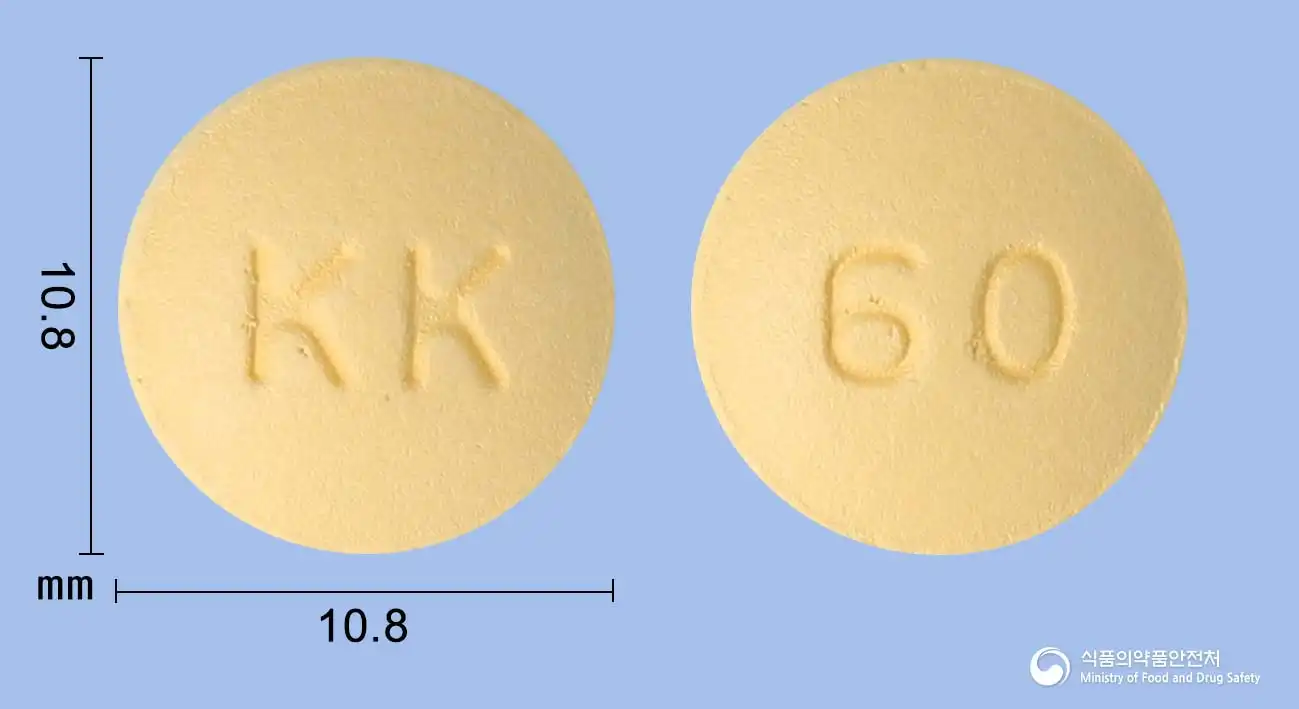
Edoxaban Besilate Hydrate 79.29mg
Tablet · Prescription medication
Genewon Science Co., Ltd.
Edoxaban Besilate Hydrate 79.29mg
Tablet · Prescription medication
Idong Pharmaceutical Co., Ltd.
Edoxaban Besilate Hydrate 79.29mg
Tablet · Prescription medication
Hanmi Pharmaceutical Co., Ltd.
Edoxaban Besilate Hydrate 79.29mg
Tablet · Prescription medication
Hanmi Pharmaceutical Co., Ltd.
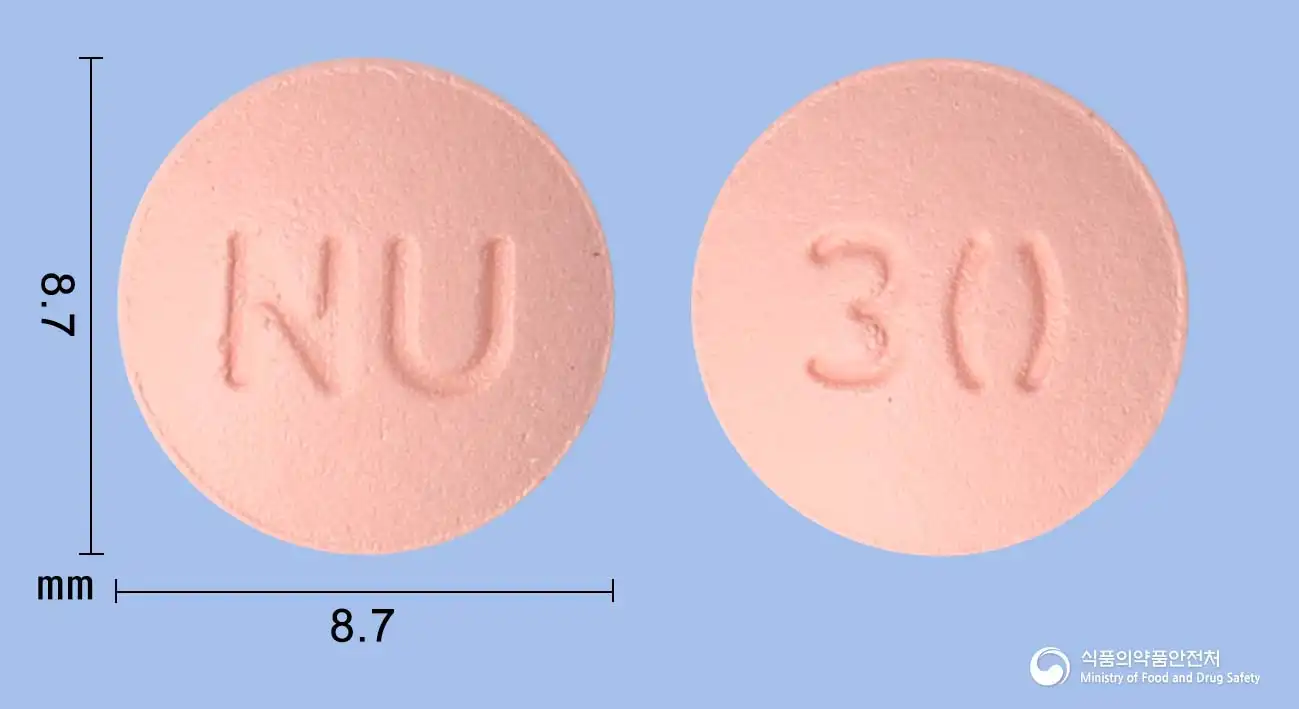
Edoxaban Besilate Hydrate 39.645mg
Tablet · Prescription medication
Genewon Science Co., Ltd.
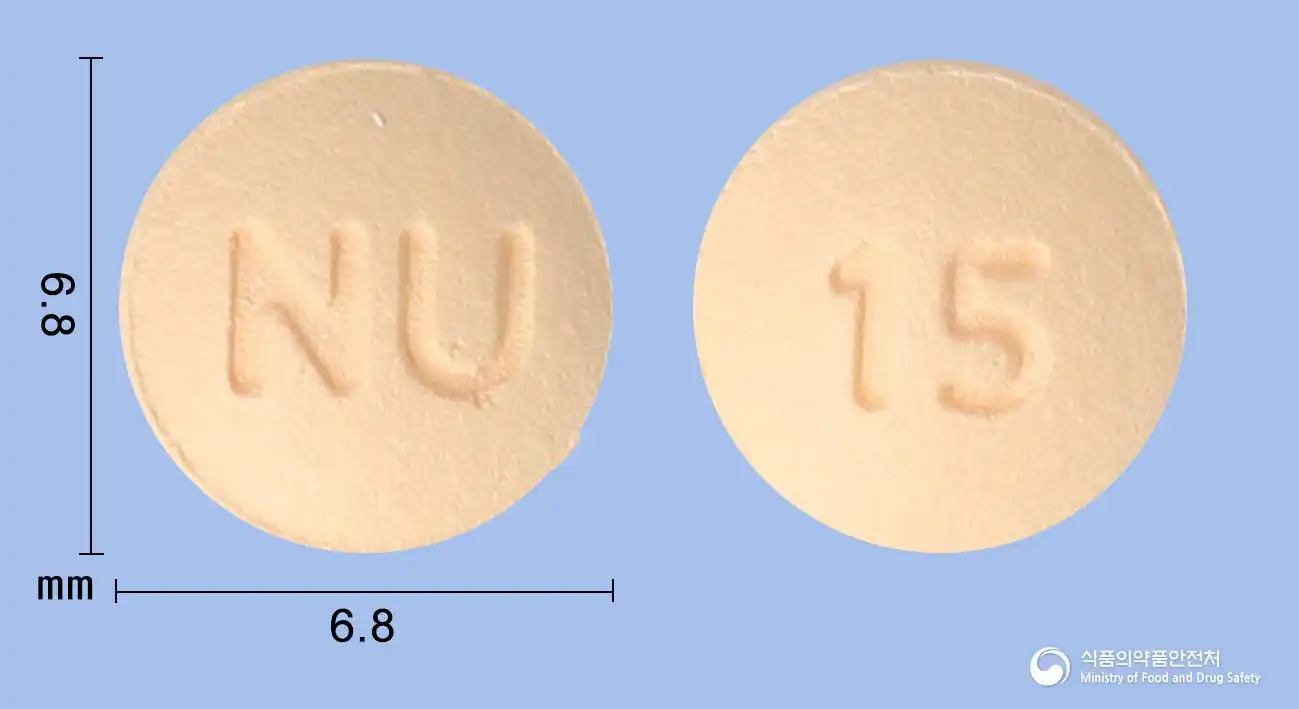
Edoxaban Besilate Hydrate 19.823mg
Tablet · Prescription medication
Genewell Science Co., Ltd.
Edoxaban Besilate Hydrate 39.645mg
Tablet · Prescription medication
Idong Pharmaceutical Co., Ltd.
Even with the same ingredient, the dose and directions can differ by strength and dosage form. Talk to a doctor or pharmacist before switching from a medication you are already taking.
No questions yet.
For anything that needs medical judgment, consult a doctor or pharmacist.
This drug information is based on data provided by the Korea Ministry of Food and Drug Safety.
Consult a doctor or pharmacist for accurate dosage, administration, and usage instructions.