
 한국어
 English
 日本語
 中文(简体)
 Viewing now
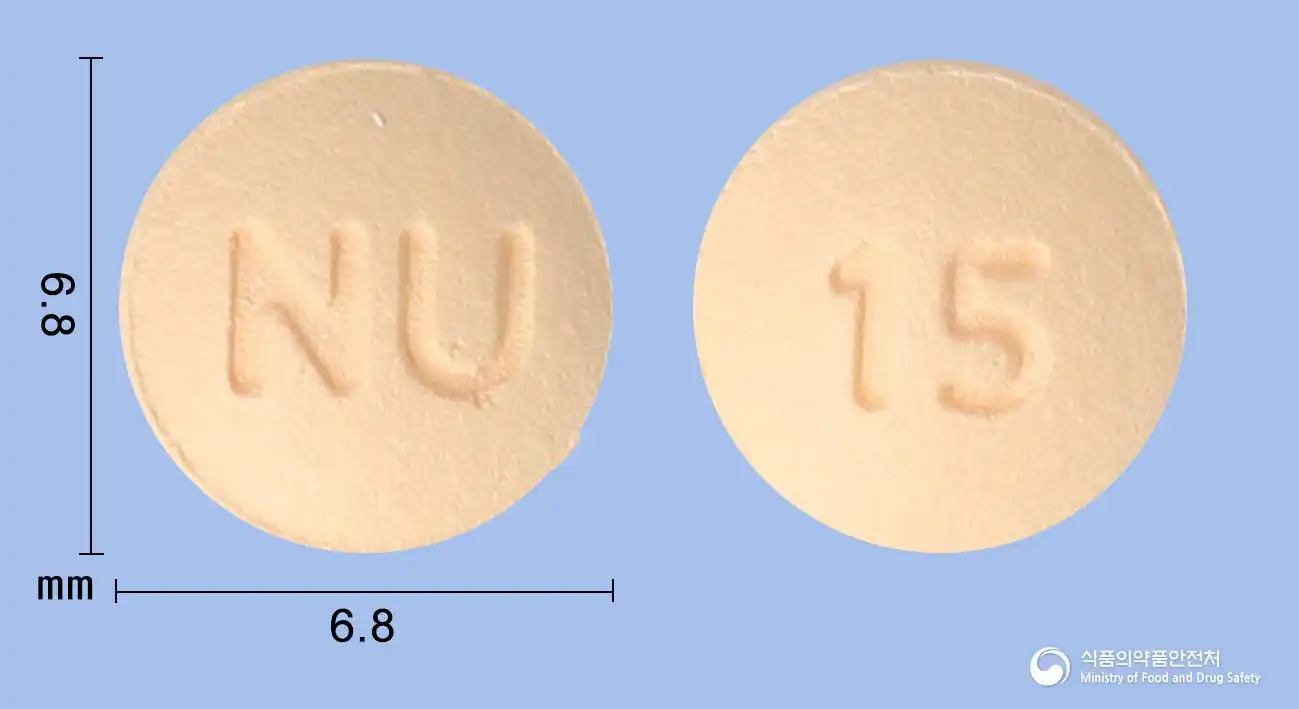
Edoxaban 15 mg Tablets (Edoxaban Tosilate Hydrate)
Edoxaban Besilate Hydrate 19.823mg
Tablet · Prescription medication
Genewell Science Co., Ltd.
MFDS item code 202301022 · Approved 2023.03.24
Prevention of stroke and systemic embolism in nonvalvular atrial fibrillation; treatment of deep vein thrombosis and pulmonary embolism and prevention of recurrence
This medication reduces the risk of stroke and systemic embolism in patients with non-valvular atrial fibrillation and is effective for the treatment of deep vein thrombosis and pulmonary embolism. It also enhances patient safety by reducing the likelihood of recurrence. This drug is used for the prevention and treatment of thrombotic conditions.
This medicine should be taken with water, with or without food. 1. Adults 1) Reduction in the risk of stroke and systemic embolism in patients with nonvalvular atrial fibrillation • Body weight ≤ 60kg: The recommended dose of this medicine is 30mg once daily. • Body weight > 60kg: The recommended dose of this medicine is 60mg once daily. However, for patients with one or more of the following factors, the recommended dose of this medicine is 30mg once daily. ‣ Moderate to severe renal impairment (15 ≤ CrCL ≤ 50mL/min) ‣ Concomitant use of a P-gp inhibitor (cyclosporine, dronedarone, erythromycin, ketoconazole) For elderly patients at high risk of bleeding, a dose of 15mg once daily may be given depending on age and condition. 2) Treatment of deep vein thrombosis and pulmonary embolism/reduction in the risk of recurrence of deep vein thrombosis and pulmonary embolism Administer this medicine after at least 5 days of parenteral anticoagulant therapy. • Body weight ≤ 60kg: The recommended dose of this medicine is 30mg once daily. • Body weight > 60kg: The recommended dose of this medicine is 60mg once daily. However, for patients with one or more of the following factors, the recommended dose of this medicine is 30mg once daily. ‣ Moderate to severe renal impairment (15 ≤ CrCL ≤ 50mL/min) ‣ Concomitant use of a P-gp inhibitor (cyclosporine, dronedarone, erythromycin, ketoconazole) 2. Switching medications 2.1 Switching from another medication to this medicine 1) Switching from a vitamin K antagonist to this medicine Discontinue vitamin K antagonist therapy and start this medicine when the international normalized ratio (INR, International Normalized Ratio) is ≤ 2.5. 2) Switching from an oral anticoagulant other than a vitamin K antagonist (dabigatran, rivaroxaban, apixaban) to this medicine Discontinue oral anticoagulant therapy and start this medicine at the time the next dose of the oral anticoagulant would have been due. 3) Switching from a parenteral anticoagulant to this medicine (1) Low-molecular-weight heparin (LMWH) Discontinue LMWH and start this medicine at the time the next dose of LMWH would have been due. (2) Unfractionated heparin (UFH) Discontinue the intravenous UFH infusion and start this medicine 4 hours later. 2.2 Switching from this medicine to another medication 1) Switching from this medicine to a vitamin K antagonist Inadequate anticoagulation may occur while switching from this medicine to a vitamin K antagonist. Adequate anticoagulant effects should be maintained continuously while switching to another anticoagulant. Option For patients receiving this medicine at 60mg, administer this medicine at 30mg once daily together with an appropriate dose of a vitamin K antagonist. For patients receiving this medicine at 30mg, administer this medicine at 15mg once daily together with an appropriate dose of a vitamin K antagonist. During the first 14 days of concomitant administration, it is recommended that INR be measured at least 3 times. Measurements should be taken before administering this medicine to minimize its effect on the INR measurement. Once INR ≥ 2.0 is stably achieved, discontinue this medicine and continue vitamin K antagonist therapy. Option Discontinue this medicine and administer a parenteral anticoagulant and a vitamin K antagonist at the time the next dose of this medicine would have been due. Once INR ≥ 2.0 is stably achieved, discontinue the parenteral anticoagulant and continue vitamin K antagonist therapy. 2) Switching from this medicine to an oral anticoagulant other than a vitamin K antagonist (dabigatran, rivaroxaban, apixaban) Discontinue this medicine and start the oral anticoagulant at the time the next dose of this medicine would have been due. 3) Switching from this medicine to a parenteral anticoagulant Discontinue this medicine and start the parenteral anticoagulant at the time the next dose of this medicine would have been due. 3. Patients with renal impairment No dose adjustment of this medicine is necessary in patients with mild renal impairment (50 < CrCL ≤ 80mL/min). The recommended dose of this medicine in patients with moderate to severe renal impairment (15 ≤ CrCL ≤ 50mL/min) is 30mg once daily. For the reduction in the risk of stroke and systemic embolism in patients with nonvalvular atrial fibrillation who are elderly, at high risk of bleeding, and have creatinine clearance of 15 ≤ CrCL < 30mL/min, administration of 15mg once daily should be considered depending on age and condition (see section “9. Use in the elderly” under Precautions for Use). 4. If you forget to take this medicine If you forget to take this medicine, take it as soon as possible on the same day, and take the next dose the following day according to the recommended dosage and administration. Do not take twice the recommended daily dose to make up for a missed dose.
This medication may increase the risk of bleeding, which can lead to serious hemorrhages; therefore, it should be used with special caution in patients with a high risk of bleeding. If bleeding is suspected or blood pressure drops, the bleeding site should be promptly assessed and appropriate measures taken. If heavy bleeding occurs, this drug should be discontinued immediately, and medical consultation is required. This medication should not be administered to patients with specific diseases or conditions, particularly severe renal impairment, liver disease, pregnant or breastfeeding women, and patients at high risk of bleeding. It is essential to inform medical personnel of any past allergies or hypersensitivity reactions before starting this medication. When used together with other anticoagulants or drugs affecting blood coagulation, the risk of bleeding may be increased, so medical guidance should be followed. Patients with impaired liver or kidney function should undergo regular tests before and during treatment with this drug. Before undergoing surgery or invasive procedures, this medication should be discontinued for a certain period, and after the procedure, the timing of re-administration should be determined considering the bleeding risk. Monitoring the general anticoagulation effects with blood tests is difficult, so special tests may only be performed in specific situations. Women who are pregnant or planning to become pregnant should not take this medication, and pregnancy should be avoided while on this drug. Elderly patients or those with decreased renal function may require dose adjustment; therefore, consultation with medical personnel is necessary. The risk of bleeding increases with overdose, so the prescribed dosage must be followed accurately, and if an overdose is suspected, medical care should be sought immediately. This medication does not significantly affect driving or machine operation, but caution is necessary if bleeding or dizziness symptoms occur. Any symptoms of bleeding or abnormal reactions during treatment should be reported to medical personnel immediately.
Hemorrhage, soft tissue bleeding, nasal bleeding, vaginal bleeding, anemia, rash, abnormal liver function tests, thrombocytopenia, hypersensitivity, anaphylactic reaction, allergic edema, dizziness, headache, intracranial hemorrhage, subarachnoid hemorrhage, conjunctival/scleral hemorrhage, intraocular hemorrhage, pericardial hemorrhage, other bleeding, hemoptysis, abdominal pain, lower gastrointestinal bleeding, upper gastrointestinal bleeding, oral/pharyngeal bleeding, nausea, retroperitoneal hemorrhage, increased serum bilirubin, increased gamma-glutamyl transferase, increased serum alkaline phosphatase, increased transaminases, increased aspartate aminotransferase, pruritus, urticaria, intramuscular bleeding, intralesional bleeding, gross hematuria/urethral bleeding, bleeding at the puncture site, abnormal liver function tests, surgical site bleeding, subdural hemorrhage, bleeding during procedure, compartment syndrome, kidney failure due to decreased perfusion, anticoagulant-related nephropathy, interstitial lung disease, shortness of breath, dyspnea, cough, fever, abnormal chest sounds, severe uterine hemorrhage, menstrual bleeding, weakness, pallor, unexplained edema, dyspnea, unexplained shock
Not everyone experiences these, and they can vary from person to person.
This medication should be stored in a tightly sealed container to avoid exposure to air and moisture. It is important to maintain a storage temperature between 1 and 30 degrees Celsius. This way, the drug's efficacy is well maintained and can be used safely.
Orange round film-coated tablets
30 tablets/bottle
Even with the same ingredient, strength, dosage form and how it is taken can differ.
Viewing nowEdoxaban Besilate Hydrate 19.823mg
Tablet · Prescription medication
Genewell Science Co., Ltd.
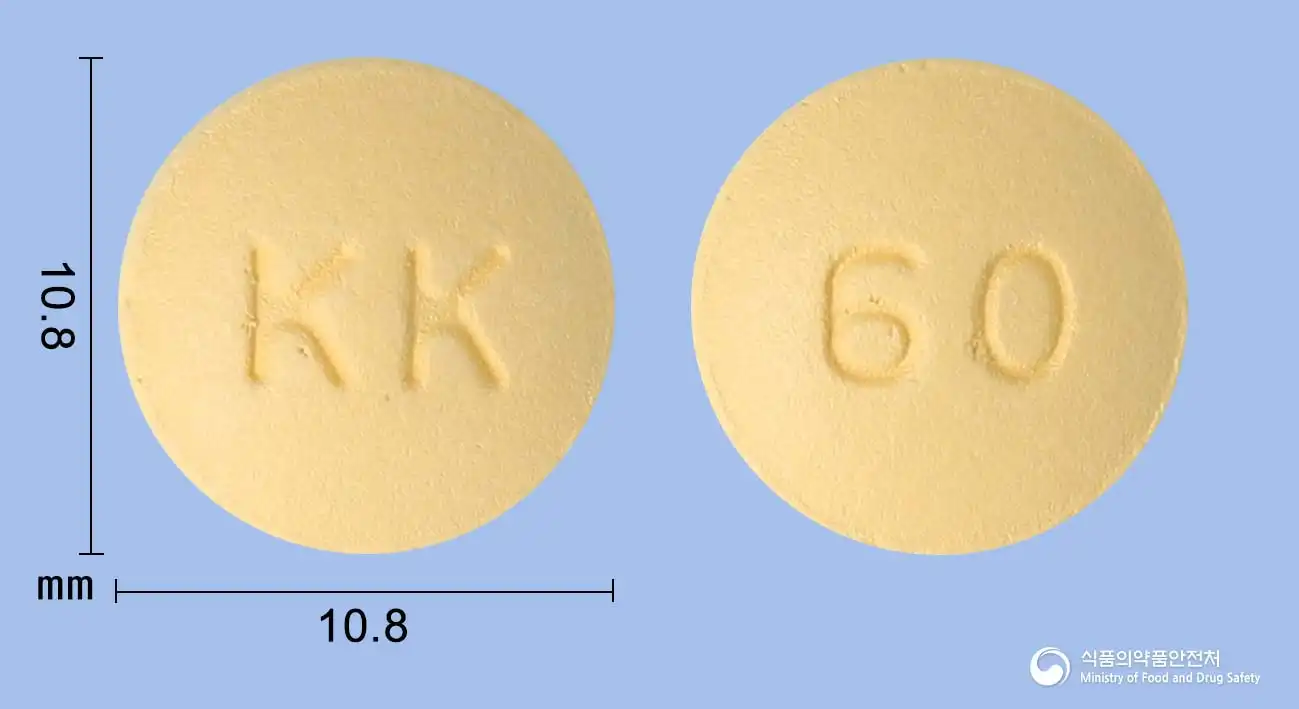
Edoxaban Besilate Hydrate 79.29mg
Tablet · Prescription medication
Genewon Science Co., Ltd.
Edoxaban Besilate Hydrate 79.29mg
Tablet · Prescription medication
Idong Pharmaceutical Co., Ltd.
Edoxaban Besilate Hydrate 79.29mg
Tablet · Prescription medication
Hanmi Pharmaceutical Co., Ltd.
Edoxaban Besilate Hydrate 79.29mg
Tablet · Prescription medication
Hanmi Pharmaceutical Co., Ltd.
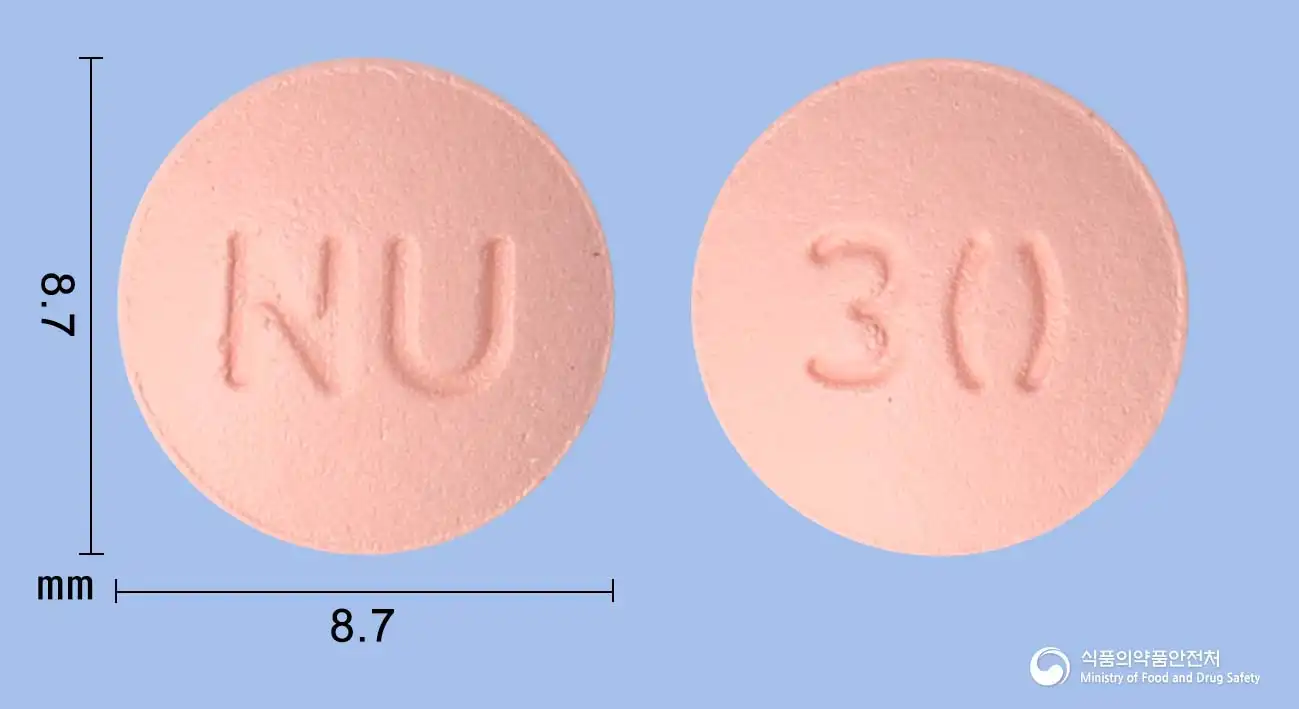
Edoxaban Besilate Hydrate 39.645mg
Tablet · Prescription medication
Genewon Science Co., Ltd.
Edoxaban Besilate Hydrate 39.645mg
Tablet · Prescription medication
Idong Pharmaceutical Co., Ltd.
Edoxaban Besilate Hydrate 19.823mg
Tablet · Prescription medication
Ildong Pharmaceutical Co., Ltd.
Even with the same ingredient, the dose and directions can differ by strength and dosage form. Talk to a doctor or pharmacist before switching from a medication you are already taking.
No questions yet.
For anything that needs medical judgment, consult a doctor or pharmacist.
This drug information is based on data provided by the Korea Ministry of Food and Drug Safety.
Consult a doctor or pharmacist for accurate dosage, administration, and usage instructions.