
 한국어
한국어 English
 日本語
日本語 中文(简体)
 Viewing now
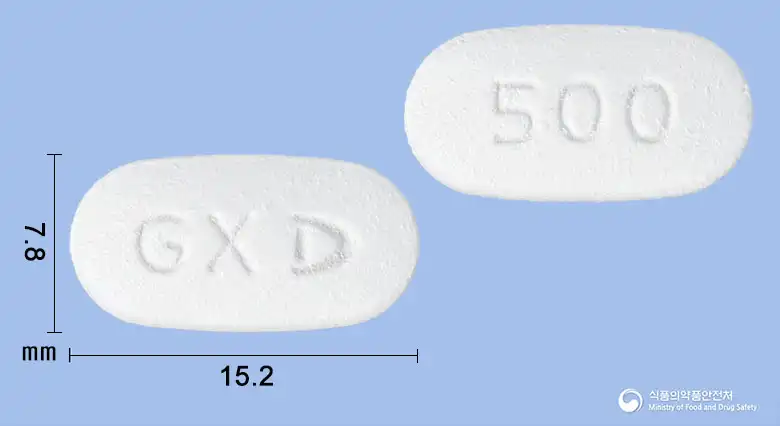
Glufapex SR Tablets 500mg (Metformin Hydrochloride)
Metformin Hydrochloride 500mg
Tablet · Prescription medication
Darim Biotech Co., Ltd.
MFDS item code 202301018 · Approved 2023.03.23 · Insurance code 664602800
Treatment of type 2 diabetes (blood sugar control)
This medication is used for adults with type 2 diabetes who have difficulty controlling blood sugar levels through diet and exercise alone, particularly for those who are overweight. It can be used alone or in combination with other oral hypoglycemic agents or insulin to help control blood sugar levels effectively. This contributes to achieving better blood sugar control.
The initial dose is to administer one Metformin Hydrochloride extended-release tablet of 500mg once daily with the evening meal. After one week, measure blood sugar levels to adjust the dose. The dose can be increased by 500mg weekly, allowing for a maximum of 2000mg once daily with the evening meal. If adequate blood sugar control is not achieved at a maximum of 2000mg once daily, consider administering 1000mg twice daily with meals. For patients with renal impairment.
This medication can rarely cause a serious condition known as lactic acidosis. Lactic acidosis is a condition where lactic acid builds up in the body and can lead to acidification, which can be life-threatening if severe. Therefore, caution is necessary. Additionally, when this medication is used with insulin or sulfonylurea medications, significant hypoglycemia may occur, so blood sugar levels should be monitored closely. This medication is not to be administered to patients with moderately severe or greater renal impairment, dehydration, severe infection, or acute diseases that affect renal function. In cases of acute or unstable heart failure, this medication should be discontinued before and after examinations using iodinated contrast agents, and can only be resumed once renal function is confirmed to be normal. Patients with an allergy to any component of this medication, individuals with type 1 diabetes, diabetic ketoacidosis, severe infections, liver dysfunction, severe gastrointestinal disorders, and patients with excessive alcohol intake should also not take this medication. Patients with irregular eating habits, strenuous exercise, or those taking interacting medications should be treated cautiously for the risks of lactic acidosis and hypoglycemia. During the use of this medication, vitamin B12 deficiency may occur, so regular blood tests should be performed to check vitamin B12 levels. Gastrointestinal symptoms are common at the beginning of treatment but generally subside over time. If symptoms are severe, consult a doctor. Renal function is closely related to the excretion of this medication, so regular renal function tests should be conducted before and during treatment. If renal function deteriorates, the medication should be discontinued. Taking this medication with alcohol increases the risk of lactic acidosis, so excessive drinking should be avoided during its use. There have been no reports of effects on the fetus when used during pregnancy, however, pregnant women at risk for placental dysfunction or preeclampsia should not use it, and breastfeeding mothers are also advised against taking this medication. Elderly patients often have decreased renal function, so dosage adjustments and frequent monitoring of renal function are necessary. In cases of overdose, the medication can be removed through blood dialysis, so if suspected, an immediate visit to a medical institution is required. This medication may interact with other diabetes treatments; therefore, it is essential to inform your doctor or pharmacist about any other medications you are taking. When taking the tablets, do not chew or crush; swallow them whole, and while the tablet coating may be excreted, this is a normal occurrence. Finally, during treatment with this medication, regular checks of blood sugar, glycosylated hemoglobin, renal function, and hematologic values are necessary to manage treatment effectiveness and side effects.
Lactic acidosis (can be fatal and is a severe metabolic complication), severe allergic reactions (including urticaria), dehydration due to severe gastrointestinal disorders, hypoglycemia (including severe hypoglycemia)
Not everyone experiences these, and they can vary from person to person.
This medication may be sensitive to air and moisture, so it should be stored in a tightly sealed container. It is advisable to keep the storage temperature between 1 and 30 degrees Celsius at room temperature. This will help maintain the effectiveness of the medication over time.
White, oblong, extended-release film-coated tablet
Bottle - 100 tablets/bottle, Bottle - 30 tablets/bottle
Even with the same ingredient, strength, dosage form and how it is taken can differ.
Viewing nowMetformin Hydrochloride 500mg
Tablet · Prescription medication
Darim Biotech Co., Ltd.
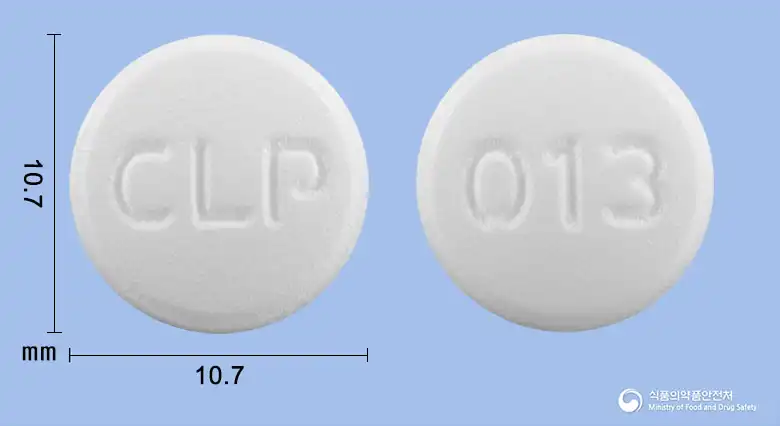
Metformin Hydrochloride 500mg
Tablet · Prescription medication
(Celltrion Pharmaceuticals)
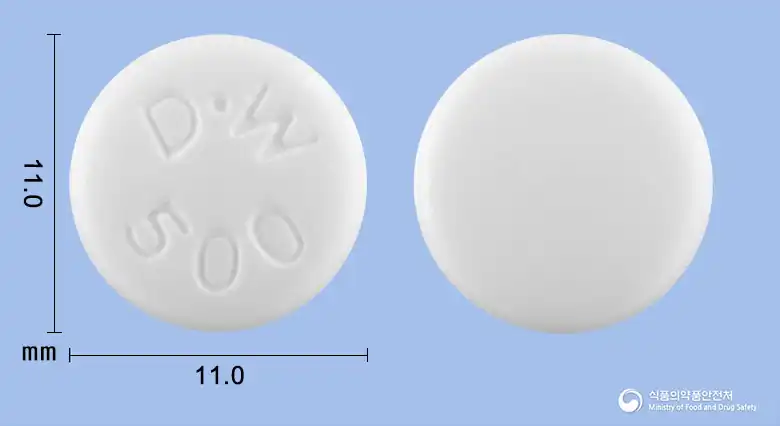
Metformin Hydrochloride 500mg
Tablet · Prescription medication
(Daewoong Pharmaceutical)
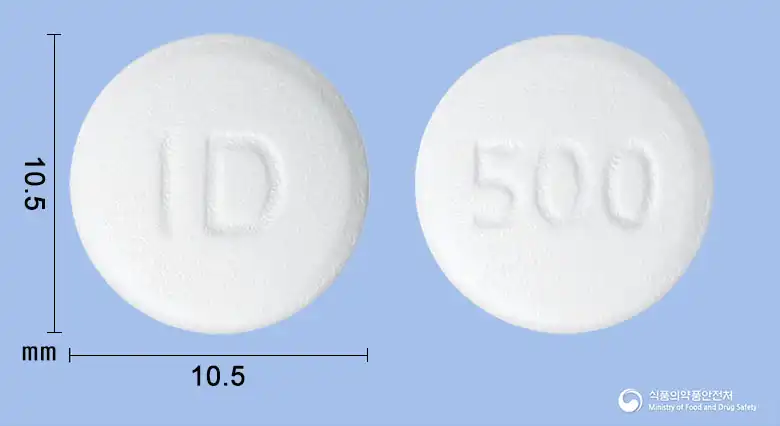
Metformin Hydrochloride 500mg
Tablet · Prescription medication
(Ildong Pharmaceutical Co., Ltd.)

Metformin Hydrochloride 500mg
Tablet · Prescription medication
(Ilseong IS Co., Ltd.)
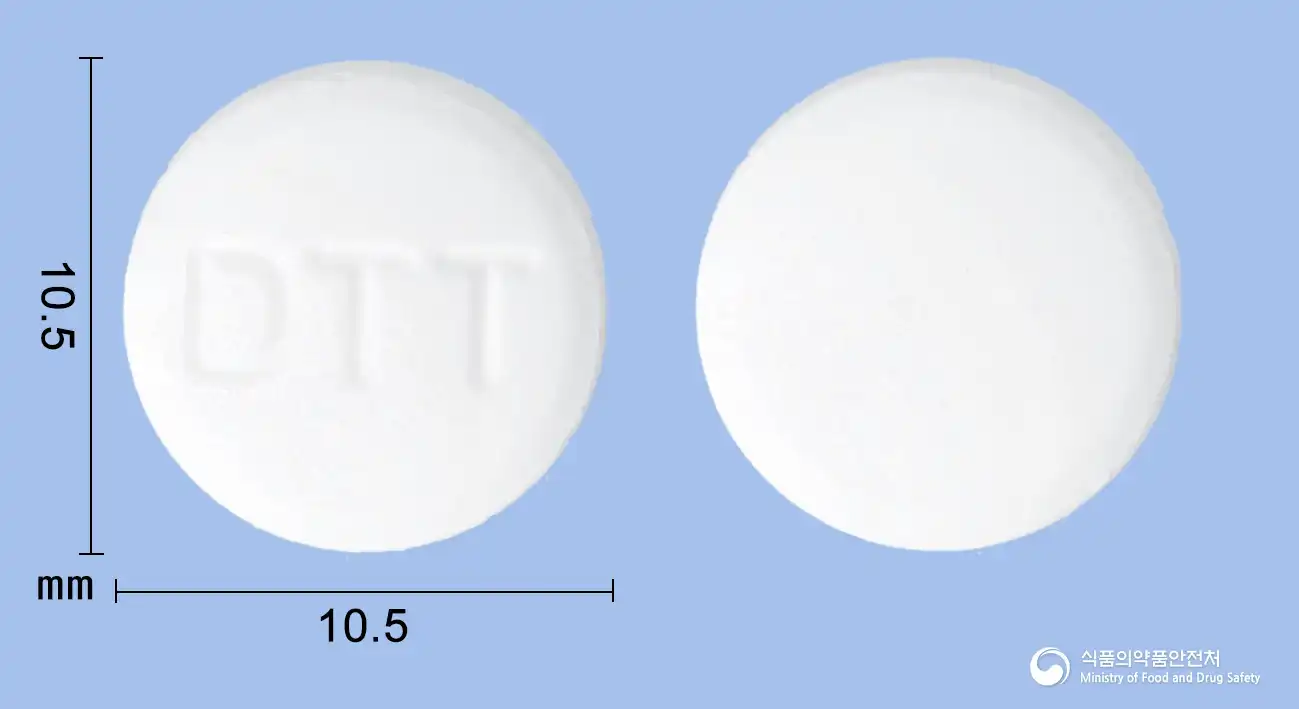
Metformin Hydrochloride 500mg
Tablet · Prescription medication
(Kyungdong Pharmaceutical Co., Ltd.)
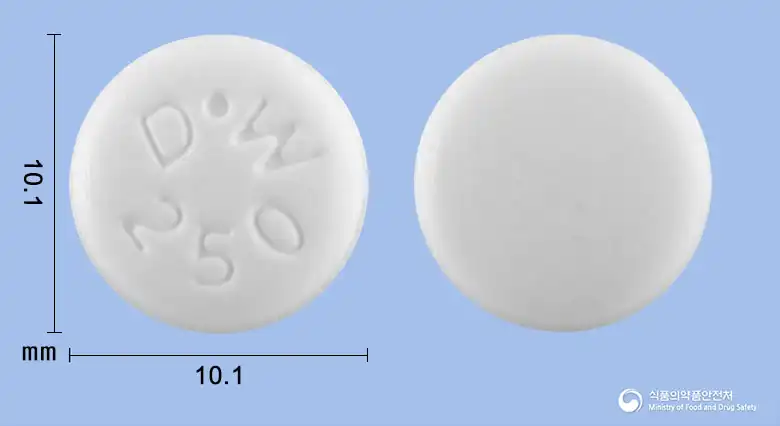
Metformin Hydrochloride 250mg
Tablet · Prescription medication
(Daewoong Pharmaceutical)

Metformin Hydrochloride 500mg
Tablet · Prescription medication
(Youngpoong Pharmaceutical Co., Ltd.)
Even with the same ingredient, the dose and directions can differ by strength and dosage form. Talk to a doctor or pharmacist before switching from a medication you are already taking.
No questions yet.
For anything that needs medical judgment, consult a doctor or pharmacist.
This drug information is based on data provided by the Korea Ministry of Food and Drug Safety.
Consult a doctor or pharmacist for accurate dosage, administration, and usage instructions.