
 한국어
 English
 日本語
 中文(简体)
Dosage form image
Viewing nowJeljanz Syrup 1mg/mL (Tofacitinib Citrate)
Tofacitinib Citrate 162mg
Solution · Prescription medication
Pfizer Korea Co., Ltd.
MFDS item code 202300957 · Approved 2023.03.20 · Insurance code 648903841
Treatment of polyarticular juvenile idiopathic arthritis and juvenile psoriatic arthritis
This medication is used for the treatment of active polyarticular juvenile idiopathic arthritis (pJIA) and juvenile psoriatic arthritis (jPsA) in children aged 2 years to less than 18 years. It is used only in cases where there is inadequate response or intolerance to existing disease-modifying antirheumatic drugs and can be administered alone, particularly when combined with methotrexate or when intolerant. However, it must be used with caution in patients who are at high cardiovascular risk or have malignancy risk and should not be used in combination with potent immunosuppressants. Thus, this medication is effective for the treatment of juvenile arthritis and should be used safely according to the patient's condition.
This medicine may be administered alone or in combination with methotrexate (MTX). No dosage adjustment is necessary when administered in combination with methotrexate. According to available data, clinical improvement was observed within 18 weeks after starting this medicine. For patients who do not show improvement within this period, the decision to continue treatment should be carefully reconsidered. If a patient develops a serious infection, discontinue this medicine until the infection is controlled. Temporary interruption of this medicine may be necessary to manage dose-related laboratory abnormalities, such as lymphopenia, neutropenia, and anemia. As shown in Tables 2, 3, and 4 below, temporary or permanent discontinuation is determined according to the severity of the laboratory abnormality. ALC 750 or higher: Maintain dose. ALC 500-750: If the decrease persists in this range (2 consecutive values in this range on routine testing), reduce the dose or interrupt treatment until ALC exceeds 750. For patients taking this medicine 5 mg twice daily, interrupt treatment. Resume treatment as clinically appropriate when ALC exceeds 750. ALC below 500: If the laboratory value is confirmed by repeat testing within 7 days, interrupt treatment. ANC above 1,000: Maintain dose. ANC 500-1,000: If the decrease persists in this range (2 consecutive values in this range on routine testing), reduce the dose or interrupt treatment until ANC exceeds 1,000. For patients taking this medicine 5 mg twice daily, interrupt treatment. Resume treatment as clinically appropriate when ANC exceeds 1,000. ANC below 500: If the laboratory value is confirmed by repeat testing within 7 days, interrupt treatment. Decrease of 2 g/dL or less and ≥ 9.0 g/dL: Maintain dose. Decrease of 2 g/dL or more or below 8.0 g/dL (confirmed by repeat testing): Temporarily interrupt treatment until the hemoglobin level returns to normal. For patients receiving 5 mg tablets or an equivalent weight-based dose twice daily who are also receiving a potent cytochrome P450 (CYP) 3A4 inhibitor (e.g., ketoconazole), and for patients receiving one or more concomitant medicines that cause both moderate CYP3A4 inhibition and potent CYP2C19 inhibition (e.g., fluconazole), the total daily dose of this medicine should be reduced to 5 mg film-coated tablets once daily or an equivalent weight-based dose once daily. Mild hepatic impairment (Child Pugh A): No dosage adjustment is necessary. Moderate hepatic impairment (Child Pugh B): If hepatic function is normal, reduce the dose from 5 mg or an equivalent weight-based dose twice daily to 5 mg or an equivalent weight-based dose once daily. Severe hepatic impairment (Child Pugh C): Do not administer this medicine to patients with severe hepatic impairment. Mild renal impairment (50 – 80 mL/min): No dosage adjustment is necessary. Moderate renal impairment (30 – 49 mL/min): No dosage adjustment is necessary. Severe renal impairment (< 30 mL/min, including patients receiving hemodialysis): If renal function is normal, reduce the dose from 5 mg or an equivalent weight-based dose twice daily to 5 mg or an equivalent weight-based dose once daily. Patients with severe renal impairment should continue the reduced dose after hemodialysis. Administer this medicine using the press-in bottle adapter and oral dosing syringe provided in the package. Administer this medicine orally, regardless of food intake.
Children aged 2 years to under 18 years, body weight 10 - < 20 kg: 3.2 mg (3.2 mL oral solution) twice daily Children aged 2 years to under 18 years, body weight 20 - < 40 kg: 4 mg (4 mL oral solution) twice daily Children aged 2 years to under 18 years, body weight ≥ 40 kg: 5 mg (5 mL oral solution or 5 mg film-coated tablet) twice daily Patients weighing 40 kg or more who receive tofacitinib 5 mL oral solution twice daily may be switched to tofacitinib 5 mg tablets twice daily. Patients weighing less than 40kg cannot be switched from tofacitinib oral solution to tablets. It is recommended not to start this medicine in pediatric patients with an absolute lymphocyte count (ALC) below 750cells/mm3. It is recommended not to start treatment in pediatric patients with an absolute neutrophil count (ANC) below 1,200cells/mm3. It is recommended not to start treatment in pediatric patients with hemoglobin below 10 g/dL.
This medication carries a high risk of serious infection; if symptoms of infection appear, usage must be stopped immediately and treatment must be initiated. If active tuberculosis or latent tuberculosis is present, tuberculosis treatment must be completed before using this medication. Patients who are 50 years or older or have cardiovascular risk factors should be cautious, as mortality and cardiovascular adverse event risks may increase during use. There is an increased risk of malignancy, especially lymphomas or lung cancer, therefore smokers and the elderly should use it with greater caution. Due to the risk of thrombosis, if thrombotic symptoms appear, this medication must be stopped immediately and medical consultation is necessary. This medication should not be used in patients with severe liver impairment, those with very low blood cell counts, or pregnant women. Patients suspected of having infections, immunocompromised patients, elderly individuals, and diabetic patients should use this medication cautiously. This medication can cause various side effects, including infections, blood abnormalities, liver function issues, skin reactions, and gastrointestinal problems, necessitating regular monitoring. This medication should not be used in conjunction with other immunosuppressants or biological agents, as combined use may significantly increase infection risks. Women of childbearing age should ensure effective contraception during treatment and for at least 4 weeks after the last dose, as use during pregnancy is prohibited. Nursing mothers should consult their healthcare provider about whether to discontinue nursing or to stop the medication, as it can be transmitted through breast milk. The safety and effectiveness for children, especially for those under 2 years of age, has not been established. Elderly individuals are at a higher risk of infection, thus caution is necessary during use. There is no specific antidote for overdose; appropriate treatment and monitoring are required based on symptoms. This medication should be kept out of reach of children and used within 60 days after opening. Consult a physician before use, taking individual health status and risk factors into full consideration.
Not everyone experiences these, and they can vary from person to person.
This medication must be stored in a closed container to avoid exposure to air or light. The storage temperature should be maintained between 15 and 30 degrees Celsius, and it is important to keep it away from direct sunlight.
A colorless, transparent solution in a white bottle
240 milliliters/bottle
Even with the same ingredient, strength, dosage form and how it is taken can differ.
Tofacitinib Citrate 162mg
Solution · Prescription medication
Pfizer Korea Co., Ltd.
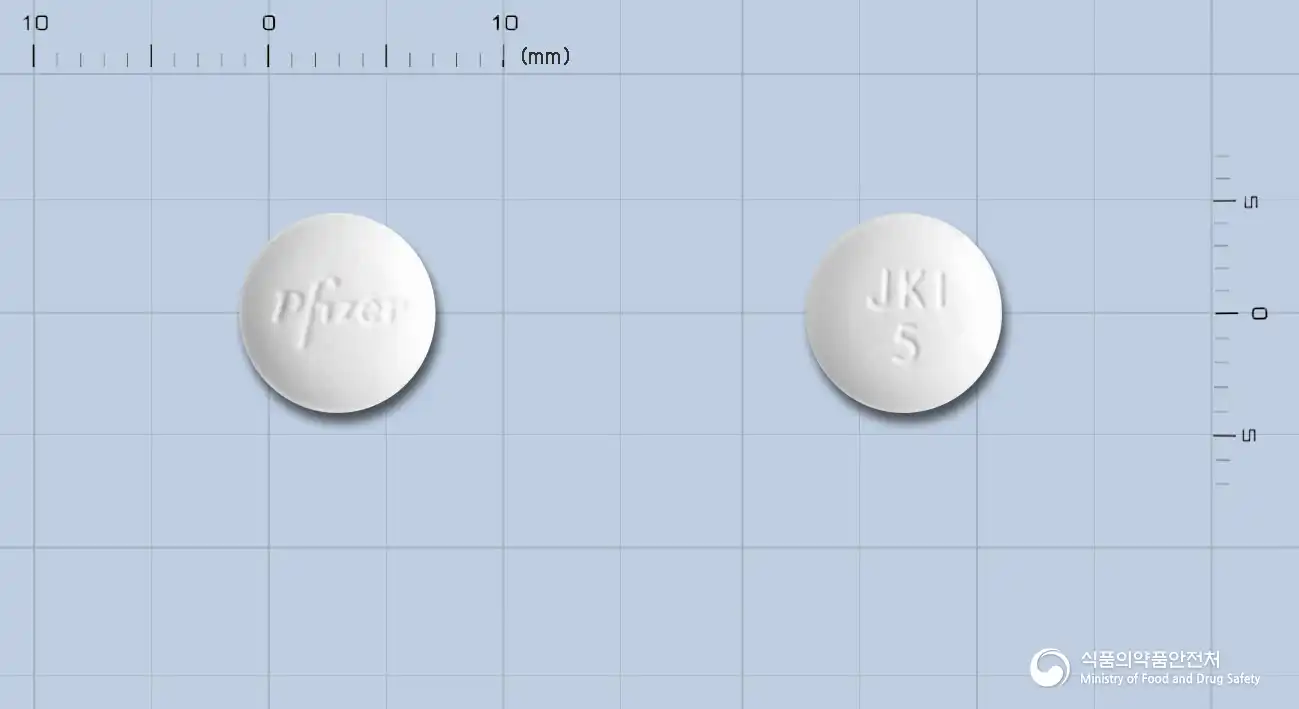
Tofacitinib Citrate 8.078mg
Tablet · Prescription medication
Pfizer Korea Co., Ltd.
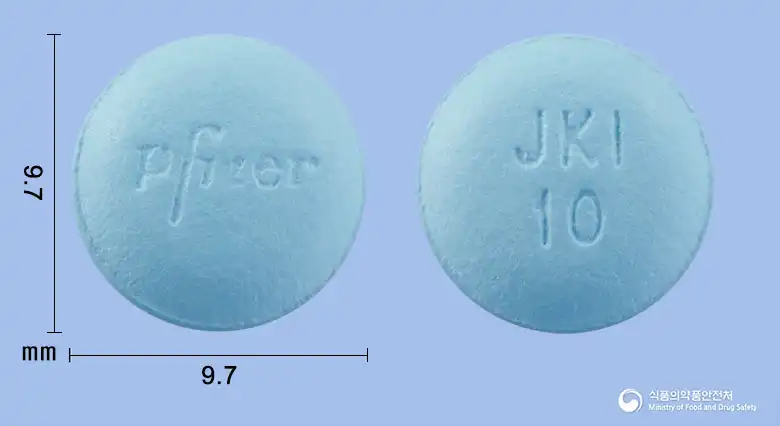
Tofacitinib Citrate 16.155mg
Tablet · Prescription medication
Pfizer Korea Co., Ltd.
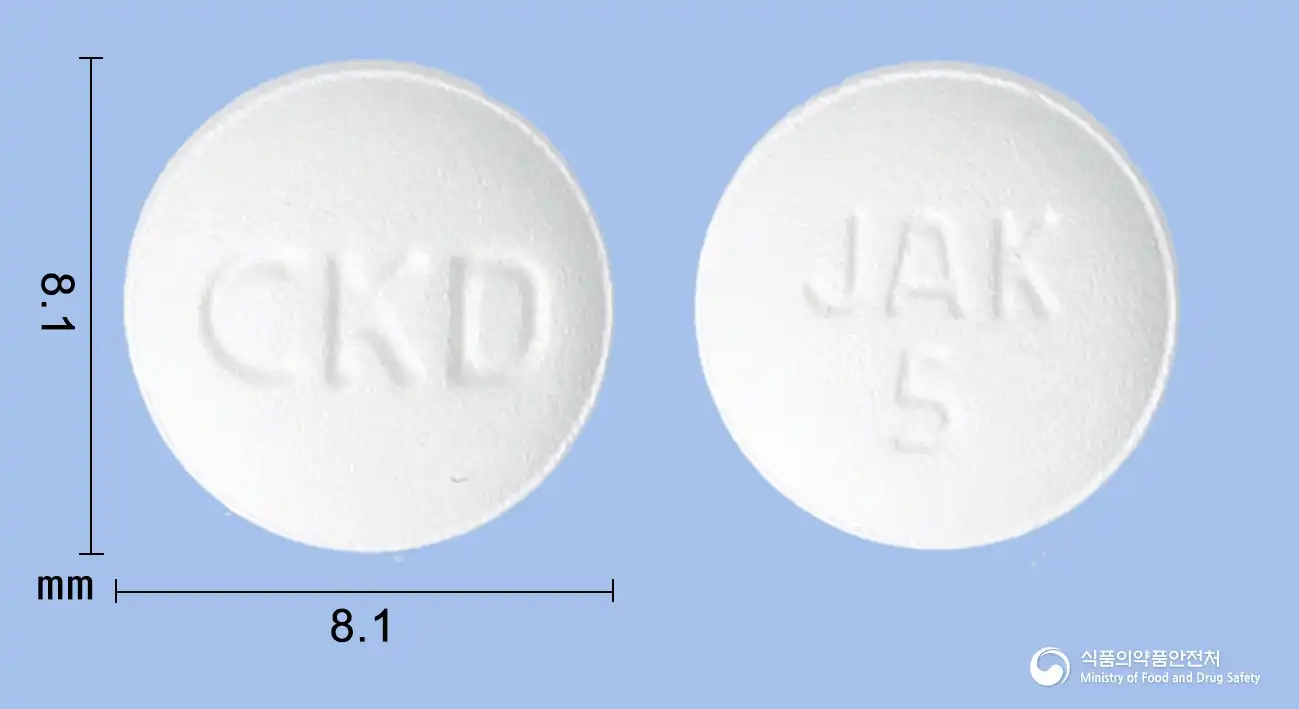
Tofacitinib Citrate
Tablet · Prescription medication
Jongkundang Co., Ltd.
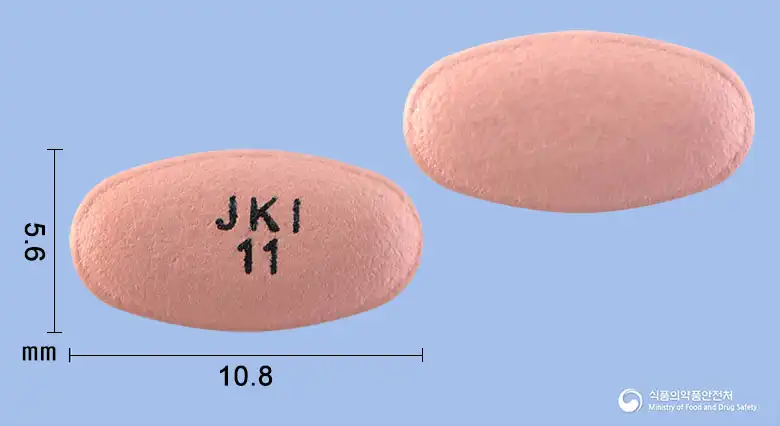
Tofacitinib Citrate 17.771mg
Tablet · Prescription medication
Pfizer Korea Co., Ltd.
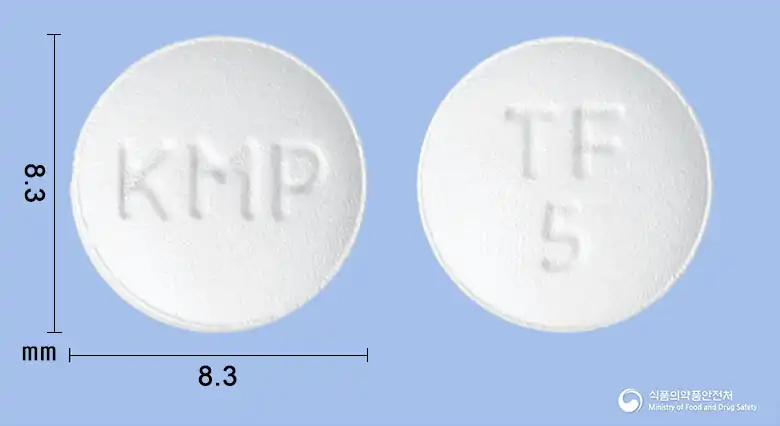
Tofacitinib Citrate 8.078mg
Tablet · Prescription medication
Genufarma Co., Ltd.
Tofacitinib Citrate 8.078mg
Tablet · Prescription medication
Hanpung Pharm Co., Ltd.
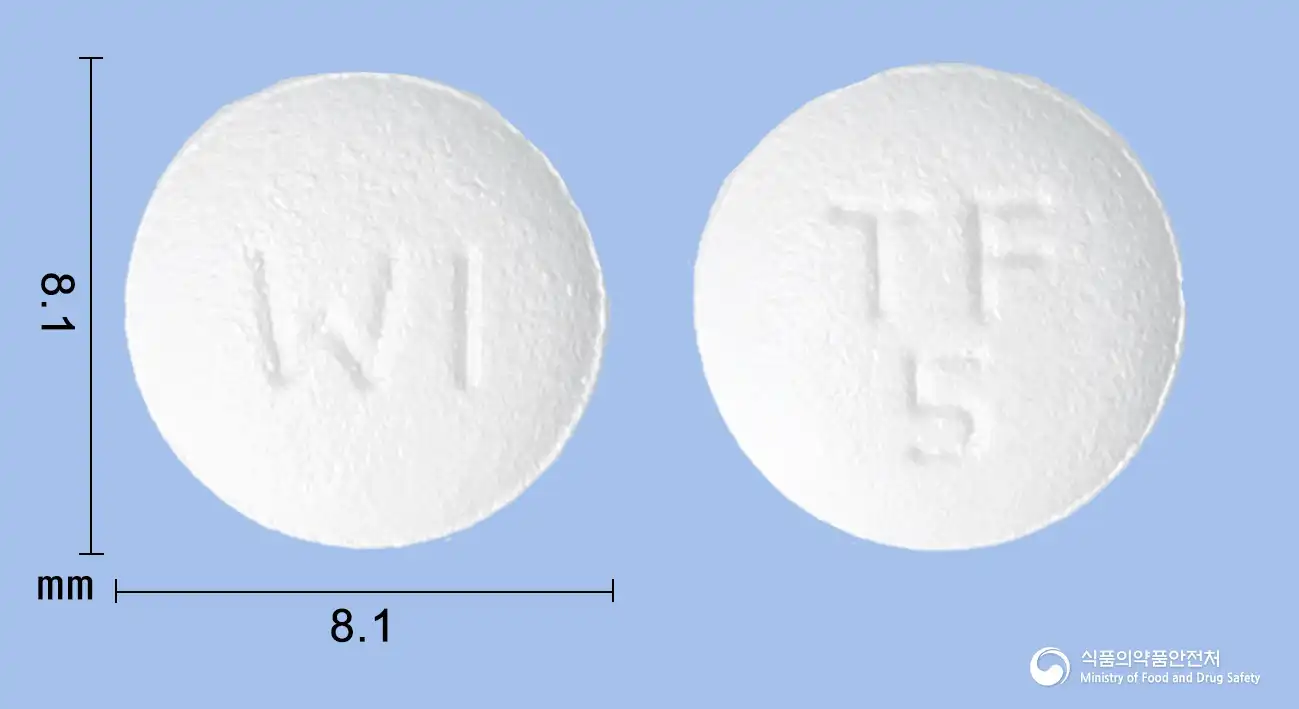
Tofacitinib Citrate 8.078mg
Tablet · Prescription medication
Hanmi Pharmaceutical Co., Ltd.
Even with the same ingredient, the dose and directions can differ by strength and dosage form. Talk to a doctor or pharmacist before switching from a medication you are already taking.
No questions yet.
For anything that needs medical judgment, consult a doctor or pharmacist.
This drug information is based on data provided by the Korea Ministry of Food and Drug Safety.
Consult a doctor or pharmacist for accurate dosage, administration, and usage instructions.