
 한국어
한국어 English
 日本語
日本語 中文(简体)
 Viewing nowCombination
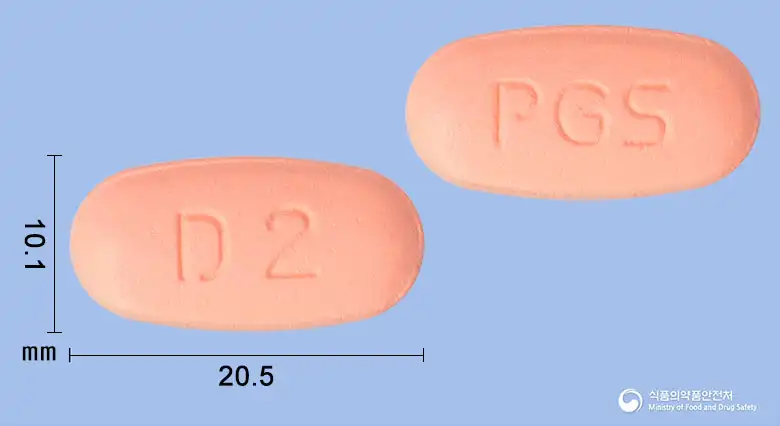
JanuaTin Duo Tablet 50/850 mg
Sitagliptin Hydrochloride Hydrate 56.69mg · Metformin Hydrochloride 850mg
Tablet · Prescription medication · Combination
FarmGen Science Co., Ltd.
MFDS item code 202300843 · Approved 2023.03.13 · Insurance code 670105450
Improvement of blood sugar control in type 2 diabetes
This medication is used to assist in blood sugar control for patients with type 2 diabetes. It is primarily administered as an adjunct to dietary control and exercise therapy and is a combination medication of sitagliptin and metformin. This helps to manage blood sugar effectively and contributes to the prevention of complications. When taken according to the patient's health condition, it can be very helpful in improving blood sugar control.
In the treatment of diabetes, the dosage of this medication should be determined considering each component's maximum recommended daily dose of sitagliptin 100 mg and metformin 2000 mg, along with the patient's current treatment regimen, efficacy, and tolerability. This medication is generally taken twice a day with food, and the dosage should be gradually increased to reduce gastrointestinal side effects caused by metformin. 1. Current patients not on metformin: For patients with no prior experience of alternative diabetes medication treatment and for whom monotherapy is insufficient for adequate blood sugar control or for whom sitagliptin monotherapy is insufficient for adequate blood sugar control, the initial dosage of this medication is 50/500 mg, taken twice daily, with one tablet per dose, and the dosage can be increased to this medication 50/1000 mg as two doses of one tablet each. Patients with renal impairment who are being prescribed a reduced dose of sitagliptin should not transition to this medication (Refer to Usage Cautions 2. Do not administer to the following patients). 2. Ongoing metformin treatment: - The recommended initial dosage of this medication for patients who cannot achieve adequate blood sugar control with metformin monotherapy is a total daily initial dosage of sitagliptin 50 mg twice daily (100 mg total per day) along with the existing metformin dosage. - Patients transitioning to this medication from a combination therapy of sitagliptin and metformin can start at their existing dosages of sitagliptin and metformin. 3. For patients who cannot achieve sufficient blood sugar control with combinations of metformin and sulfonylureas, metformin and insulin, or metformin and thiazolidinediones: The initial dosage of this medication is sitagliptin 50 mg twice daily (100 mg total per day), and the initial dose of metformin should be determined based on the patient's blood glucose levels and existing dosage. The dose should be increased gradually to minimize gastrointestinal side effects caused by metformin. If combined with sulfonylureas or insulin, consideration may be given to reduce dosages of sulfonylureas or insulin to decrease the risk of hypoglycemia (Refer to Usage Cautions 5. General Precautions). Studies have not been conducted to review the safety and efficacy in patients transitioning from other oral hypoglycemic agents to this medication. Any changes in therapy for type 2 diabetes may result in changes in blood sugar control and appropriate monitoring is required. Patients with renal impairment: This medication can be used in patients with moderate renal impairment stage 3a (creatinine clearance [CrCl] ≥ 45 and < 60 mL/min or estimated glomerular filtration rate [eGFR] ≥ 45 and < 60 mL/min/1.73m2) when they do not exhibit other symptoms that may increase the risk of lactic acidosis. The starting dose of metformin is 500 mg or 850 mg once daily, so treatment with this medication should not commence. The maximum recommended dose of metformin is 500 mg twice daily. Renal function should be carefully monitored every 3-6 months. If the CrCl < 45 mL/min or eGFR < 45 mL/min/1.73m2 indicates reduced renal function, this medication should be discontinued immediately. Patients with liver impairment: This medication should not be administered to patients with impaired liver function due to the metformin component (Refer to Usage Cautions 2. Do not administer to the following patients).
This medication contains sitagliptin and metformin, both of which are diabetes treatments. First, during the use of this medication, severe allergic reactions may occur, so if symptoms such as skin rash, hives, or difficulty breathing arise, discontinue use immediately and consult a physician. Acute pancreatitis has also been reported as a symptom of inflammation of the pancreas, so if sudden abdominal pain, nausea, or vomiting occur, visit the hospital immediately. This medication should not be used in patients with significantly reduced kidney function or in conditions affecting kidney function, such as severe infection, dehydration, or acute myocardial infarction. Particularly, use of this medication should be discontinued before and after examinations involving radiologic iodine contrast agents, and it may only be resumed after confirming normal kidney function post-examination. It is safer to avoid this medication for women who are pregnant, may become pregnant, or are breastfeeding. This medication may increase the risk of hypoglycemia or lactic acidosis when combined with irregular meals, vigorous exercise, or certain other medications, so caution is advised. Lactic acidosis is a rare but very serious side effect. If symptoms like weakness, muscle pain, difficulty breathing, abdominal pain, or altered consciousness occur, notify medical personnel immediately. During treatment, regular kidney function and blood tests should be conducted, and tests for vitamin B12 deficiency may also be necessary. Alcohol should be avoided during treatment, particularly excessive alcohol intake increases the risk of lactic acidosis. If symptoms of hypoglycemia appear, consume simple sugars immediately. If taking other hypoglycemic agents, dosage adjustment may be required to reduce the risk of hypoglycemia. In cases of surgery, discontinue the medication 48 hours prior to the procedure, and resume only after confirming normal kidney function post-operation. Finally, this medication is not recommended for use in children, especially under the age of 18, as safety and efficacy have not been established. If any unusual symptoms arise during treatment, it is essential to consult medical personnel immediately.
Hives, severe swelling (angioedema), anaphylaxis, rash, exfoliative skin conditions (Stevens-Johnson syndrome), acute pancreatitis, acute kidney failure, difficulty breathing, unstable angina, elevated liver enzymes, severe arthritis with complications, bullous pemphigoid, rhabdomyolysis, acute kidney failure, severe hypoglycemia
Not everyone experiences these, and they can vary from person to person.
This medication should be stored in a tightly sealed container to prevent exposure to air or moisture. It is recommended to maintain a storage temperature between 1 degree Celsius and 30 degrees Celsius at room temperature. This helps to prolong the effectiveness and safety of the medication.
Pink oval film-coated tablet
Bottle - 100 tablets/bottle, Bottle - 30 tablets/bottle
Even with the same ingredient, strength, dosage form and how it is taken can differ.
Viewing nowCombinationSitagliptin Hydrochloride Hydrate 56.69mg · Metformin Hydrochloride 850mg
Tablet · Prescription medication · Combination
FarmGen Science Co., Ltd.
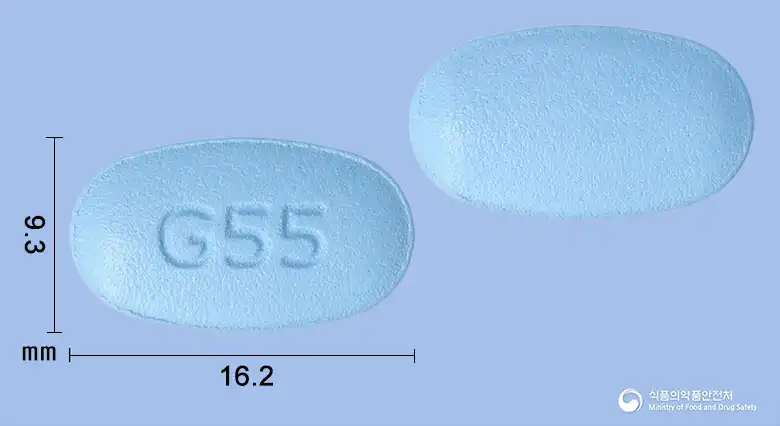 Combination
Sitagliptin Hydrochloride Hydrate 56.7mg · Metformin Hydrochloride 500mg
Tablet · Prescription medication · Combination
Shinil Pharmaceutical Co., Ltd.
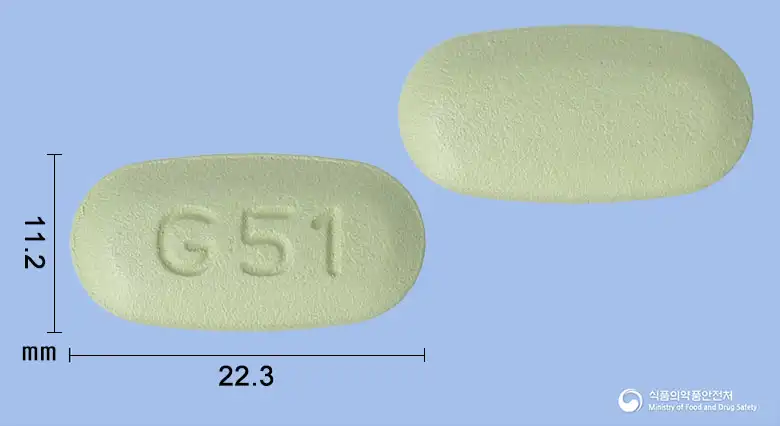 Combination
Sitagliptin Hydrochloride Hydrate 56.7mg · Metformin Hydrochloride 1000mg
Tablet · Prescription medication · Combination
Shinil Pharmaceutical Co., Ltd.
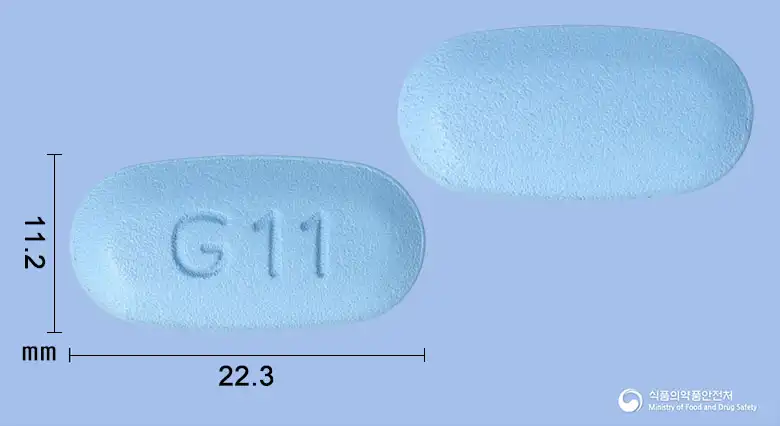 Combination
Sitagliptin Hydrochloride Hydrate 113.4mg · Metformin Hydrochloride 1000mg
Tablet · Prescription medication · Combination
Shinil Pharmaceutical Co., Ltd.
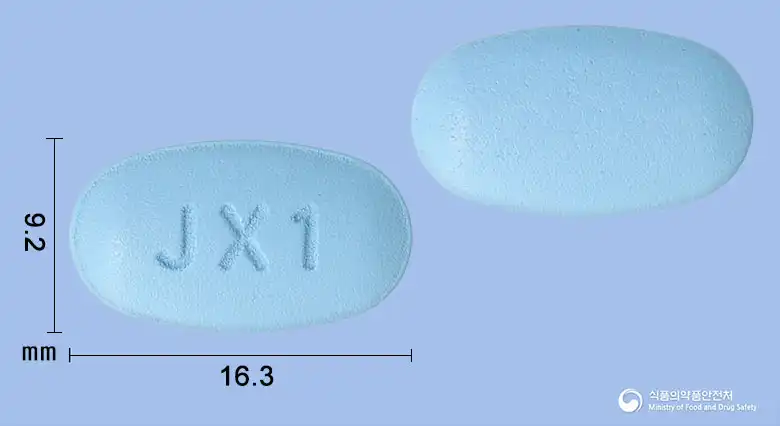 Combination
Sitagliptin Hydrochloride Hydrate 56.7mg · Metformin Hydrochloride 500mg
Tablet · Prescription medication · Combination
GL Pharma Co., Ltd.
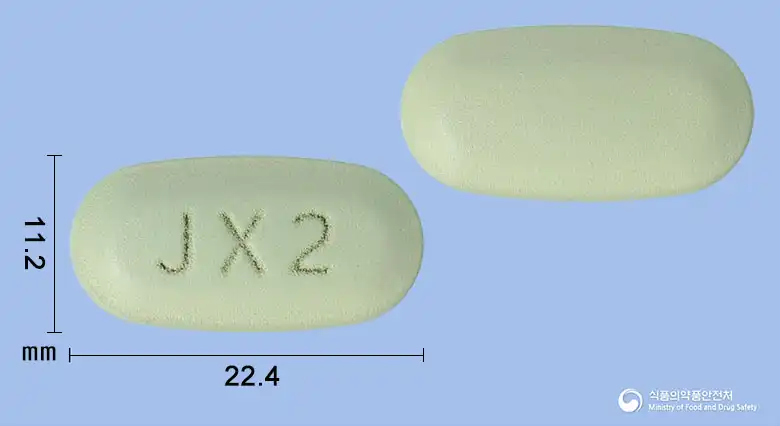 Combination
Sitagliptin Hydrochloride Hydrate 56.7mg · Metformin Hydrochloride 1000mg
Tablet · Prescription medication · Combination
GL Pharma Co., Ltd.
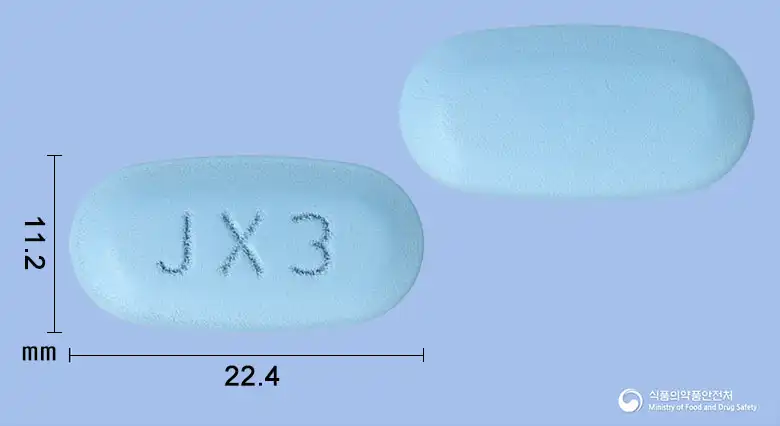 Combination
Sitagliptin Hydrochloride Hydrate 113.4mg · Metformin Hydrochloride 1000mg
Tablet · Prescription medication · Combination
GL Pharma Co., Ltd.
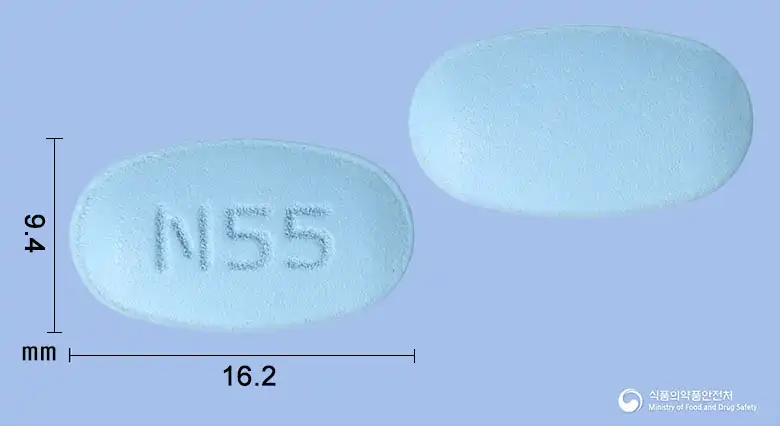 Combination
Sitagliptin Hydrochloride Hydrate 56.7mg · Metformin Hydrochloride 500mg
Tablet · Prescription medication · Combination
Korea Hutech Pharmaceutical Co., Ltd.
Even with the same ingredient, the dose and directions can differ by strength and dosage form. Talk to a doctor or pharmacist before switching from a medication you are already taking.
No questions yet.
For anything that needs medical judgment, consult a doctor or pharmacist.
This drug information is based on data provided by the Korea Ministry of Food and Drug Safety.
Consult a doctor or pharmacist for accurate dosage, administration, and usage instructions.