
 한국어
 English
 日本語
 中文(简体)
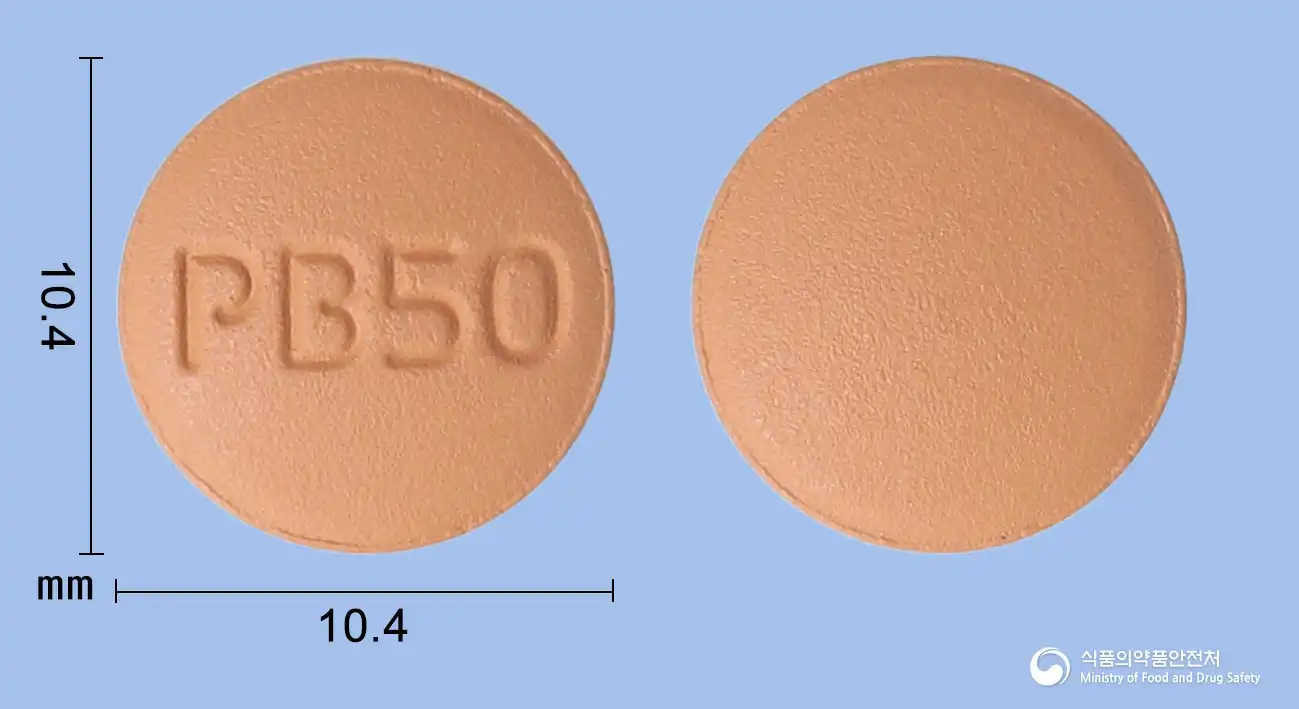 Viewing now
Eltrombopag 50 mg (Eltrombopag Olamine)
Eltrombopag Olamine 63.8mg
Tablet · Prescription medication
Korea Pharma Bio Co., Ltd.
MFDS item code 202300821 · Approved 2023.03.10 · Insurance code 659901970
Treatment of thrombocytopenia associated with chronic immune thrombocytopenia and hepatitis C, and severe aplastic anemia
This medication is used for the treatment of thrombocytopenia with a risk of bleeding in patients with chronic idiopathic thrombocytopenia who do not respond to corticosteroids, immunoglobulin therapy, or splenectomy. It is also utilized in patients with chronic hepatitis C who have difficulty starting or maintaining interferon-based treatment for thrombocytopenia. Additionally, it may be used in severe aplastic anemia patients aged 2 and older as first-line therapy or when there is a lack of response to immunosuppressive therapy to assist in achieving treatment effects. This medication is not intended to normalize platelet counts but instead is focused on situations with a high risk of bleeding. It contributes to reducing the risk of bleeding and improving the patient's condition through treatment.
Initial dose for chronic immune (idiopathic) thrombocytopenia: Administer this drug 25mg once daily. Do not exceed 50mg per day. If the platelet count is below 50×109/L after at least 2 weeks of treatment with this drug: Increase the daily dose by 25mg, up to a maximum of 50mg/day. For patients whose dose was reduced to 25mg every other day, consider increasing the dose to 25mg/day. If the platelet count is ≥200×109/L to ≤400×109/L: Decrease the daily dose by 25mg. Reassess after 2 weeks and adjust the dose according to the results. For patients receiving 25mg/day, consider reducing the dose to 25mg every other day. If the platelet count is above 400×109/L: Discontinue this drug. Increase the frequency of platelet count monitoring to twice weekly. When the platelet count falls below 150×109/L, restart treatment; consider restarting at 25mg or 25mg every other day. If the platelet count is above 400×109/L after 2 weeks at the lowest dose of this drug: Discontinue this drug. If the platelet count has not increased to a level sufficient to prevent clinically significant bleeding after 4 weeks of treatment with the maximum daily dose of this drug, 50mg, discontinue this drug. The standard dose adjustment for increasing or decreasing the dose of this drug is to increase or decrease it by 25mg once daily. However, some patients may need a combination of different doses on alternate days or less frequent administration. After dose adjustment, monitor the platelet count at least once weekly for 2–3 weeks. Wait at least 2 weeks to assess the effect of the dose adjustment on the patient's platelet response before considering any further dose increase. For patients with cirrhosis (i.e., hepatic impairment), wait 3 weeks before increasing the dose. For patients with hepatic impairment (Child-Pugh class A, B, or C), administer an initial dose of 25mg every other day. For patients with hepatic impairment (Child-Pugh class A, B, or C), after the initial dose or any subsequent dose increase, it is recommended to wait 3 weeks before increasing to the next dose. Initial dose for thrombocytopenia associated with chronic hepatitis C: Administer this drug 25mg once daily. Adjust the dose by 25mg every 2 weeks to achieve the target platelet count for initiating antiviral therapy. During antiviral therapy, adjust the dose of this drug to avoid reducing the dose of peginterferon. Do not exceed 75mg per day. If the platelet count is below 50×109/L after at least 2 weeks of treatment with this drug: Increase the daily dose by 25mg, up to a maximum of 75mg/day. If the platelet count is ≥200×109/L to ≤400×109/L: Decrease the daily dose by 25mg. Reassess after 2 weeks and adjust the dose according to the results. For patients receiving 25mg once daily, consider reducing the dose to 25mg every other day. If the platelet count is above 400×109/L: Discontinue this drug. Increase the frequency of platelet count monitoring to twice weekly. When the platelet count falls below 150×109/L, restart treatment at a daily dose reduced by 25mg. For patients receiving 25mg once daily, restart treatment at 25mg every other day. If the platelet count is above 400×109/L after 2 weeks at the lowest dose of this drug: Discontinue this drug. Initial dose for patients with severe aplastic anemia who have not had an adequate response to immunosuppressive therapy: Administer this drug 25mg once daily. Hematologic responses generally require dose titration up to 100mg and may take up to 16 weeks after treatment initiation. Adjust the dose by 25mg every 2 weeks to achieve and maintain the required platelet count (at least 50×109/L). Do not exceed 100mg per day. If the platelet count is below 50×109/L after at least 2 weeks of treatment with this drug: Increase the daily dose by 25mg, up to a maximum of 100mg/day. If the platelet count is ≥200×109/L to ≤400×109/L: Decrease the daily dose by 25mg. Reassess after 2 weeks and adjust the dose according to the results. If the platelet count is above 400×109/L: Discontinue this drug for 1 week. When the platelet count falls below 150×109/L, restart treatment; consider restarting at a dose reduced by 25mg. If the platelet count is above 400×109/L after 2 weeks at the lowest dose of this drug: Discontinue this drug. For patients with a platelet count above 50×109/L, hemoglobin above 10 g/dL without red blood cell transfusions, and absolute neutrophil count (ANC) above 1×10⁹/L for at least 8 weeks, reduce the dose of this drug by up to 50%. If the platelet count remains stable after 8 weeks at the reduced dose, discontinue this drug and monitor blood counts. If the platelet count falls below 30×109/L, hemoglobin falls below 9g/dL, or absolute neutrophil count (ANC) falls below 0.5×10⁹/L, this drug may be restarted at the previous dose.
Severe aplastic anemia, first-line treatment in combination with immunosuppressive therapy, pediatric patients 2 years and older and adults: Initiate treatment with this drug in combination with immunosuppressive therapy. Do not exceed the initial dose of this drug. Adolescents 12-17 years: Administer 75 mg of this drug once daily for 6 months. Children 6-11 years: Administer 37.5 mg of this drug once daily for 6 months. To administer 37.5 mg of this drug once daily, 25 mg and 50 mg of this drug may be given on alternate days. Children 2-5 years: Administer 1.25mg/kg once daily for 6 months. If the platelet count is >200×109/L to ≤400×109/L: Reduce the dose in children under 12 years to 25mg every other day. If the platelet count is >400×109/L: When the platelet count falls below 200×109/L, restart treatment and consider restarting at a dose reduced by 25mg (in children under 12 years, consider restarting at a dose of 25mg every other day). There are no data on dose adjustment for hepatic impairment in pediatric patients. Based on clinical judgment, dose adjustment proportional to that used in adults should be considered.
This medication may cause liver damage; therefore, regular liver function tests should be performed before and during use. There is an increased risk of liver damage, particularly in East Asian patients, so caution is necessary. If liver function worsens, the medication should be discontinued, and regular tests should be performed until liver function recovers. Symptoms related to liver function deterioration should be carefully monitored when using this medication in patients with chronic hepatitis C. Due to the risk of progressing bone marrow fibrosis, close attention should be paid to blood test results and changes in symptoms. If platelet counts become too high, the risk of thrombosis increases; hence, platelet counts should be measured regularly, and dosage should be adjusted if necessary. This medication may interact with other drugs, so it is essential to consult with healthcare professionals about any concomitant medications. Women who are pregnant or planning to become pregnant should carefully consider the effects on the fetus when taking this medication. In breastfeeding cases, this medication may be transmitted through breast milk, so it is essential to consult healthcare professionals regarding breastfeeding. Children, elderly patients, and those with impaired liver or kidney function require careful monitoring and dosage adjustments when taking this medication. In cases of overdose, platelet counts may dramatically increase, causing thrombosis, so dosages must be strictly adhered to. Any unusual symptoms or discomfort during use should be reported immediately to healthcare professionals.
Not everyone experiences these, and they can vary from person to person.
This medication may be sensitive to air and moisture, so it should be stored in a tightly sealed container. The storage temperature should be maintained between 1 and 30 degrees Celsius at room temperature. Proper storage helps retain the medication's efficacy for a longer period.
Brown, double-sided, convex, round film-coated tablet
28 tablets/box [7 tablets/PTP X 4]
Even with the same ingredient, strength, dosage form and how it is taken can differ.
Viewing nowEltrombopag Olamine 63.8mg
Tablet · Prescription medication
Korea Pharma Bio Co., Ltd.
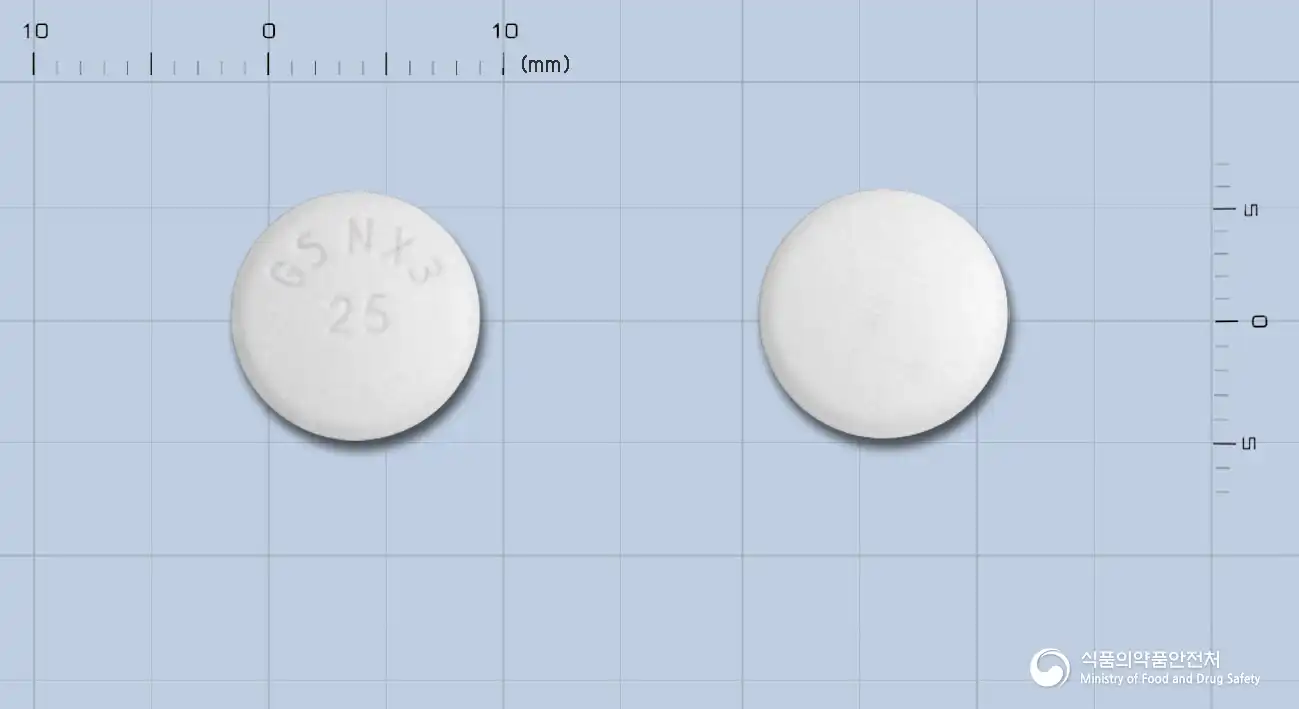
Eltrombopag Olamine 31.9mg
Tablet · Prescription medication
Korea Novartis Co., Ltd.
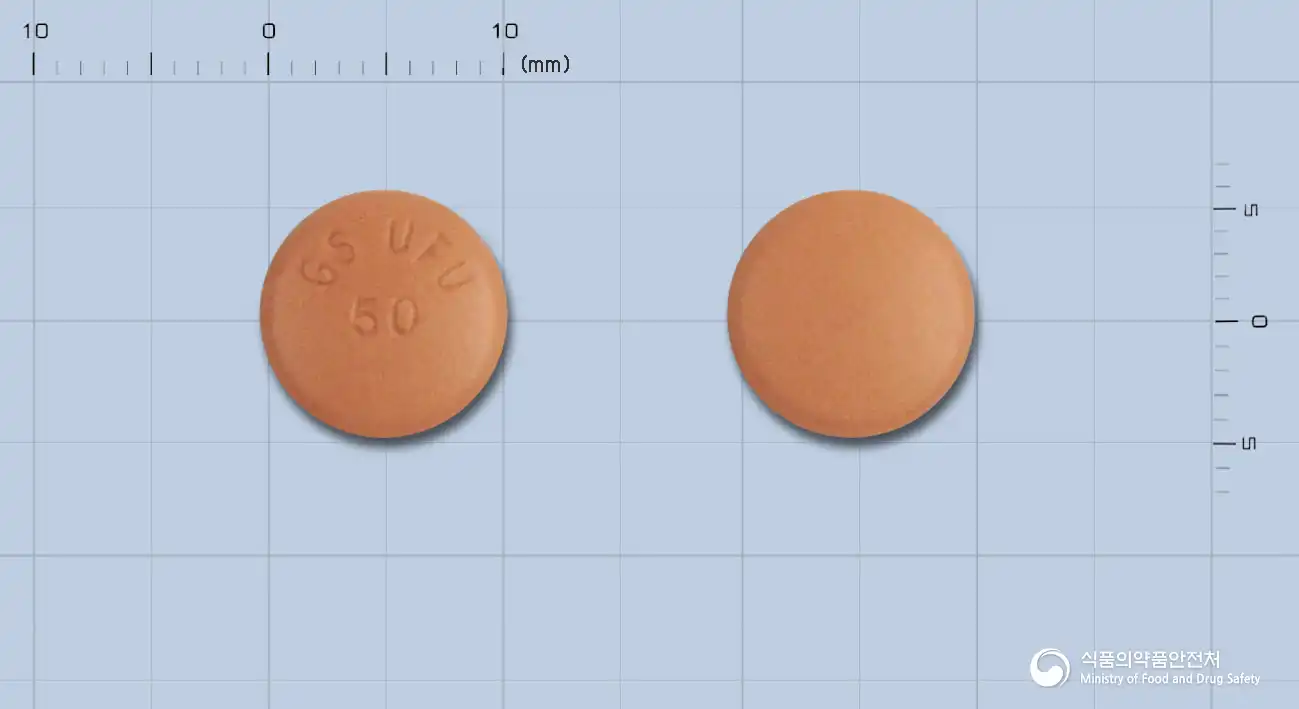
Eltrombopag Olamine 63.8mg
Tablet · Prescription medication
Korea Novartis Co., Ltd.
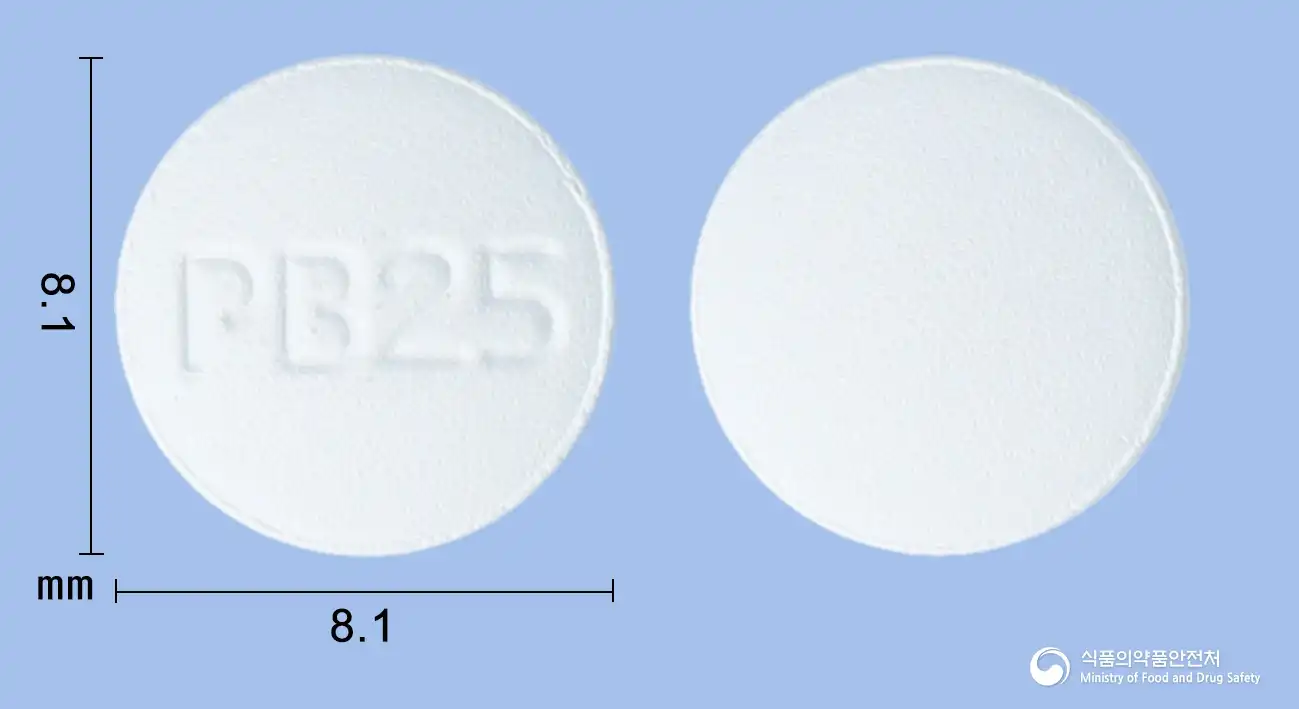
Eltrombopag Olamine 31.9mg
Tablet · Prescription medication
Korea Pharma Bio Co., Ltd.
Even with the same ingredient, the dose and directions can differ by strength and dosage form. Talk to a doctor or pharmacist before switching from a medication you are already taking.
No questions yet.
For anything that needs medical judgment, consult a doctor or pharmacist.
This drug information is based on data provided by the Korea Ministry of Food and Drug Safety.
Consult a doctor or pharmacist for accurate dosage, administration, and usage instructions.