
 한국어
한국어 English
 日本語
日本語 中文(简体)
 Viewing nowCombination
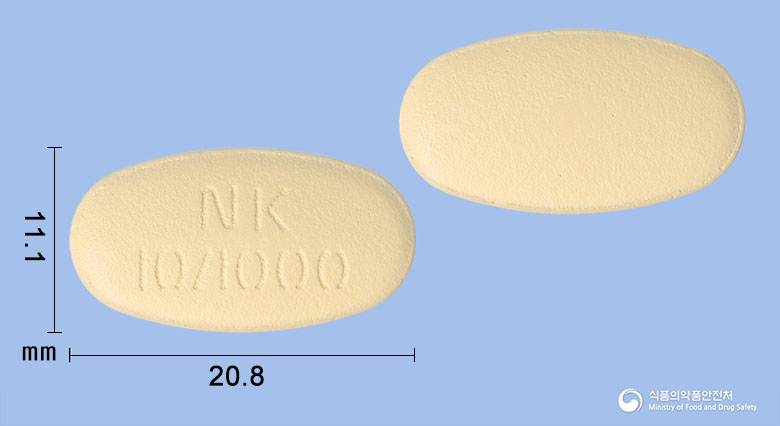
Plogam Duo Extended-release Tablet 10/1000 mg (Dapagliflozin, Metformin)
Dapagliflozin Propanediol Hydrate 12.3mg · Metformin Hydrochloride 1000mg
Tablet · Prescription medication · Combination
Nexfarm Korea Co., Ltd.
MFDS item code 202300358 · Approved 2023.01.27 · Insurance code 662504870
Effectiveness in blood sugar control for type 2 diabetes and prevention of cardiovascular incidents
This medication helps adult patients with type 2 diabetes manage their blood sugar levels through the combined use of dapagliflozin and metformin. It is administered as an adjunct therapy to patients engaging in meal planning and physical activity. It is used when blood sugar is not adequately controlled, especially in patients with or at risk of cardiovascular disease where caution is required. This medication is useful for improving blood sugar control and assisting the management of patients’ health.
This medication is generally administered once daily with the evening meal. The maximum dose is 10 mg of dapagliflozin/2000 mg of extended-release metformin once daily, administered as 2 tablets of 5 mg/1000 mg. When used as initial therapy, the recommended starting dose is one tablet of 5 mg/500 mg or 10 mg/500 mg once daily. For patients currently being treated with metformin, the recommended dose of dapagliflozin is 10 mg.
This medication is used for the treatment of diabetes and works through the combination of two components to control blood sugar. Renal function is very important when taking this medication, so patients with poor renal function or kidney disease should not take it. Additionally, it is not safe to administer this medication to patients with dehydration, severe infections, heart problems, or liver dysfunction. Pregnant or breastfeeding women should also not use this medication. During the course of taking this medication, hypoglycemic symptoms may occur, so caution is necessary when taking it with insulin or other glucose-lowering agents, and dosage adjustment may be required. This medication can rarely cause a serious metabolic disease called lactic acidosis, so if symptoms such as sudden fatigue, muscle pain, difficulty breathing, or abdominal pain occur, consult a doctor immediately. Genital infections or urinary tract infections may occur, so prompt treatment is necessary when infection symptoms appear. Moreover, this medication can cause decreased fluid volume or low blood pressure, so fluid status should be monitored regularly, and care should be taken if blood pressure is low or dehydration is suspected. Vitamin B12 deficiency may occur, so if used for a long time, it is advisable to check vitamin B12 levels through blood tests. This medication should be discontinued for a period of time before and after surgery or tests using iodinated contrast agents, and it should be restarted only after confirming normal kidney function. This medication should be administered with caution in children and the elderly, particularly since the elderly are at risk of decreased kidney function and regular kidney function tests are necessary. In case of overdose, visit a medical facility immediately for appropriate treatment, and if necessary, the drug may be removed through dialysis. Finally, this medication should be stored out of reach of children and kept in its original container to prevent misuse or degradation of quality.
Severe lactic acidosis, severe hypoglycemia, acute kidney failure, lactic acidosis-related acute kidney failure, urosepsis, pyelonephritis, acute myocardial infarction, cardiovascular collapse (shock), acute cholecystitis, atrial fibrillation, Guillain-Barré syndrome, perineal necrosis, severe allergic reactions, severe dermatological reactions, respiratory issues, liver abnormalities (jaundice), serious neurological symptoms, severe edema or urinary abnormalities, diabetic ketoacidosis
Vulvovaginitis, balanitis and related genital infections, urinary tract infections, fungal infections, hypoglycemia, decreased fluid volume, dry mouth, dizziness, constipation, dry mouth, back pain, painful urination, polyuria, nocturia, vulvar itching, genital itching, elevated hematocrit, reduced creatinine clearance at the beginning of treatment, dyslipidemia, increased serum creatinine at the beginning of treatment, elevated blood urea, weight loss, diarrhea, nausea/vomiting, Vitamin B
Not everyone experiences these, and they can vary from person to person.
This medication may be sensitive to air or moisture, so it should be stored in a tightly sealed container. It is important to maintain a storage temperature between 1 to 30 degrees Celsius. Proper storage will help ensure the medication’s effectiveness.
Yellow, double-convex, oval-shaped extended-release film-coated tablet
30 tablets/bottle, 100 tablets/bottle
Even with the same ingredient, strength, dosage form and how it is taken can differ.
Viewing nowCombinationDapagliflozin Propanediol Hydrate 12.3mg · Metformin Hydrochloride 1000mg
Tablet · Prescription medication · Combination
Nexfarm Korea Co., Ltd.
Metformin Hydrochloride 1000mg · Dapagliflozin Propanediol Hydrate 6.15mg
Tablet · Prescription medication · Combination
AstraZeneca Korea Co., Ltd.
 Combination
Metformin Hydrochloride 1000mg · Dapagliflozin Propanediol Hydrate 12.3mg
Tablet · Prescription medication · Combination
AstraZeneca Korea Co., Ltd.
 Combination
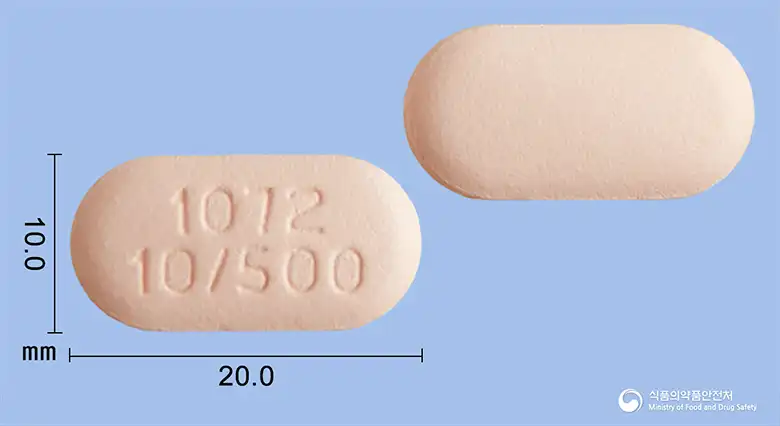
Metformin Hydrochloride 500mg · Dapagliflozin Propanediol Hydrate 12.3mg
Tablet · Prescription medication · Combination
AstraZeneca Korea Co., Ltd.
Metformin Hydrochloride 500mg · Dapagliflozin Propanediol Hydrate 6.15mg
Tablet · Prescription medication · Combination
AstraZeneca Korea Co., Ltd.
 Combination
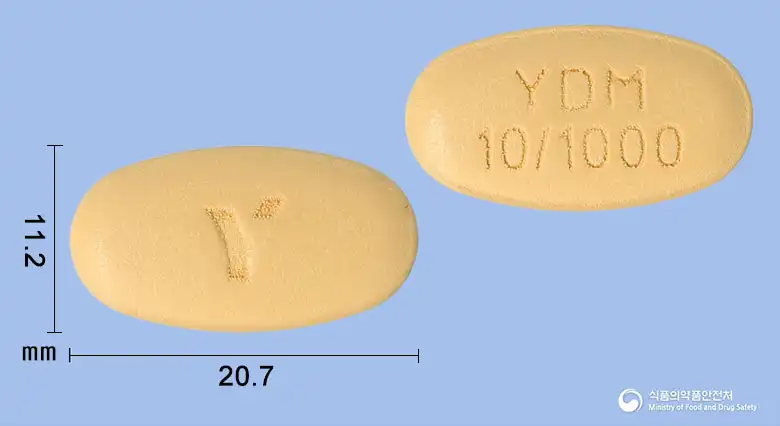
Metformin Hydrochloride 1000mg · Dapagliflozin Propanediol Hydrate 12.3mg
Tablet · Prescription medication · Combination
YouYoung Pharmaceutical Co., Ltd.
 Combination
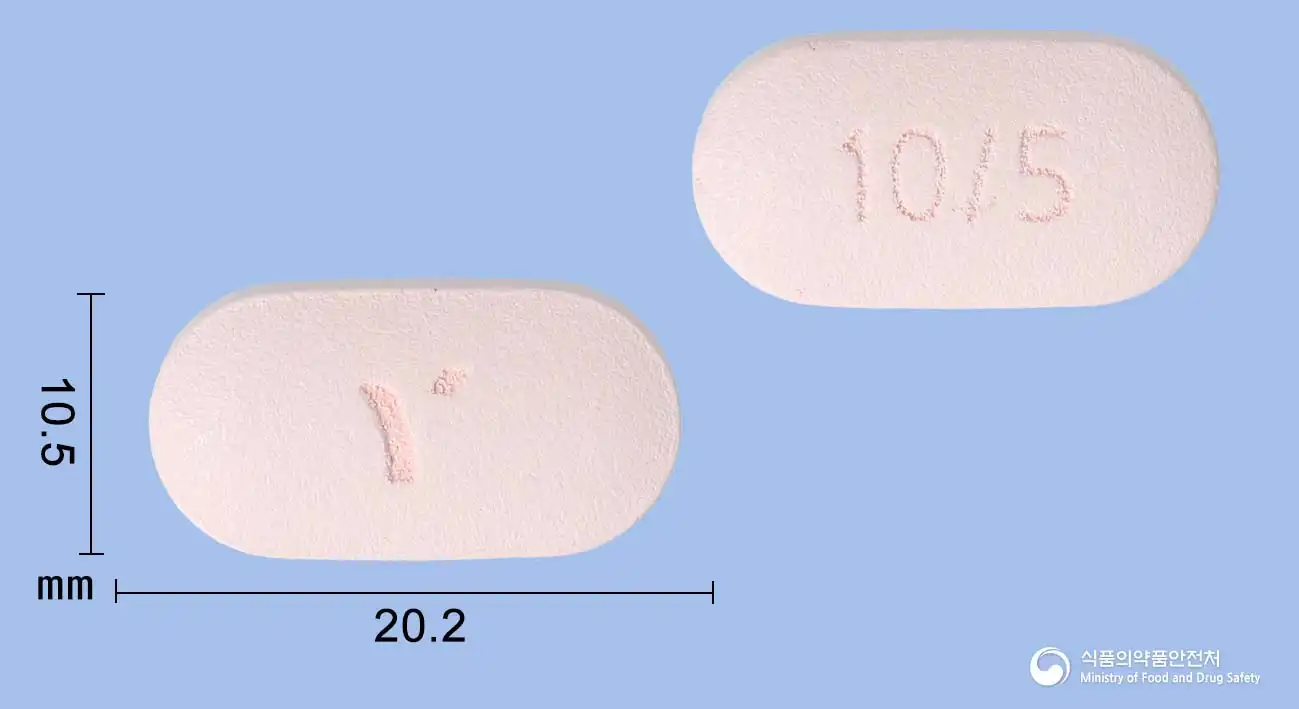
Metformin Hydrochloride 500mg · Dapagliflozin Propanediol Hydrate 12.3mg
Tablet · Prescription medication · Combination
Yuyoung Pharmaceutical Co., Ltd.
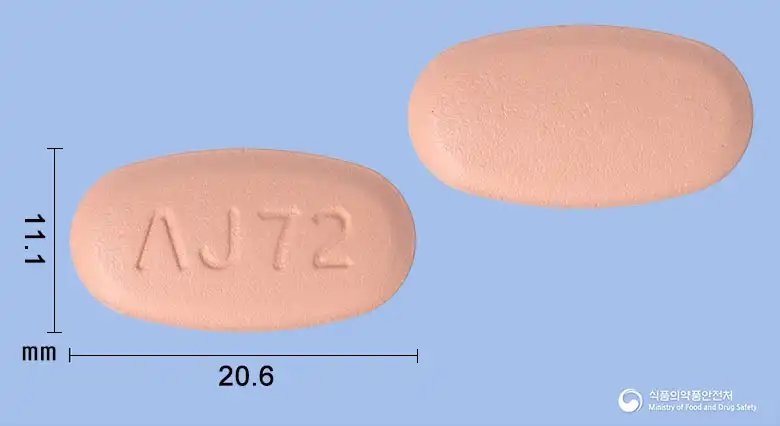 Combination
Dapagliflozin Propanediol Hydrate 12.3mg · Metformin Hydrochloride 500mg
Tablet · Prescription medication · Combination
Aju Pharmaceuticals Co., Ltd.
Even with the same ingredient, the dose and directions can differ by strength and dosage form. Talk to a doctor or pharmacist before switching from a medication you are already taking.
No questions yet.
For anything that needs medical judgment, consult a doctor or pharmacist.
This drug information is based on data provided by the Korea Ministry of Food and Drug Safety.
Consult a doctor or pharmacist for accurate dosage, administration, and usage instructions.