
 한국어
한국어 English
 日本語
日本語 中文(简体)
 Viewing now
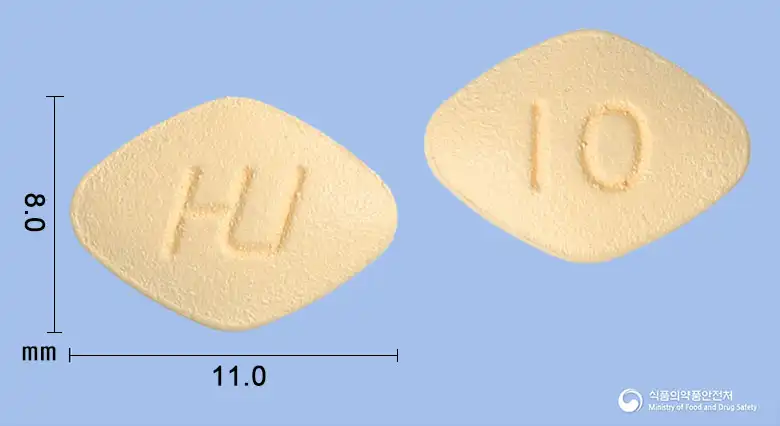
Dapuri 10 mg Tablets (Dapagliflozin Propanediol Monohydrate)
Dapagliflozin Propanediol Hydrate 12.3mg
Tablet · Prescription medication
Huvis Pharmaceuticals Co., Ltd.
MFDS item code 202300304 · Approved 2023.01.19 · Insurance code 628801720
Treatment to control blood sugar in type 2 diabetes and reduce cardiovascular risk in chronic heart failure and kidney disease
This medication is used to help control blood sugar levels in patients with type 2 diabetes and to reduce the risk of death and hospitalization due to cardiovascular diseases in patients with chronic heart failure. It is also effective in lowering the risk of deterioration in kidney function in patients with chronic kidney disease. The therapeutic effect is maximized by administering this medication in conjunction with other standard treatments for each disease. Therefore, it is beneficial for patients with type 2 diabetes, chronic heart failure, and chronic kidney disease.
The recommended dose of this medication is 10 mg once daily for both monotherapy and additional combination therapy with other antihyperglycemic agents such as insulin. In the case of initial combination therapy, when there is no prior experience with treatment of diabetes medications, the initial dose when used in combination with metformin is either 5 mg or 10 mg once daily. This includes dosage adjustments for renal impairment, liver impairment, and elderly patients.
The efficacy and safety of dapagliflozin in pediatric patients under 18 years of age have not been established. No relevant data is available.
This medication should not be administered to certain patients. First, patients with allergies to the active ingredient or excipients of this medication should not use it. Furthermore, it is not administered to patients with type 1 diabetes or diabetic ketoacidosis. This medication contains lactose; therefore, it should not be used in patients with genetic issues such as galactose intolerance, Lapp lactase deficiency, or glucose-galactose malabsorption. Patients undergoing dialysis should also not take this medication. Caution should be exercised when administering this medication to patients with reduced fluid volume or impaired kidney function. This medication may lower blood pressure or reduce intravascular fluid volume, increasing the risk of hypotension or acute kidney injury. Special caution is particularly needed for patients with impaired kidney function, the elderly, and those taking diuretics. Fluid status and kidney function should be carefully monitored before starting this medication and during its administration, as well as observing for symptoms of hypotension or signs of renal impairment. This medication is not recommended for patients with severely impaired kidney function for the purpose of blood sugar control. Common side effects that may occur while taking this medication include genital infections. Special caution is needed as it may occur more frequently in women or patients with a history of genital infections. Additionally, symptoms of hypoglycemia may occur, and the risk of hypoglycemia may increase when taken with insulin or sulfonylureas. Due to decreased fluid volume, symptoms of dehydration or hypotension may present; if these symptoms occur, immediate consultation with medical professionals is necessary. Serious metabolic abnormalities known as diabetic ketoacidosis can occur, so if symptoms such as nausea, vomiting, abdominal pain, or difficulty breathing arise during the use of this medication, immediate hospitalization is required. This medication may also increase the risk of urinary tract infections and pyelonephritis, so quickly seeking treatment for pain or discomfort while urinating is advised. Elderly patients are at greater risk of decreased fluid volume and hypotension due to likely impaired kidney function or concurrent use of other antihypertensives, so special caution is warranted. Women who are pregnant or lactating should refrain from taking this medication, and if pregnancy is confirmed, it should be discontinued immediately. The safety and efficacy of this medication in children have not been established; therefore, it is not used in pediatric patients. In the case of overdose, since there is no specific antidote, treatment should be symptomatic, and dehydration or hypotension should be watched for. While taking this medication, caution should be taken when driving or operating machinery due to the risk of hypoglycemia. This risk is particularly higher when taken with insulin or sulfonylureas. Finally, this medication should be kept out of reach of children and stored in its original container to maintain product quality.
Decreased fluid volume (dehydration, hypovolemia, hypotension), diabetic ketoacidosis, urinary sepsis and pyelonephritis, acute kidney injury and renal dysfunction, urticaria, angioedema, anaphylaxis reaction, necrotizing fasciitis (Fournier's gangrene), severe rash with fever, blisters, skin peeling, pain in oral/ocular mucosa, dyspnea or difficulty breathing, asthmatic attacks, respiratory abnormalities accompanied by cough and fever, yellowing of skin or eyes (jaundice)
Not everyone experiences these, and they can vary from person to person.
This medication should be stored in a tightly sealed container to protect it from air and moisture. Additionally, it should be stored at room temperature between 1 to 30 degrees Celsius, avoiding extremely hot or cold places.
Yellow, diamond-shaped, biconvex film-coated tablets
100 tablets/bottle, 30 tablets/bottle, 28 tablets (7 tablets/PTP×4)
Even with the same ingredient, strength, dosage form and how it is taken can differ.
Viewing nowDapagliflozin Propanediol Hydrate 12.3mg
Tablet · Prescription medication
Huvis Pharmaceuticals Co., Ltd.
Dapagliflozin Propanediol Hydrate 6.15mg
Tablet · Prescription medication
AstraZeneca Korea Co., Ltd.
Dapagliflozin Propanediol Hydrate 12.3mg
Tablet · Prescription medication
AstraZeneca Korea Co., Ltd.
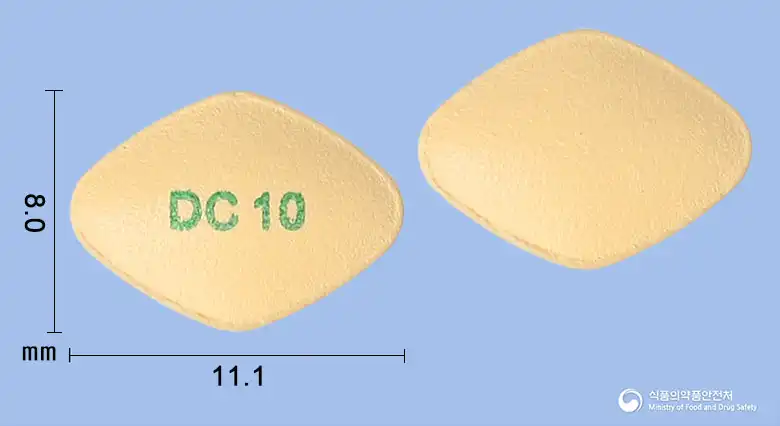
Dapagliflozin Propanediol Hydrate 12.3mg
Tablet · Prescription medication
Donggu Bio Pharmaceutical Co., Ltd.
Dapagliflozin Propanediol Hydrate 12.3mg
Tablet · Prescription medication
Il Sung IS Co., Ltd.
Dapagliflozin Propanediol Hydrate
Prescription medication
Optus Pharmaceutical Co., Ltd.
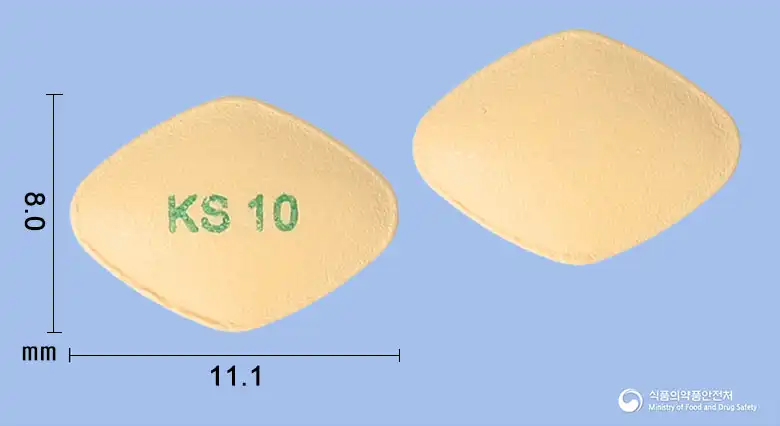
Dapagliflozin Propanediol Hydrate 12.3mg
Tablet · Prescription medication
Aprogen Biologics Co., Ltd.
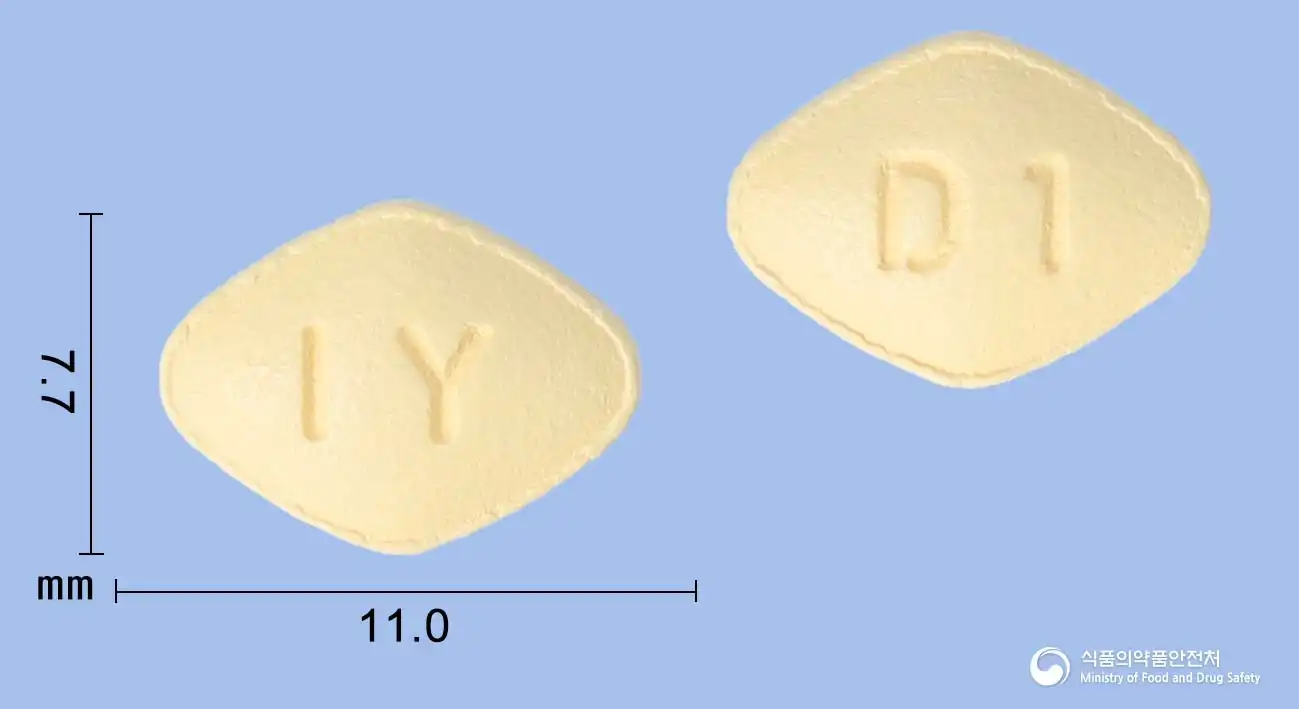
Dapagliflozin Propanediol Hydrate 12.3mg
Tablet · Prescription medication
Il Yang Pharmaceutical Co., Ltd.
Even with the same ingredient, the dose and directions can differ by strength and dosage form. Talk to a doctor or pharmacist before switching from a medication you are already taking.
No questions yet.
For anything that needs medical judgment, consult a doctor or pharmacist.
This drug information is based on data provided by the Korea Ministry of Food and Drug Safety.
Consult a doctor or pharmacist for accurate dosage, administration, and usage instructions.