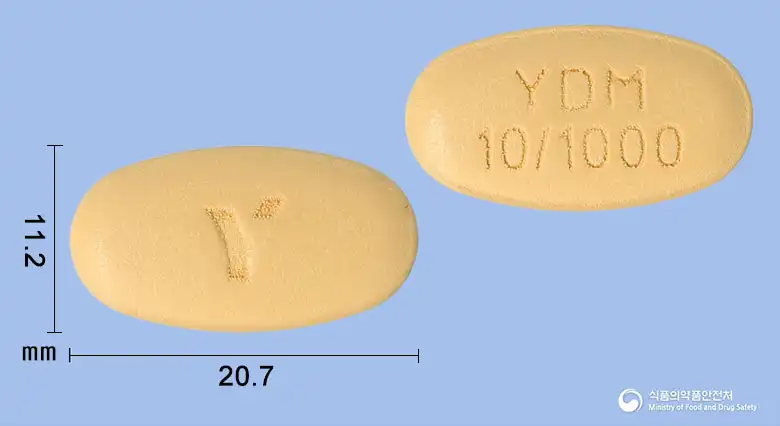
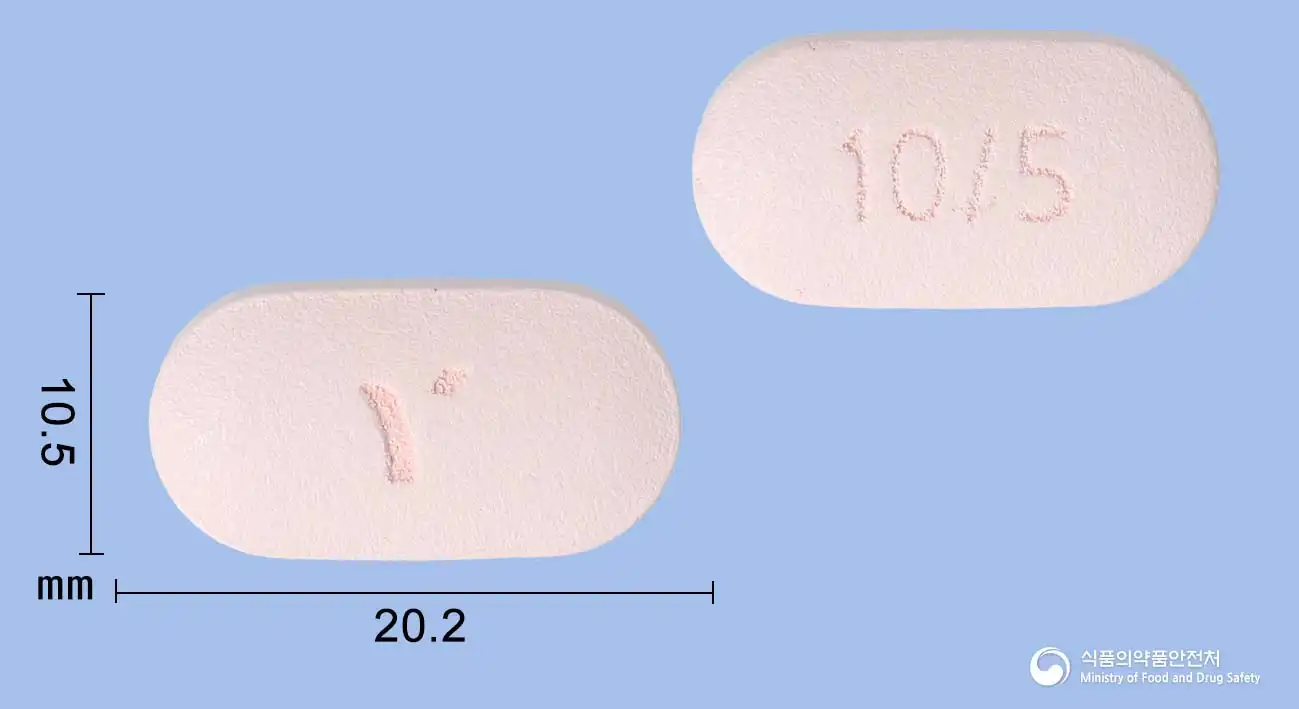
Effectiveness in controlling blood sugar in type 2 diabetes and preventing cardiovascular events
Who takes it
Adults
Adult dose
This medication is generally administered once daily with the evening meal.
The maximum dosage is 10 mg of dapagliflozin/2000 mg of extended-release metformin.
The recommended starting dose for initial therapy is one tablet of 5 mg/500 mg or 10 mg/500 mg once daily.
This medication should be swallowed whole and must not be crushed, cut, or chewed.
Dose adjustments may be necessary according to kidney function, and patients with renal impairment may require closer monitoring.
Effectiveness in controlling blood sugar in type 2 diabetes and preventing cardiovascular events
View approved original textHide original text
This medication is used as an adjunct to diet and exercise to improve glycemic control in adult patients with type 2 diabetes by administering a combination of dapagliflozin and metformin. Particularly in patients whose glycemic control is insufficient, it is important to refer to expert guidance on the cardiovascular effects of dapagliflozin if there are cardiovascular diseases or risk factors present. This medication effectively helps with blood sugar control and positively supports diabetes management.
How to take
Adult dose
This medication is generally administered once daily with the evening meal.
The maximum dosage is 10 mg of dapagliflozin/2000 mg of extended-release metformin.
The recommended starting dose for initial therapy is one tablet of 5 mg/500 mg or 10 mg/500 mg once daily.
This medication should be swallowed whole and must not be crushed, cut, or chewed.
Dose adjustments may be necessary according to kidney function, and patients with renal impairment may require closer monitoring.
Precautions
This medication is used in the treatment of type 2 diabetes and contains two components.
First, the metformin component helps lower blood sugar, but can rarely cause a serious side effect called lactic acidosis. Lactic acidosis is a dangerous condition resulting from an excessive buildup of lactic acid in the body, with symptoms including muscle pain, shortness of breath, weakness, and abdominal pain. If such symptoms occur, consult a physician immediately.
Additionally, caution is needed as this medication may pose a risk of hypoglycemia when used with insulin or sulfonylureas. Hypoglycemia can cause symptoms such as dizziness, trembling, and cold sweats.
This medication should not be used in patients with poor kidney function, those who are dehydrated, with serious infections, cardiac dysfunction, pregnant or breastfeeding women, and those with certain genetic disorders. In particular, patients with severely impaired kidney function are at risk if they take this medication.
Regular kidney function tests are important before and during treatment to check for abnormalities, and elderly patients or those with reduced fluid volume require closer management.
This medication can increase urination, potentially leading to reduced fluid volume or low blood pressure, so patients with low blood pressure or those taking diuretics should exercise caution.
During treatment, there may be a higher likelihood of genital and urinary tract infections, and if signs of infection manifest, immediate treatment is required.
The metformin component may lower vitamin B12 levels, so regular vitamin B12 testing is recommended during long-term use.
The risk of severe side effects may increase if this medication is taken with alcohol, so excessive drinking should be avoided during treatment.
Temporary discontinuation of this medication is necessary prior to surgery or imaging tests involving iodine contrast agents, and it should be resumed only after kidney function is confirmed to be normal post-surgery.
It is safer for women who are pregnant or may become pregnant, or are breastfeeding to avoid using this medication.
Elderly patients are at increased risk for reduced kidney function and decreased fluid volume, thus requiring dose adjustments and regular monitoring.
In case of overdose, contact a medical facility immediately for appropriate treatment, and metformin can be removed by dialysis.
This medication does not significantly affect driving or operating machinery, but caution is advised as dizziness may occur.
Lastly, keep this medication out of the reach of children, and store it in its original container to prevent misuse or quality degradation.
Not everyone experiences these, and they can vary from person to person.
Storage
This medication must be stored in a tightly closed container to protect it from air and moisture. It is recommended to maintain a storage temperature between 1 degree Celsius and 30 degrees Celsius. Proper storage will help maintain the efficacy of the medication for a longer period.
Even with the same ingredient, the dose and directions can differ by strength and dosage form. Talk to a doctor or pharmacist before switching from a medication you are already taking.
Questions about this medicine
No questions yet.
For anything that needs medical judgment, consult a doctor or pharmacist.
This drug information is based on data provided by the Korea Ministry of Food and Drug Safety. Consult a doctor or pharmacist for accurate dosage, administration, and usage instructions.

 한국어
한국어 English
 日本語
日本語 中文(简体)
 Viewing nowCombination