
 한국어
한국어 English
 日本語
日本語 中文(简体)
 Viewing nowCombination
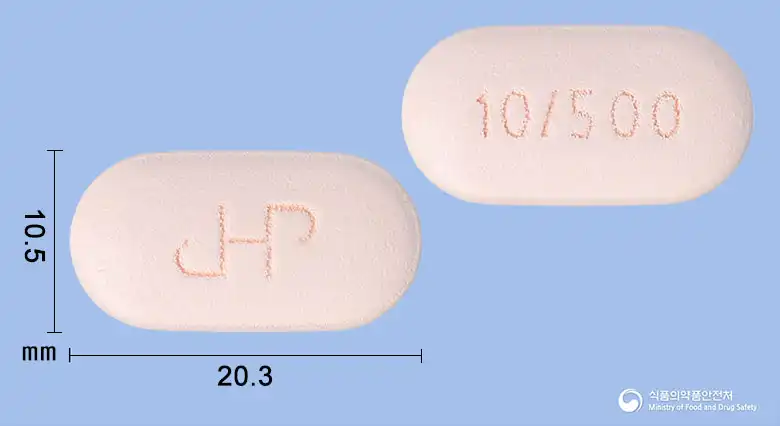
Tapagins Plus Sustained-release Tablet 10/500 mg
Metformin Hydrochloride 500mg · Dapagliflozin Propanediol Hydrate 12.3mg
Tablet · Prescription medication · Combination
DaeHwa Pharmaceutical Co., Ltd.
MFDS item code 202300229 · Approved 2023.01.12 · Insurance code 645605770
Blood sugar control in Type 2 diabetes and prevention of cardiovascular events
This medication is used to help control blood sugar in adults with Type 2 diabetes who are taking dapagliflozin and metformin together. It is administered as an adjunct to dietary and exercise regimens to improve blood sugar levels. Caution is advised for patients with Type 2 diabetes who do not have adequate blood sugar control and have cardiovascular disease or risk factors, and detailed information can be found in professional clinical trial documents. Overall, this medication helps improve blood sugar control and effectively manage Type 2 diabetes.
This medication is generally administered once daily with the evening meal. The maximum dosage of this medication is dapagliflozin 10 mg/sustained-release metformin 2000 mg as 2 tablets of 5 mg/1000 mg. The recommended starting dose for initial therapy is one tablet of 5 mg/500 mg or 10 mg/500 mg once daily. To reduce gastrointestinal side effects of metformin, the dosage should be adjusted gradually.
This medication helps lower blood sugar. However, there are several precautions to take when using this medication. Firstly, this medication should not be used in patients with impaired kidney function. In cases of moderate or severe kidney impairment, this medication may accumulate in the body and pose risks. Patients who are dehydrated or have severe infections, heart issues, or acute myocardial infarction should also avoid this medication, as these conditions heighten the risk of side effects. Pregnant or breastfeeding women should not use this medication, nor should patients with certain genetic issues such as lactose intolerance. This medication may cause hypoglycemia when used with other diabetes treatments, so dosage adjustments are necessary when used in conjunction with insulin or sulfonylureas. While taking this medication, genital or urinary infections may occur, so immediate consultation with a physician is warranted if such symptoms arise. Additionally, this medication may cause decreased fluid volume or hypotension, so elderly patients or those taking diuretics should regularly check their blood pressure and fluid status. Due to the metformin component, rare but severe side effects such as lactic acidosis may occur, so if symptoms like fatigue, muscle pain, difficulty breathing, or abdominal pain occur, immediate communication with healthcare personnel is critical. It is safer for patients with liver or kidney impairment to avoid this medication. Regular assessments of kidney function should be conducted before and during the course of this medication, especially for older adults. Furthermore, it is dangerous to consume alcohol while taking this medication, so excessive drinking should be avoided. This medication should be temporarily discontinued when undergoing surgery or radiographic examinations with contrast agents and resumed only after confirming normal kidney function post-examination. In case of an overdose, immediate visit to a healthcare facility for appropriate treatment is necessary, and dialysis may be beneficial if required. Lastly, this medication has not established safety and effectiveness in children; therefore, it should not be used in this population. Caution is warranted while driving or operating machinery, as dizziness may occur during medication use. Keep this medication out of reach of children and store it in its original container.
Guillain-Barré syndrome, bacterial pneumonia, sialadenitis, urinary sepsis, pyelonephritis, acute kidney injury, renal dysfunction, rash, acute cholecystitis, ketoacidosis, fever, perineal necrosis, atrial fibrillation, cardiac disorders, severe lactic acidosis, severe hypoglycemia, cardiovascular collapse, acute myocardial infarction, sepsis, severe allergic reactions, severe rash with high fever, blistering, skin peeling, pain in oral/eye mucosa, shortness of breath or respiratory difficulty
Vulvovaginitis, glans inflammation and related genital infections, urinary tract infections, fungal infections, hypoglycemia (when used with sulfonylureas or insulin), dry mouth, dizziness, constipation, back pain, pain during urination, polyuria, nocturia, vulvar itching, genital itching, increased hematocrit, reduced initial renal creatinine clearance, dyslipidemia, elevated serum creatinine levels at the treatment onset, elevated serum urea, weight loss
Not everyone experiences these, and they can vary from person to person.
Store this medication in a tightly closed container to avoid exposure to air or moisture, at room temperature between 1 and 30 degrees Celsius. This storage method helps maintain the medication’s effectiveness and safety.
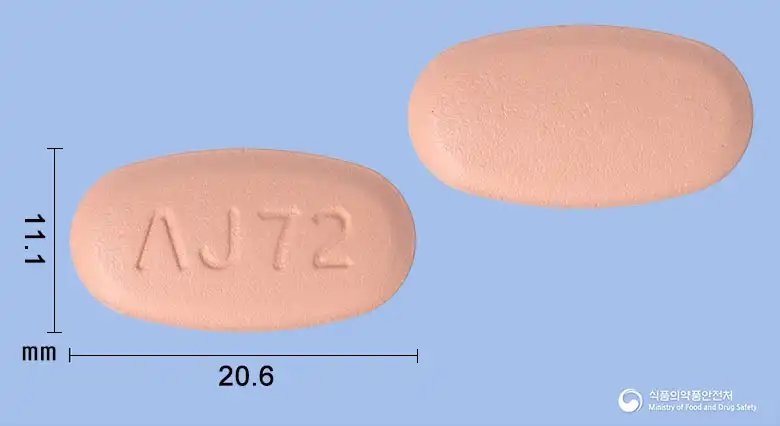
Pink, double convex, rectangular sustained-release film-coated tablet
30 tablets/bottle
Even with the same ingredient, strength, dosage form and how it is taken can differ.
Viewing nowCombinationMetformin Hydrochloride 500mg · Dapagliflozin Propanediol Hydrate 12.3mg
Tablet · Prescription medication · Combination
DaeHwa Pharmaceutical Co., Ltd.
Metformin Hydrochloride 1000mg · Dapagliflozin Propanediol Hydrate 6.15mg
Tablet · Prescription medication · Combination
AstraZeneca Korea Co., Ltd.
 Combination
Metformin Hydrochloride 1000mg · Dapagliflozin Propanediol Hydrate 12.3mg
Tablet · Prescription medication · Combination
AstraZeneca Korea Co., Ltd.
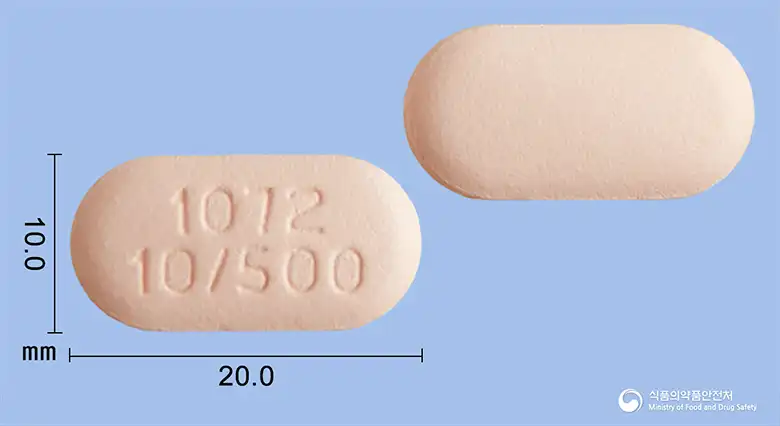 Combination
Metformin Hydrochloride 500mg · Dapagliflozin Propanediol Hydrate 12.3mg
Tablet · Prescription medication · Combination
AstraZeneca Korea Co., Ltd.
Metformin Hydrochloride 500mg · Dapagliflozin Propanediol Hydrate 6.15mg
Tablet · Prescription medication · Combination
AstraZeneca Korea Co., Ltd.
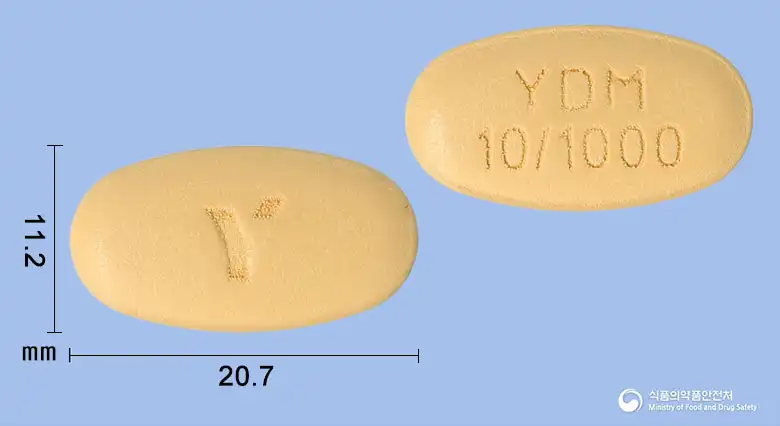 Combination
Metformin Hydrochloride 1000mg · Dapagliflozin Propanediol Hydrate 12.3mg
Tablet · Prescription medication · Combination
YouYoung Pharmaceutical Co., Ltd.
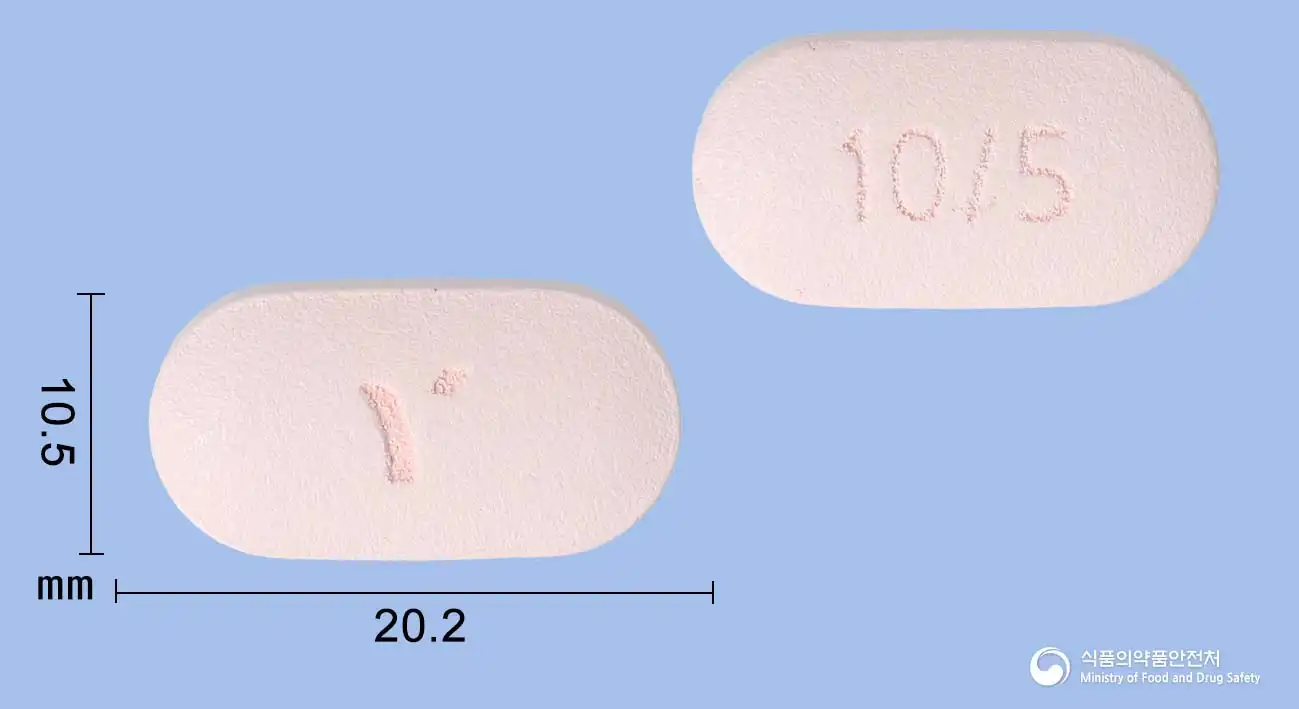 Combination
Metformin Hydrochloride 500mg · Dapagliflozin Propanediol Hydrate 12.3mg
Tablet · Prescription medication · Combination
Yuyoung Pharmaceutical Co., Ltd.
 Combination
Dapagliflozin Propanediol Hydrate 12.3mg · Metformin Hydrochloride 500mg
Tablet · Prescription medication · Combination
Aju Pharmaceuticals Co., Ltd.
Even with the same ingredient, the dose and directions can differ by strength and dosage form. Talk to a doctor or pharmacist before switching from a medication you are already taking.
No questions yet.
For anything that needs medical judgment, consult a doctor or pharmacist.
This drug information is based on data provided by the Korea Ministry of Food and Drug Safety.
Consult a doctor or pharmacist for accurate dosage, administration, and usage instructions.