
 한국어
한국어 English
 日本語
日本語 中文(简体)
 Viewing nowCombination
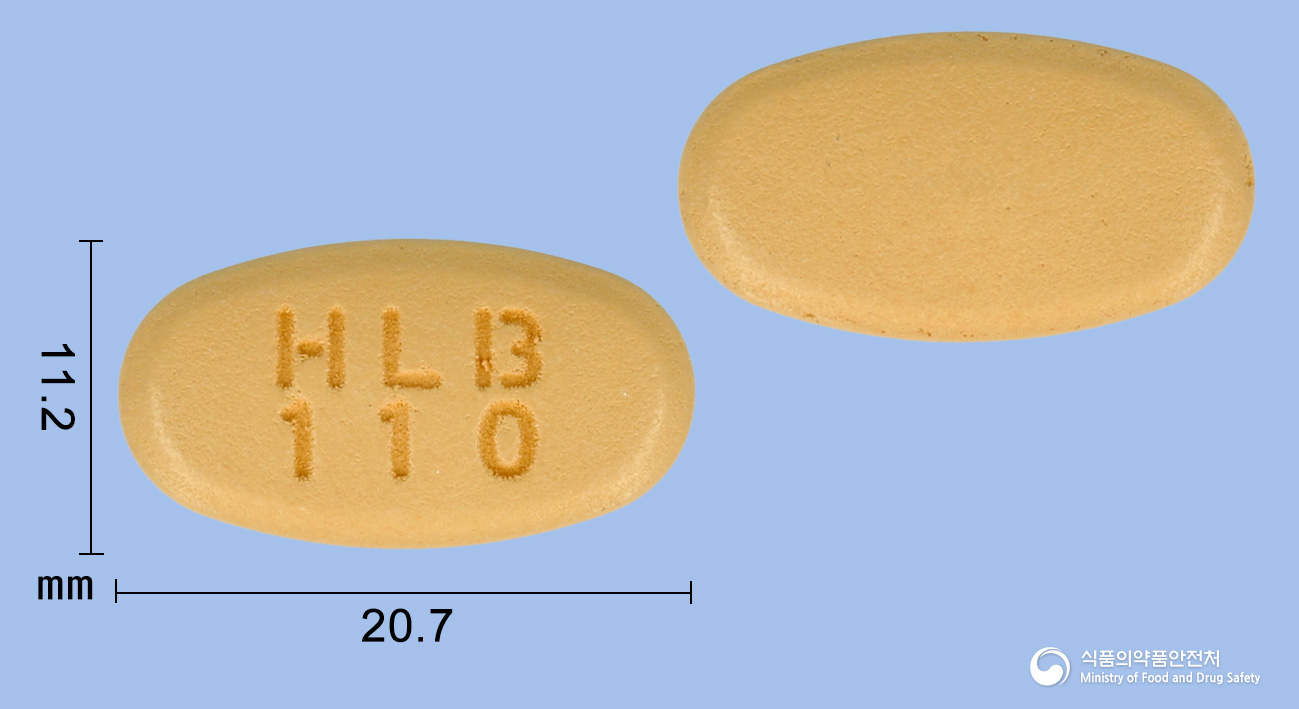
Dapagliflozin and Metformin Extended-Release Tablets 10/1000 Milligrams
Dapagliflozin Anhydrous Lactose Mixture 15.27mg · Metformin Hydrochloride 1000mg
Tablet · Prescription medication · Combination
HLB Pharm Co., Ltd.
MFDS item code 202300150 · Approved 2023.01.06 · Insurance code 647304520
Blood sugar control in type 2 diabetes and prevention of cardiovascular events
This medication helps improve blood sugar control in adult patients with type 2 diabetes by using dapagliflozin and metformin together. It is especially prescribed as an adjunct therapy for patients who are also following a dietary and exercise regimen. Caution is necessary for adult type 2 diabetes patients who are not achieving adequate blood sugar control and who have or are at risk for cardiovascular disease, and further information on this is available in professional clinical trial data. This medication effectively improves blood sugar control.
This medication is generally administered once daily with the evening meal. The maximum dosage is 10 mg of dapagliflozin and 2000 mg of extended-release metformin taken once daily, which equates to two tablets of 5 mg/1000 mg. If there is no previous experience with diabetes medication, the starting dose for initial therapy can be one tablet of 5 mg/500 mg or 10 mg/500 mg taken once daily. To reduce gastrointestinal side effects of metformin, gradual dose titration is recommended.
This medication is used for the treatment of diabetes, and while very rare, it can cause a severe condition known as lactic acidosis. Lactic acidosis is characterized by an excessive buildup of lactic acid in the body, and if symptoms occur, immediate medical attention is required. Additionally, there is a risk of hypoglycemia when used in combination with insulin or sulfonylureas, so caution is advised. Symptoms of hypoglycemia include dizziness, tremors, and cold sweats. Patients with impaired kidney function, especially those with moderate to severe impairment, should not use this medication. Regular kidney function tests should be conducted as kidney function can deteriorate rapidly. In cases of acute conditions such as dehydration, severe infection, acute myocardial infarction, or shock, this medication should not be administered, and administration should be suspended for a certain period before and after surgery. Women who are pregnant or breastfeeding should not use this medication, and patients with specific genetic diseases such as lactose intolerance should avoid administration. This medication can cause a decrease in fluid volume and low blood pressure, so elderly patients and those taking diuretics should be especially cautious. Blood pressure and fluid status should be frequently monitored. During the course of treatment with this medication, symptoms of genital and urinary tract infections may occur, requiring immediate treatment if symptoms arise. There is also a possibility of vitamin B12 deficiency; therefore, monitoring serum vitamin B12 levels is recommended during long-term treatment. Excessive alcohol consumption should be avoided as it can increase the risk of lactic acidosis. This medication may affect certain tests (e.g., blood glucose tests), so it is important to inform healthcare professionals about its use during testing. Finally, the safety of this medication in children has not been established, and dosage adjustments may be necessary due to the risk of renal function decline in the elderly. It is crucial to consult with healthcare professionals if any unusual symptoms occur during treatment and to strictly adhere to the prescribed dosage and regimen.
Lactic acidosis, severe allergic reactions (hypersensitivity), acute kidney injury, renal impairment, diabetic ketoacidosis, urinary sepsis, pyelonephritis, acute cholecystitis, Guillain-Barré syndrome, atrial fibrillation, perineal necrosis, serious skin adverse reactions (severe rash, blisters, skin peeling, mucosal pain)
Vulvovaginitis, balanitis and related genital infections, urinary tract infections, fungal infections, hypoglycemia, reduced fluid volume (including dehydration, hypovolemia, hypotension), dizziness, constipation, dry mouth, back pain, dysuria, polyuria, nocturia, vulvar itching, itching, elevated hematocrit, reduced initial renal creatinine clearance, dyslipidemia, elevated serum creatinine, elevated blood urea, weight loss, diarrhea, nausea/vomiting, flatulence
Not everyone experiences these, and they can vary from person to person.
This medication should be stored in a tightly closed container to protect it from air and moisture, and it is advisable to keep it at room temperature between 1 degree and 30 degrees Celsius. Storing it this way will help maintain the effectiveness of the medication for a longer period.
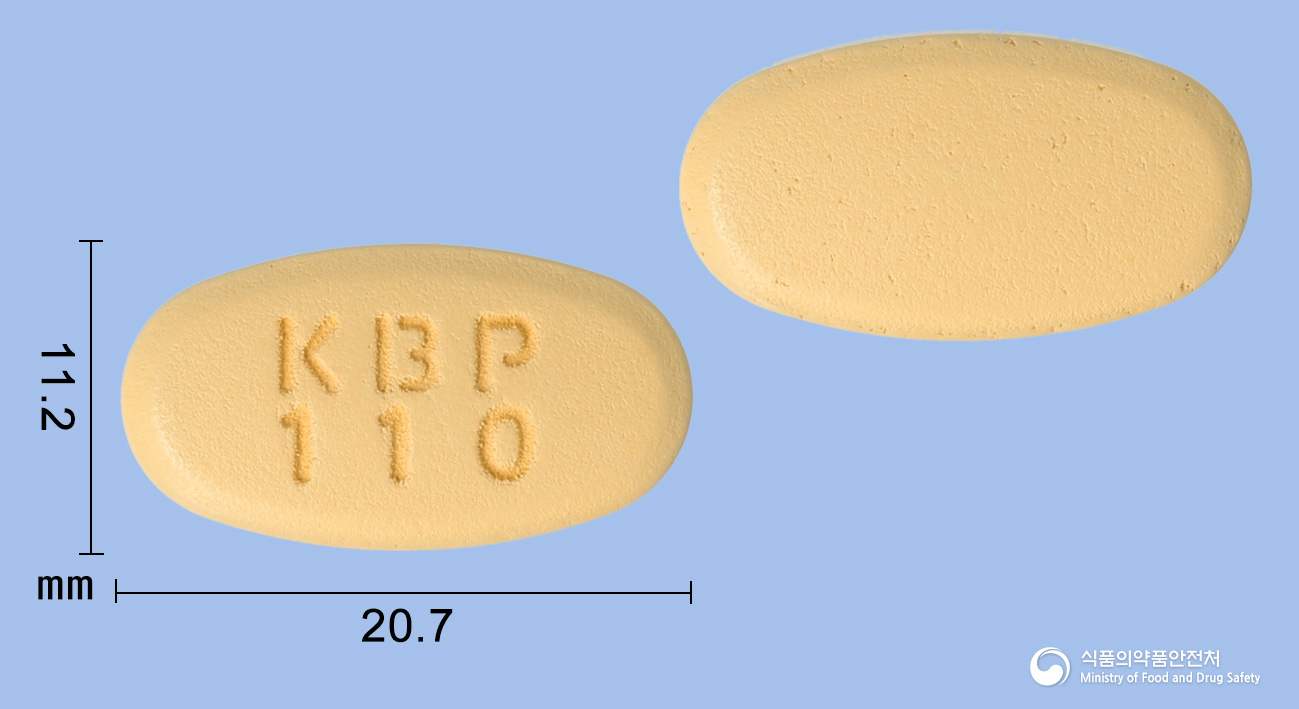
Yellow, bilaterally convex, oval-shaped extended-release film-coated tablets
30 tablets/box[(6 tablets/PTP)*5], 30 tablets/bottle, 200 tablets/bottle
Even with the same ingredient, strength, dosage form and how it is taken can differ.
Viewing nowCombinationDapagliflozin Anhydrous Lactose Mixture 15.27mg · Metformin Hydrochloride 1000mg
Tablet · Prescription medication · Combination
HLB Pharm Co., Ltd.
 Combination
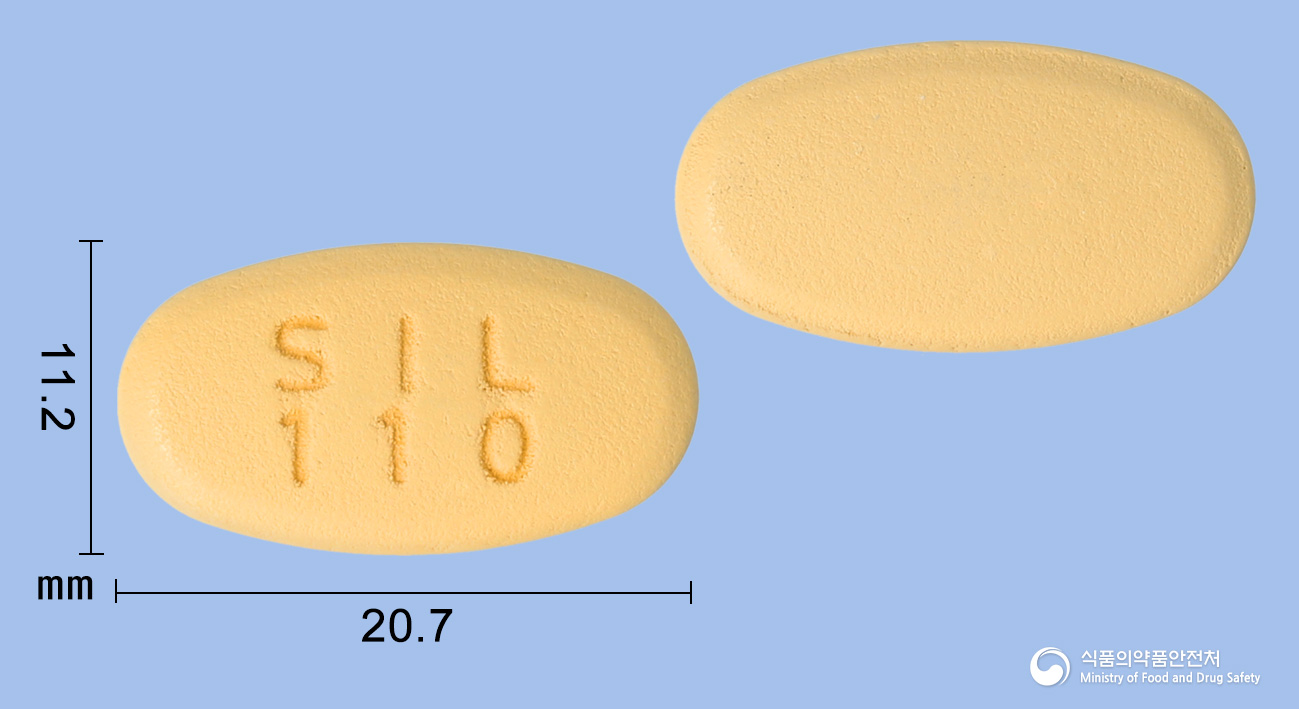
Dapagliflozin Anhydrous Lactose Mixture 15.27mg · Metformin Hydrochloride 1000mg
Tablet · Prescription medication · Combination
Shinil Pharmaceutical Co., Ltd.
Dapagliflozin Anhydrous Lactose Mixture 15.27mg · Metformin Hydrochloride 1000mg
Tablet · Prescription medication · Combination
Daewoo Pharmaceutical Co., Ltd.
Dapagliflozin Anhydrous Lactose Mixture 15.27mg · Metformin Hydrochloride 1000mg
Tablet · Prescription medication · Combination
Dongkwang Pharmaceutical Co., Ltd.
 Combination
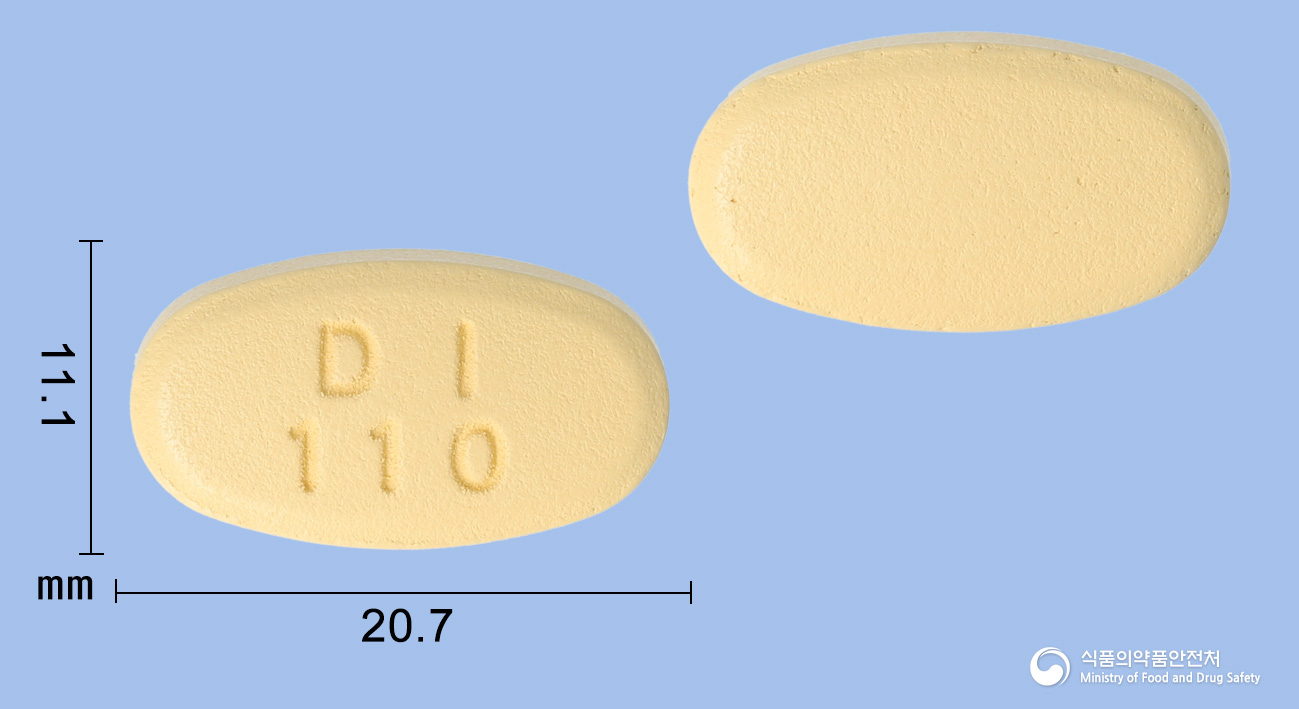
Dapagliflozin Anhydrous Lactose Mixture 15.27mg · Metformin Hydrochloride 1000mg
Tablet · Prescription medication · Combination
Il-Yang Pharmaceutical Co., Ltd.
 Combination
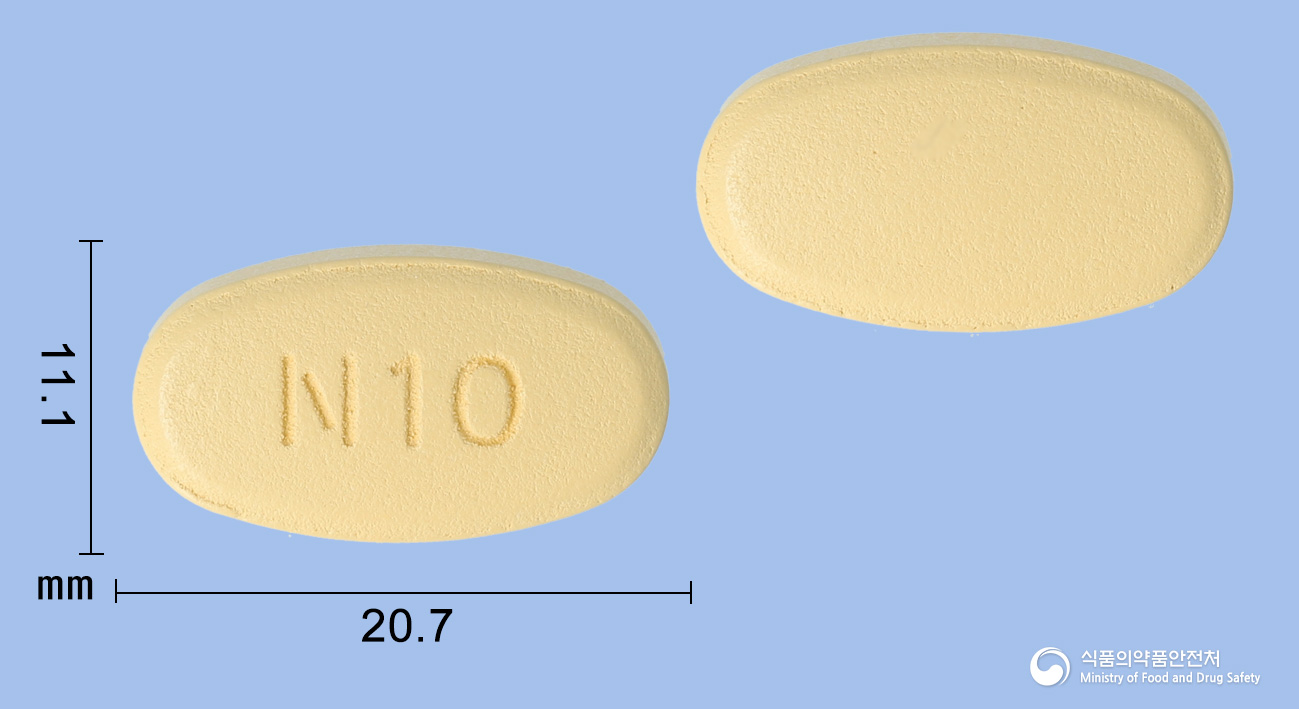
Dapagliflozin Anhydrous Lactose Mixture 15.27mg · Metformin Hydrochloride 1000mg
Tablet · Prescription medication · Combination
HK inno.N Co., Ltd.
 Combination
Dapagliflozin Anhydrous Lactose Mixture 15.27mg · Metformin Hydrochloride 1000mg
Tablet · Prescription medication · Combination
Kyungbo Pharmaceutical Co., Ltd.
Dapagliflozin Anhydrous Lactose Mixture 15.27mg · Metformin Hydrochloride 1000mg
Tablet · Prescription medication · Combination
Albogen Korea Co., Ltd.
Even with the same ingredient, the dose and directions can differ by strength and dosage form. Talk to a doctor or pharmacist before switching from a medication you are already taking.
No questions yet.
For anything that needs medical judgment, consult a doctor or pharmacist.
This drug information is based on data provided by the Korea Ministry of Food and Drug Safety.
Consult a doctor or pharmacist for accurate dosage, administration, and usage instructions.