
 한국어
한국어 English
 日本語
日本語 中文(简体)
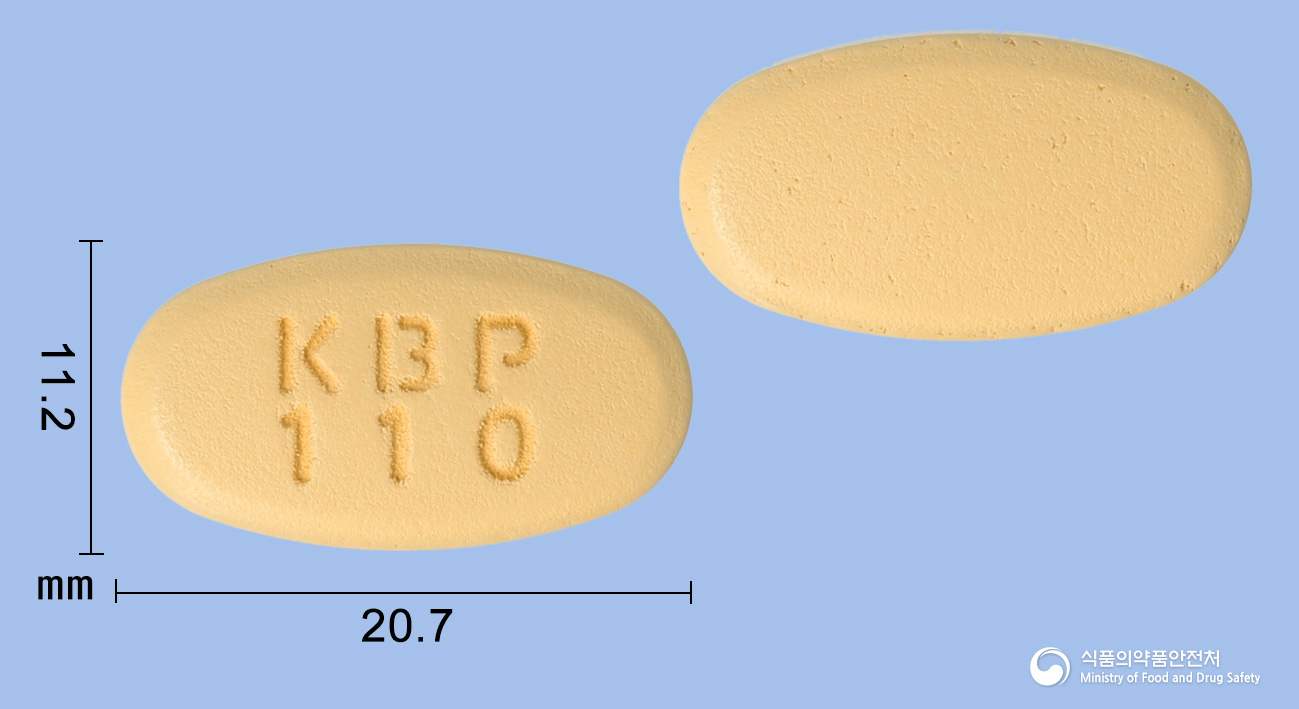 Viewing nowCombination
Dapagliflozin/Metformin Extended-Release Tablets 10/1000 mg
Dapagliflozin Anhydrous Lactose Mixture 15.27mg · Metformin Hydrochloride 1000mg
Tablet · Prescription medication · Combination
Kyungbo Pharmaceutical Co., Ltd.
MFDS item code 202300146 · Approved 2023.01.06 · Insurance code 665003280
Effects on blood sugar control in Type 2 diabetes and prevention of cardiovascular events
This drug is used to effectively improve blood sugar control in adult patients with Type 2 diabetes when used in combination with a dietary regimen and exercise therapy. It can particularly help prevent cardiovascular events in patients with cardiovascular diseases or risk factors, so it is important to take it carefully under the guidance of professionals. This drug assists in blood sugar control in the management of Type 2 diabetes and contributes to improving patient health.
This drug is generally administered once daily with the evening meal. The maximum dosage is dapagliflozin 10 mg once daily and extended-release metformin 2000 mg. For initial therapy, the recommended starting dose is one tablet once daily at 5 mg/500 mg or 10 mg/500 mg. To minimize gastrointestinal side effects of metformin, the dosage should be adjusted gradually. For patients currently receiving metformin, the recommended dose of dapagliflozin is 10 mg once daily, and this dosage should provide a dose of metformin that is either the existing or an appropriate therapeutically close dose. When converting from immediate-release metformin to extended-release, blood sugar control should be closely monitored and dosage adjustments should be made appropriately. For patients transitioning to this drug from a combination therapy of dapagliflozin and metformin, the dosing can start with the previously administered doses of dapagliflozin and metformin. When converting from immediate-release metformin to extended-release, blood sugar control should be closely monitored, and dosing adjustments should be made appropriately. When this drug is used in combination with insulin or secretagogues like sulfonylureas, lower doses of insulin or secretagogues may be considered to avoid the risk of hypoglycemia. The safety and efficacy of this drug in patients transitioning from other hypoglycemic agents have not been specifically evaluated. Since it may cause changes in blood sugar control, any changes in treating patients with Type 2 diabetes should be under careful monitoring. This drug must be swallowed whole and must not be crushed, cut, or chewed. Occasionally, the inactive components of this drug may be excreted in the form of soft hydrated materials resembling the tablet through feces. Kidney Impairment Dose adjustments are not required for patients with mild kidney impairment. For patients whose estimated glomerular filtration rate (eGFR) is between 45 mL/min/1.73 m2 and 60 mL/min/1.73 m2 without symptoms that could increase the risk of lactic acidosis, the starting dose of metformin hydrochloride (an active ingredient) is 500 mg once daily, with a maximum daily dose of 1000 mg. It is not recommended to administer this drug to patients with eGFR less than 45 mL/min/1.73 m2. If the estimated glomerular filtration rate (eGFR) decreases to less than 45 mL/min/1.73 m2, the administration of this drug should be discontinued immediately. Kidney function should be evaluated every 3-6 months. Elderly Persons Metformin is excreted through the kidneys, and elderly individuals are prone to reduced kidney function, so caution should be exercised as age increases with the use of this drug (Refer to precautions for elderly patients in the notes on administration).
This medicine can cause a rare side effect known as severe lactic acidosis, so it should not be used in patients with impaired kidney function or conditions such as severe infections, dehydration, or acute myocardial infarction. Additionally, caution is required when used in conjunction with other diabetes medications such as insulin or sulfonylureas due to the risk of hypoglycemia. Patients with moderate to severe kidney impairment or the elderly must evaluate kidney function and fluid status before administering this drug and continue monitoring during treatment. This drug may increase the risk of genital and urinary tract infections, so if infection symptoms appear, medical consultation should be sought immediately. Women who are pregnant or breastfeeding should not use this drug, and women of childbearing potential should confirm their pregnancy status before taking it. Excessive alcohol consumption may increase the risk of side effects from this drug, so it is advisable to avoid it. Since this medicine can affect blood sugar control, dosage adjustments may be necessary when used in combination with other medications due to potential interactions. If symptoms of hypoglycemia or dehydration occur, medical personnel should be informed immediately, with extra caution advised for elderly patients or those with impaired kidney function. Regular blood tests and kidney function tests should be performed during the use of this drug, and it is advisable to monitor vitamin B12 levels as well. If surgery or imaging tests are scheduled, this drug should be temporarily discontinued, and resumption should occur only after confirming normal kidney function post-examination. Finally, safety and effectiveness in children have not been established, so it should not be administered to children, and it should be kept out of reach of children.
Severe allergic reactions (history of hypersensitivity), severe lactic acidosis, severe hypoglycemia, acute kidney injury and impairment of kidney function, diabetic ketoacidosis, urinary sepsis and pyelonephritis, severe edema with hypertension-related edema, ketoacidosis, severe skin reactions (severe rash, blisters, skin peeling, pain in oral/ocular mucous membranes), severe headache, confusion, visual disturbances, paralysis, Guillain-Barré syndrome, chest pain, atrial fibrillation, acute
Vulvovaginitis, balanitis and associated genital infections, urinary tract infections, fungal infections, hypoglycemia, fluid volume depletion, thirst, dizziness, constipation, dry mouth, back pain, dysuria, polyuria, nocturia, vulvar itching, genital itching, increased hematocrit, increased serum creatinine, increased serum urea, weight loss, diarrhea, nausea/vomiting, decreased/vitamin B12 deficiency, epigastric pain, indigestion, abdominal discomfort, abdominal pain, gastric ulcer,
Not everyone experiences these, and they can vary from person to person.
This medication should be stored in a tightly sealed container to prevent exposure to air or moisture. It is also advisable to store it at room temperature, which should not be too cold or too hot, ideally between 1 to 30 degrees Celsius.
Yellow, bilaterally convex, oval extended-release film-coated tablets
30 tablets/box [(6 tablets/PTP*5)], 200 tablets/bottle, 30 tablets/bottle
Even with the same ingredient, strength, dosage form and how it is taken can differ.
Viewing nowCombinationDapagliflozin Anhydrous Lactose Mixture 15.27mg · Metformin Hydrochloride 1000mg
Tablet · Prescription medication · Combination
Kyungbo Pharmaceutical Co., Ltd.
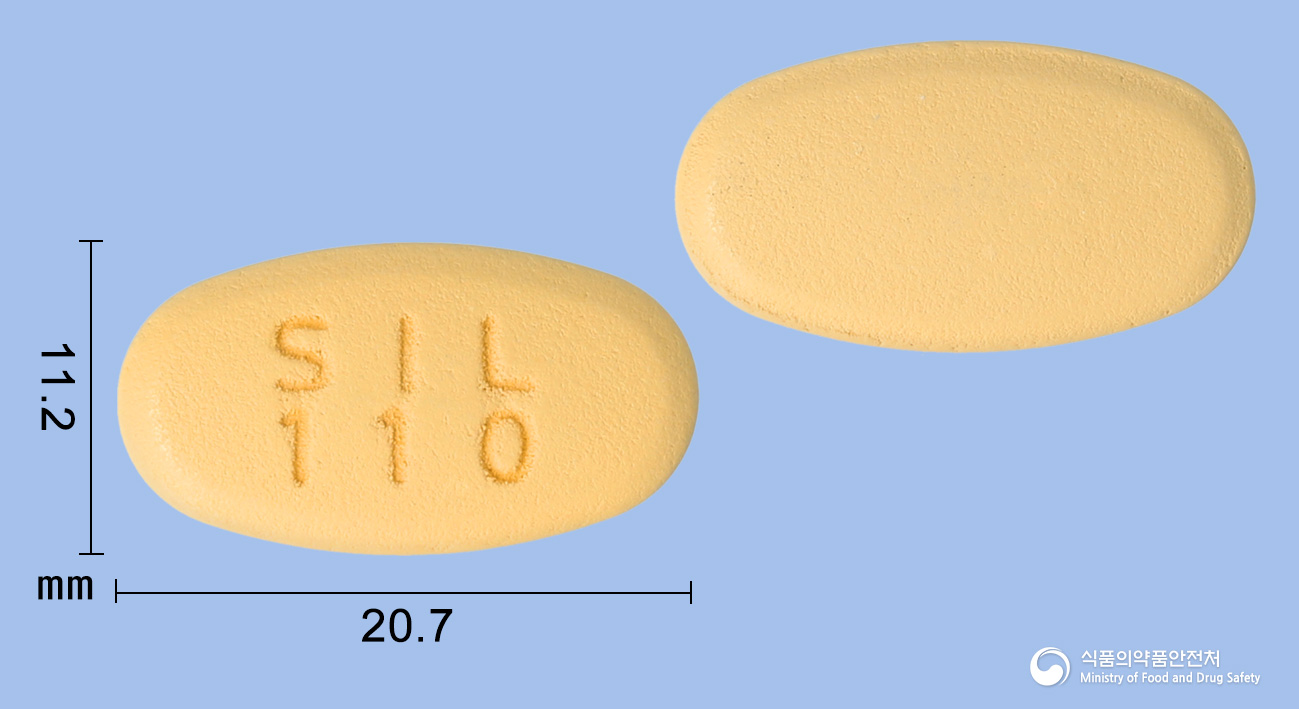 Combination
Dapagliflozin Anhydrous Lactose Mixture 15.27mg · Metformin Hydrochloride 1000mg
Tablet · Prescription medication · Combination
Shinil Pharmaceutical Co., Ltd.
Dapagliflozin Anhydrous Lactose Mixture 15.27mg · Metformin Hydrochloride 1000mg
Tablet · Prescription medication · Combination
Daewoo Pharmaceutical Co., Ltd.
Dapagliflozin Anhydrous Lactose Mixture 15.27mg · Metformin Hydrochloride 1000mg
Tablet · Prescription medication · Combination
Dongkwang Pharmaceutical Co., Ltd.
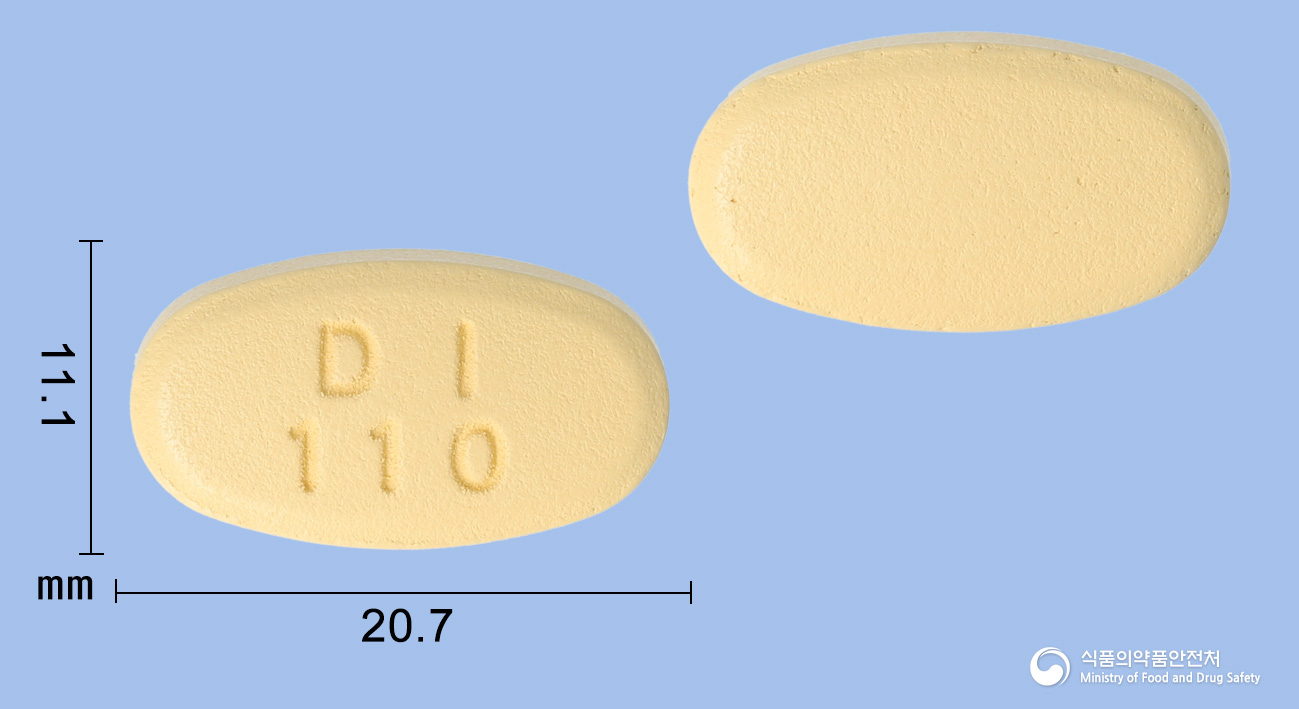 Combination
Dapagliflozin Anhydrous Lactose Mixture 15.27mg · Metformin Hydrochloride 1000mg
Tablet · Prescription medication · Combination
Il-Yang Pharmaceutical Co., Ltd.
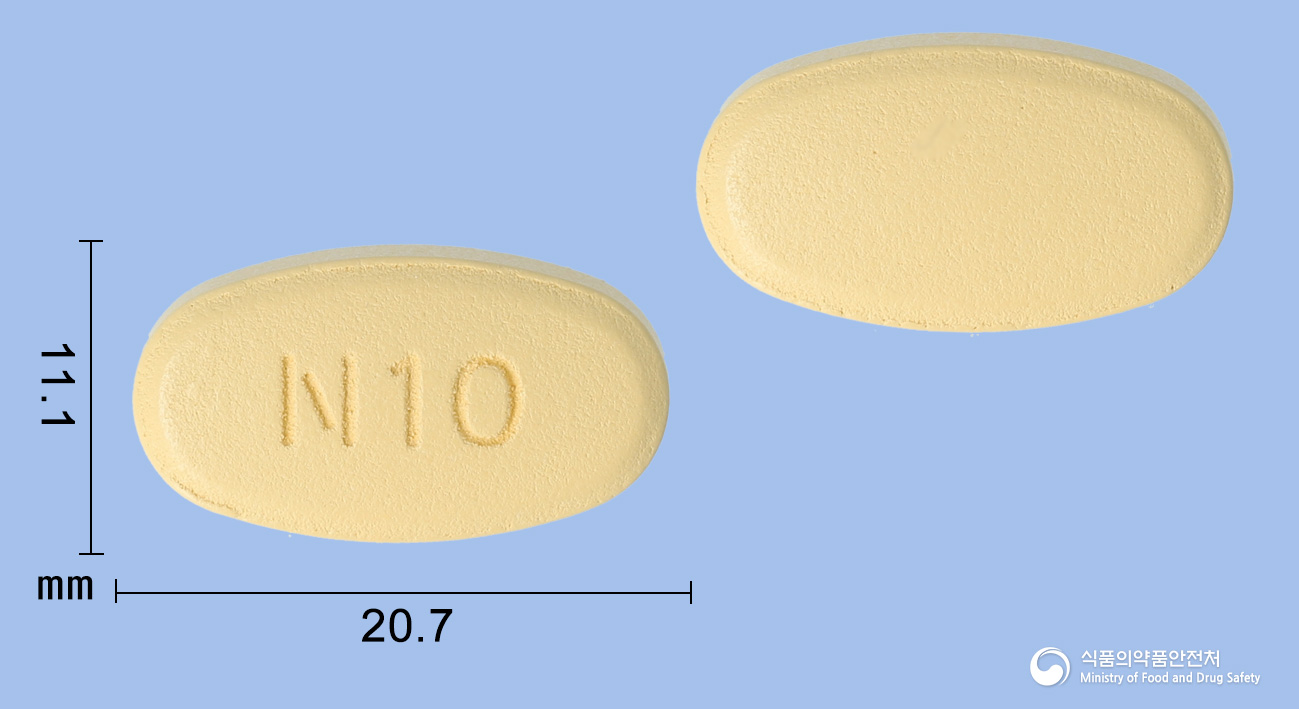 Combination
Dapagliflozin Anhydrous Lactose Mixture 15.27mg · Metformin Hydrochloride 1000mg
Tablet · Prescription medication · Combination
HK inno.N Co., Ltd.
Dapagliflozin Anhydrous Lactose Mixture 15.27mg · Metformin Hydrochloride 1000mg
Tablet · Prescription medication · Combination
Albogen Korea Co., Ltd.
Dapagliflozin Anhydrous Lactose Mixture 15.27mg · Metformin Hydrochloride 1000mg
Tablet · Prescription medication · Combination
Donghwa Pharmaceutical Co., Ltd.
Even with the same ingredient, the dose and directions can differ by strength and dosage form. Talk to a doctor or pharmacist before switching from a medication you are already taking.
No questions yet.
For anything that needs medical judgment, consult a doctor or pharmacist.
This drug information is based on data provided by the Korea Ministry of Food and Drug Safety.
Consult a doctor or pharmacist for accurate dosage, administration, and usage instructions.