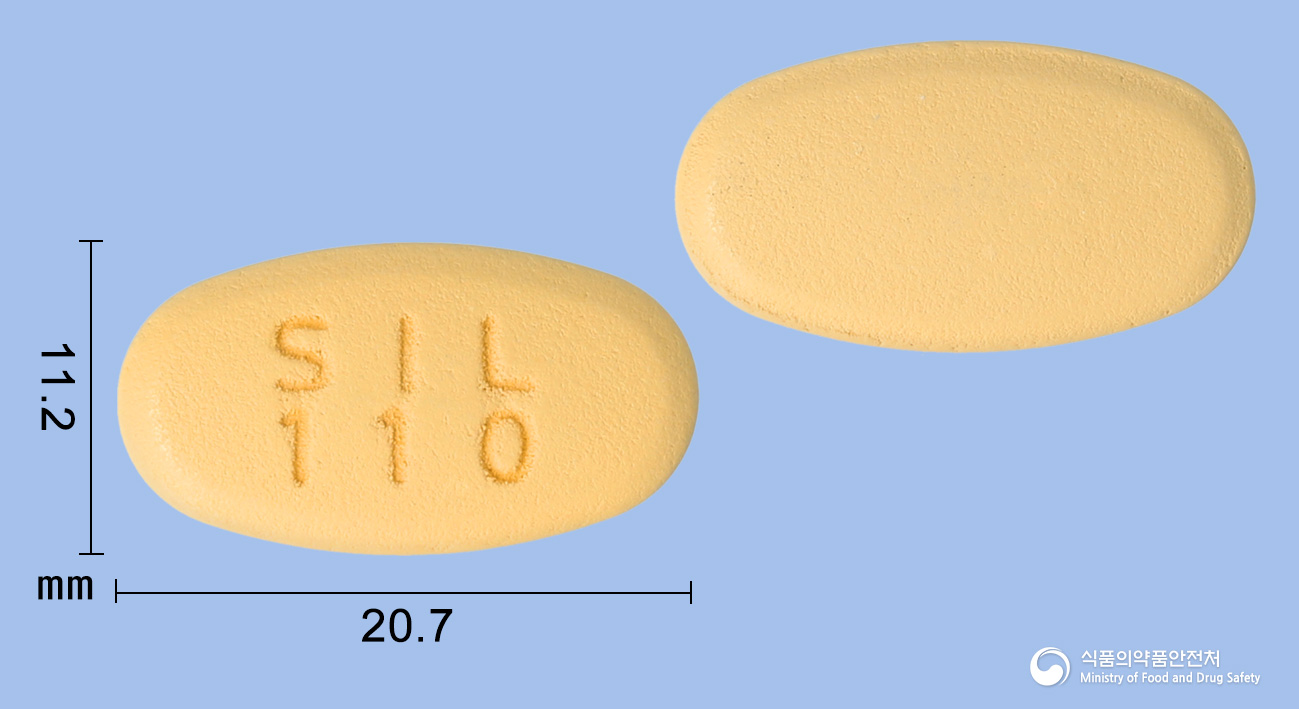
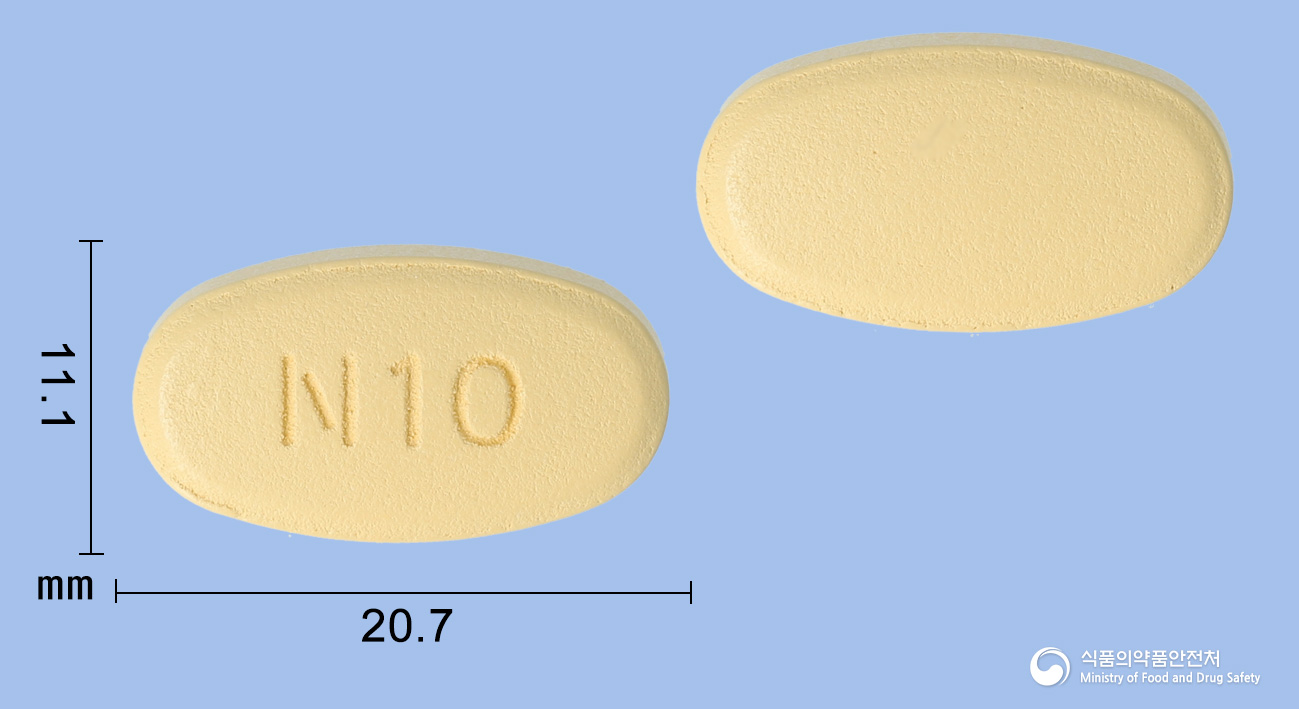
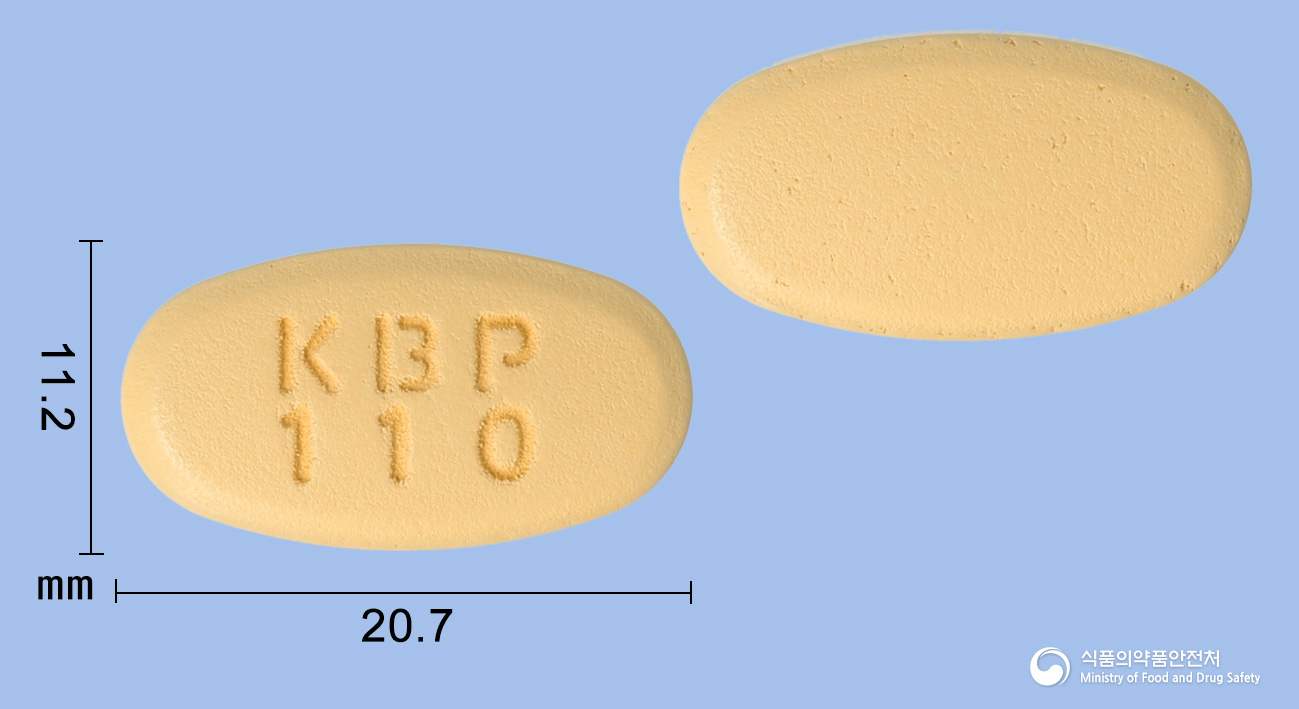
Effectiveness in glycemic control for Type 2 diabetes and prevention of cardiovascular events
Who takes it
Adults
Adult dose
This medication is generally administered once daily with the evening meal. The maximum dosage is one tablet per day containing dapagliflozin 10mg/extended-release metformin 2000mg, with administration of 2 tablets of 5mg/1000mg. When used as initial therapy, the recommended starting dose is one tablet of 5mg/500mg or 10mg/500mg daily. Gradual dosage adjustments are made to reduce gastrointestinal side effects of metformin.
Effectiveness in glycemic control for Type 2 diabetes and prevention of cardiovascular events
View approved original textHide original text
This medication is used as an adjunct to dietary and exercise management to assist in glycemic control in adult patients with Type 2 diabetes who are using dapagliflozin and metformin together. Caution is needed regarding the occurrence of cardiovascular events in patients with insufficient glycemic control who have cardiovascular disease or risk factors. Refer to professional information before taking this medication. This drug helps improve glycemic control and aids in the management of Type 2 diabetes.
How to take
Adult dose
This medication is generally administered once daily with the evening meal. The maximum dosage is one tablet per day containing dapagliflozin 10mg/extended-release metformin 2000mg, with administration of 2 tablets of 5mg/1000mg. When used as initial therapy, the recommended starting dose is one tablet of 5mg/500mg or 10mg/500mg daily. Gradual dosage adjustments are made to reduce gastrointestinal side effects of metformin.
Precautions
This medication comprises two components and is used in the treatment of diabetes.
First, the metformin component included in this medication may rarely induce a serious condition known as lactic acidosis, which can be life-threatening; hence, caution is warranted.
Additionally, when taken in conjunction with insulin or sulfonylureas, there is a risk of hypoglycemia.
This drug should not be administered to certain patients, such as those with severely impaired kidney function, those in a state of dehydration, those with severe infections or cardiovascular issues, those with Type 1 diabetes, pregnant or breastfeeding women, and those with genetic lactose intolerance.
Moreover, patients who are scheduled for surgery or tests using radiocontrast agents should halt the medication 48 hours prior to the test and resume only after confirming normal renal function.
Patients with inadequate fluid volume or compromised renal function, elderly patients, and those with low blood pressure should consult a physician to thoroughly evaluate renal function and fluid status before taking this medication and continue to have their blood pressure symptoms and renal function monitored periodically during treatment.
This drug can lead to various side effects such as genital infections, urinary tract infections, hypoglycemia, dehydration, dizziness, gastrointestinal disturbances, etc., so inform healthcare professionals immediately if symptoms occur.
In particular, vitamin B12 deficiency can occur; therefore, periodic blood tests to check vitamin B12 levels are advisable for long-term use.
Alcohol consumption may increase the risk of side effects associated with this medication; thus, excessive drinking should be avoided during treatment.
Women who are pregnant or may become pregnant, as well as nursing mothers, should not use this medication, and it should be discontinued immediately upon confirmation of pregnancy.
Elderly individuals are more likely to experience decreased renal function, thus monitoring dosage and renal function is necessary; this medication is not used in cases of severe renal impairment.
In the event of overdose, there is no specific antidote available, and appropriate treatment should be initiated based on symptoms, and rapid dialysis may be necessary for metformin component overdose.
Lastly, this medication should be stored out of reach of children and kept in the original container to prevent misuse and deterioration in quality.
Side effects and when to seek care immediately
Serious side effects
Guillain-Barré syndrome, bacterial pneumonia, sialadenitis, chest pain, thermal burns, wrist fractures, gastrointestinal stromal tumors, lung malignant neoplasms, uterine fibroids, atrial fibrillation, acute cholecystitis, neurological disorders such as severe headache, seizures, altered consciousness, vision disturbances, paralysis, severe skin reactions with fever, severe rash, blisters, skin peeling, oral/ocular mucosal pain, severe allergic reactions (hives, significant swelling, chest tightness, difficulty breathing)
Mild side effects
Vulvovaginitis, balanitis and related genital infections, urinary tract infections, fungal infections, hypoglycemia, reduced fluid volume, thirst, diabetic ketoacidosis, dizziness, constipation, dry mouth, back pain, dysuria, polyuria, nocturia, pruritus of the vulva, pruritus of the genitals, elevated hematocrit, reduced renal creatinine clearance at treatment initiation, dyslipidemia, elevated serum creatinine at treatment initiation, elevated blood urea, weight loss, diarrhea, vomiting
Not everyone experiences these, and they can vary from person to person.
Storage
This medication should be stored in an airtight container to protect it from air and moisture. It should also be kept at room temperature, which is safe between 1 and 30 degrees Celsius, avoiding excessively hot or cold environments.
Even with the same ingredient, the dose and directions can differ by strength and dosage form. Talk to a doctor or pharmacist before switching from a medication you are already taking.
Questions about this medicine
No questions yet.
For anything that needs medical judgment, consult a doctor or pharmacist.
This drug information is based on data provided by the Korea Ministry of Food and Drug Safety. Consult a doctor or pharmacist for accurate dosage, administration, and usage instructions.

 한국어
한국어 English
 日本語
日本語 中文(简体)
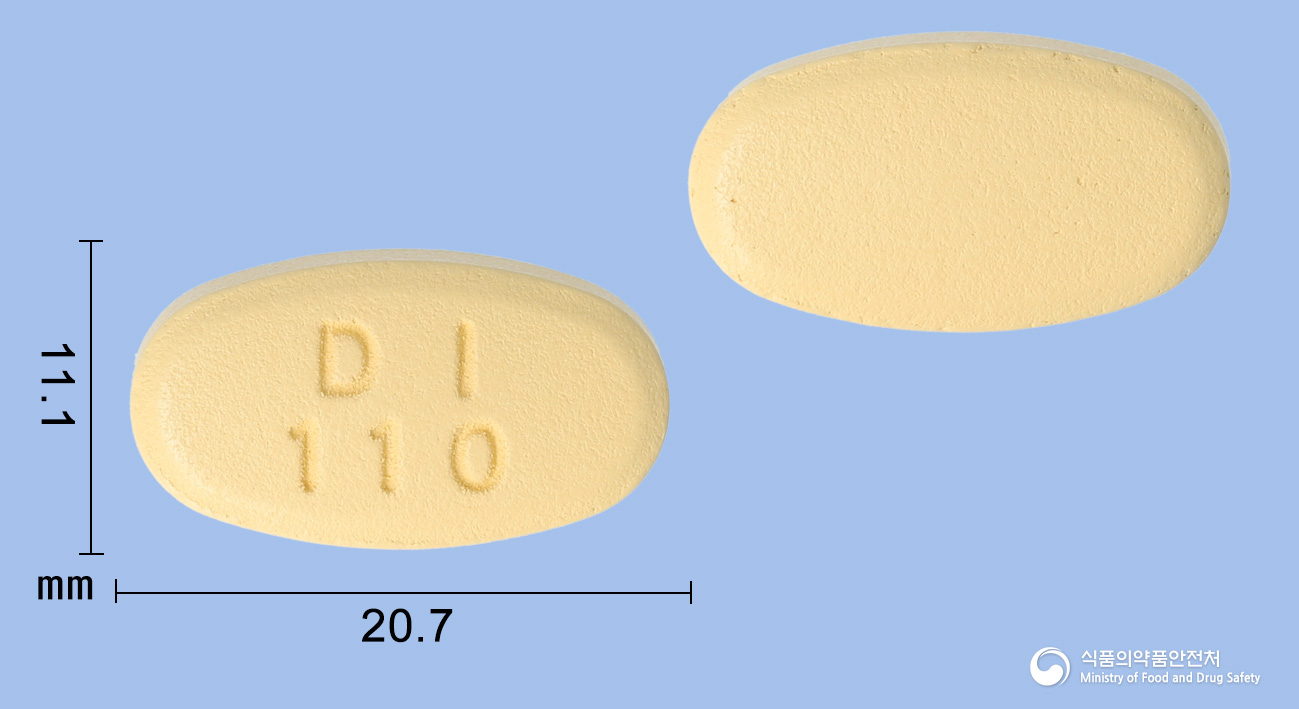 Viewing nowCombination