
 한국어
 English
 日本語
 中文(简体)
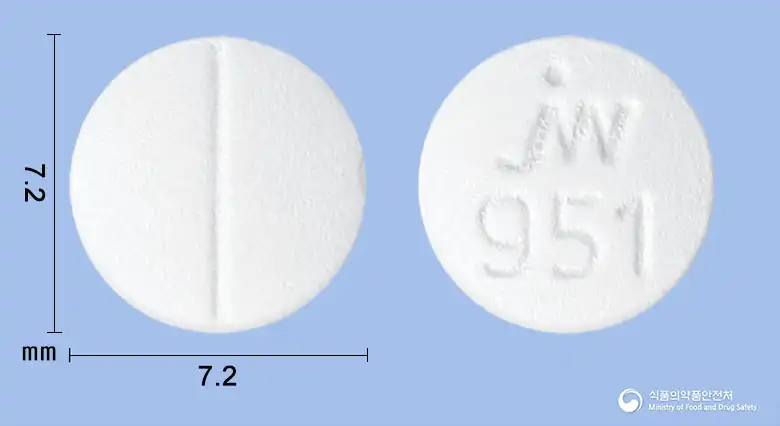 Viewing now
Enaloy Tablet 1 mg (Enalodustat)
Enarodustat Micronized 1mg
Tablet · Prescription medication
JW Pharmaceutical Co., Ltd.
MFDS item code 202204160 · Approved 2022.11.17
Treatment of symptomatic anemia in adults with chronic kidney disease undergoing hemodialysis
This medication is used to treat symptomatic anemia in patients undergoing hemodialysis due to chronic kidney disease. It improves symptoms of anemia caused by chronic kidney disease, thereby assisting in the overall health status of patients. This medication alleviates symptoms such as fatigue and dizziness due to anemia and contributes to an improved quality of life.
Treatment with this medicine should be initiated by a physician experienced in the diagnosis and treatment of anemia. Before deciding to initiate treatment with this medicine or increase the dose, first evaluate other causes of anemia. When initiating treatment with this medicine, ensure that iron stores are adequate and check transferrin saturation (TSAT) and ferritin levels. For patients not previously treated with an erythropoiesis-stimulating agent (ESA), the criterion for initiating this medicine is a hemoglobin (Hb) concentration below 10 g/dL. Patients receiving an erythropoiesis-stimulating agent (ESA) may be switched to this medicine. However, switching patients receiving a stable ESA regimen to this medicine should be considered only when there is a valid clinical reason. Individualize the dose according to the patient's condition to achieve and maintain a hemoglobin (Hb) concentration of 11 ± 1 g/dL. This medicine is administered orally once daily on an empty stomach, before a meal or at bedtime. 1. Initial dose The initial dose is 4 mg of enarodustat per dose. 2. Dose adjustment and maintenance dose Adjust the dose appropriately according to the patient's condition; the maximum dose is 8 mg per dose. Monitor hemoglobin (Hb) concentration every 2 weeks until the target is reached and maintained, and thereafter every 4 weeks or as clinically indicated. If dose adjustment is needed, increase or decrease the dose by 1 step, referring to Tables 1 and 2. When increasing the dose of this medicine, allow at least 4 weeks between dose adjustments. Do not adjust the dose of this medicine more frequently than every 4 weeks. As an exception, if Hb concentration increases by more than 2g/dL during 4 weeks of treatment, take action immediately at any time, such as reducing the dose or temporarily discontinuing treatment. If treatment is resumed after a temporary interruption, restart at a dose at least 1 step lower than the dose used before the interruption. Table 1. Dose adjustment steps and sequence Step 1: Dose of this medicine 1 mg Step 2: Dose of this medicine 2 mg Step 3: Dose of this medicine 4 mg Step 4: Dose of this medicine 6 mg Step 5: Dose of this medicine 8 mg Table 2. Dose adjustment algorithm Hb value (g/dL) 13.0 or higher: If the change in Hb value over 4 weeks is +2.0g/dL or less, temporarily discontinue treatmenta), b); if the change in Hb value over 4 weeks is greater than +2.0g/dL, temporarily discontinue treatmenta). However, discontinue treatment if the minimum dose is being administered. Hb value (g/dL) 12.0 or higher and below 13.0: If the change in Hb value over 4 weeks is +2.0g/dL or less, decrease the dose by 1 step. However, maintain the dose if the minimum dose is being administered. The dose may be maintained if the change in Hb value over 4 weeks is -0.5g/dL or less. If the change in Hb value over 4 weeks is greater than +2.0g/dL, decrease the dose by 1 step. However, discontinue treatment if the minimum dose is being administered. Hb value (g/dL) 10.0 or higher and below 12.0 (target range): Maintain the dose. However, the dose may be increased or decreased by 1 step, taking the Hb trend into account. Hb value (g/dL) below 10.0: Increase the dose by 1 step. However, maintain the dose if the change in Hb value over 4 weeks is +0.5g/dL or greater. *Discontinue treatment if the Hb value falls below 8.0g/dL despite administration of the maximum dose. a) If treatment is resumed after a temporary interruption, confirm that the Hb value is below 12.0g/dL, then resume treatment at a dose reduced by 1 step. b) If the minimum dose was being administered when treatment was temporarily interrupted, resume treatment at the minimum dose.
This medication should be administered at the minimum dose necessary to maintain an appropriate level of hemoglobin in the blood. During treatment, hemoglobin levels must be regularly monitored through blood tests to avoid excessive hematopoiesis. This medication may potentially cause serious thromboembolism, including stroke, myocardial infarction, and thrombosis; therefore, the patient’s medical history and risk factors should be meticulously assessed before administration. If symptoms suggestive of thrombosis occur, immediate consultation with medical staff is required. This medication should not be administered to individuals with known allergies to the active ingredient or excipients, uncontrolled hypertension, pregnant or breastfeeding women. Patients with a history of thromboembolic events or specific conditions such as hypertension, malignant tumors, and diabetic retinopathy should be carefully evaluated before use. Patients with severe liver dysfunction or a history of heart failure should also be cautious. The most common side effects during administration include nasopharyngitis, diarrhea, bruising, constipation, hypertension, and vomiting. Rarely, serious side effects such as pneumonia, chronic kidney disease, peritonitis, heart failure, and thrombosis may occur; any unusual symptoms should be reported immediately. During treatment with this medication, blood pressure changes should be closely monitored, as well as the condition of the hemodialysis device or vascular shunt. Iron deficiency may affect hematopoiesis; hence, iron supplementation may be required if necessary. There may be interactions with other medications, especially when taken in conjunction with phosphate binders or drugs containing calcium or iron, so they should be taken at intervals. Additionally, concomitant use with certain anticancer drugs may alter drug concentrations, necessitating consultation with healthcare professionals. Women who are pregnant or may become pregnant should avoid using this medication, as it may harm the fetus, and effective contraception should be maintained after administration. Breastfeeding women should also refrain from using this medication, as it may be passed into breast milk. The safety and efficacy of this medication in children have not been established, so it should not be used in pediatric patients. An overdose of this medication may lead to excessively high levels of hemoglobin; in case of overdose, dose adjustment or treatment interruption should be done according to medical guidance. Lastly, this medication should be stored out of reach of children and should not be transferred to other containers.
nasopharyngitis, diarrhea, contusion, constipation, hypertension, vomiting, pneumonia, anastomotic obstruction, chronic kidney disease, peritonitis, colon polyp, congestive heart failure, coronary artery stenosis, cholangitis, anastomotic stenosis, peripheral artery occlusive disease, fibrin D dimer elevation, increased blood pressure, retinal hemorrhage, coronary artery stenosis, edema, anti-neutrophil cytoplasmic antibodies positive vasculitis, fluid retention, hyperkalemia, bone cancer, brainstem infarction, renal dysfunction, deep vein thrombosis, peripheral artery occlusive disease, left ventricular hypertrophy, angina, abnormal uterine bleeding, nausea, systemic edema, conjunctival hemorrhage, dry eyes, dental caries, gastroesophageal reflux disease, influenza, bronchitis, cystitis, gastroenteritis, periodontitis, pharyngitis, upper respiratory tract infection, skin abrasion, procedure-related hypotension, wound, hyperphosphatemia, lumbago, arthralgia, muscle spasm, myalgia, limb pain, dizziness, upper respiratory tract inflammation, cough, oropharyngeal pain, contact dermatitis, eczema, subcutaneous hemorrhage, pruritus, skin shedding, internal bleeding, arteriovenous fistula site complications, arteriovenous fistula occlusion
Not everyone experiences these, and they can vary from person to person.
This medication should be stored in a tightly closed container to prevent exposure to air or moisture, and it is best to keep it at room temperature between 1°C and 30°C. Proper storage will help maintain the effectiveness and safety of the drug.
White round film-coated tablet
30 tablets/box [10 tablets/PTP packaging x 3]
Even with the same ingredient, strength, dosage form and how it is taken can differ.
Viewing nowEnarodustat Micronized 1mg
Tablet · Prescription medication
JW Pharmaceutical Co., Ltd.
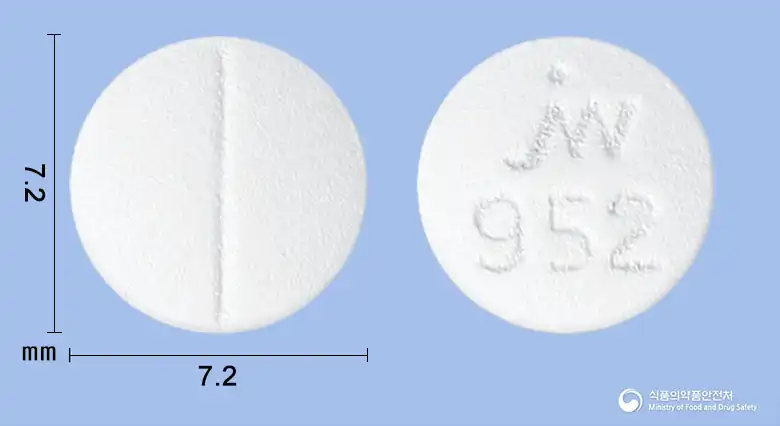
Enarodustat Micronized 2mg
Tablet · Prescription medication
JW Pharmaceutical Co., Ltd.
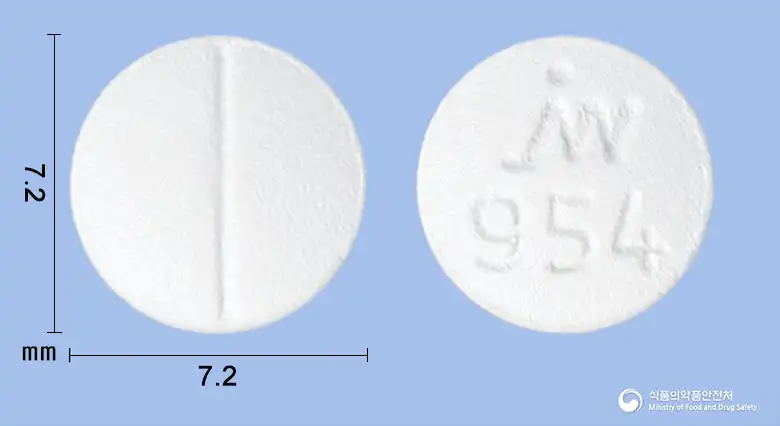
Enarodustat Micronized 4mg
Tablet · Prescription medication
JW Pharmaceutical Co., Ltd.
Even with the same ingredient, the dose and directions can differ by strength and dosage form. Talk to a doctor or pharmacist before switching from a medication you are already taking.
No questions yet.
For anything that needs medical judgment, consult a doctor or pharmacist.
This drug information is based on data provided by the Korea Ministry of Food and Drug Safety.
Consult a doctor or pharmacist for accurate dosage, administration, and usage instructions.