
 한국어
한국어 English
 日本語
日本語 中文(简体)
Dosage form image
Viewing nowCombinationFloqaduro Extended-Release Tablet 10/500 mg
Dapagliflozin citric acid 14.7mg · Metformin Hydrochloride 500mg
Tablet · Prescription medication · Combination
Nexpharm Korea Co., Ltd.
MFDS item code 202204066 · Approved 2022.11.10
This product's status changed to Approval withdrawn on 2023.10.23. It may no longer be sold, so consult a doctor or pharmacist before taking it.
Effect on blood sugar control in type 2 diabetes and prevention of cardiovascular events
This medication is used to improve blood sugar control in adults with type 2 diabetes by combining dapagliflozin and metformin. It especially enhances effects by complementing dietary and exercise therapy. For patients whose blood sugar control is insufficient and who have cardiovascular disease or risk factors, consultation with a specialist regarding the cardiovascular events related to dapagliflozin is necessary. This medication effectively supports blood sugar control in diabetic patients.
This medication is typically administered once daily with the evening meal. The maximum dosage is once daily dapagliflozin 10 mg/metformin extended-release 2000 mg, given as 2 tablets of 5 mg/1000 mg. When used as initial therapy, the recommended starting dose is one tablet of 5 mg/500 mg or 10 mg/500 mg once daily. This medication should be swallowed whole and should not be crushed, cut, or chewed.
This medication helps in controlling blood sugar; however, it should not be used in patients with impaired kidney function or acute illness. Rarely, it can cause a serious condition called lactic acidosis, which occurs when lactic acid accumulates excessively in the body and can be very dangerous, so seek immediate medical treatment if symptoms appear. Additionally, caution is warranted when used with insulin or other diabetes medications due to the risk of hypoglycemia. Patients with reduced kidney function, dehydration, severe infections, heart problems, liver dysfunction, or women who are pregnant or breastfeeding should not take this medication. In certain situations, such as surgery or radiological examinations, the intake of this medication should be temporarily suspended, and it should be restarted only after confirming normal kidney function. While taking this medication, genital infections, urinary infections, hypoglycemia, dehydration symptoms, dizziness, etc., may occur, so consult a doctor if unusual symptoms arise. Especially in elderly patients or those with decreased kidney function, regular kidney function tests should be conducted, and dosage should be adjusted accordingly. This medication may interact with other drugs; therefore, inform your healthcare provider of any other medications you are taking. It should not be used during pregnancy or breastfeeding, and its safety and efficacy have not been established in children. In the case of overdose, seek appropriate treatment at a medical institution immediately, and keep this medication out of reach of children.
Vulvovaginitis, balanitis and related genital infections, urinary infections, fungal infections, hypoglycemia (when used with sulfonylureas or insulin), thirst, dizziness, constipation, dry mouth, low back pain, dysuria, polyuria, nocturia, pruritus of the vulva, pruritus of the genitals, dyslipidemia, weight loss, headache, paresthesia, tremor, abdominal pain, indigestion, abdominal discomfort, diarrhea, salivary gland swelling, toothache, drowsiness, peripheral neuropathy, dryness
Not everyone experiences these, and they can vary from person to person.
This medication may be sensitive to air or moisture, so it should be stored in a tightly sealed container. It is advisable to maintain a storage temperature between 1 to 30 degrees Celsius at room temperature to ensure prolonged effectiveness.
Pink, biconvex, oval film-coated tablet
30 tablets/bottle
Even with the same ingredient, strength, dosage form and how it is taken can differ.
Dapagliflozin citric acid 14.7mg · Metformin Hydrochloride 500mg
Tablet · Prescription medication · Combination
Nexpharm Korea Co., Ltd.
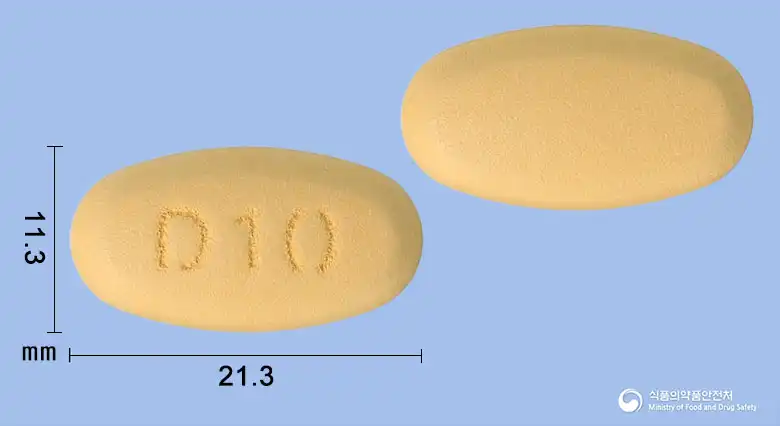 Combination
Dapagliflozin citric acid 14.7mg · Metformin Hydrochloride 1000mg
Tablet · Prescription medication · Combination
HK Inno.N Co., Ltd.
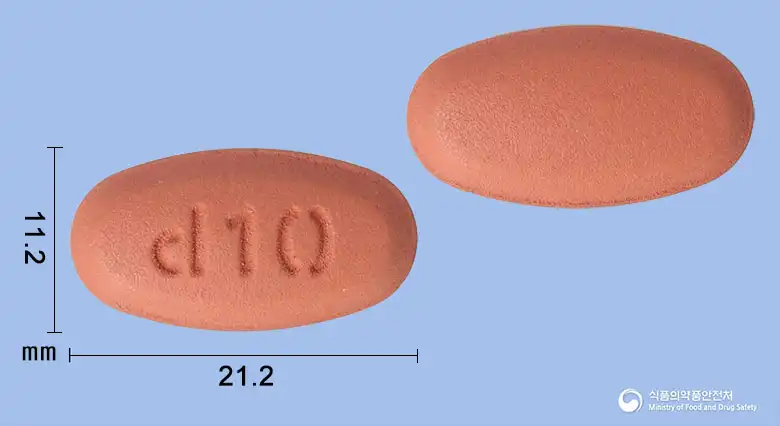 Combination
Dapagliflozin citric acid 7.35mg · Metformin Hydrochloride 1000mg
Tablet · Prescription medication · Combination
HK inno.N Co., Ltd.
Dapagliflozin citric acid 14.7mg · Metformin Hydrochloride 1000mg
Tablet · Prescription medication · Combination
Poonglim Pharmaceutical Co., Ltd.
Dapagliflozin citric acid 7.35mg · Metformin Hydrochloride 1000mg
Tablet · Prescription medication · Combination
Punglim Muhak Co., Ltd.
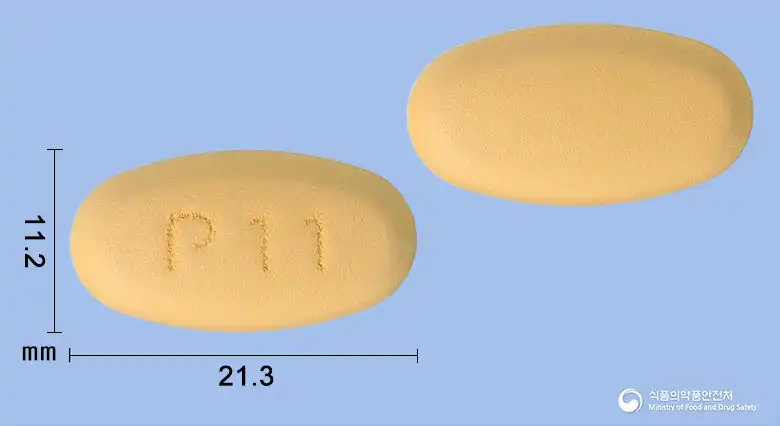 Combination
Dapagliflozin citric acid 14.7mg · Metformin Hydrochloride 1000mg
Tablet · Prescription medication · Combination
Korea Prime Pharmaceutical Co., Ltd.
Dapagliflozin citric acid 7.35mg · Metformin Hydrochloride 1000mg
Tablet · Prescription medication · Combination
Korea Prime Pharmaceutical Co., Ltd.
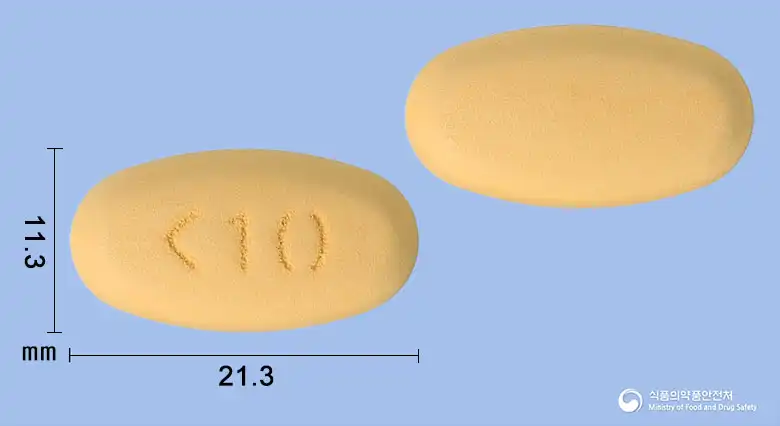 Combination
Dapagliflozin citric acid 14.7mg · Metformin Hydrochloride 1000mg
Tablet · Prescription medication · Combination
KS Pharm Co., Ltd.
Even with the same ingredient, the dose and directions can differ by strength and dosage form. Talk to a doctor or pharmacist before switching from a medication you are already taking.
No questions yet.
For anything that needs medical judgment, consult a doctor or pharmacist.
This drug information is based on data provided by the Korea Ministry of Food and Drug Safety.
Consult a doctor or pharmacist for accurate dosage, administration, and usage instructions.