
 한국어
한국어 English
 日本語
日本語 中文(简体)
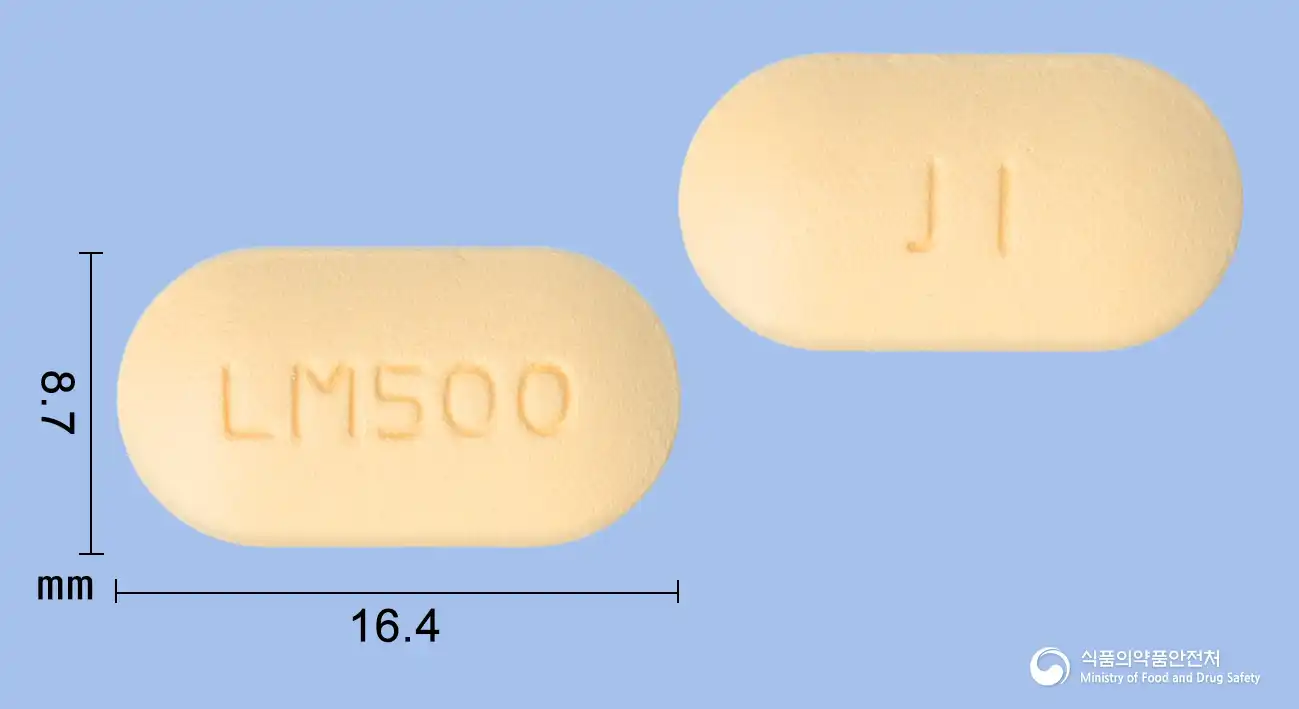 Viewing nowCombination
Linatin Plus Tablet 2.5/500 mg
Linagliptin 2.5mg · Metformin Hydrochloride 500mg
Tablet · Prescription medication · Combination
Jeil Pharmaceutical Co., Ltd.
MFDS item code 202203839 · Approved 2022.10.14 · Insurance code 645406260
Improvement of blood sugar control in type 2 diabetes
This medication is used to help patients with type 2 diabetes control their blood sugar by taking linagliptin and metformin together. When taken alongside dietary and exercise therapy, this medication can help manage blood sugar more effectively. This can stabilize blood sugar levels and assist in improving health status.
The dosage of this medication is determined based on the maximum recommended doses of its components, which are 2.5 mg of linagliptin and 1000 mg of metformin, without exceeding twice daily. Consideration should be given to each patient's current therapy, effectiveness, and tolerance levels. This medication is administered twice daily with meals. To minimize gastrointestinal side effects associated with metformin, dosage increases should be gradual. 1. If currently not treated with metformin: If there is no previous experience with diabetes medication and monotherapy is insufficient for adequate blood sugar control, the initial dose of this medication 2.5/500 mg can be taken twice daily, with an increase to this medication 2.5/1000 mg to a maximum of one tablet taken twice daily. 2. When converting from a combination therapy of linagliptin and metformin: Patients switching from a combination therapy of linagliptin and metformin to this medication should use the same total doses as they were previously taking. 3. If unable to achieve adequate blood sugar control with a combination therapy of insulin and metformin: The initial dose of this medication should be 2.5 mg of linagliptin taken twice daily (a total daily dose of 5 mg) and a similar dose to the existing metformin therapy should be considered. When this medication is used in conjunction with insulin, insulin dosages may need to be reduced to minimize the risk of hypoglycemia (refer to precautions regarding careful administration in the following patients). There are no conducted studies evaluating the safety and efficacy of switching this medication in patients previously treated with other oral hypoglycemic agents. Any changes in the treatment regimen for type 2 diabetes may affect blood sugar control; thus, close monitoring is necessary. Patients with kidney impairment: This medication can be used with dose adjustments in patients with moderate kidney impairment stage 3a (creatinine clearance [CrCl] 45≤~<60 ml/min or estimated Glomerular Filtration Rate [eGFR] 45≤~<60 mL/min/1.73 m2) provided that there are no accompanying symptoms that increase the risk of lactic acidosis. The initial dose of metformin is 500 mg or 850 mg once daily; treatment should not be started with this medication. The maximum recommended dose of metformin is 500 mg twice daily. Kidney function should be closely monitored every 3-6 months, and if CrCl < 45 ml/min or eGFR < 45 ml/min/1.73 m2 indicates reduced kidney function, this medication should be stopped immediately. Patients with liver impairment: This medication should not be administered to patients with impaired liver function due to the metformin component (refer to precautions regarding contraindications).
This medication helps in controlling blood sugar. However, it may cause a rare side effect called lactic acidosis, and should not be used in cases of impaired kidney function or issues with the heart or liver. Additionally, it should not be administered to patients with allergies to the main ingredients or other components, those with type 1 diabetes, acute infections, or severe dehydration. Hypoglycemic symptoms may occur during treatment, so especially when used in combination with sulfonylureas or insulin, blood sugar levels should be monitored carefully. In cases of impaired kidney function, this medication should be avoided or used with caution, and kidney function should be checked regularly through blood tests. If surgery is planned or radiocontrast iodine is administered, this medication should be stopped in advance, and restarted only after kidney function returns to normal following surgery or tests. Pregnant or breastfeeding women should avoid using this medication, and especially if planning to become pregnant, consult a physician to consider alternative treatment methods. Acute pancreatitis or skin blistering disorders may occur during treatment, so any abdominal pain or skin abnormalities should be reported to a doctor immediately. Additionally, this medication may lower vitamin B12 levels, so regular checking for vitamin B12 deficiency is necessary during prolonged use. It is not recommended for children and adolescents due to insufficient safety and efficacy, and elderly patients should carefully adjust their dosage considering declining kidney function. Lastly, this medication may interact with other medications, so inform your physician or pharmacist of any other medications being taken.
Not everyone experiences these, and they can vary from person to person.
Keep this medication in a tightly closed container to prevent exposure to air and moisture, and store it at room temperature between 1 and 30 degrees Celsius. This will help maintain the effectiveness of the medication for a longer period.
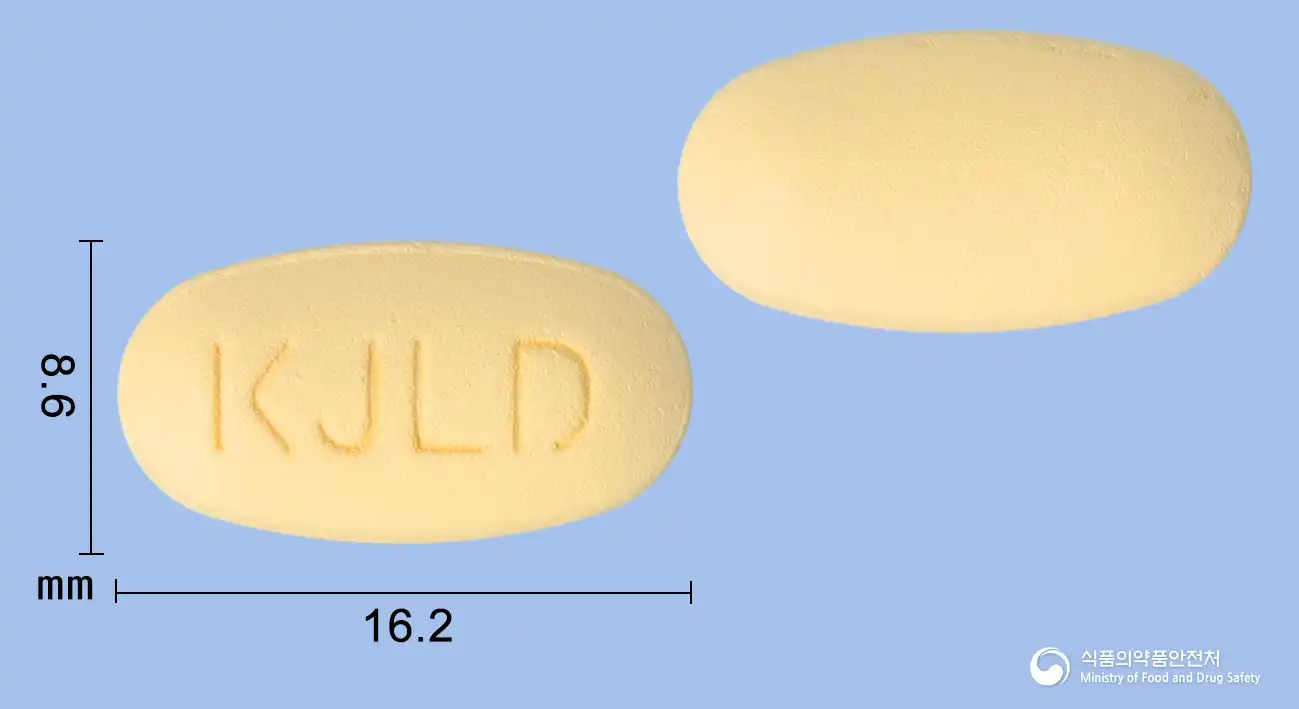
Bright yellow, oval-shaped, bi-convex film-coated tablet
PTP - 10 tablets/PTP [x6 units]
Even with the same ingredient, strength, dosage form and how it is taken can differ.
Viewing nowCombinationLinagliptin 2.5mg · Metformin Hydrochloride 500mg
Tablet · Prescription medication · Combination
Jeil Pharmaceutical Co., Ltd.
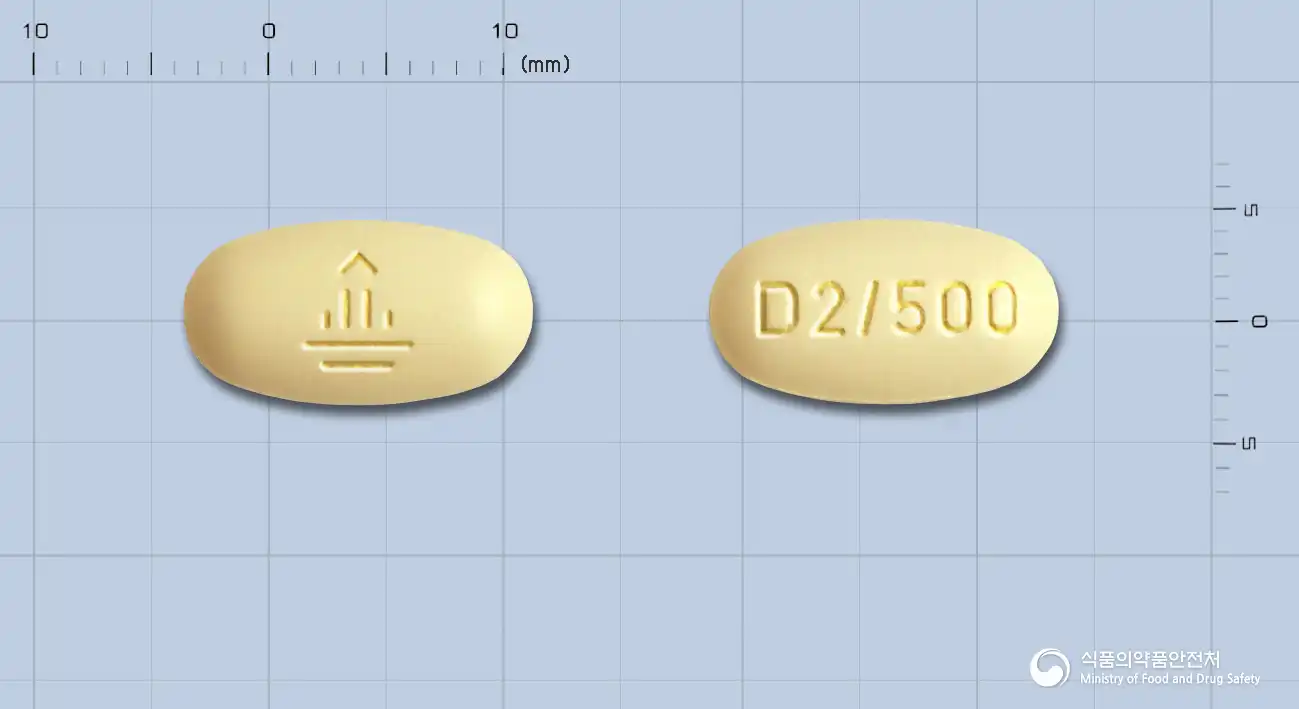 Combination
Linagliptin 2.5mg · Metformin Hydrochloride 500mg
Tablet · Prescription medication · Combination
Boehringer Ingelheim Korea Co., Ltd.
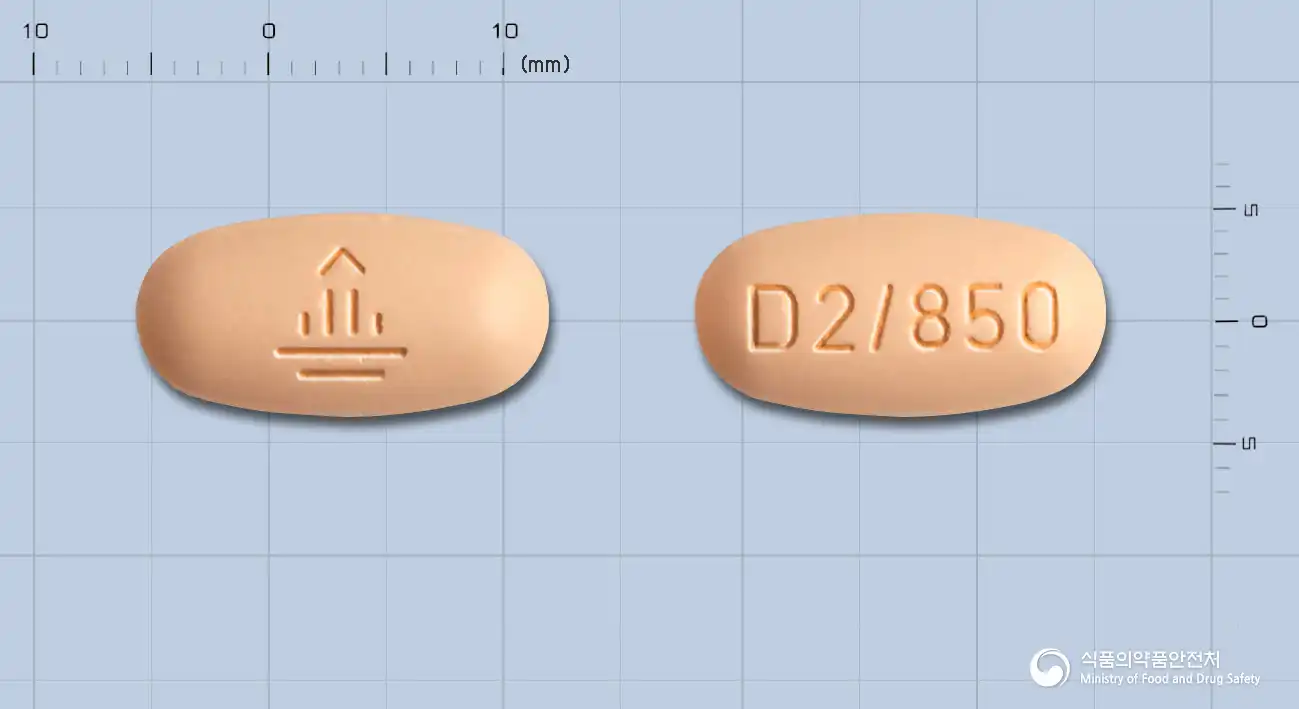 Combination
Linagliptin 2.5mg · Metformin Hydrochloride 850mg
Tablet · Prescription medication · Combination
Boehringer Ingelheim Korea Co., Ltd.
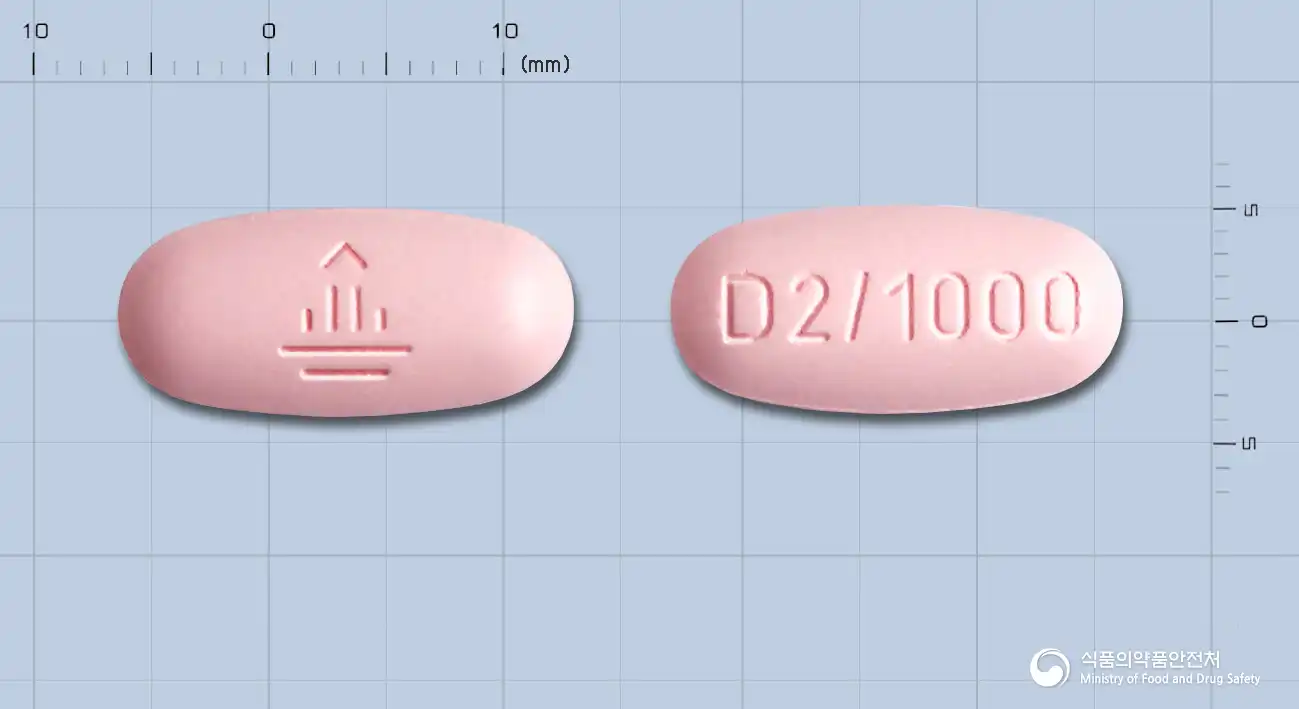 Combination
Linagliptin 2.5mg · Metformin Hydrochloride 1000mg
Tablet · Prescription medication · Combination
Boehringer Ingelheim Korea Co., Ltd.
Linagliptin 2.5mg · Metformin Hydrochloride 1000mg
Tablet · Prescription medication · Combination
Anguk Pharm Co., Ltd.
Linagliptin 2.5mg · Metformin Hydrochloride 1000mg
Prescription medication · Combination
Hanmi Pharmaceutical Co., Ltd.
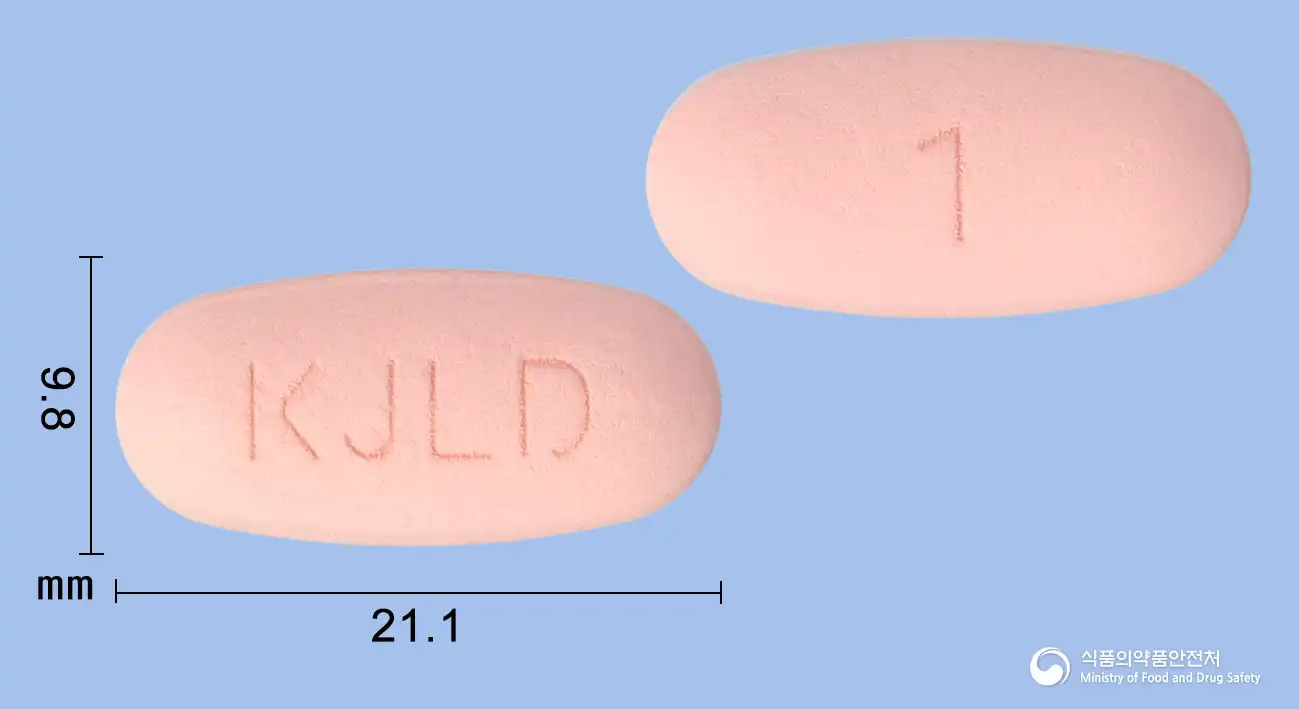 Combination
Linagliptin 2.5mg · Metformin Hydrochloride 1000mg
Tablet · Prescription medication · Combination
Kukje Pharmaceutical Co., Ltd.
 Combination
Linagliptin 2.5mg · Metformin Hydrochloride 500mg
Tablet · Prescription medication · Combination
International Pharmaceutical Co., Ltd.
Even with the same ingredient, the dose and directions can differ by strength and dosage form. Talk to a doctor or pharmacist before switching from a medication you are already taking.
No questions yet.
For anything that needs medical judgment, consult a doctor or pharmacist.
This drug information is based on data provided by the Korea Ministry of Food and Drug Safety.
Consult a doctor or pharmacist for accurate dosage, administration, and usage instructions.