한국어
 English
 日本語
 中文(简体)
 Viewing now
Zaleplon Capsule 5 mg (Zaleplon)
Zaleplon 5mg
Hard capsule · Prescription medication
Bukwang Pharmaceutical Co., Ltd.
MFDS item code 202202678 · Approved 2022.06.29 · Insurance code 642204620
Short-term treatment of insomnia in adults
This medication is used for the short-term treatment of insomnia in adults.
This medicine is administered orally once daily immediately before bedtime, or at bedtime when difficulty falling asleep occurs. The dose should be individualized, and the lowest effective dose should be used. ○ Adults The recommended daily dose is 10 mg. For patients with low body weight, administer 5 mg daily. The risk of certain adverse reactions associated with this medicine is dose-dependent; however, a 20 mg dose is well tolerated and may be considered for some patients who do not respond to lower doses. Doses exceeding 20 mg have not been adequately evaluated and are not recommended. - Elderly and debilitated patients: Because they are more sensitive to the hypnotic effects, the recommended daily dose is 5 mg; do not exceed 10 mg daily. - Patients with hepatic impairment: Because clearance of this medicine is reduced in patients with mild to moderate hepatic impairment, the recommended daily dose is 5 mg. This medicine is not recommended for patients with severe hepatic impairment. - Patients with renal impairment: No dose adjustment is necessary for patients with mild to moderate renal impairment. This medicine has not been studied in patients with severe renal impairment. - When taken with cimetidine, administer an initial dose of 5 mg because clearance of this medicine is reduced. (See 6. Interactions.) Because taking this medicine may impair driving or other activities requiring full alertness the following day, allow at least 7 ~ 8 hours between taking the medicine and getting up. Administration with or immediately after a high-fat/high-calorie meal is expected to delay absorption of this medicine and reduce its effect on sleep latency.
This medication is used to help induce sleep and may cause abnormal behavior while not fully conscious, such as walking or driving during sleep. These behaviors can lead to serious injuries or fatal outcomes, so if such symptoms occur, the medication should be discontinued immediately. Additionally, this medication can cause drowsiness or mental confusion by depressing the central nervous system, so it is safest to take it right before bed or when experiencing difficulty falling asleep. Caution is also required when taken in combination with other sedatives or alcohol, as the central nervous system depressant effects may be enhanced. After taking, mental motor function may be impaired until the next day, so sufficient sleep should be had before engaging in activities such as driving or operating machinery. Older adults are at a higher risk of falls due to this medication, so extra caution is necessary. If insomnia persists or worsens, other physical or mental disorders may be the cause, and consultation with a specialist is recommended. Patients with hypersensitivity to this medication or who have previously experienced complex sleep behaviors, acute respiratory failure patients, individuals under 18 years of age, and those with specific hereditary lactose intolerance should not take this medication. Elderly or frail patients, and those with respiratory or liver function issues should reduce the dosage and take it with caution, while patients with depression should be carefully monitored for the risk of suicide. This medication can lead to abuse and dependence, so when taking it for a long time, dosage should be gradually adjusted according to the physician's instructions. It is advised that pregnant or nursing women avoid using this medication, especially during lactation, as it may affect the infant. In case of overdose, central nervous system depression symptoms such as coma or respiratory depression may occur, and immediate medical attention should be sought. This medication should be stored in a tightly closed container to prevent exposure to air or moisture and kept at room temperature between 1 degree and 30 degrees to maintain its effectiveness.
Complex sleep behavior, sleepwalking, sleep driving, central nervous system depressant effects, psychomotor disorders, drowsiness, prolonged reaction time, dizziness, blurred vision, double vision, reduced attention, driving impairment, fall risk, vascular edema, tongue swelling, epiglottis edema, laryngeal edema, respiratory distress, pharyngeal obstruction, nausea, vomiting, abnormal aggression, extroversion, bizarre behaviors, anxiety, hallucinations, depersonalization, amnesia, seizures, rebound insomnia, headache, abdominal pain, weakness, malaise, photosensitivity reactions, loss of appetite, colitis, nausea, peripheral edema, amnesic syndrome, confusion, depersonalization, dizziness, hallucinations, hypertonia, sensory reduction, perceptual abnormalities, drowsiness, trembling, vertigo, nasal bleeding, visual abnormalities, ear pain, eye pain, auditory hypersensitivity, olfactory disturbances, dysmenorrhea, back pain, chest pain, fever, substernal chest pain, chills, facial edema, generalized edema, hangover effects, neck stiffness, migraine, angina, blockaphasia, hypertension, hypotension, palpitations, syncope, tachycardia, vasodilation, ventricular extrasystole, aberrant rhythm, cerebral ischemia, cyanosis, pericardial effusion, orthostatic hypotension, pulmonary embolism, sinus bradycardia, thrombophlebitis, ventricular tachycardia, constipation, dry mouth, dyspepsia, belching, esophagitis, bloating, gastritis, gastroenteritis, gingivitis, glossitis, increased appetite, melena, oral ulcer formation, rectal bleeding, stomatitis, aphthous stomatitis, biliary pain, bruxism, pyloric spasm, cheilitis, cholelithiasis, duodenal ulcer, dysphagia, enteritis, gum bleeding, increased salivation, intestinal obstruction, abnormal liver function tests, peptic ulcer, tongue discoloration, tongue swelling, ulcerative stomatitis, diabetes, goiter, hypothyroidism, anemia, purpura, lymphadenopathy, eosinophilia, leukocytosis, lymphocytosis, purpura, edema, gout, hypercholesterolemia, thirst, weight gain, hyperbilirubinemia, hyperglycemia, hyperuricemia, hypoglycemia, hypoglycemic reaction, ketosis, lactose intolerance, AST elevation, ALT elevation, weight loss, arthralgia, arthritis, myalgia, arthrosis, bursitis, joint disorders, myasthenia, tendinitis, myositis, osteoporosis, anxiety, depression, neuroexcitability, abnormal thought patterns, gait abnormalities, restlessness, apathy, ataxia, perioral sensory abnormalities, emotional distress, abnormal happiness, sensory hypersensitivity, hyperactivity, hypotonia, coordination disorders, insomnia, reduced libido, neuralgia, nystagmus, central nervous system stimulation, delusions, speech disorders, extrapyramidal symptoms, facial paralysis, hostility, reduced activity, muscular fasciculations, neuropathy, psychomotor retardation, ptosis, decreased reflexes, increased reflexes, sleep talking, sleepwalking, unclear articulation, confusion, trismus, bronchitis, asthma, respiratory distress, laryngitis, pneumonia, snoring, voice changes, apnea, hiccups, hyperventilation, pleural effusion, increased phlegm, itching, rash, acne, hair loss, contact dermatitis, dry skin, eczema, maculopapular rash, skin hypertrophy, sweating, urticaria, vesicular rash, acanthosis, psoriasis, pustular rash, skin discoloration, conjunctivitis, dysgeusia, double vision, dry eyes, photophobia, tinnitus, watering eyes, accommodation disorders, blepharitis, cataract, corneal erosion, hearing loss, eye hemorrhage, glaucoma, labyrinthitis, retinal detachment, loss of taste, visual field defects, bladder pain, breast pain, cystitis, weakened urine stream, dysuria, hematuria, erectile dysfunction, kidney stones, kidney pain, heavy menstruation, abnormal uterine bleeding, frequent urination, incontinence, urgency, vaginitis, proteinuria, delayed menstrual cycle, leukorrhea, menopause, urethritis, urinary retention, vaginal bleeding, anaphylaxis, anaphylactic reaction, nightmares, short-term memory disturbances, hallucinations, coordination disorders
Not everyone experiences these, and they can vary from person to person.
This medication should be stored in a tightly closed container to prevent exposure to air or moisture. Additionally, it is best to store the medication at room temperature between 1 degree and 30 degrees. This will help maintain the effectiveness of the medication for a longer period.
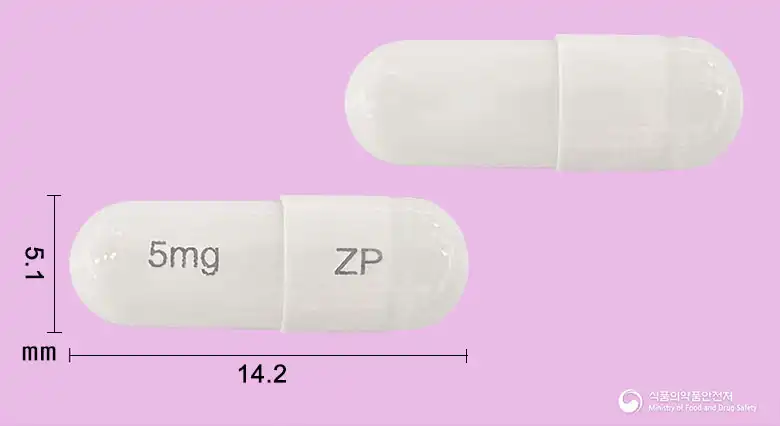
A hard capsule with a white upper part and a white lower part filled with a white or light yellow powder.
28 capsules/bottle, 100 capsules/bottle
Even with the same ingredient, strength, dosage form and how it is taken can differ.
Even with the same ingredient, the dose and directions can differ by strength and dosage form. Talk to a doctor or pharmacist before switching from a medication you are already taking.
No questions yet.
For anything that needs medical judgment, consult a doctor or pharmacist.
This drug information is based on data provided by the Korea Ministry of Food and Drug Safety.
Consult a doctor or pharmacist for accurate dosage, administration, and usage instructions.