
 한국어
 English
 日本語
 中文(简体)
Summary
- Main use
- Reduction of risks associated with chronic kidney disease and chronic heart failure in patients with type 2 diabetes mellitus
- Who takes it
- Adults
- Adult dose
- Oral administration This medicine is administered in combination with other standard therapies (including angiotensin receptor blockers (ARBs) or angiotensin-converting enzyme (ACE) inhibitors). This medicine may be taken with water, with or without food. Avoid taking this medicine with grapefruit or grapefruit juice. For patients who cannot swallow tablets, this medicine may be crushed immediately before use, mixed with a beverage such as water or apple juice, and administered orally. In patients with chronic kidney disease associated with type 2 diabetes, initiation of this medicine is recommended when serum potassium is ≤ 4.8 mmol/L. When 4.8 < serum potassium ≤ 5.0 mmol/L, initiation of this medicine may be considered, with additional serum potassium monitoring during the first 4 weeks, depending on the patient's characteristics and serum potassium level. When serum potassium > 5.0 mmol/L, initiation of this medicine is not recommended. Measure the estimated glomerular filtration rate (eGFR) to determine the starting dose of this medicine. If eGFR ≥ 60 mL/min/1.73m2, 20mg once daily If 25 ≤ eGFR < 60 mL/min/1.73m2, 10mg once daily Initiation of this medicine is not recommended in patients with eGFR < 25 mL/min/1.73m2. The recommended target dose of this medicine in patients with chronic kidney disease associated with type 2 diabetes is 20mg once daily. The maximum daily dose of this medicine in patients with chronic kidney disease associated with type 2 diabetes is 20mg. Re-measure serum potassium and eGFR 4 weeks after starting, restarting, or adjusting the dose of this medicine. Serum potassium ≤4.8: Maintain 20mg once daily. Serum potassium ≤4.8: For patients taking 10mg once daily, increase the dose to 20mg once daily if the decrease in eGFR is <30% compared with the previous measurement. 4.8<serum potassium≤5.5: Maintain the dose. >5.5: Discontinue this medicine. When serum potassium is ≤5.0mmol/L, restart at 10mg once daily. In patients with chronic heart failure (LVEF ≥40%), initiation of this medicine is recommended when serum potassium is ≤ 5.0 mmol/L. Measure the estimated glomerular filtration rate (eGFR) to determine the starting dose of this medicine. If eGFR ≥ 60 mL/min/1.73m2, 20mg once daily If 25 ≤ eGFR < 60 mL/min/1.73m2, 10mg once daily Initiation of this medicine is not recommended in patients with eGFR < 25 mL/min/1.73m2. In patients with chronic heart failure (LVEF ≥40%), the recommended target dose of this medicine depends on renal function (eGFR) at the start of treatment. If eGFR ≥ 60 mL/min/1.73m2, 40mg once daily If 25 ≤ eGFR < 60 mL/min/1.73m2, 20mg once daily The maximum daily dose of this medicine in patients with chronic heart failure (LVEF ≥40%) is 40mg. Re-measure serum potassium and eGFR 4 weeks after starting, restarting, or adjusting the dose of this medicine. < 5.0: For patients taking 10mg once daily, increase the dose to 20mg once daily. < 5.0: For patients taking 20mg once daily, if eGFR at the start of treatment was < 60 mL/min/1.73m2: Maintain 20mg once daily, if eGFR at the start of treatment was ≥ 60 mL/min/1.73m2: Increase the dose to 40mg once daily.* < 5.0: For patients taking 40mg once daily, maintain the dose. 5.0 ≤serum potassium< 5.5: Maintain the dose. 5.5 ≤serum potassium< 6.0: Reduce the dose by one dose level. 5.5 ≤serum potassium< 6.0: For patients taking 10mg once daily, discontinue treatment; when serum potassium is < 5.5 mmol/L, restart at 10mg once daily. ≥ 6.0: Discontinue this medicine. When serum potassium is < 5.5 mmol/L, restart at 10mg once daily.** *If the decrease in eGFR is <30% compared with the previous measurement **If repeat measurements are ≥ 5.5 mmol/L, restart at 10mg once daily when the level is <5.0mmol/L. If a dose is missed, it should be taken as soon as the omission is remembered, but only if it is the same day. Otherwise, the dose should be skipped and the next dose taken as prescribed. Do not take a double dose to make up for a missed dose. In patients with 25 ≤ eGFR < 60 mL/min/1.73m2, the starting dose of this medicine is 10mg once daily. Initiation of this medicine is not recommended in patients with eGFR < 25 mL/min/1.73m2 because clinical experience is limited. In patients with renal impairment and eGFR ≥ 15 mL/min/1.73m2, continue this medicine and adjust the dose according to serum potassium. Measure eGFR 4 weeks after starting treatment to determine whether to uptitrate. Discontinue this medicine in patients who progress to end-stage renal disease (eGFR < 15 mL/min/1.73m2) because clinical experience is limited. Avoid use of this medicine in patients with severe hepatic impairment (Child-Pugh C). No starting dose adjustment is required in patients with mild or moderate hepatic impairment (Child-Pugh A or B). In patients with moderate hepatic impairment (Child-Pugh B), consider additional serum potassium monitoring and adjust monitoring according to the patient's characteristics. For patients taking this medicine in combination with a moderate or weak CYP3A4 inhibitor, potassium supplements, trimethoprim, or trimethoprim-sulfamethoxazole, consider additional serum potassium monitoring, adjust monitoring according to the patient's characteristics, and determine whether to administer this medicine according to Table 1 or 2. Temporary discontinuation of this medicine may be necessary when taking trimethoprim or trimethoprim/sulfamethoxazole.
Ingredients
- Importer
- Bayer korea
Efficacy & effects
Reduction of risks associated with chronic kidney disease and chronic heart failure in patients with type 2 diabetes mellitus
- Type 2 diabetes
- chronic kidney disease
- decreased glomerular filtration rate
- end-stage kidney disease
- cardiovascular diseases
- myocardial infarction
- heart failure
View approved original textHide original text
This medication helps reduce the continuous decline in kidney function and the risk of cardiovascular complications in adult patients with chronic kidney disease associated with type 2 diabetes. It is also used in patients with chronic heart failure with a left ventricular ejection fraction of 40% or greater to reduce the risk of hospitalization or emergency visits due to heart failure exacerbation and the risk of death from cardiovascular disease. Therefore, this medication improves both kidney health and cardiac function protection.
How to take
Adult dose
Oral administration This medicine is administered in combination with other standard therapies (including angiotensin receptor blockers (ARBs) or angiotensin-converting enzyme (ACE) inhibitors). This medicine may be taken with water, with or without food. Avoid taking this medicine with grapefruit or grapefruit juice. For patients who cannot swallow tablets, this medicine may be crushed immediately before use, mixed with a beverage such as water or apple juice, and administered orally. In patients with chronic kidney disease associated with type 2 diabetes, initiation of this medicine is recommended when serum potassium is ≤ 4.8 mmol/L. When 4.8 < serum potassium ≤ 5.0 mmol/L, initiation of this medicine may be considered, with additional serum potassium monitoring during the first 4 weeks, depending on the patient's characteristics and serum potassium level. When serum potassium > 5.0 mmol/L, initiation of this medicine is not recommended. Measure the estimated glomerular filtration rate (eGFR) to determine the starting dose of this medicine. If eGFR ≥ 60 mL/min/1.73m2, 20mg once daily If 25 ≤ eGFR < 60 mL/min/1.73m2, 10mg once daily Initiation of this medicine is not recommended in patients with eGFR < 25 mL/min/1.73m2. The recommended target dose of this medicine in patients with chronic kidney disease associated with type 2 diabetes is 20mg once daily. The maximum daily dose of this medicine in patients with chronic kidney disease associated with type 2 diabetes is 20mg. Re-measure serum potassium and eGFR 4 weeks after starting, restarting, or adjusting the dose of this medicine. Serum potassium ≤4.8: Maintain 20mg once daily. Serum potassium ≤4.8: For patients taking 10mg once daily, increase the dose to 20mg once daily if the decrease in eGFR is <30% compared with the previous measurement. 4.8<serum potassium≤5.5: Maintain the dose. >5.5: Discontinue this medicine. When serum potassium is ≤5.0mmol/L, restart at 10mg once daily. In patients with chronic heart failure (LVEF ≥40%), initiation of this medicine is recommended when serum potassium is ≤ 5.0 mmol/L. Measure the estimated glomerular filtration rate (eGFR) to determine the starting dose of this medicine. If eGFR ≥ 60 mL/min/1.73m2, 20mg once daily If 25 ≤ eGFR < 60 mL/min/1.73m2, 10mg once daily Initiation of this medicine is not recommended in patients with eGFR < 25 mL/min/1.73m2. In patients with chronic heart failure (LVEF ≥40%), the recommended target dose of this medicine depends on renal function (eGFR) at the start of treatment. If eGFR ≥ 60 mL/min/1.73m2, 40mg once daily If 25 ≤ eGFR < 60 mL/min/1.73m2, 20mg once daily The maximum daily dose of this medicine in patients with chronic heart failure (LVEF ≥40%) is 40mg. Re-measure serum potassium and eGFR 4 weeks after starting, restarting, or adjusting the dose of this medicine. < 5.0: For patients taking 10mg once daily, increase the dose to 20mg once daily. < 5.0: For patients taking 20mg once daily, if eGFR at the start of treatment was < 60 mL/min/1.73m2: Maintain 20mg once daily, if eGFR at the start of treatment was ≥ 60 mL/min/1.73m2: Increase the dose to 40mg once daily.* < 5.0: For patients taking 40mg once daily, maintain the dose. 5.0 ≤serum potassium< 5.5: Maintain the dose. 5.5 ≤serum potassium< 6.0: Reduce the dose by one dose level. 5.5 ≤serum potassium< 6.0: For patients taking 10mg once daily, discontinue treatment; when serum potassium is < 5.5 mmol/L, restart at 10mg once daily. ≥ 6.0: Discontinue this medicine. When serum potassium is < 5.5 mmol/L, restart at 10mg once daily.** *If the decrease in eGFR is <30% compared with the previous measurement **If repeat measurements are ≥ 5.5 mmol/L, restart at 10mg once daily when the level is <5.0mmol/L. If a dose is missed, it should be taken as soon as the omission is remembered, but only if it is the same day. Otherwise, the dose should be skipped and the next dose taken as prescribed. Do not take a double dose to make up for a missed dose. In patients with 25 ≤ eGFR < 60 mL/min/1.73m2, the starting dose of this medicine is 10mg once daily. Initiation of this medicine is not recommended in patients with eGFR < 25 mL/min/1.73m2 because clinical experience is limited. In patients with renal impairment and eGFR ≥ 15 mL/min/1.73m2, continue this medicine and adjust the dose according to serum potassium. Measure eGFR 4 weeks after starting treatment to determine whether to uptitrate. Discontinue this medicine in patients who progress to end-stage renal disease (eGFR < 15 mL/min/1.73m2) because clinical experience is limited. Avoid use of this medicine in patients with severe hepatic impairment (Child-Pugh C). No starting dose adjustment is required in patients with mild or moderate hepatic impairment (Child-Pugh A or B). In patients with moderate hepatic impairment (Child-Pugh B), consider additional serum potassium monitoring and adjust monitoring according to the patient's characteristics. For patients taking this medicine in combination with a moderate or weak CYP3A4 inhibitor, potassium supplements, trimethoprim, or trimethoprim-sulfamethoxazole, consider additional serum potassium monitoring, adjust monitoring according to the patient's characteristics, and determine whether to administer this medicine according to Table 1 or 2. Temporary discontinuation of this medicine may be necessary when taking trimethoprim or trimethoprim/sulfamethoxazole.
Precautions
This medication should not be used by patients with an allergy to certain components. Additionally, patients taking strong CYP3A4 inhibitors, such as certain antifungals or antibiotics, should not use this medication. Patients with specific conditions such as Addison's disease or genetic issues like lactose intolerance should avoid this medication. Patients with hyperkalemia or a risk of hyperkalemia should use this medication with caution and frequently monitor potassium levels. Particularly, patients with poor kidney function, chronic heart failure, or severe liver impairment need to be cautious when using this medication. Women who are pregnant or breastfeeding should not use this medication, and women of childbearing age should use effective contraception during treatment. This medication can lower blood pressure, so patients with hypotension should be cautious, and it is important to regularly check blood pressure and kidney function. Additionally, this medication can cause a variety of side effects, including hyperkalemia, hypotension, worsening renal function, increased serum creatinine, and anemia, so if any abnormal symptoms occur, immediate consultation with a healthcare professional is necessary. There are many potential drug interactions, so care should be taken to avoid combining with potassium-sparing diuretics, certain antibiotics, grapefruit juice, etc. In case of overdose, there is a risk of hyperkalemia, so it should be taken accurately as directed by a physician, and immediate treatment should be sought if an overdose is suspected.
Side effects
- hyperkalemia
- hyponatremia
- hyperuricemia
- hypotension
- pruritus
- increased serum creatinine
- decreased glomerular filtration rate
- decreased hemoglobin
- syncope
- dizziness
Show 5 moreCollapse
- falls
- renal dysfunction
- acute kidney injury
- renal failure
- anemia
Not everyone experiences these, and they can vary from person to person.
Storage
This medication is susceptible to air and moisture, so it must be stored in a tightly closed container. It is important to maintain a storage temperature at room temperature between 1 to 30 degrees Celsius. This way, the medication's effectiveness can be safely preserved.
Appearance and packaging
Appearance
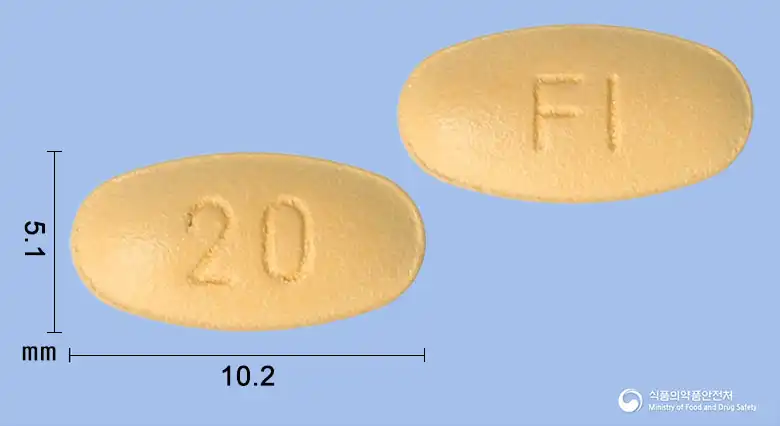
Pale yellow oval film-coated tablet
Package unit
For domestic use - 28 tablets/box [(14 tablets/blister X 2)], For domestic use - 98 tablets/box [(14 tablets/blister X 7)]
Questions about this medicine
No questions yet.
For anything that needs medical judgment, consult a doctor or pharmacist.