
 한국어
 English
 日本語
 中文(简体)
 Viewing now
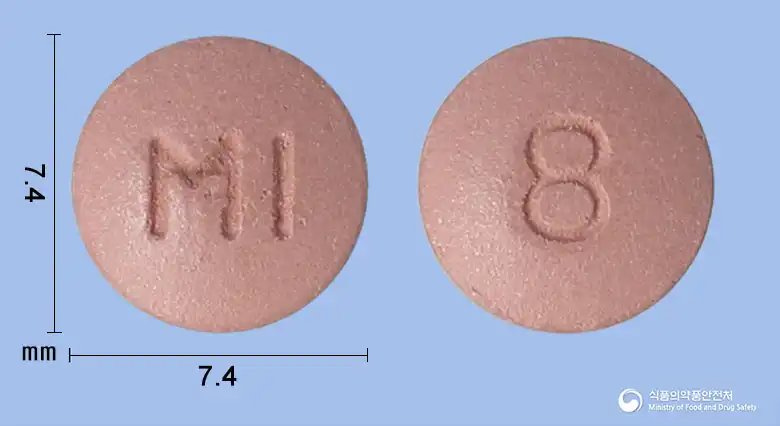
Pericompa Tablet 8 mg (Perampanel (Unformulated))
Perampanel(Micronized) 8mg
Tablet · Prescription medication
Myungjin Pharmaceutical Co., Ltd.
MFDS item code 202201453 · Approved 2022.04.05 · Insurance code 651905130
Treatment of focal seizures (monotherapy and adjunctive therapy) and primary generalized tonic-clonic seizures (adjunctive therapy)
This medication is used for the treatment of partial seizures in patients with epilepsy. It is effective for cases where partial seizures occur either with or without secondary generalized seizures. Additionally, it is used for patients with idiopathic generalized epilepsy who have primary generalized tonic-clonic seizures. This medication can be used in children from 4 years old, and in some cases, may be applicable to patients over 7 years old. It is effective in both monotherapy and adjunctive therapy. This medication helps improve the symptoms of epilepsy.
This medication should be taken once daily at bedtime, with or without food, swallowed whole with plenty of water without chewing, crushing, or splitting. Dose adjustment The dose should be adjusted in increments of 2mg per day at intervals of at least 2 weeks. For patients receiving concomitant medications that do not decrease the half-life of perampanel, the dose should be adjusted in increments of 2mg per day at intervals of at least 2 weeks. For patients receiving concomitant medications that decrease the half-life of perampanel (such as phenytoin, carbamazepine, and oxcarbazepine), the dose should be adjusted in increments of 2mg per day at intervals of at least 1 week (see “6. Drug interactions”). When discontinuing this medication, the dose should be reduced gradually (see “5. General precautions”). If a dose of this medication is missed during treatment, take it as follows, depending on the duration of the interruption. ㆍIf 1 dose is missed: In view of the long half-life of perampanel, do not take an additional dose; take the next dose at the scheduled time. ㆍIf 2 or more consecutive doses are missed, but the interruption is shorter than 5 times the half-life: Consider restarting treatment at the last dose administered. ㆍIf doses are missed for a consecutive period of 5 times the half-life or longer: Retitrate the dose from the initial dose. A period equivalent to 5 times the half-life is 3 weeks in patients not taking antiepileptic drugs that induce the metabolism of perampanel, and 1 week in patients taking such drugs. Patients with renal impairment No dose adjustment is necessary for patients with mild renal impairment. Use of this medication is not recommended in patients with moderate or severe renal impairment or in patients receiving hemodialysis. Patients with hepatic impairment Dose adjustment is necessary in patients with mild or moderate hepatic impairment because the half-life is prolonged and exposure is increased. The initial dose is 2mg per day, and the dose should be increased by 2mg per day at intervals of at least 2 weeks. The maximum recommended dose is 6mg per day for patients with mild hepatic impairment and 4mg per day for patients with moderate hepatic impairment. As with other patients, adjust the dose according to the patient's clinical response and tolerability. Use of this medication is not recommended in patients with severe hepatic impairment.
Monotherapy Partial-onset seizures: Age 4 years and older — Treatment with this medication is initiated at a dose of 2 mg once daily. Depending on the patient's clinical response and tolerability, the dose is increased to the maintenance dose of 4 mg to 8 mg once daily and, if needed, may be increased to a maximum of 8 mg once daily. Adjunctive therapy Partial-onset seizures: Age 4 years and older — Treatment with this medication is initiated at a dose of 2 mg once daily. Depending on the patient's clinical response and tolerability, the dose is increased to the maintenance dose of 4 mg to 8 mg once daily and, if needed, may be increased to a maximum of 12 mg once daily. Primary generalized tonic-clonic seizures: Age 7 years and older — Treatment with this medication is initiated at a dose of 2 mg once daily. Depending on the patient's clinical response and tolerability, the dose is increased to the maintenance dose of 8 mg once daily and, if needed, may be increased to a maximum of 12 mg once daily.
This medication is used for the treatment of epilepsy and may increase the risk of mental health issues such as suicidal thoughts or behaviors during use, so patients and guardians should carefully monitor for changes in mood or behavior. Additionally, mental changes such as aggression, anger, or irritability may occur during treatment, and if these symptoms appear, medical consultation should be sought immediately. Patients who are allergic to the ingredients in this medication or who have certain genetic lactose-related issues should not take it. Elderly patients may have an increased risk of falls and require caution, and patients with a history of substance abuse should be monitored for signs of abuse of this medication. Furthermore, when taken with other medications that induce or inhibit certain liver metabolic enzymes, drug effects and side effects should be closely observed, and dosage adjustments may be necessary. Common neurological side effects such as dizziness and drowsiness can occur with this medication, so caution is advised when engaging in activities that require alertness, such as driving or operating machinery. Severe side effects such as serious skin reactions or liver function abnormalities can occur; if symptoms such as rash, fever, or signs of liver dysfunction appear, the physician should be notified immediately. Pregnant or breastfeeding women should be cautious when taking this medication, and in particular, women of childbearing age are advised to use additional non-hormonal contraceptive methods. In cases of overdose, symptoms such as decreased consciousness, coma, or aggressive behavior may occur, and since there is no specific antidote, prompt medical treatment should be obtained. Lastly, this medication should be swallowed whole and not chewed or crushed, and should be kept out of the reach of children for safety.
suicidal thoughts, suicidal behavior, depression, aggression, hostility, irritability, anger, homicidal impulses, threats, dizziness, drowsiness, ataxia, dysarthria, balance disorders, diplopia, blurred vision, vertigo, nausea, drug reaction with eosinophilia and systemic symptoms (DRESS syndrome), Stevens-Johnson syndrome (SJS), back pain, gait disturbance, fatigue, weight gain, falls, memory disturbances, cognitive impairment, flexibility, perceptual disturbances, head tremors, sedation, syncope, sensory deficits, psychiatric disturbances, excessive psychomotor activity, bradykinesia, cerebrovascular accidents, reduced level of consciousness, attention deficit, orthostatic dizziness, stupor, encephalopathy, epilepsy, generalized tonic-clonic seizures, hypotonia, focal muscle spasms, cluster seizures, suicide attempts, confusional state, acute psychosis, auditory hallucinations, changes in mental state, sleep disturbances, visual hallucinations, delirium, attention deficit hyperactivity disorder, bruxism, drug dependence, echolalia, visual disturbances, mixed hallucinations, inappropriate affect, intermittent explosive disorder, changes in mental state, negative thinking, psychotic disorders, restlessness, schizophrenia, sleep seizures, fever, worsening condition, malaise, chest discomfort, edema, heat sensation, swelling, facial swelling, cold sensation, pain, peripheral edema, abdominal pain, diarrhea, abdominal discomfort, constipation, epigastric pain, oral ulceration, nausea, dry mouth, gastritis, excessive salivation, alopecia, urticaria, acne, cold sweats, friction urticaria, eye pain, increased tear secretion, visual impairment, eye fatigue, weight loss, increased liver function tests, reduced platelet count, encephalitis, soft tissue inflammation, chronic hepatitis B, erectile dysfunction, menstrual disorders, sexual dysfunction, dyspnea, nasal obstruction, orthostatic hypotension, peripheral coldness, musculoskeletal rigidity, myalgia, palpitations, oral injury, anemia, spontaneous abortion, bed rest, headache, seizures, hypersomnia, somnolence, tremors, insomnia, vomiting, dyspepsia, rash, pruritus, muscle weakness, changes in mental state, anxiety, aggressive behavior, coma, reduced level of consciousness
Not everyone experiences these, and they can vary from person to person.
This medication should be stored in a tightly sealed container to prevent exposure to air or moisture. It's important to maintain storage temperatures between 1 degree and 30 degrees Celsius.
Purple, double-sided, convex, round film-coated tablet
30 tablets/box [10 tablets/PTP x 3], 30 tablets/bottle, 100 tablets/bottle
Even with the same ingredient, strength, dosage form and how it is taken can differ.
Viewing nowPerampanel(Micronized) 8mg
Tablet · Prescription medication
Myungjin Pharmaceutical Co., Ltd.
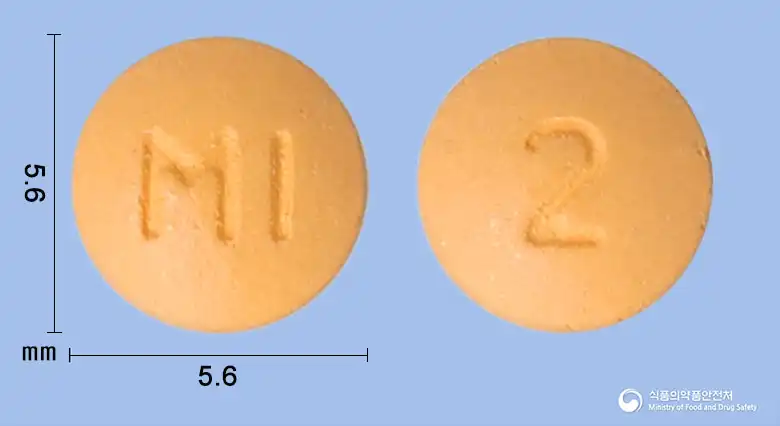
Perampanel(Micronized) 2mg
Tablet · Prescription medication
Myungjin Pharmaceutical Co., Ltd.
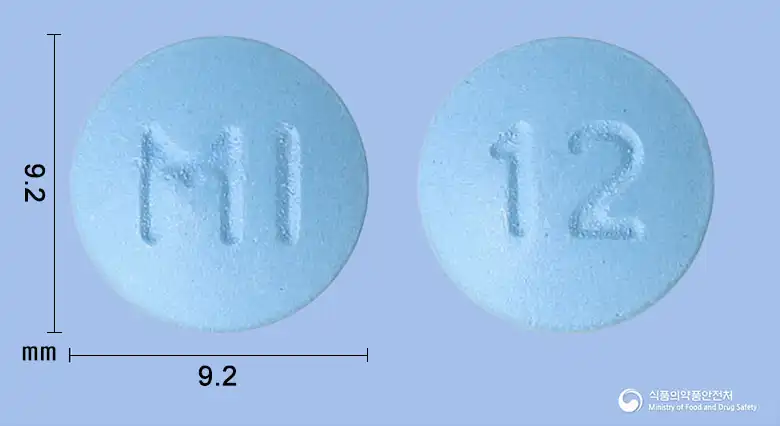
Perampanel(Micronized) 12mg
Tablet · Prescription medication
MyungIn Pharmaceutical Co., Ltd.
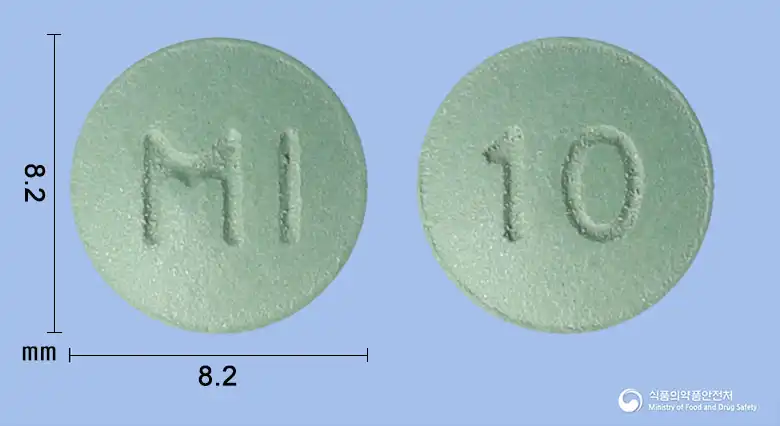
Perampanel(Micronized) 10mg
Tablet · Prescription medication
Myungin Pharmaceutical Co., Ltd.
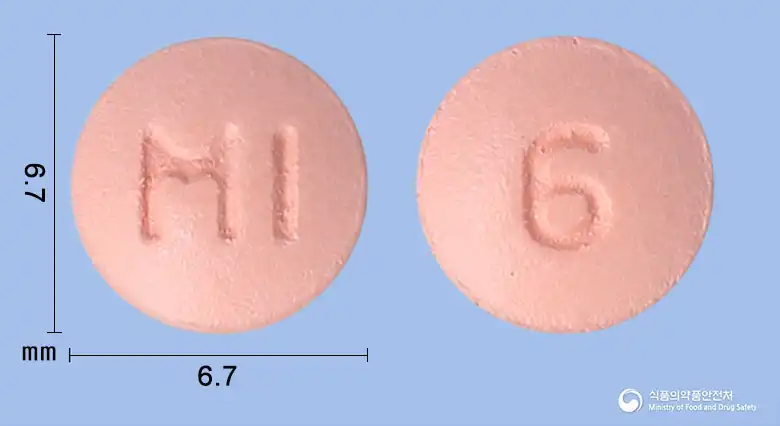
Perampanel(Micronized) 6mg
Tablet · Prescription medication
Myeongin Pharmaceutical Co., Ltd.
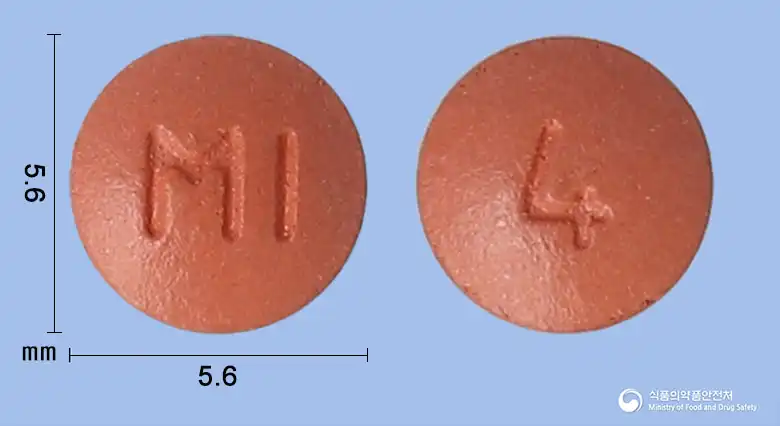
Perampanel(Micronized) 4mg
Tablet · Prescription medication
Myungjin Pharmaceutical Co., Ltd.
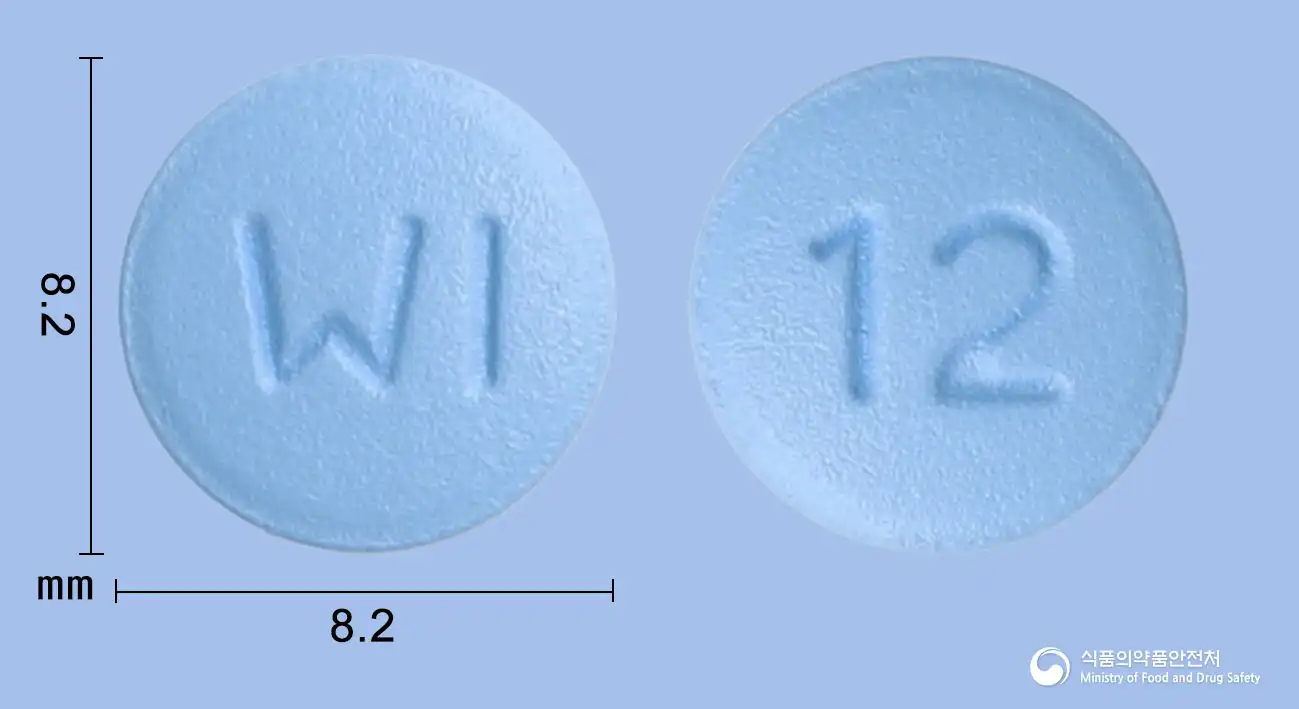
Perampanel(Micronized) 12mg
Tablet · Prescription medication
Hanin Pharmaceutical Co., Ltd.
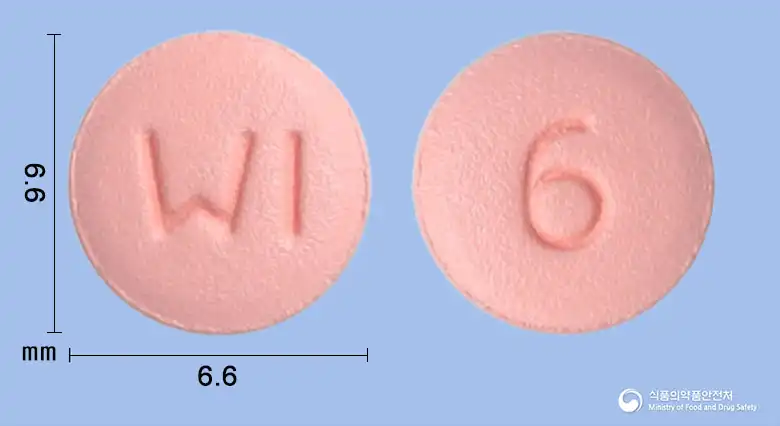
Perampanel(Micronized) 6mg
Tablet · Prescription medication
Hanil Pharmaceutical Co., Ltd.
Even with the same ingredient, the dose and directions can differ by strength and dosage form. Talk to a doctor or pharmacist before switching from a medication you are already taking.
No questions yet.
For anything that needs medical judgment, consult a doctor or pharmacist.
This drug information is based on data provided by the Korea Ministry of Food and Drug Safety.
Consult a doctor or pharmacist for accurate dosage, administration, and usage instructions.