Improvement of blood sugar control in type 2 diabetes
Who takes it
Adults
Adult dose
This medication is generally administered once daily with the evening meal, and the dosage is gradually adjusted to minimize gastrointestinal side effects related to metformin.
The 20/1000 mg extended-release tablet is taken once daily, with one tablet at a time.
Patients taking the 10/750 mg or 10/500 mg extended-release tablet should take it once daily, with two tablets at the same time.
For patients unable to achieve sufficient blood sugar control with metformin monotherapy, the initial dosage of this medication should provide teneligliptin 20 mg once daily along with the existing dosage of metformin. In patients transitioning from teneligliptin and metformin combination therapy to this medication, the dosage may begin at the existing doses of teneligliptin and metformin. When converting from immediate-release metformin to extended-release formulation, glycemic control should be closely monitored and dosage adjustments made appropriately. When used in combination with sulfonylureas, consideration may be given to reducing the sulfonylurea dose to minimize the risk of hypoglycemia. The maximum recommended daily dose is teneligliptin 20 mg and extended-release metformin 2000 mg. The safety and efficacy of this medication have not been specifically assessed in patients switching from other hypoglycemic agents. Changes in blood sugar control should be carefully monitored during treatment for type 2 diabetes. To maintain the extended-release characteristics, this medication should be swallowed whole and not divided, crushed, chewed, or broken.
Improvement of blood sugar control in type 2 diabetes
View approved original textHide original text
This medication helps in controlling blood sugar levels in patients with type 2 diabetes by utilizing teneligliptin and metformin together. It acts as a supplement to dietary and exercise therapy when blood sugar levels are not well regulated, improving blood sugar levels and aiding in diabetes management. Consistent use will be effective in controlling blood sugar and can help in preventing complications. This medication is used to improve blood sugar control in patients with type 2 diabetes.
How to take
Adult dose
This medication is generally administered once daily with the evening meal, and the dosage is gradually adjusted to minimize gastrointestinal side effects related to metformin.
The 20/1000 mg extended-release tablet is taken once daily, with one tablet at a time.
Patients taking the 10/750 mg or 10/500 mg extended-release tablet should take it once daily, with two tablets at the same time.
For patients unable to achieve sufficient blood sugar control with metformin monotherapy, the initial dosage of this medication should provide teneligliptin 20 mg once daily along with the existing dosage of metformin. In patients transitioning from teneligliptin and metformin combination therapy to this medication, the dosage may begin at the existing doses of teneligliptin and metformin. When converting from immediate-release metformin to extended-release formulation, glycemic control should be closely monitored and dosage adjustments made appropriately. When used in combination with sulfonylureas, consideration may be given to reducing the sulfonylurea dose to minimize the risk of hypoglycemia. The maximum recommended daily dose is teneligliptin 20 mg and extended-release metformin 2000 mg. The safety and efficacy of this medication have not been specifically assessed in patients switching from other hypoglycemic agents. Changes in blood sugar control should be carefully monitored during treatment for type 2 diabetes. To maintain the extended-release characteristics, this medication should be swallowed whole and not divided, crushed, chewed, or broken.
Precautions
This medication is used in the treatment of diabetes and acts to lower blood sugar levels.
However, it can rarely cause a serious metabolic complication known as lactic acidosis, which requires caution. The risk of lactic acidosis is higher in patients with impaired kidney function or who have poor heart, liver, or lung function.
Additionally, if taken in conjunction with insulin or sulfonylurea medications, symptoms of hypoglycemia may occur, so careful monitoring of blood sugar levels is necessary.
It is safer not to use this medication in patients with moderate to severe kidney impairment, heart failure, acute myocardial infarction, severe infections, or those scheduled for surgery.
Patients with a history of abdominal surgery or bowel obstruction, as well as those with heart problems such as prolonged QT interval, should also be prescribed this drug with caution.
Some patients have reported side effects such as constipation, abdominal pain, liver dysfunction, acute pancreatitis, skin rashes, etc., so immediate consultation with a physician is necessary if any abnormal symptoms occur.
Pregnant women, those who may become pregnant, and nursing mothers are recommended not to use this medication.
Elderly patients may experience decreased kidney function and should undergo regular kidney function tests and dosage adjustments.
Also, since the risk of lactic acidosis may increase if taken with alcohol, it is advisable to avoid alcohol consumption.
Patients need to exercise caution when performing tasks requiring concentration, such as driving or operating machinery, due to the risk of hypoglycemia.
Finally, it is important to regularly evaluate blood tests and kidney function tests for abnormalities while taking this medication.
Side effects and when to seek care immediately
Serious side effects
Hives, severe swelling, chest tightness, difficulty breathing, sweating, pallor, severe rash with high fever, blisters, skin peeling, oral/ocular mucosal pain, shortness of breath or difficulty breathing, asthma attacks, respiratory abnormalities accompanied by cough and fever, yellowing of the skin or eyes (jaundice), extreme lethargy, sudden severe headache, thunderclap headache, seizures, confusion, visual disturbances, paralysis, drastically reduced urine output
Mild side effects
Hypoglycemia
constipation
dizziness
abdominal distension
abdominal discomfort
nausea
abdominal pain
bloating
stomatitis
gastric polyp
Show 20 moreCollapse
colon polyp
duodenal ulcer
gastroesophageal reflux
diarrhea
loss of appetite
elevated amylase
elevated lipase
elevated AST (GOT)
elevated ALT (GPT)
elevated GGT
elevated ALP
proteinuria
ketonuria
occult hematuria
eczema
rash
itching
allergic dermatitis
arthralgia
elevated CK (CPK)
Not everyone experiences these, and they can vary from person to person.
Storage
This medication should be stored in a tightly sealed container to prevent air and moisture from entering, and it is safe to keep it at room temperature between 1°C and 30°C. This storage method helps maintain the effectiveness of the medication for a longer period.
Appearance and packaging
Appearance
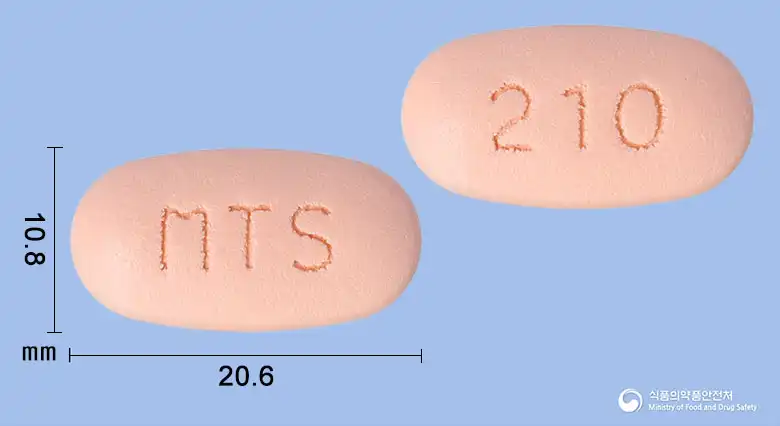
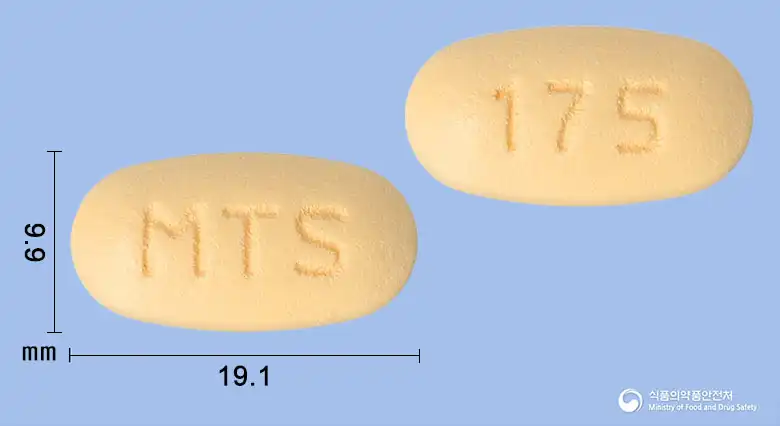
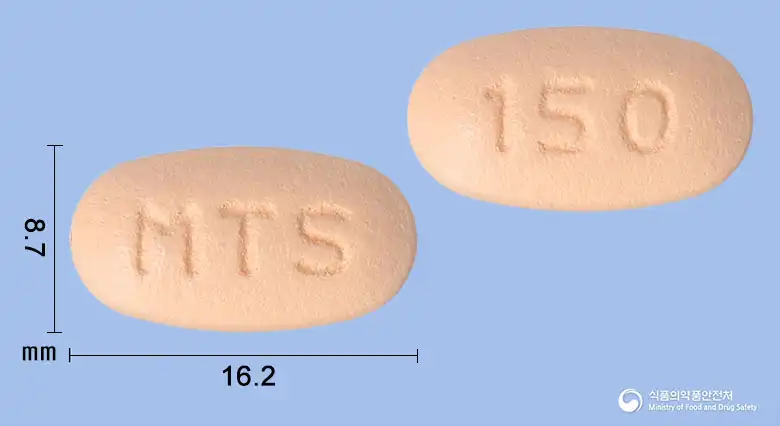
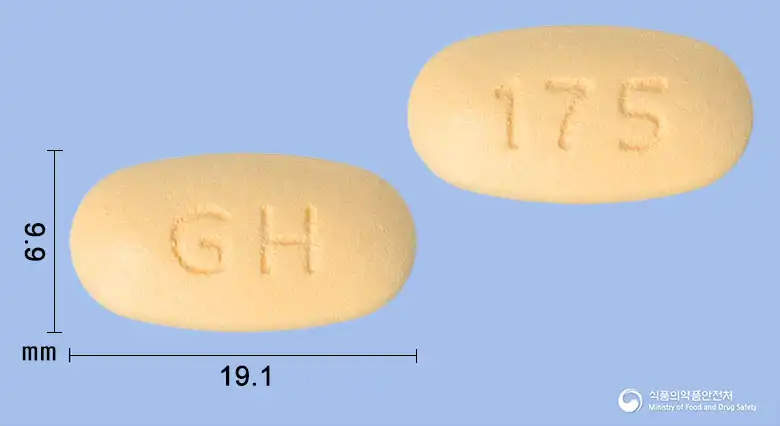
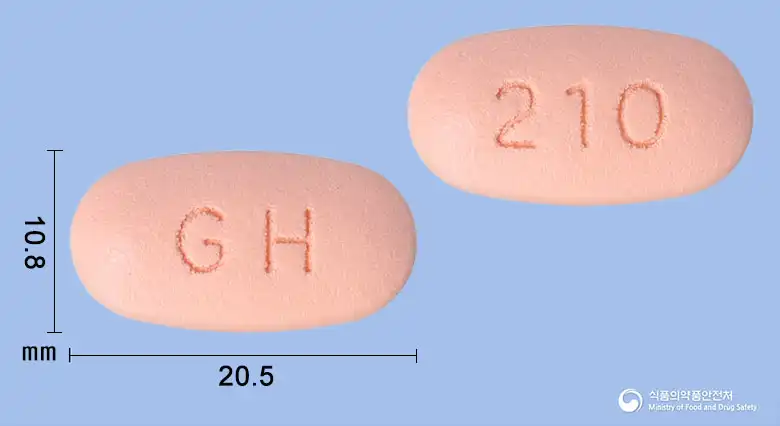
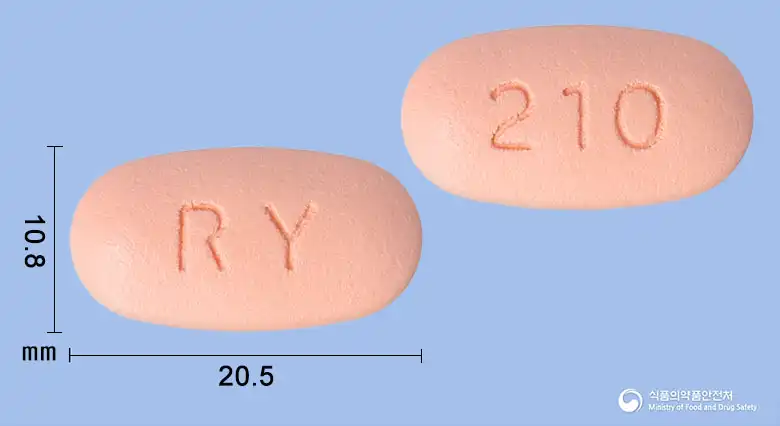
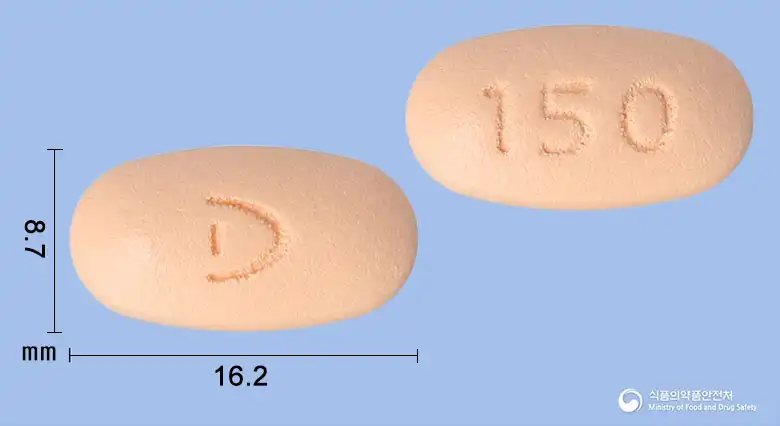
Orange oval extended-release film-coated tablet
Package unit
Bottle - 30 tablets/bottle
Same-ingredient medicines
Even with the same ingredient, strength, dosage form and how it is taken can differ.
Even with the same ingredient, the dose and directions can differ by strength and dosage form. Talk to a doctor or pharmacist before switching from a medication you are already taking.
Questions about this medicine
No questions yet.
For anything that needs medical judgment, consult a doctor or pharmacist.
This drug information is based on data provided by the Korea Ministry of Food and Drug Safety. Consult a doctor or pharmacist for accurate dosage, administration, and usage instructions.

 한국어
한국어 English
 日本語
日本語 中文(简体)
 Viewing nowCombination