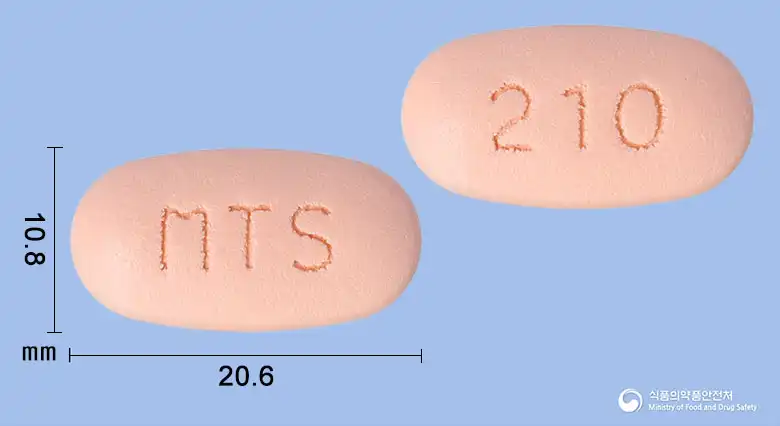
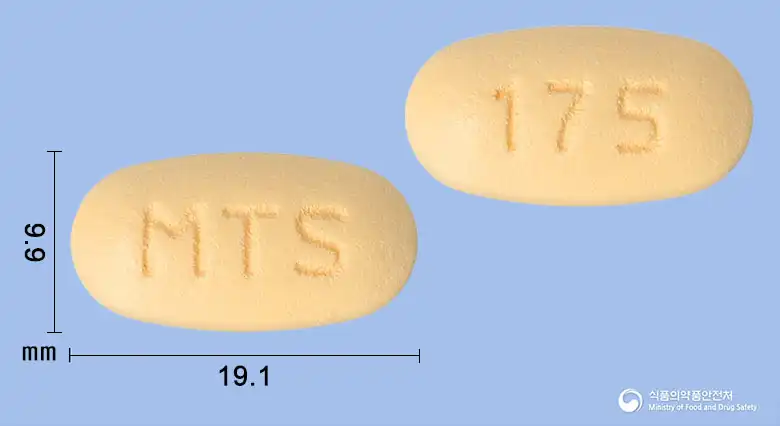
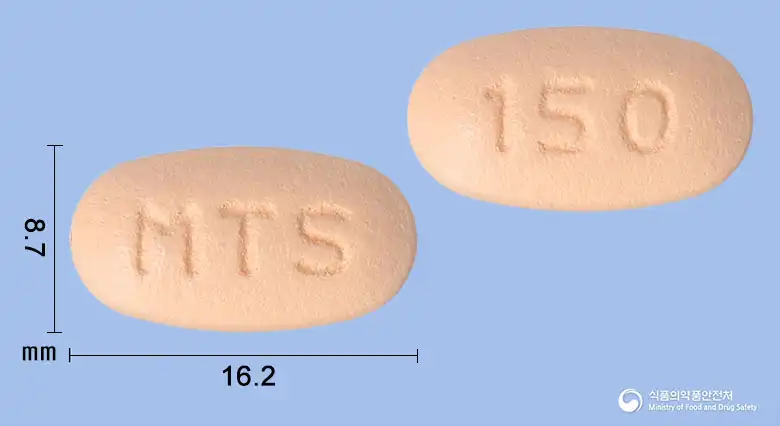
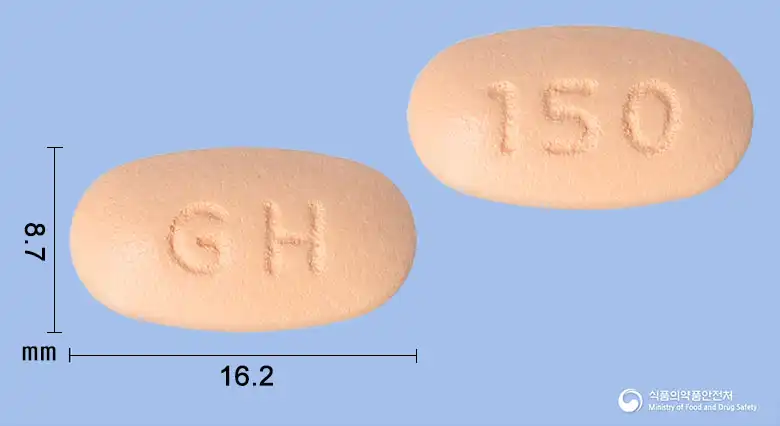
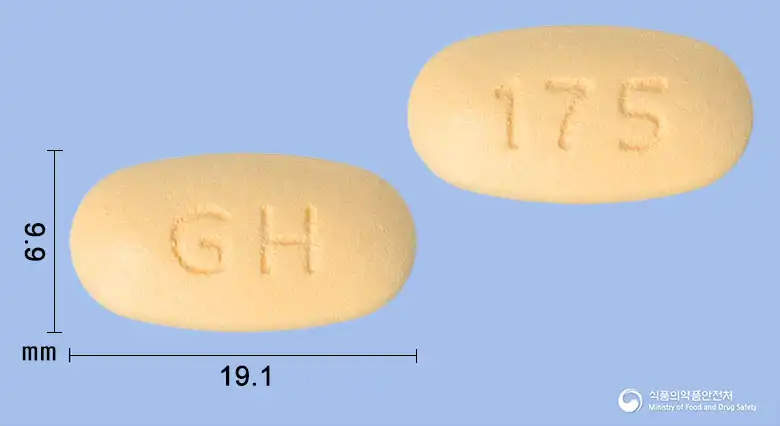
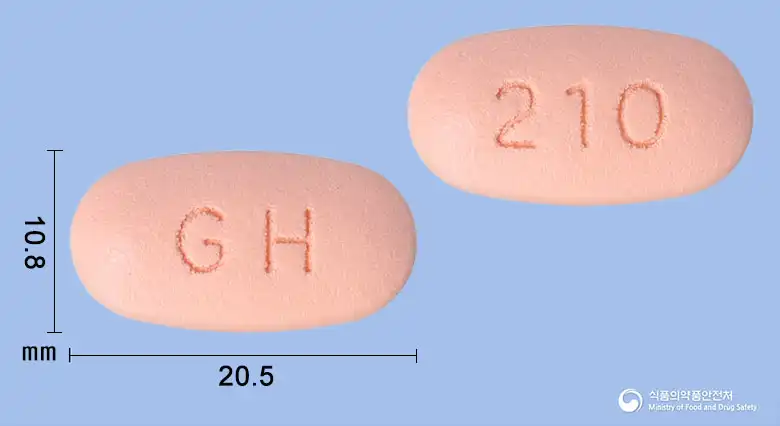
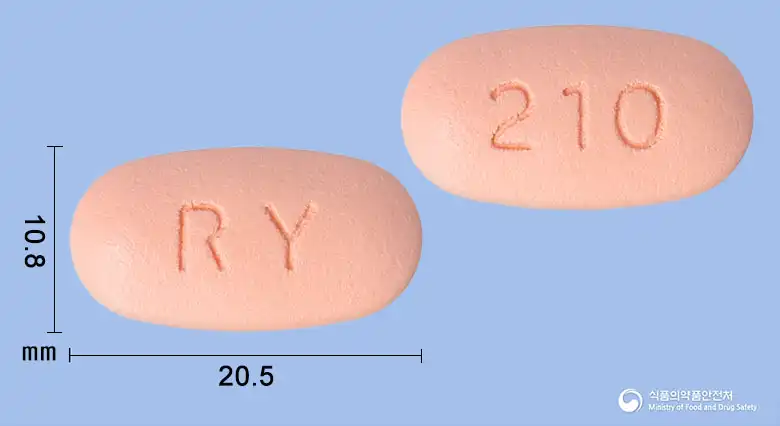
Improvement of blood sugar control in type 2 diabetes
Who takes it
Adults
Adult dose
This medication is generally administered once daily with the evening meal, with dosage adjusted gradually to reduce gastrointestinal side effects associated with Metformin.
The sustained-release formulation of this medication (20/1000 mg) is taken once a day as 1 tablet.
Patients taking the sustained-release formulations (10/750 mg or 10/500 mg) should take 2 tablets simultaneously once a day.
For patients who cannot achieve sufficient blood sugar control with Metformin monotherapy, the initial dose of this medication delivers Teneligliptin 20 mg once daily along with the existing prescribed dose of Metformin. In patients transitioning from a combination therapy of Teneligliptin and Metformin, the dose of this medication can be initiated from the existing doses of Teneligliptin and Metformin. When converting from immediate-release Metformin to sustained-release formulations, blood sugar control should be closely monitored, and dosage adjustments should be made appropriately. In cases of co-administration with sulfonylureas, dosage reduction of sulfonylureas may be considered to reduce the risk of hypoglycemia.
The maximum recommended dose is Teneligliptin 20 mg and sustained-release Metformin 2000 mg.
The safety and efficacy of this medication have not been specifically evaluated in patients transitioning from other hypoglycemic agents. Any changes during the treatment of type 2 diabetes must be made under careful monitoring, as they may lead to changes in blood sugar control.
To maintain its sustained-release properties, this medication should be swallowed whole and not divided, crushed, chewed, or broken.
Improvement of blood sugar control in type 2 diabetes
View approved original textHide original text
This medication is used to improve blood sugar control in patients with type 2 diabetes. By taking Teneligliptin and Metformin together, it enhances the effects of dietary and exercise therapies, helping patients manage their blood sugar more effectively. Thus, this medication plays a significant role in improving blood sugar control.
How to take
Adult dose
This medication is generally administered once daily with the evening meal, with dosage adjusted gradually to reduce gastrointestinal side effects associated with Metformin.
The sustained-release formulation of this medication (20/1000 mg) is taken once a day as 1 tablet.
Patients taking the sustained-release formulations (10/750 mg or 10/500 mg) should take 2 tablets simultaneously once a day.
For patients who cannot achieve sufficient blood sugar control with Metformin monotherapy, the initial dose of this medication delivers Teneligliptin 20 mg once daily along with the existing prescribed dose of Metformin. In patients transitioning from a combination therapy of Teneligliptin and Metformin, the dose of this medication can be initiated from the existing doses of Teneligliptin and Metformin. When converting from immediate-release Metformin to sustained-release formulations, blood sugar control should be closely monitored, and dosage adjustments should be made appropriately. In cases of co-administration with sulfonylureas, dosage reduction of sulfonylureas may be considered to reduce the risk of hypoglycemia.
The maximum recommended dose is Teneligliptin 20 mg and sustained-release Metformin 2000 mg.
The safety and efficacy of this medication have not been specifically evaluated in patients transitioning from other hypoglycemic agents. Any changes during the treatment of type 2 diabetes must be made under careful monitoring, as they may lead to changes in blood sugar control.
To maintain its sustained-release properties, this medication should be swallowed whole and not divided, crushed, chewed, or broken.
Precautions
This medication is primarily used for the treatment of diabetes and contains two active ingredients.
First, it should only be given to patients with normal kidney function and should not be used in patients with moderate to severe renal impairment.
Second, it should not be administered in cases where kidney function is rapidly deteriorating due to severe heart failure, acute myocardial infarction, sepsis, etc.
Third, this medication should be discontinued before examinations that use radiographic iodine contrast and should be resumed only after confirming normal kidney function post-examination.
Fourth, it is not to be used in patients with type 1 diabetes or those with metabolic acidosis such as lactic acidosis or diabetic ketoacidosis.
Fifth, it should not be administered to individuals with allergies to its ingredients.
Sixth, in patients with severe infections, serious trauma, preoperative or postoperative conditions, malnutrition, liver dysfunction, lung impairment, excessive alcohol intake, etc., the administration should be temporarily withheld or used cautiously.
Seventh, this medication may cause hypoglycemia, so caution is needed for hypoglycemic symptoms when used in conjunction with insulin or other hypoglycemic agents.
Eighth, if symptoms such as abdominal pain, vomiting, or constipation persist, there may be a risk of pancreatitis or gastrointestinal disorders, and consultation with a physician is advisable.
Ninth, it is generally recommended that pregnant women, women with potential for pregnancy, and nursing mothers do not use this medication.
Tenth, the elderly may have diminished kidney function, thus requiring regular monitoring of kidney function and possible dosage adjustment.
Lastly, during treatment with this medication, alcohol consumption should be avoided, and if symptoms of lactic acidosis or hypoglycemia (fatigue, muscle pain, difficulty breathing, weakness, abdominal pain, cold sweat, trembling, confusion, etc.) occur, a physician should be notified immediately.
Side effects and when to seek care immediately
Serious side effects
Urticaria, severe swelling (edema), chest tightness, difficulty breathing, cold sweat, paleness, severe rash with high fever, blisters, skin peeling, pain in the mucous membranes of the mouth/eyes, shortness of breath or difficulty breathing, asthma attacks, respiratory abnormalities accompanied by coughing and fever, yellowing of the skin or eyes (jaundice), extreme lethargy, sudden severe headache, thunderclap headache, seizures, confusion of consciousness, visual disturbances, paralysis, urination
Mild side effects
Hypoglycemia
constipation
dizziness
trembling
headache
weakness
hunger
fatigue
facial swelling
diarrhea
Show 26 moreCollapse
dyspepsia
nausea
itching
cold sweat
joint pain
upper abdominal pain
gastritis
viral upper respiratory infections
rhinitis
headache
dizziness
urticaria
vomiting
chronic gastritis
stomach ache
gastrointestinal motility disorders
weight gain
hypertension
increased blood sugar
cataracts
dizziness
insomnia
pressure ulcers
hearing loss
anemia
hypothyroidism
Not everyone experiences these, and they can vary from person to person.
Storage
This medication should be stored in a tightly sealed container to prevent air exposure, and it is best kept at room temperature between 1 to 30 degrees Celsius. Storing it this way helps maintain the medicine's efficacy.
Even with the same ingredient, the dose and directions can differ by strength and dosage form. Talk to a doctor or pharmacist before switching from a medication you are already taking.
Questions about this medicine
No questions yet.
For anything that needs medical judgment, consult a doctor or pharmacist.
This drug information is based on data provided by the Korea Ministry of Food and Drug Safety. Consult a doctor or pharmacist for accurate dosage, administration, and usage instructions.

 한국어
한국어 English
 日本語
日本語 中文(简体)
 Viewing nowCombination