
 한국어
한국어 English
 日本語
日本語 中文(简体)
 Viewing nowCombination
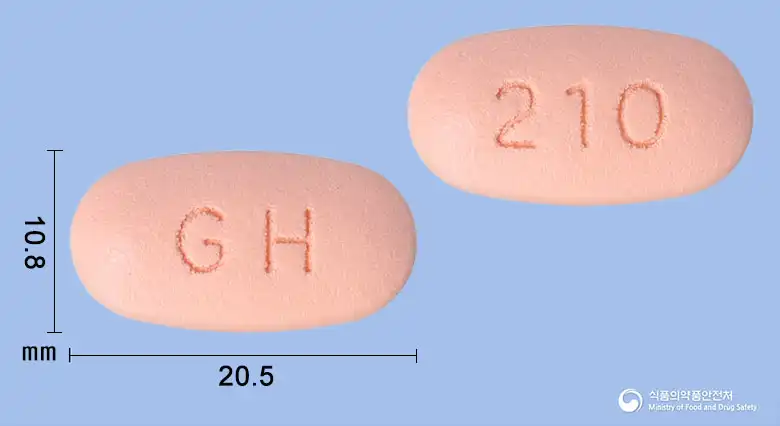
Teneglim TL Extended-Release Tablet 20/1000 mg
Teneligliptin Hydrochloride Hydrate 26mg · Metformin Hydrochloride 1000mg
Tablet · Prescription medication · Combination
Hanpung Pharmaceutical Co., Ltd.
MFDS item code 202201294 · Approved 2022.04.01 · Insurance code 658108350
Improvement of blood glucose control in type 2 diabetes
This medication helps blood glucose control in patients with type 2 diabetes by combining teneligliptin and metformin. It is effective for blood glucose management when taken alongside dietary and physical exercise regimens. In other words, this medication aids diabetes treatment by improving blood glucose levels.
This medication is generally administered once daily with the evening meal. The 20/1000 mg extended-release tablets are taken one tablet once daily. The 10/750 mg or 10/500 mg extended-release tablets are taken two tablets at the same time once daily. The initial dosage should be 20 mg of teneligliptin once daily along with the current metformin dosing. During the conversion to the extended-release formulation, blood glucose control should be closely monitored and dosage adjustments made as necessary.
This medication is used for the treatment of diabetes and contains the ingredient metformin. Care should be taken as there is a risk of a rare but serious side effect known as lactic acidosis when taking this medication. Lactic acidosis is a condition characterized by increased lactate levels in the blood and acidity, with symptoms including fatigue, muscle pain, difficulty breathing, weakness, and abdominal pain. If these symptoms occur, immediate consultation with a physician is necessary. Patients with poor kidney function, or those in severe conditions such as heart failure, acute myocardial infarction, or sepsis should not take this medication. Patients scheduled to undergo tests with radioiodine contrast agents should discontinue this medication at least 48 hours before starting the tests and resume after confirming normal kidney function post-testing. Women who are pregnant or may become pregnant should not take this medication. When taken with other diabetes medications, there may be a risk of hypoglycemic symptoms, so it is important to be well-informed about hypoglycemia and how to manage it, and dosages of other medications can be adjusted as needed. It is important to regularly monitor kidney function and blood tests, especially vitamin B12 levels, during treatment with this medication. Caution is advised when performing tasks that require concentration, such as driving or working at heights, as there may be risks due to symptoms of hypoglycemia or lactic acidosis. If any unusual symptoms occur, such as persistent abdominal pain, vomiting, or skin blisters, notify a doctor immediately. Alcohol consumption may increase the risk of side effects from this medication, so it is advisable to avoid drinking while taking it. Elderly patients may experience decreased kidney function, so dosage adjustments should be made according to a doctor's instruction and regular kidney function tests should be performed. Interactions with other medications may occur, so if currently taking other medications, it is essential to inform a doctor or pharmacist. The safety and effectiveness of this medication in children have not been established, so it should not be used in this population. In case of overdose, immediate medical attention should be sought and, if necessary, blood dialysis can be performed to remove the medication. Finally, it is recommended to keep this medication out of the reach of children and not to transfer it to another container.
Not everyone experiences these, and they can vary from person to person.
This medication should be stored in a tightly sealed container to prevent air exposure and should be kept at room temperature between 1 to 30 degrees Celsius. Proper storage will help maintain the medication's effectiveness.
Pink, oval shaped extended-release film-coated tablets
30 tablets/bottle
Even with the same ingredient, strength, dosage form and how it is taken can differ.
Viewing nowCombinationTeneligliptin Hydrochloride Hydrate 26mg · Metformin Hydrochloride 1000mg
Tablet · Prescription medication · Combination
Hanpung Pharmaceutical Co., Ltd.
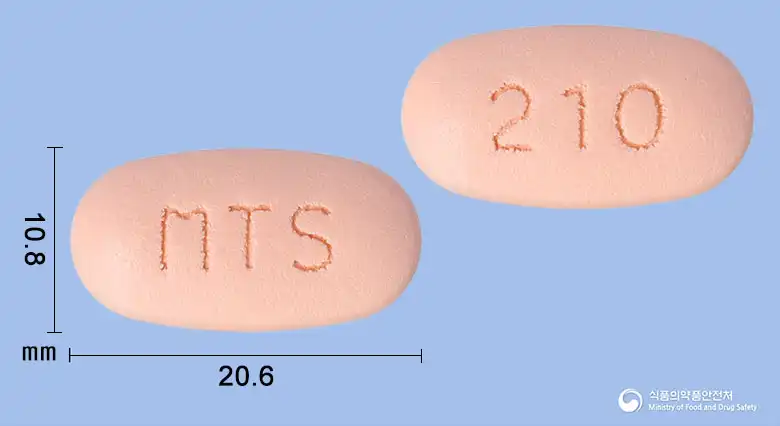 Combination
Teneligliptin Hydrochloride Hydrate 26mg · Metformin Hydrochloride 1000mg
Tablet · Prescription medication · Combination
Mothers Pharmaceutical Co., Ltd.
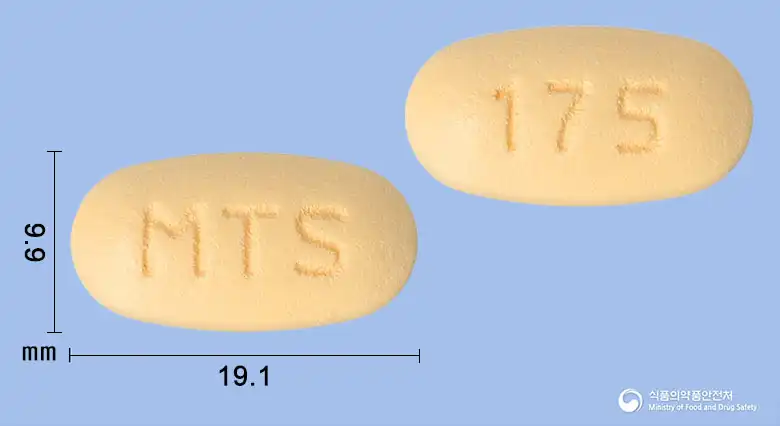 Combination
Teneligliptin Hydrochloride Hydrate 13mg · Metformin Hydrochloride 750mg
Tablet · Prescription medication · Combination
Mothers Pharmaceutical Co., Ltd.
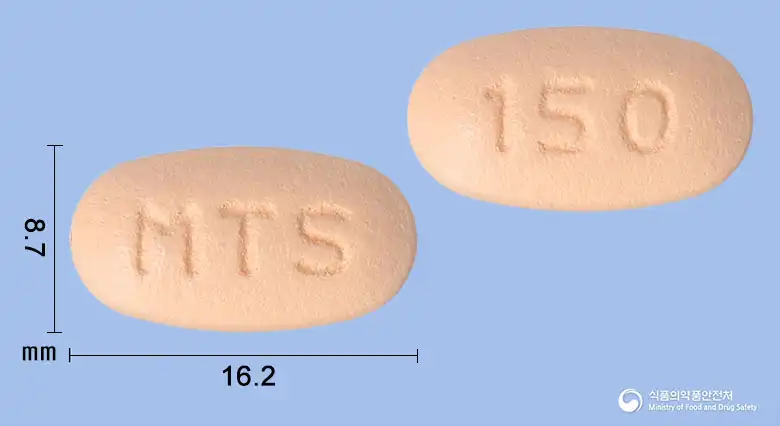 Combination
Teneligliptin Hydrochloride Hydrate 13mg · Metformin Hydrochloride 500mg
Tablet · Prescription medication · Combination
Mothers Pharmaceutical Co., Ltd.
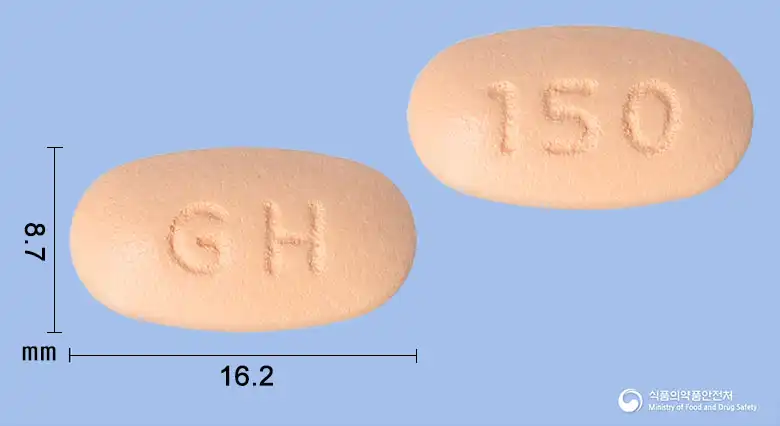 Combination
Teneligliptin Hydrochloride Hydrate 13mg · Metformin Hydrochloride 500mg
Tablet · Prescription medication · Combination
(Yoo) Hanpung Pharmaceutical Co., Ltd.
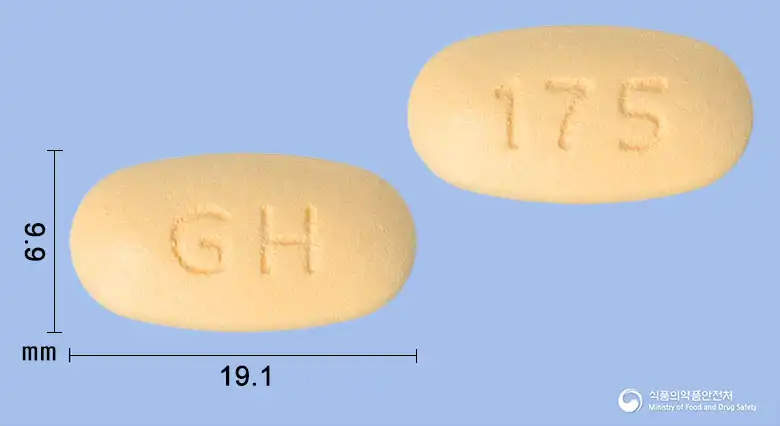 Combination
Teneligliptin Hydrochloride Hydrate 13mg · Metformin Hydrochloride 750mg
Tablet · Prescription medication · Combination
Hanpoong Pharmaceutical Co., Ltd.
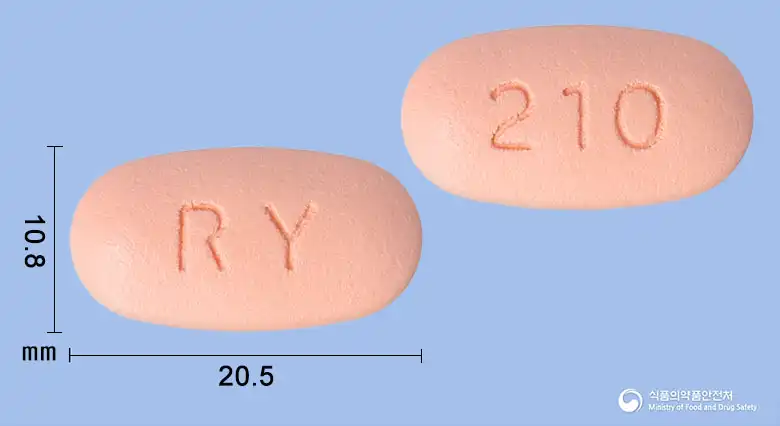 Combination
Teneligliptin Hydrochloride Hydrate 26mg · Metformin Hydrochloride 1000mg
Tablet · Prescription medication · Combination
Iyeon Pharmaceutical Co., Ltd.
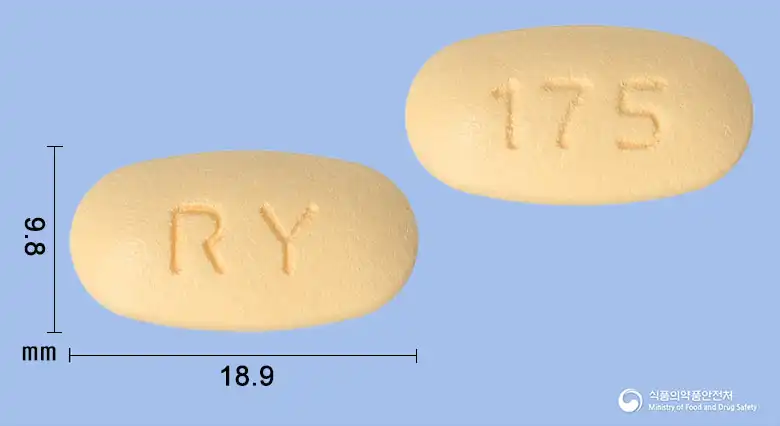 Combination
Teneligliptin Hydrochloride Hydrate 13mg · Metformin Hydrochloride 750mg
Tablet · Prescription medication · Combination
IYON Pharmaceuticals Co., Ltd.
Even with the same ingredient, the dose and directions can differ by strength and dosage form. Talk to a doctor or pharmacist before switching from a medication you are already taking.
No questions yet.
For anything that needs medical judgment, consult a doctor or pharmacist.
This drug information is based on data provided by the Korea Ministry of Food and Drug Safety.
Consult a doctor or pharmacist for accurate dosage, administration, and usage instructions.