
 한국어
 English
 日本語
 中文(简体)
 Viewing now
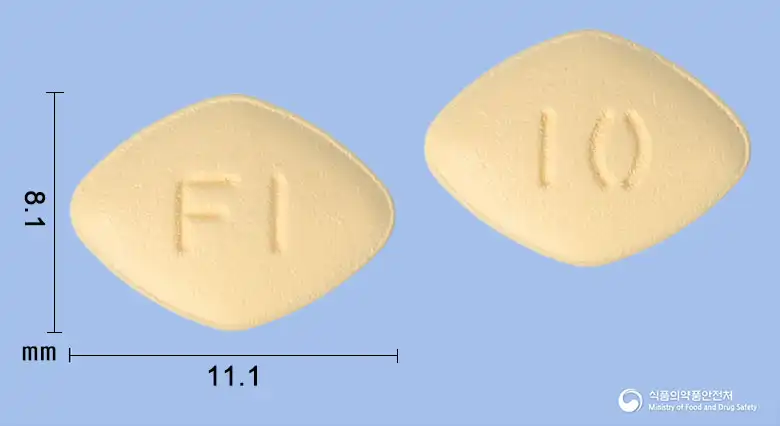
Poshuvet Tablet 10 mg (Dapagliflozin Propanediol Hydrate)
Dapagliflozin Propanediol Hydrate 12.3mg
Tablet · Prescription medication
Genewon Science Co., Ltd.
MFDS item code 202200946 · Approved 2022.03.04 · Insurance code 671707220
Treatment of type 2 diabetes mellitus, chronic heart failure, and chronic kidney disease
This medication is used together with diet and exercise therapy to help control blood sugar in patients with type 2 diabetes. It also helps reduce the occurrence of cardiovascular events in patients with cardiovascular disease risk or confirmed cases. In patients with chronic heart failure, it reduces the risk of death and hospitalization due to heart failure, and is administered in conjunction with other standard treatments. Finally, it is used to lower the decline in kidney function and reduce the risk of cardiovascular and kidney-related mortality in patients with chronic kidney disease. This drug plays an important role in improving the symptoms of multiple chronic diseases and preventing complications.
Type 2 diabetes mellitus Monotherapy and add-on combination therapy The recommended dose of this medicine is 10mg once daily for monotherapy and add-on combination therapy with other glucose-lowering agents, such as insulin. When this medicine is used in combination with insulin or an insulin secretagogue such as a sulfonylurea, a lower dose of insulin or the insulin secretagogue may be considered to reduce the risk of hypoglycemia. Initial combination therapy For patients who have not previously received drug treatment for diabetes, when administered in combination with metformin, the recommended initial dose of this medicine is 5mg once daily or 10mg once daily. Chronic heart failure and chronic kidney disease The recommended dose of this medicine is 10 mg once daily. Special populations Renal impairment - eGFR less than 45 mL/min/1.73m2: Use of this medicine to improve glycemic control is not recommended. - eGFR less than 25 mL/min/1.73m2: Initiation of this medicine is not recommended in patients with chronic heart failure and chronic kidney disease. - Patients receiving dialysis: Do not administer this medicine. Hepatic impairment No dose adjustment is necessary in patients with mild or moderate hepatic impairment. For patients with severe hepatic impairment, a starting dose of 5 mg is recommended. If well tolerated, this dose may be increased to 10mg. Elderly patients (≥ 65 years) Dose adjustment based on age is not recommended. Method of administration This medicine may be taken orally once daily at any time of day, with or without food. The tablet should be swallowed whole.
The efficacy and safety of dapagliflozin in children under 18 years of age have not been established. No relevant data are available.
This medication should not be used in patients who are allergic to the active ingredient or excipients. It should not be administered to patients with type 1 diabetes or diabetic ketoacidosis. It contains lactose anhydrous and should not be used in patients with genetically-related issues such as galactose intolerance, Lapp lactase deficiency, or glucose-galactose malabsorption. Patients undergoing dialysis should also avoid this medication. Caution should be exercised in patients with decreased fluid volume or impaired kidney function. Especially, symptomatic hypotension or abrupt changes in kidney function may occur, so fluid status and kidney function should be evaluated before administration and symptoms of hypotension and kidney function should be closely monitored during administration. This medication may have varying effects on blood sugar control depending on kidney function, and it is not recommended to be used for blood sugar control in cases of moderate to severe renal impairment. During treatment with this medication, side effects such as genital infections, urinary tract infections, hypoglycemia, reduced fluid volume, and diabetic ketoacidosis may occur. Genital infections are particularly common in women and may recur if there is a history of infections. This medication may lower blood pressure, so elderly patients or those on diuretics should be cautious of dehydration and hypotension. In rare cases, severe genital or perineal pain, swelling, redness may indicate a serious infection called Fournier's gangrene, which should be reported to healthcare professionals immediately. Women who are pregnant or planning to become pregnant should not use this medication, and nursing mothers should avoid taking it as well. This medication may increase the risk of hypoglycemia when used with insulin or sulfonylureas, so dose adjustment may be needed if used together. In case of overdose, there is no specific antidote, and appropriate treatment should be provided based on symptoms; it is not removed by dialysis. Lastly, the safety and efficacy of this medication in pediatric patients have not been established, hence it should not be used in this population. While taking this medication, avoid alcohol consumption, undergo regular blood sugar and kidney function tests, and consult with healthcare professionals if abnormal symptoms appear.
Vulvovaginitis, balanitis and related genital infections, urinary tract infections, fungal infections, perineal gangrene, hypoglycemia, decreased fluid volume, thirst, diabetic ketoacidosis, dizziness, constipation, dry mouth, back pain, dysuria, polyuria, nocturia, interstitial nephritis, vulvar itching, genital itching, elevated hematocrit, decreased renal creatinine clearance at the beginning of treatment, dyslipidemia, elevated serum creatinine at the beginning of treatment, elevated serum urea, weight loss, acute pyelonephritis, rash, angioedema, asthenia, pain, keratitis, chronic obstructive pulmonary disease, hemoptysis, cerebral hemorrhage, peripheral artery occlusion, angina pectoris, myocardial infarction, bile duct stones, cholangitis, alcoholic liver cirrhosis, depression, suicide attempt, gastric adenocarcinoma, anaphylactic reaction, chest pain, dyspepsia, nausea, diarrhea, vomiting, urinary retention, elevated alanine aminotransferase, elevated aspartate aminotransferase, decreased appetite, asthenia, headache, nasopharyngitis, upper respiratory tract infections, chest discomfort, peripheral edema, generalized edema, hunger, vaginal discharge, menstrual irregularities, itching, urticaria, sweating, arthralgia, musculoskeletal pain, limb pain, muscle weakness, myalgia, osteoarthritis, ligament sprain, diabetic retinopathy, cough, shortness of breath, orthostatic hypotension, palpitations, insomnia, fatty liver, gallbladder polyp, tinnitus
Not everyone experiences these, and they can vary from person to person.
This medication should be stored in a tightly closed container to avoid exposure to air or moisture, and it is recommended to keep it at room temperature between 1 to 30 degrees Celsius. This storage will help maintain the effectiveness of the medication and prevent deterioration.
Yellow, biconvex, diamond-shaped film-coated tablets
28 tablets (14 tablets/PTP×2)
Even with the same ingredient, strength, dosage form and how it is taken can differ.
Viewing nowDapagliflozin Propanediol Hydrate 12.3mg
Tablet · Prescription medication
Genewon Science Co., Ltd.
Dapagliflozin Propanediol Hydrate 6.15mg
Tablet · Prescription medication
AstraZeneca Korea Co., Ltd.
Dapagliflozin Propanediol Hydrate 12.3mg
Tablet · Prescription medication
AstraZeneca Korea Co., Ltd.
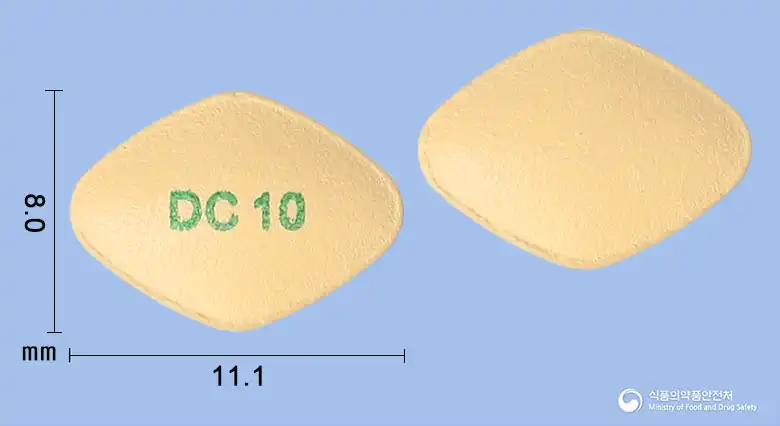
Dapagliflozin Propanediol Hydrate 12.3mg
Tablet · Prescription medication
Donggu Bio Pharmaceutical Co., Ltd.
Dapagliflozin Propanediol Hydrate 12.3mg
Tablet · Prescription medication
Il Sung IS Co., Ltd.
Dapagliflozin Propanediol Hydrate
Prescription medication
Optus Pharmaceutical Co., Ltd.
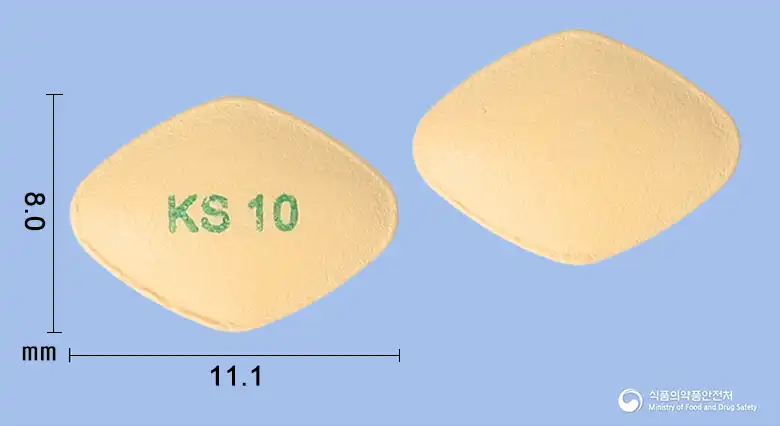
Dapagliflozin Propanediol Hydrate 12.3mg
Tablet · Prescription medication
Aprogen Biologics Co., Ltd.
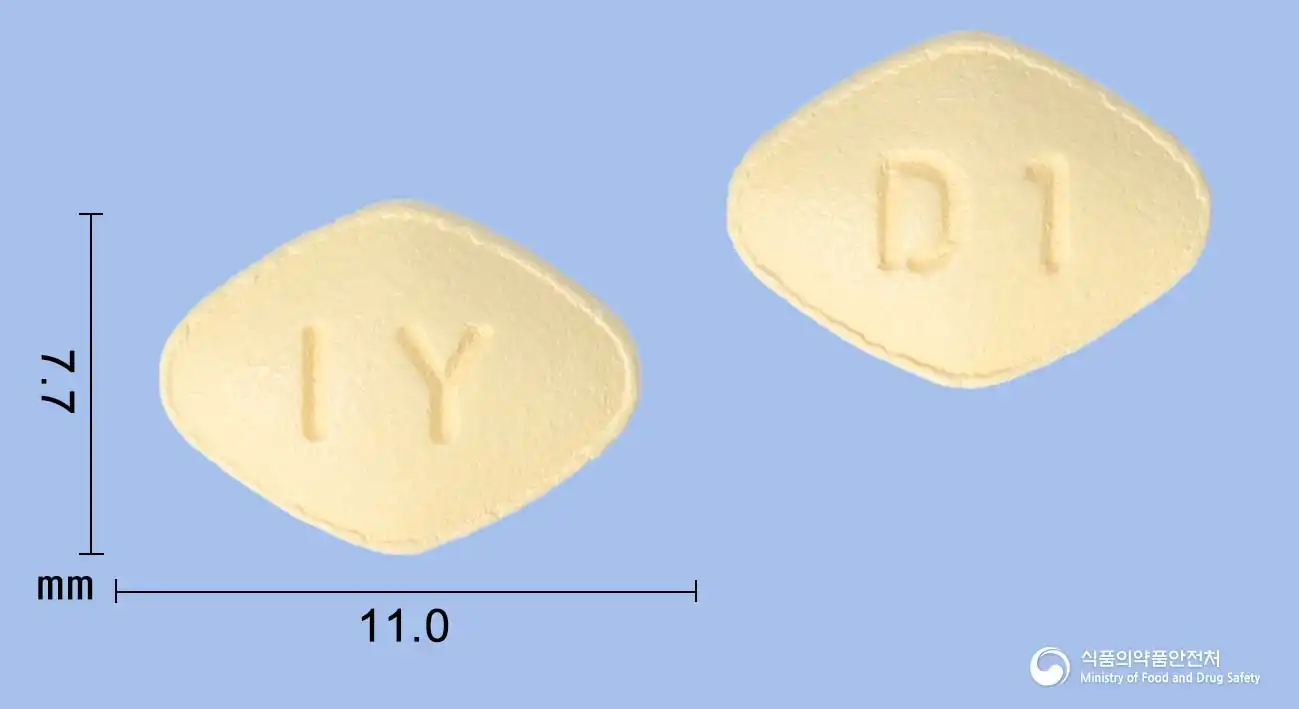
Dapagliflozin Propanediol Hydrate 12.3mg
Tablet · Prescription medication
Il Yang Pharmaceutical Co., Ltd.
Even with the same ingredient, the dose and directions can differ by strength and dosage form. Talk to a doctor or pharmacist before switching from a medication you are already taking.
No questions yet.
For anything that needs medical judgment, consult a doctor or pharmacist.
This drug information is based on data provided by the Korea Ministry of Food and Drug Safety.
Consult a doctor or pharmacist for accurate dosage, administration, and usage instructions.