
 한국어
 English
 日本語
 中文(简体)
 Viewing now
Unifenidone Tablet 400 mg (Pirfenidone)
Pirfenidone 400mg
Tablet · Prescription medication
Korea Union Pharmaceutical Co., Ltd.
MFDS item code 202200359 · Approved 2022.01.20 · Insurance code 665508430
Treatment of idiopathic pulmonary fibrosis
Idiopathic pulmonary fibrosis is a disease where lung tissue gradually thickens and hardens, making breathing difficult. This medication helps reduce lung tissue damage and alleviate inflammation, thereby slowing the decline in lung function. Continuous use can improve breathing difficulties and enhance quality of life. Therefore, it is used for the treatment of idiopathic pulmonary fibrosis.
∘ Adults: The initial dose of this drug is 200mg of pirfenidone per dose, administered orally 3 times daily after meals. Depending on the patient's response and tolerability, the dose may be increased by 200mg per dose at 2-week intervals, up to 600mg per dose (1800mg per day) 3 times daily. If gastrointestinal adverse reactions occur during treatment with this drug, closely monitor the patient's response and consider dose reduction or discontinuation. ∘ Patients with hepatic impairment No dose adjustment is required in patients with mild to moderate hepatic impairment (e.g., Child-Pugh A or B); however, this drug should be administered with caution because its plasma concentration may increase. Perform liver function tests regularly during treatment with this drug. If liver enzyme levels increase significantly, consider dose adjustment or discontinuation (see section 4, General Precautions, in Precautions for Use). This drug should not be administered to patients with severe hepatic impairment. ∘ Patients with renal impairment No dose adjustment is required in patients with mild to moderate renal impairment. This drug should not be administered to patients with severe renal impairment (creatinine clearance<30mL/min) or end-stage renal disease requiring dialysis. ∘ Elderly patients No dose adjustment is required for patients aged 65 years or older.
The safety and efficacy of this drug have not been established in pediatric and adolescent patients 18 years of age or younger.
This medication should not be used by individuals allergic to the active ingredient or any excipients. Patients with severe liver dysfunction or significantly impaired kidney function should also not take this medication. Additionally, it is dangerous to take this medication with fluvoxamine, a specific drug, so it should be avoided. Patients with mild liver impairment, weak kidney function, and the elderly should use this medication cautiously. This medication frequently causes increased sensitivity of the skin to sunlight, so it is advisable to avoid direct sunlight and use long clothing, hats, and sunscreen while taking it. If any adverse reactions such as skin rash or itching occur, it is important to notify a doctor immediately, and the medication dosage may need to be reduced or temporarily stopped if necessary. Regular liver function tests are required before and during treatment, as it can lead to elevated liver function test values. If liver function is significantly elevated, the medication should be discontinued or the dosage adjusted. Digestive symptoms such as loss of appetite, nausea, and diarrhea may occur, and if these symptoms are severe, consultation with a doctor should be considered to adjust the dose. Regular blood tests are necessary as the white blood cell count may decrease, and appropriate actions should be taken if abnormalities are found. Drowsiness, dizziness, and fatigue may occur while taking this medication, so it is safest to avoid driving or operating dangerous machinery. Weight loss may occur, so patients should closely monitor their weight during treatment and, if necessary, increase their nutritional intake. Severe allergic reactions or angioedema can occur, so if swelling of the face or lips or difficulty breathing occurs, the patient should immediately stop taking the medication and seek emergency treatment. Symptoms of hyponatremia, which is a decrease in blood sodium concentration, may occur, requiring regular testing if related symptoms appear. Rarely, life-threatening severe skin reactions may occur, so if severe rashes or blisters develop, the medication should be stopped immediately. This medication may alter the effects of drugs that inhibit or induce specific enzymes, so patients taking other medications should consult a doctor or pharmacist. Smoking may reduce the effectiveness of this medication, so it is advisable to refrain from smoking during treatment. Grapefruit juice can increase the blood concentration of this medication, so it is recommended to avoid grapefruit juice during treatment. It is advised that pregnant women or women who may become pregnant do not take this medication, and breastfeeding mothers should also avoid breastfeeding while taking this medication. The safety and efficacy of this medication have not been established in pediatric patients under 18 years of age. Elderly patients may have diminished body function, so their condition should be carefully monitored while taking this medication. In cases of overdose, the patient's condition needs to be closely monitored, and necessary treatment should be initiated, keeping the medication out of reach of children. This medication should be stored in its original container, and transferring it to another container may lead to accidents or degradation of quality.
Photosensitivity, loss of appetite, elevated γ-GTP, stomach discomfort, nausea, drowsiness, dizziness, unsteadiness, headache, heaviness in the head, taste disturbance, anxiety, insomnia, depression, diarrhea, heartburn, abdominal distension, vomiting, constipation, gastroesophageal reflux disease, stomatitis, abdominal discomfort, abdominal pain, papular rash, lip paresthesia, rash, itching, erythema, eczema, lichen planus, palpitations, leukocytosis, eosinophilia, thrombocytopenia, leukopenia, agranulocytosis, neutropenia, musculoskeletal pain, fatigue, weight loss, fever, burning sensation, elevated liver enzymes (γ-GTP, AST, ALT), elevated alkaline phosphatase, elevated LDH, elevated bilirubin, dyspepsia, difficulty breathing, cough, wet cough, facial flushing, Stevens-Johnson syndrome, toxic epidermal necrolysis, drug reaction with systemic symptoms and eosinophilia, myalgia, arthralgia, weakness, chest pain, decreased appetite, upper respiratory tract infection, urinary tract infection, drug-induced liver injury, angioedema, anaphylaxis, hyponatremia, pneumonia, sputum disease, hemoptysis, cold, pneumothorax, nasal discharge, systemic weakness, urticaria, facial edema, pleural effusion, sputum discoloration, rhinitis, sore throat, increased sputum, pulmonary edema, purulent sputum, postnasal drip, pleuritic pain, aspiration pneumonia, back pain, chills, chest discomfort, flu-like syndrome, death, flank pain, limb edema, hyperlipidemia, hypokalemia, thirst, hypernatremia, hyperkalemia, hyperglycemia, dyslipidemia, pigmentation disorder, exfoliative dermatitis, alopecia, sensory disturbance, cerebral hypoxia, trigeminal neuralgia, neuropathy, syncope, urinary difficulty, frequent urination, pulmonary hypertension, aortic aneurysm, peripheral cyanosis, cyanosis, clubbing, multiple fractures, joint dislocation, cataract, ocular abnormalities, anemia, sleep disturbances, pain due to medical device usage, pulmonary embolism, skin symptoms, dermatitis, skin pain, palmoplantar erythema and sensory disturbance syndrome, seborrheic dermatitis, skin discoloration, skin disorders, skin tenderness, skin lesions, skin reactions, decreased intake, pain, loss of taste, seizures, confusion, musculoskeletal discomfort, double vision, skin abrasion, herpes zoster, COVID-19, acute otitis media, polyps, peripheral edema, angina, unstable angina, vasculitis, dry mouth, memory impairment, hypersensitivity
Not everyone experiences these, and they can vary from person to person.
This medication should be stored in a tightly sealed container to protect it from air and moisture, and it is best to keep it at room temperature between 1°C and 30°C. Proper storage will help maintain the efficacy of the medication and ensure safe use.
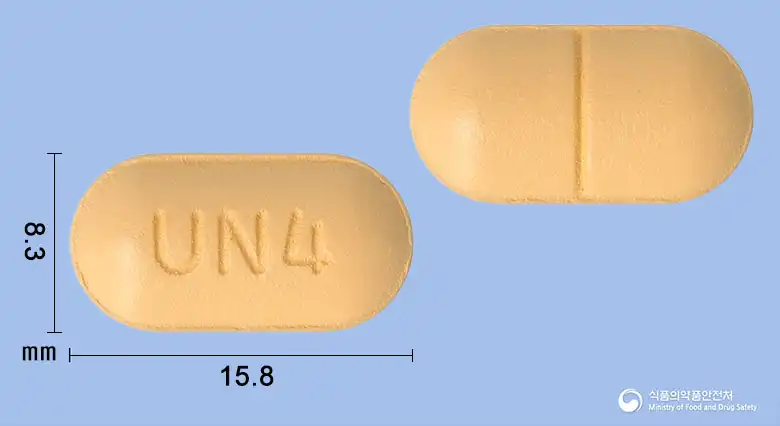
Light yellow to light brown oblong film-coated tablets
90 tablets/PTP [(10 tablets/PTP×9)]
Even with the same ingredient, strength, dosage form and how it is taken can differ.
Viewing nowPirfenidone 400mg
Tablet · Prescription medication
Korea Union Pharmaceutical Co., Ltd.
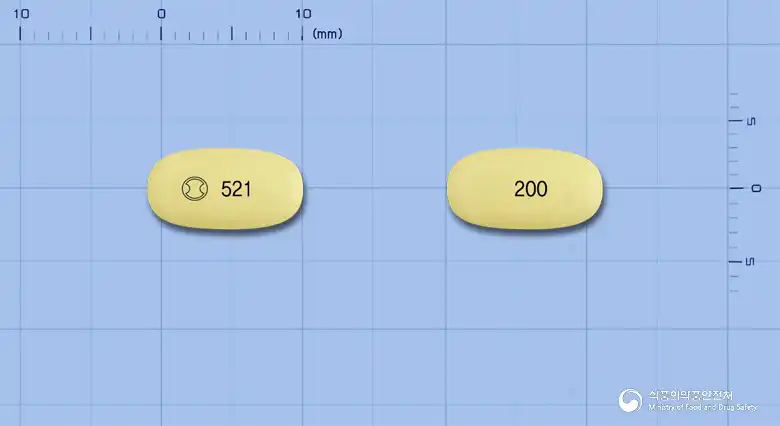
Pirfenidone 200mg
Tablet · Prescription medication
Ildong Pharmaceutical Co., Ltd.
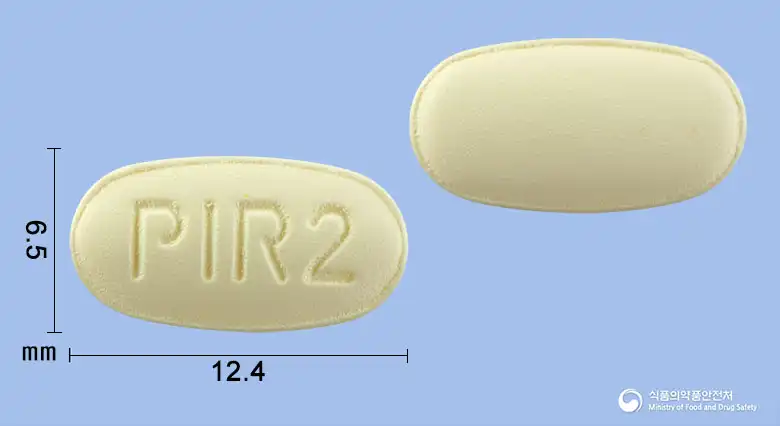
Pirfenidone 200mg
Tablet · Prescription medication
Youngjin Pharmaceutical Co., Ltd.
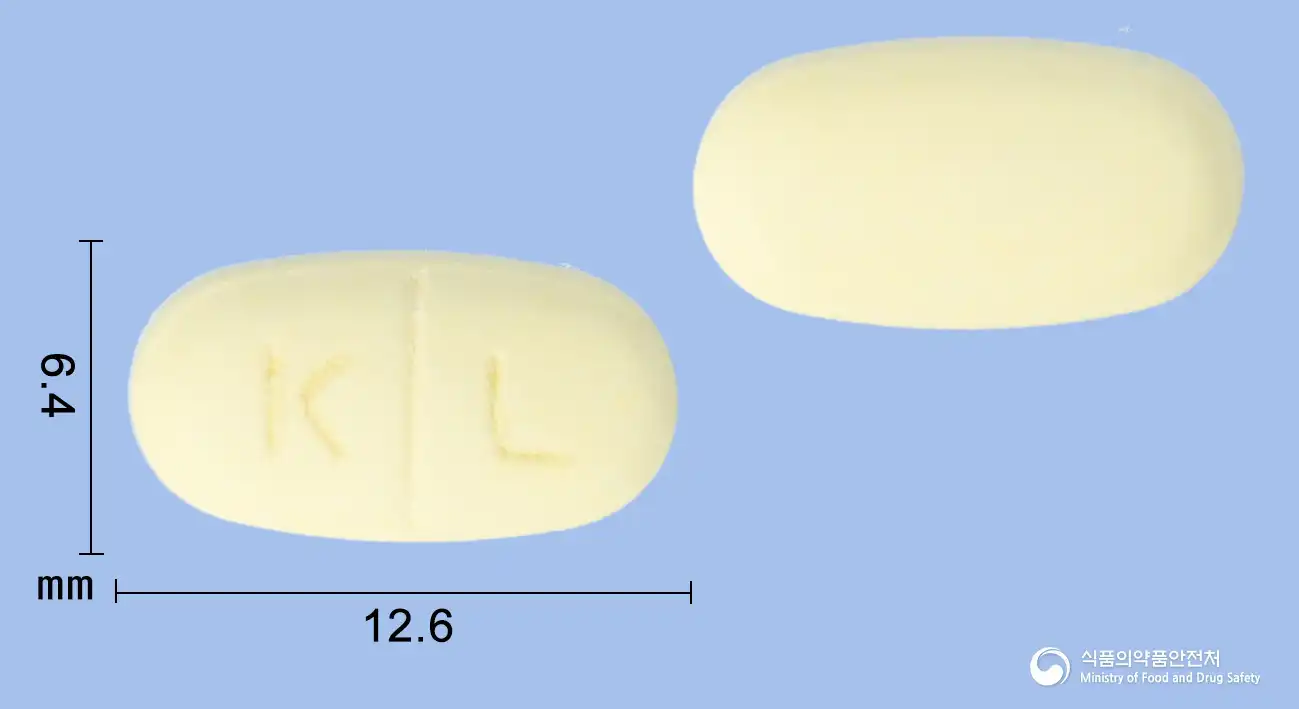
Pirfenidone 200mg
Tablet · Prescription medication
Kolon Pharmaceutical Co., Ltd.
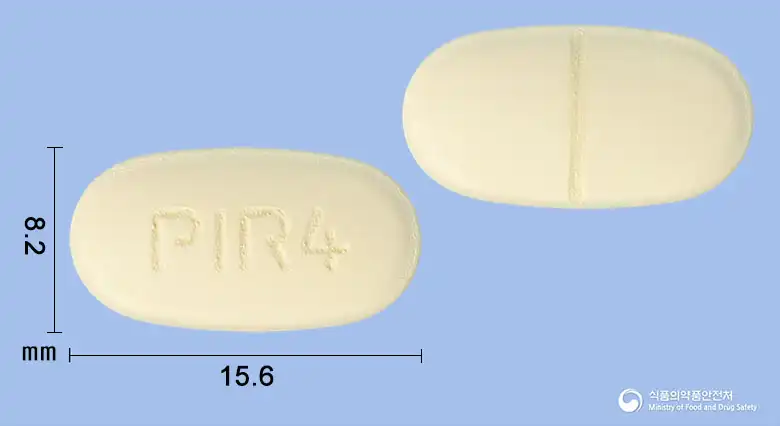
Pirfenidone 400mg
Tablet · Prescription medication
Youngjin Pharm. Co., Ltd.
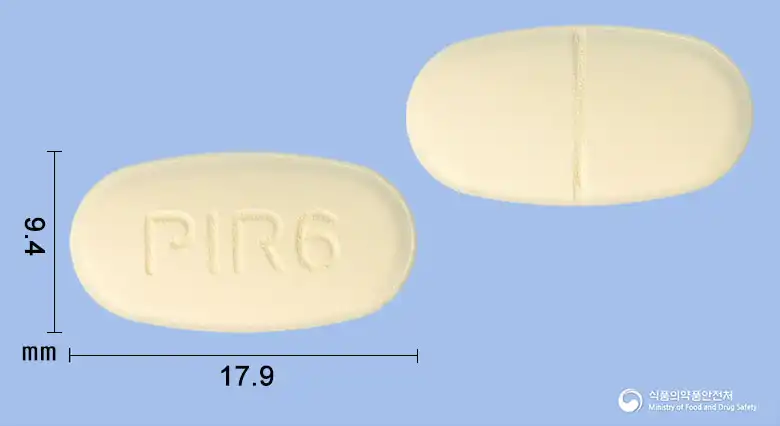
Pirfenidone 600mg
Tablet · Prescription medication
Youngjin Pharmaceutical Co., Ltd.
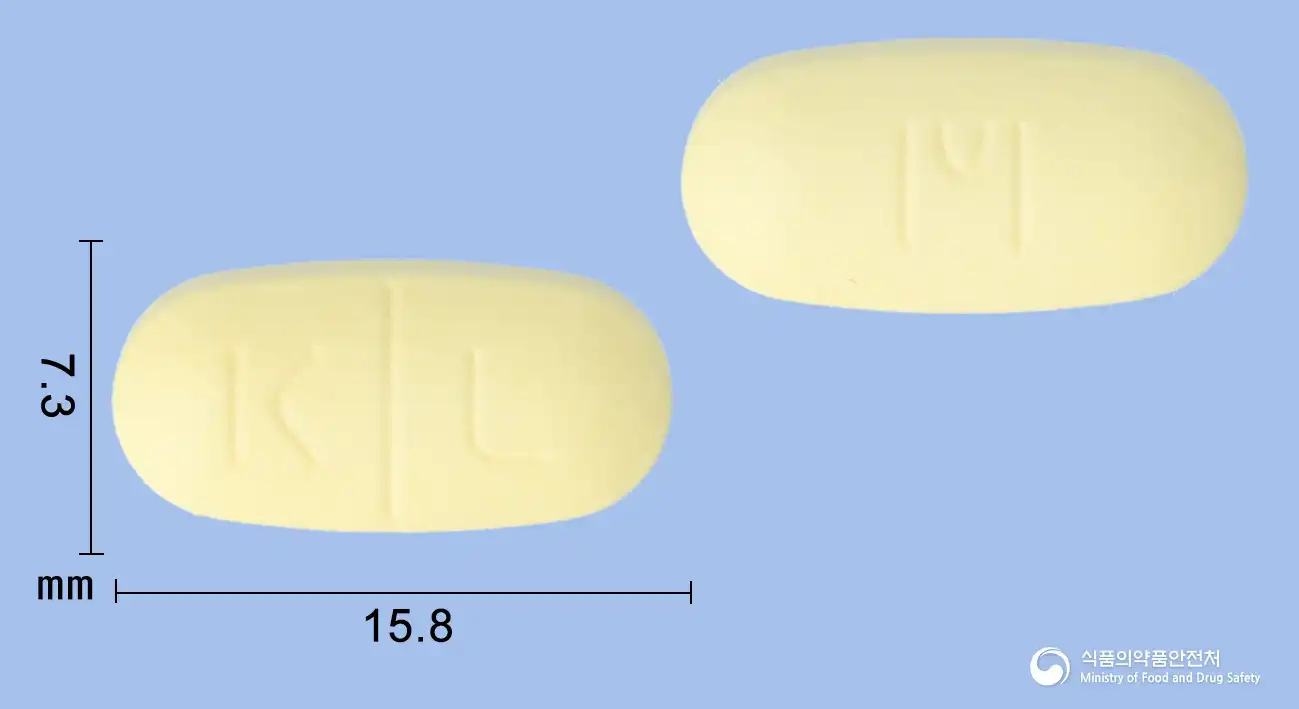
Pirfenidone 400mg
Tablet · Prescription medication
Kolon Pharmaceutical Co., Ltd.
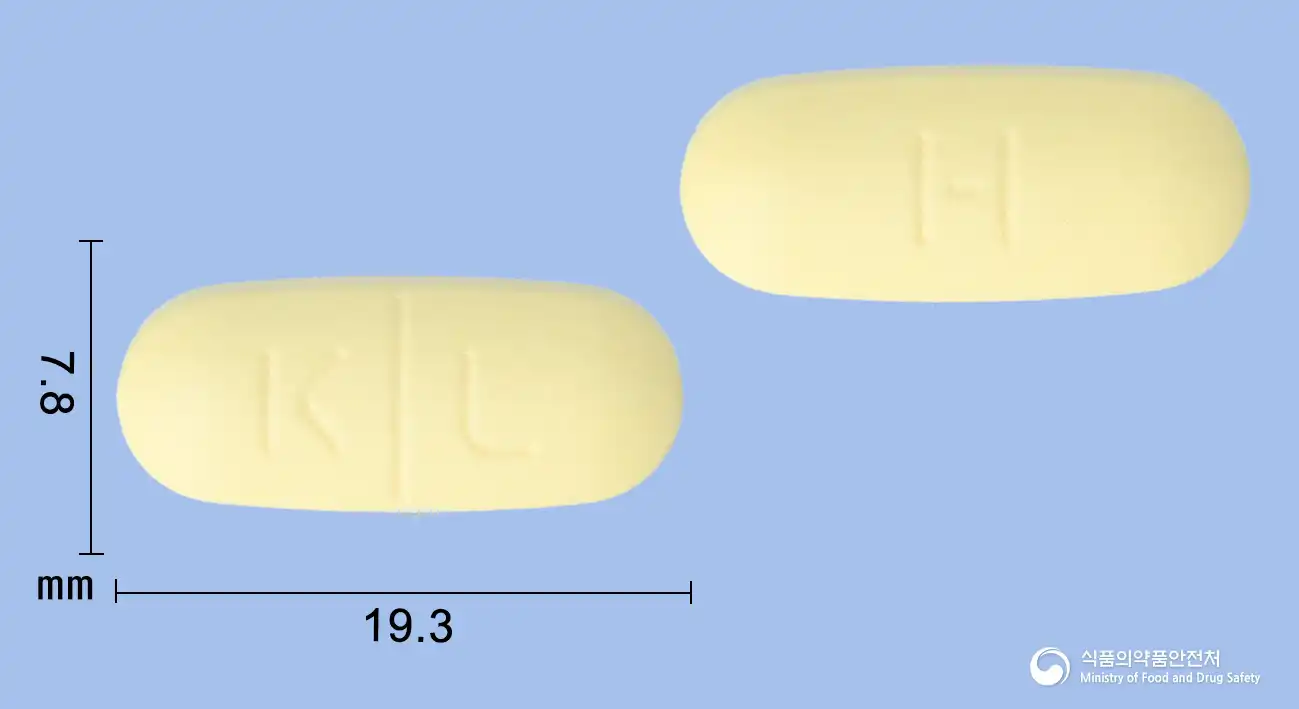
Pirfenidone 600mg
Tablet · Prescription medication
Kowon Pharm. Co., Ltd.
Even with the same ingredient, the dose and directions can differ by strength and dosage form. Talk to a doctor or pharmacist before switching from a medication you are already taking.
No questions yet.
For anything that needs medical judgment, consult a doctor or pharmacist.
This drug information is based on data provided by the Korea Ministry of Food and Drug Safety.
Consult a doctor or pharmacist for accurate dosage, administration, and usage instructions.