
 한국어
 English
 日本語
 中文(简体)
 Viewing now
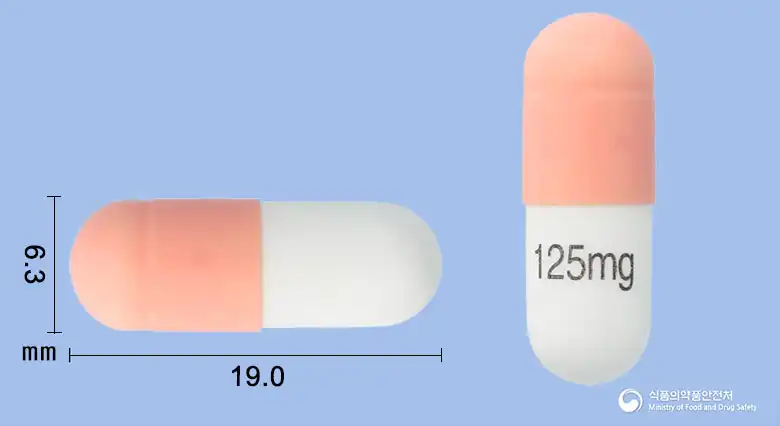
Aprepitant Capsule 125mg (Aprepitant)
Aprepitant 125mg
Hard capsule · Prescription medication
ACE Pharma Co., Ltd.
MFDS item code 202200038 · Approved 2022.01.04 · Insurance code 052500040
Prevention of nausea and vomiting caused by anticancer chemotherapy
This medicine is used to prevent nausea and vomiting caused by anticancer chemotherapy. It is particularly helpful in preventing acute and delayed nausea and vomiting during initial and repeated treatment with highly emetogenic anticancer agents (e.g., high-dose cisplatin) or moderately emetogenic anticancer agents. However, this drug is not suitable for the treatment of chronic nausea and vomiting, and long-term use is not recommended. It can be used in combination with other antiemetics to enhance efficacy. This drug is primarily used to reduce unpleasant symptoms during cancer treatment and improve the patient's quality of life.
1. Prevention of chemotherapy-induced nausea and vomiting (CINV) This medication is administered for 3 days in combination with a corticosteroid and a 5-HT3 antagonist. Recommended dosage: On Day 1, administer this medication 125 mg orally 1 hour before chemotherapy; on Days 2 and 3, administer this medication 80 mg orally once daily in the morning. This medication may be administered with or without food. In clinical trials for the prevention of nausea and vomiting caused by highly emetogenic chemotherapy, this medication was administered as follows: Day 1: This medication* 125 mg orally; Dexamethasone** 12 mg orally; Ondansetron+ See below+ Day 2: This medication* 80 mg orally; Dexamethasone** 8 mg orally; Ondansetron+ Not applicable Day 3: This medication* 80 mg orally; Dexamethasone** 8 mg orally; Ondansetron+ Not applicable Day 4: This medication* Not applicable; Dexamethasone** 8 mg orally; Ondansetron+ Not applicable * Administered orally 1 hour before chemotherapy on Day 1, and in the morning on Days 2 and 3. ** Administered 30 minutes before chemotherapy on Day 1, and in the morning on Days 2 through 4. The dose was adjusted to account for drug interactions. + Refer to the prescribing information for the 5-HT3 antagonist for the appropriate dosage and administration. In the clinical trial, ondansetron was administered at 32 mg IV 30 minutes before chemotherapy on Day 1. However, this dose (32 mg) is no longer the recommended dose of ondansetron. In clinical trials for the prevention of nausea and vomiting caused by moderately emetogenic chemotherapy, this medication was administered as follows: Day 1: This medication* 125 mg orally; Dexamethasone** 12 mg orally; Ondansetron+ 2 x 8 mg orally Day 2: This medication* 80 mg orally; Dexamethasone** Not applicable; Ondansetron+ Not applicable Day 3: This medication* 80 mg orally; Dexamethasone** Not applicable; Ondansetron+ Not applicable * Administered orally 1 hour before chemotherapy on Day 1, and in the morning on Days 2 and 3. ** Administered 30 minutes before chemotherapy on Day 1. The dose was adjusted to account for drug interactions. + The first dose was administered 30 to 60 minutes before chemotherapy on Day 1, and the second dose was administered 8 hours later. When administered with this medication, the corticosteroid dose should be adjusted to account for drug interactions (see Precautions for Use, 4. Interactions). The prescribing information for the antiemetic administered with this medication should be consulted. No dose adjustment is necessary for elderly patients, patients with renal impairment, or patients with end-stage renal disease (ESRD) requiring hemodialysis. No dose adjustment is necessary for patients with mild to moderate hepatic impairment (Child-Pugh score 5~9). There are no clinical data for patients with severe hepatic impairment (Child-Pugh score >9).
This drug has an inhibitory effect on a specific enzyme, CYP3A4, which can lead to increased blood levels of other medications broken down by this enzyme when taken together. Therefore, caution is necessary when combining this drug with specific medications as it may be risky. It should not be used in case of hypersensitivity to its components. Various side effects such as vomiting, headache, dizziness, constipation, diarrhea may occur during the use of this drug, and if any abnormal symptoms appear, please inform your healthcare provider. Especially in patients with impaired liver or kidney function, or elderly patients, it should be used with extra caution. If you are pregnant or breastfeeding, you must consult a doctor before taking this medicine, and it is recommended to discontinue breastfeeding while taking this drug. Long-term use of this drug is not recommended, and due to potential interactions with other medications, you should inform your healthcare provider about all medications you are taking. Additionally, during the use of this drug, the effectiveness of hormonal contraceptives may decrease, so it is safe to use additional contraception methods. In case of overdose, stop taking the drug immediately and follow the instructions of your healthcare provider, as this drug is not removed by dialysis and requires special monitoring. Finally, this drug may rarely cause serious allergic reactions or skin reactions, so if symptoms such as rash, itching, or difficulty breathing occur, visit a hospital immediately.
Not everyone experiences these, and they can vary from person to person.
This drug may be sensitive to air or moisture, so it must be stored in a tightly sealed container. The recommended storage temperature is at room temperature between 1 to 30 degrees Celsius.
A pink hard capsule with white to off-white granules inside.
1 capsule/PTP - 1 capsule/PTP
Even with the same ingredient, strength, dosage form and how it is taken can differ.
Viewing nowAprepitant 125mg
Hard capsule · Prescription medication
ACE Pharma Co., Ltd.
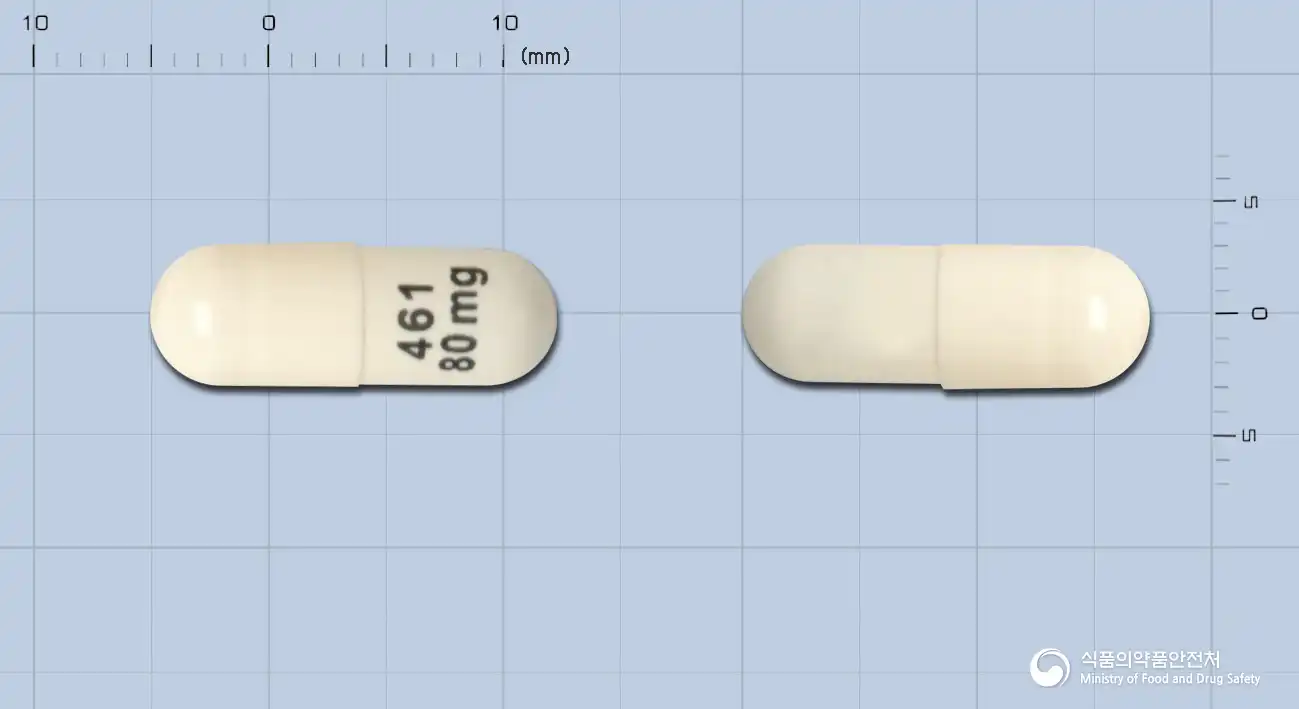
Aprepitant 80mg
Prescription medication
Korea MSD Co., Ltd.
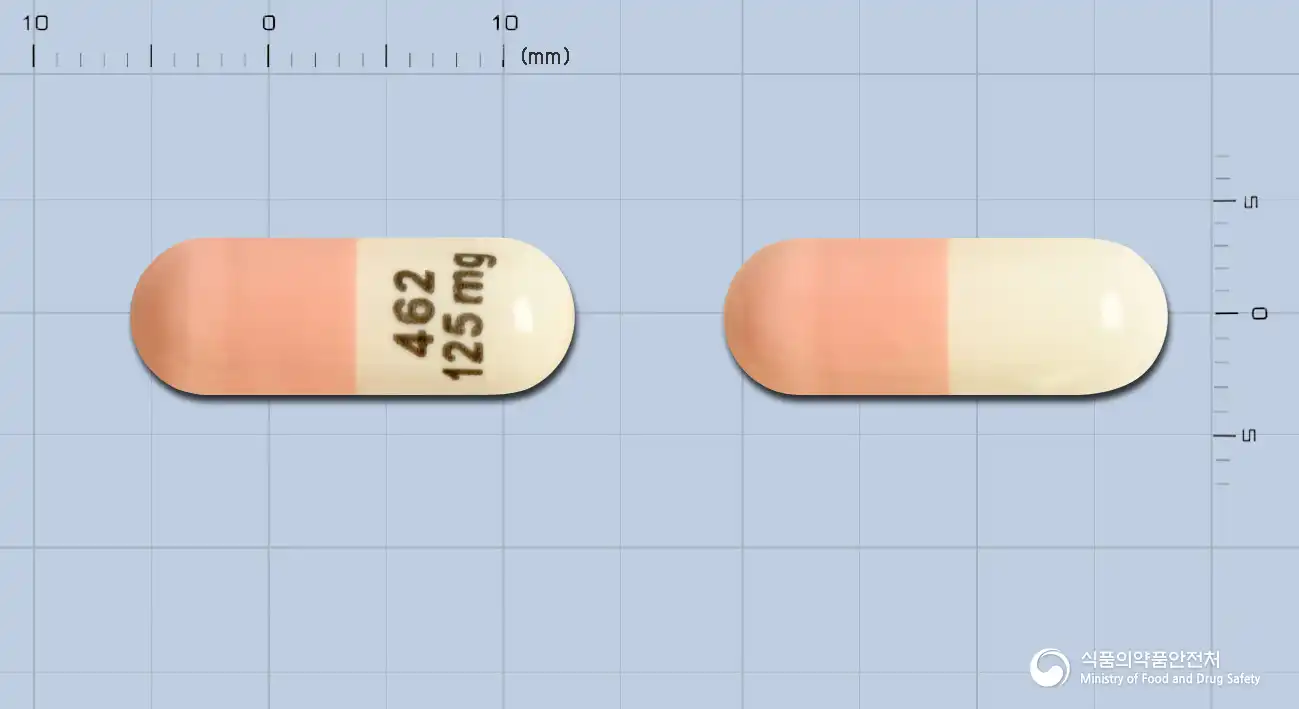
Aprepitant 125mg
Prescription medication
Korea MSD Co., Ltd.
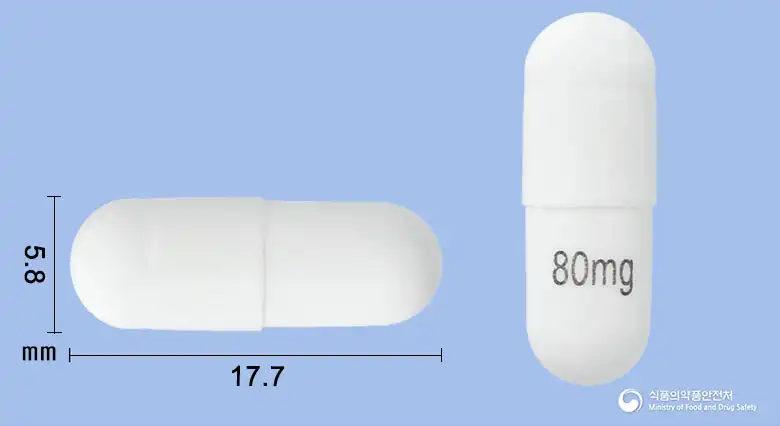
Aprepitant 80mg
Hard capsule · Prescription medication
Ace Pharma Co., Ltd.
Even with the same ingredient, the dose and directions can differ by strength and dosage form. Talk to a doctor or pharmacist before switching from a medication you are already taking.
No questions yet.
For anything that needs medical judgment, consult a doctor or pharmacist.
This drug information is based on data provided by the Korea Ministry of Food and Drug Safety.
Consult a doctor or pharmacist for accurate dosage, administration, and usage instructions.