
 한국어
 English
 日本語
 中文(简体)
Dosage form image
Viewing nowRivaroxaban Tablet 2.5 mg (Rivaroxaban)
Rivaroxaban Micronized 2.5mg
Tablet · Prescription medication
Medix Pharmaceutical Co., Ltd.
MFDS item code 202107969 · Approved 2021.12.15
This product's status changed to Approval withdrawn on 2025.10.28. It may no longer be sold, so consult a doctor or pharmacist before taking it.
Prevention of atherothrombotic events in acute coronary syndrome, coronary artery disease, and peripheral artery disease
This medication effectively reduces the risk of thrombotic events, such as mortality due to cardiovascular abnormalities like myocardial infarction and stroke, when used in combination with aspirin in patients with acute coronary syndrome or those at high risk of ischemic events due to coronary artery disease and peripheral artery disease. In other words, it helps prevent the recurrence of acute cardiovascular events and improves cardiovascular health.
This medicine may be administered with or without food. 1. Adults 1) Reduction in the incidence of atherothrombotic events (death due to cardiovascular causes, myocardial infarction) in patients who have experienced acute coronary syndrome accompanied by elevated cardiac biomarkers, when administered in combination with aspirin or aspirin and clopidogrel The recommended dose of this medicine is 2.5mg twice daily. Patients should take aspirin 75-100mg once daily, or aspirin 75-100mg once daily and clopidogrel 75mg, together with this medicine. Treatment for at least 24 months is recommended. Because the risk of cardiovascular symptoms persists in patients who have experienced acute coronary syndrome, extending the treatment duration may be beneficial. Treatment with this medicine 2.5mg should be initiated as soon as possible after the acute coronary syndrome event has stabilized (including revascularization). Treatment may be initiated as early as 24 hours after hospitalization, once parenteral anticoagulant therapy has been appropriately discontinued. 2) Coronary artery disease (CAD) or peripheral artery disease (PAD) The recommended dose of this medicine is 2.5mg twice daily, and aspirin 75-100mg once daily should be taken together with this medicine. The duration of treatment with this medicine should be determined by regularly assessing each patient's condition and considering the risk of bleeding versus the risk of thrombotic events. During treatment with this medicine, for patients who experience an acute thrombotic event or undergo a vascular procedure, and for patients who require dual antiplatelet therapy, whether to continue treatment with this medicine at 2.5mg twice daily should be assessed according to the antiplatelet therapy and the type of thrombotic event or vascular procedure. The efficacy and safety of concomitant administration of this medicine with aspirin and clopidogrel have been studied only in patients with acute coronary syndrome. Concomitant administration of this medicine with dual antiplatelet therapy has not been studied in patients with coronary artery disease or peripheral artery disease. 3) If you forget to take this medicine If you forget to take this medicine, continue taking the recommended dose of 2.5mg at the next scheduled dosing time. Do not take twice the recommended daily dose to make up for a missed dose. 2. Switching medications 1) Switching from a vitamin K antagonist to this medicine After taking this medicine, the INR value will be falsely elevated regardless of the dose. INR is not appropriate for measuring the anticoagulant activity of this medicine and should not be used for this purpose. 2) Switching from this medicine to a vitamin K antagonist Inadequate anticoagulation may occur while switching from this medicine to a vitamin K antagonist. Adequate anticoagulation should be maintained continuously while switching to another anticoagulant. Note that this medicine may affect INR elevation. Patients switching from this medicine to a vitamin K antagonist should receive the vitamin K antagonist concomitantly until INR≥2.0. For the first 2 days after switching, administer the standard dose of the vitamin K antagonist, and thereafter administer the dose of the vitamin K antagonist according to INR test results. However, in patients receiving this medicine together with a vitamin K antagonist, INR should not be tested until 24 hours have elapsed after taking this medicine. Once this medicine is discontinued, INR may be tested after 24 hours have elapsed since the last dose. 3) Switching from a parenteral anticoagulant to this medicine For patients receiving a parenteral anticoagulant, initiate this medicine 0~2 hours before the next scheduled dose of the parenteral agent (e.g., low-molecular-weight heparin), or when discontinuing a continuously administered parenteral agent (e.g., intravenous unfractionated heparin). 4) Switching from this medicine to a parenteral anticoagulant Discontinue this medicine and initiate the parenteral anticoagulant at the time of the next scheduled dose of this medicine. 3. Patients with renal impairment No dose adjustment is necessary in patients with mild renal impairment with a creatinine clearance of 50-80 mL/min. Administration of this medicine is not recommended in patients with severe renal impairment with a creatinine clearance of less than 15 mL/min, as there is no clinical experience in these patients. 1) Reduction in the incidence of atherothrombotic events (death due to cardiovascular causes, myocardial infarction) in patients who have experienced acute coronary syndrome accompanied by elevated cardiac biomarkers, when administered in combination with aspirin or aspirin and clopidogrel No dose adjustment is necessary in patients with moderate renal impairment (creatinine clearance 30-49 mL/min). Limited clinical experience in patients with severe renal impairment (creatinine clearance 15-29 mL/min) has shown a significant increase in the blood concentration of this medicine; therefore, this medicine should be administered with caution. 4. Patients with hepatic impairment Avoid administration of this medicine in patients with liver disease associated with coagulopathy and in patients with moderate (Child Pugh B) or severe (Child Pugh C) hepatic impairment. Increased exposure to this medicine and an increased risk of bleeding may occur in these patients. 5. For patients who are unable to swallow tablets, this medicine may be crushed immediately before use, mixed with a liquid such as water or applesauce, and administered orally. This medicine may also be crushed and administered with a small amount of water through an enteral tube. Before administering this medicine through an enteral tube, confirm that the tube is correctly positioned, and flush the tube with water after administration.
This drug is an anticoagulant that prevents excessive blood clotting and thrombus formation. Monitoring for signs of bleeding is essential during treatment, and extra caution is needed if there is a high risk of bleeding. In case of severe bleeding, the medication should be stopped immediately, and physician guidance should be followed. It should not be administered to patients with certain conditions or diseases, such as those with bleeding disorders, severely impaired liver function, pregnant or nursing women, or those with lactose intolerance. Patients with a high risk of gastrointestinal ulcers, intracranial hemorrhage, vascular anomalies, or a history of recent surgery or trauma should also avoid using this medication. Caution is needed when using with other anticoagulants or certain antifungals, as the risk of bleeding may increase significantly. Patients with impaired renal function or other conditions that increase bleeding risk should use this medication carefully, with thorough evaluations of bleeding risks and treatment efficacy. This medication may lead to various side effects such as bleeding, anemia, skin rash, liver dysfunction, and allergic reactions; if unusual symptoms occur, medical consultation should be sought promptly. Older adults or patients with high bleeding risk should be more vigilant regarding bleeding symptoms during treatment. Pregnant and breastfeeding women should not use this medication, and women of childbearing potential must ensure contraception while on treatment. This drug can interact with certain medications, so it is crucial to inform healthcare providers about any other medications being taken. Prior to surgery or invasive procedures, the medication should be discontinued for a specified duration, and the timing for re-initiation should be determined considering the bleeding risk. In cases of overdose, the risk of bleeding increases, so strict adherence to dosage is necessary; any unusual symptoms must be reported immediately to healthcare providers. Caution is advised while driving or operating machinery, as drowsiness or dizziness may occur.
Hemorrhage, anemia, thrombocytosis, tachycardia, ocular hemorrhage, gingival bleeding, gastrointestinal hemorrhage, abdominal pain, dyspepsia, nausea, constipation, diarrhea, vomiting, dry mouth, fever, peripheral edema, generalized weakness and energy reduction, discomfort, localized edema, liver dysfunction, jaundice, allergic reactions, allergic dermatitis, post-treatment bleeding, bruising, wound discharge, vascular pseudoaneurysm, transaminase elevation, increased serum bilirubin, increased alkaline phosphatase, elevated LDH, increased lipase, increased amylase, elevated transaminases, increased bilirubin conjugate, limb pain, hemorrhagic arthropathy, muscle bleeding, dizziness, headache, intracranial and cerebral hemorrhage, syncope, urogenital bleeding, renal impairment, nasal bleeding, hemoptysis, itching, rash, petechial hemorrhages, skin and subcutaneous bleeding, urticaria, hypotension, hematoma, angioedema, allergic edema, anaphylactic shock, bile duct obstruction, hepatitis, thrombocytopenia, agranulocytosis, Stevens-Johnson syndrome, toxic epidermal necrolysis, eosinophilia, drug reactions with systemic symptoms, eosinophilic pneumonia, anticoagulant-related renal disease, significant uterine hemorrhage, deep vein thrombosis, arthralgia, unspecified hemorrhage, postoperative hematoma, hemorrhagic duodenal ulcer, bloody stools, melena, myocardial infarction, facial flushing, congestive heart failure, urinary tract infection, membranous colitis, asthma, pulmonary edema, pleural effusion, influenza-like syndrome, drug hypersensitivity
Not everyone experiences these, and they can vary from person to person.
This medication may be sensitive to air or moisture, so it must be stored in a tightly closed container. Additionally, it is best stored at room temperature between 1°C to 30°C. It is safe to avoid excessively hot or cold locations.
Bright yellow round film-coated tablet
30 tablets/box [10 tablets/PTP packaging X 3]
Even with the same ingredient, strength, dosage form and how it is taken can differ.
Rivaroxaban Micronized 2.5mg
Tablet · Prescription medication
Medix Pharmaceutical Co., Ltd.
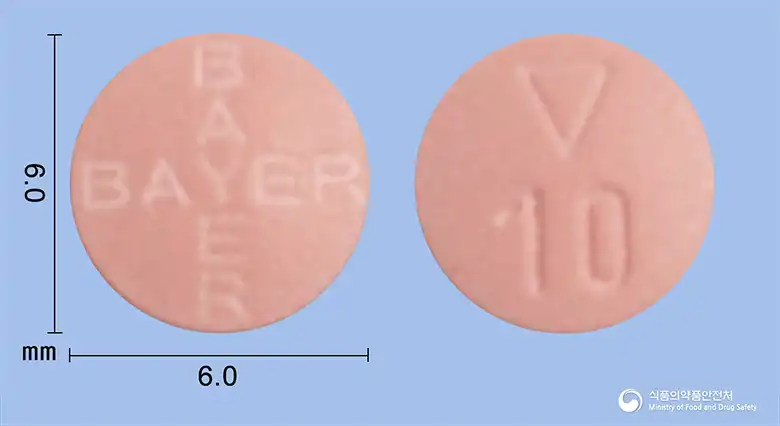
Rivaroxaban Micronized 10mg
Tablet · Prescription medication
Bayer Korea Co., Ltd.

Rivaroxaban Micronized 15mg
Tablet · Prescription medication
Bayer Korea Co., Ltd.

Rivaroxaban Micronized 20mg
Tablet · Prescription medication
Bayer Korea Co., Ltd.
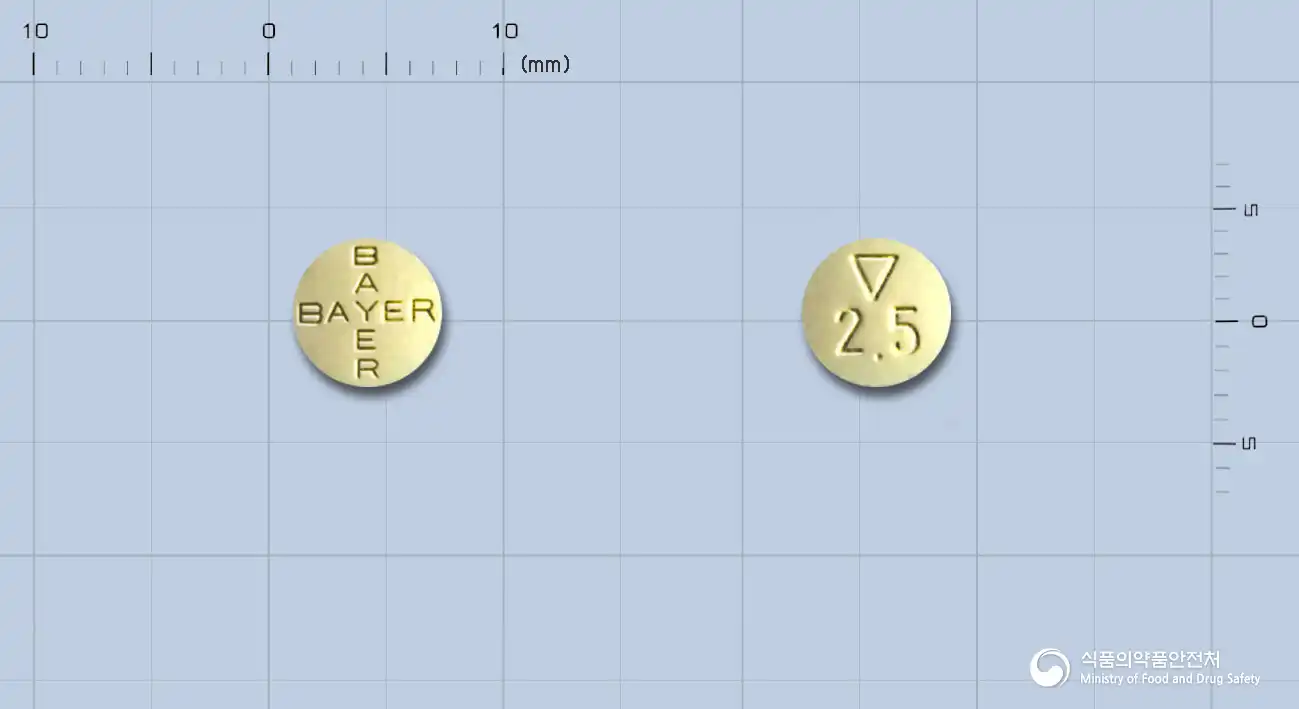
Rivaroxaban Micronized 2.5mg
Tablet · Prescription medication
Bayer Korea Co., Ltd.
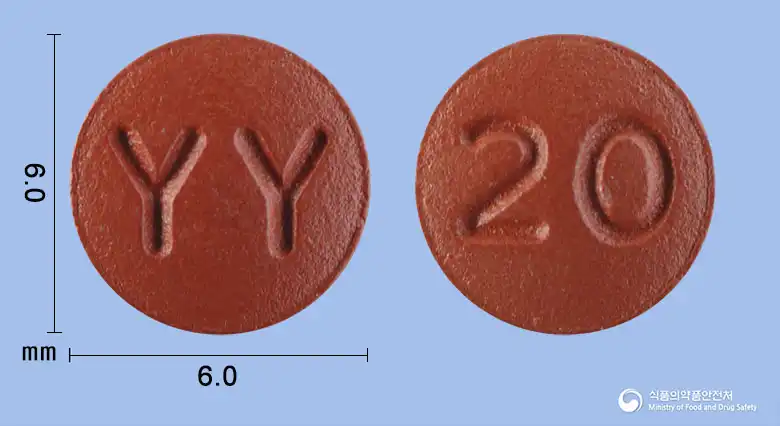
Rivaroxaban Micronized 20mg
Tablet · Prescription medication
Yuyu Pharmaceutical Co., Ltd.
Rivaroxaban Micronized 20mg
Tablet · Prescription medication
Donggu Bio Pharmaceutical Co., Ltd.
Rivaroxaban Micronized 20mg
Tablet · Prescription medication
Kwangdong Pharmaceutical Co., Ltd.
Even with the same ingredient, the dose and directions can differ by strength and dosage form. Talk to a doctor or pharmacist before switching from a medication you are already taking.
No questions yet.
For anything that needs medical judgment, consult a doctor or pharmacist.
This drug information is based on data provided by the Korea Ministry of Food and Drug Safety.
Consult a doctor or pharmacist for accurate dosage, administration, and usage instructions.