
 한국어
한국어 English
 日本語
日本語 中文(简体)
 Viewing nowCombination
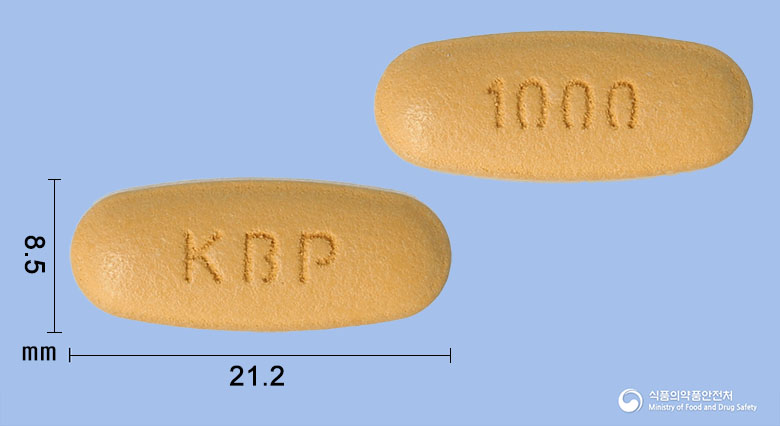
Bildamet Tablet 50/1000 mg
Vildagliptin Nitrate 60.4mg · Metformin Hydrochloride 1000mg
Tablet · Prescription medication · Combination
Kyungbo Pharmaceutical Co., Ltd.
MFDS item code 202107715 · Approved 2021.11.30 · Insurance code 665003150
Improvement of blood sugar control in type 2 diabetes
This medication helps improve blood sugar control in patients with type 2 diabetes by using vildagliptin and metformin together. It is typically administered as an adjunct to diet and exercise to effectively reduce blood sugar levels and is expected to have positive effects on diabetes management.
In treating patients with type 2 diabetes, the dosage of this medication should be individualized based on efficacy and tolerability, not exceeding 100 mg of vildagliptin and 2000 mg of metformin. A daily dose of vildagliptin greater than 100 mg is not recommended. 1. In cases without prior experience of diabetes medication where monotherapy is not sufficient for adequate blood sugar control: The initial dose of this medication can be 50/500 mg.
This medication may cause severe lactic acidosis or hypoglycemia, so it should not be administered to patients with moderate to severe renal impairment or heart failure. Patients receiving this medication should stop taking it at least 48 hours before tests using radiopaque iodine contrast agents that can induce acute renal failure, and should resume taking it after confirming normal kidney function. Pregnant or nursing women, and individuals who have hypersensitivity to this medication or its ingredients should not use this medication. Patients with irregular meal patterns or insufficient food intake, those undergoing intense exercise, or those using other medications should use caution as there is a risk of hypoglycemia and lactic acidosis. Regular monitoring of liver and kidney function should be conducted during treatment, and treatment should be avoided in patients with liver dysfunction. If symptoms of dehydration, severe diarrhea, or vomiting occur, this medication should be discontinued immediately and a doctor consulted. Due to the risk of acute pancreatitis, if symptoms like abdominal pain, nausea, or vomiting occur while taking this medication, medical personnel should be notified immediately. This medication can cause hypoglycemia, particularly in elderly, frail, or malnourished patients, who should be closely monitored for symptoms of hypoglycemia. Alcohol consumption may increase the risk of lactic acidosis; therefore, excessive drinking should be avoided while taking this medication. Patients scheduled for surgery should discontinue this medication 48 hours before the procedure and can resume once oral intake is possible and kidney function is confirmed to be normal. This medication is not recommended for children or adolescents under 18 years of age as its safety and efficacy in this population has not been established. Elderly patients may have reduced kidney function, so appropriate dosage adjustments should be made based on frequent kidney function testing. In case of overdose, medical personnel should be notified immediately, and treatment such as hemodialysis may be necessary. If any skin blisters or ulcers develop during treatment, a doctor should be consulted immediately; discontinuation of the medication should also be considered if severe joint pain occurs. During treatment, regular monitoring of blood glucose and HbA1c levels should be performed to ensure proper blood glucose control.
Not everyone experiences these, and they can vary from person to person.
This medication is sensitive to air and moisture, so it must be stored in a tightly sealed container. Additionally, it should be kept in a cool place at a temperature below 30 degrees Celsius to maintain its effectiveness.
Dark yellow oval film-coated tablet
30 tablets/bottle, 60 tablets/bottle
Even with the same ingredient, strength, dosage form and how it is taken can differ.
Viewing nowCombinationVildagliptin Nitrate 60.4mg · Metformin Hydrochloride 1000mg
Tablet · Prescription medication · Combination
Kyungbo Pharmaceutical Co., Ltd.
 Combination
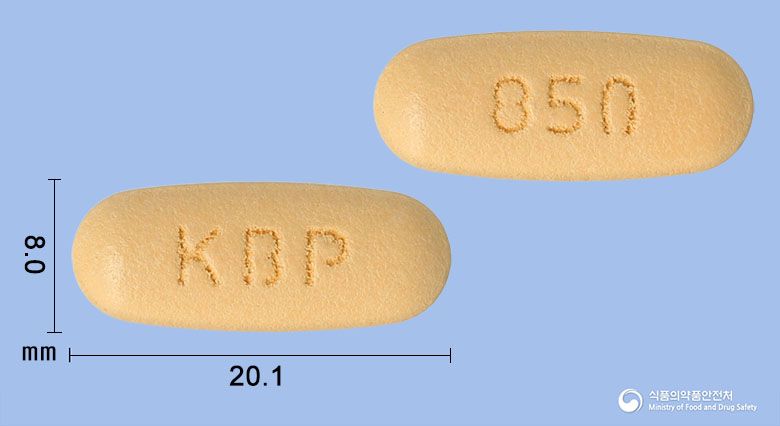
Vildagliptin Nitrate 60.4mg · Metformin Hydrochloride 850mg
Tablet · Prescription medication · Combination
Kyungbo Pharmaceutical Co., Ltd.
 Combination
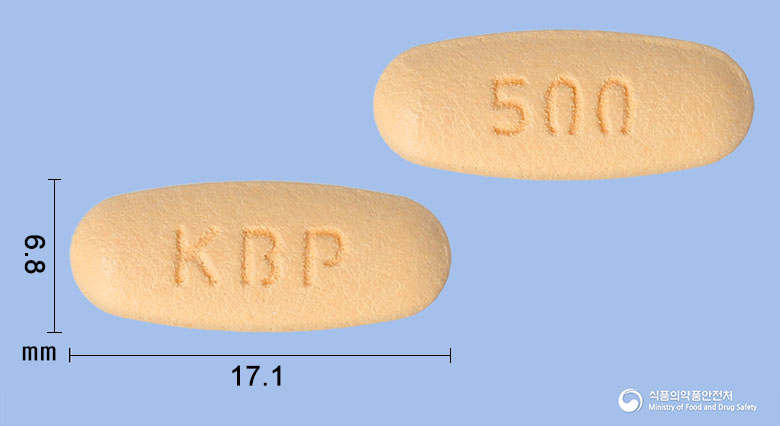
Vildagliptin Nitrate 60.4mg · Metformin Hydrochloride 500mg
Tablet · Prescription medication · Combination
Kyeongbo Pharmaceutical Co., Ltd.
Even with the same ingredient, the dose and directions can differ by strength and dosage form. Talk to a doctor or pharmacist before switching from a medication you are already taking.
No questions yet.
For anything that needs medical judgment, consult a doctor or pharmacist.
This drug information is based on data provided by the Korea Ministry of Food and Drug Safety.
Consult a doctor or pharmacist for accurate dosage, administration, and usage instructions.