
 한국어
 English
 日本語
 中文(简体)
 Viewing now
Verkubojeng 5 mg (Vericiguat (Unformulated))
Vericiguat Micronized 5mg
Tablet · Prescription medication
Bayer Korea Co., Ltd.
MFDS item code 202107707 · Approved 2021.11.30 · Insurance code 641106150
Prevention of cardiovascular death and hospitalization for heart failure in patients with chronic heart failure
This medication is used for patients with symptomatic chronic heart failure with a left ventricular ejection fraction of less than 45%. It is especially effective for patients who have experienced hospitalization due to heart failure or have received treatment with intravenous diuretics. This medication helps reduce the risk of death from cardiovascular disease and the risk of hospitalization due to the worsening of heart failure. Furthermore, it can enhance the treatment effect when used in conjunction with other heart failure medications. It plays an important role in improving cardiac function and enhancing the quality of life for patients. Therefore, it is actively recommended for the treatment of chronic heart failure.
1. Adults The recommended starting dose of this medicine is 2.5mg once daily. Take with food. Depending on the patient's tolerability, double the dose approximately every 2 weeks until the target maintenance dose of 10mg once daily is reached. If the patient does not tolerate the medicine well (systolic blood pressure below 90 mmHg or symptomatic hypotension), reduce the dose or discontinue treatment. Do not initiate treatment with this medicine if systolic blood pressure is below 100 mmHg. For patients unable to swallow the tablet whole, this medicine may be crushed and mixed with water immediately before taking it. (See 11. Information for healthcare professionals, 2) Pharmacokinetic information) Missed dose: If a dose is missed, take it as soon as possible on the same day. Do not take this medicine twice on the same day. 2. Older adults No dose adjustment is necessary in older adults. (See 9. Use in older adults and 11. Information for healthcare professionals, 2) Pharmacokinetic information) 3. Patients with renal impairment No dose adjustment is necessary in patients with eGFR≥15mL/min/1.73m2 who are not receiving dialysis. This medicine has not been studied in patients with eGFR<15 mL/min/1.73m2 or in patients receiving dialysis at treatment initiation; therefore, it is not recommended for these patients. (See 11. Information for healthcare professionals, 2) Pharmacokinetic information) 4. Patients with hepatic impairment No dose adjustment is necessary in patients with mild or moderate hepatic impairment. This medicine has not been studied in patients with severe hepatic impairment; therefore, it is not recommended for these patients. (See 11. Information for healthcare professionals, 2) Pharmacokinetic information)
This medication should not be used in pregnant women as it may harm the fetus. Women of childbearing potential should confirm their pregnancy status before taking this medication, and should use appropriate contraceptive methods during and for one month after treatment. Patients allergic to any of the components of this medication, those taking other medications with similar effects, and those with genetic lactose metabolism disorders should not use this medication. Patients whose blood pressure is too low or who exhibit symptoms of hypotension at the start of treatment should use this medication with caution, and care is needed when using it in combination with certain cardiac treatment medications or antihypertensive agents. It is not recommended for patients with severely impaired kidney function or serious liver disease. This medication may cause side effects such as anemia, digestive disorders, dizziness, headache, and hypotension, so if symptoms are severe, the patient should consult a physician. Particularly in patients with low blood pressure, symptomatic hypotension may occur, so blood pressure should be carefully monitored, and dosage may need to be reduced or treatment stopped if necessary. This medication may interact with certain antihypertensive agents or heart disease medications, so if taking other drugs, it is essential to inform and consult a healthcare professional. It should not be used during pregnancy as it may be harmful to the fetus, and breastfeeding women should discontinue breastfeeding during treatment. Safety and effectiveness in pediatric patients have not been adequately established, so it is advisable not to use it in children. There is no need for special dosage adjustments in elderly patients, but they may be more sensitive to side effects, so caution is needed. In the case of overdose, hypotension may occur, so the patient should seek immediate medical attention, as this medication is not easily removed by hemodialysis.
Not everyone experiences these, and they can vary from person to person.
This medication should be stored in a tightly sealed container to prevent exposure to air and moisture, and it is best kept in a cool place between 2 and 30 degrees Celsius. Avoid storing in direct sunlight or excessively hot areas.
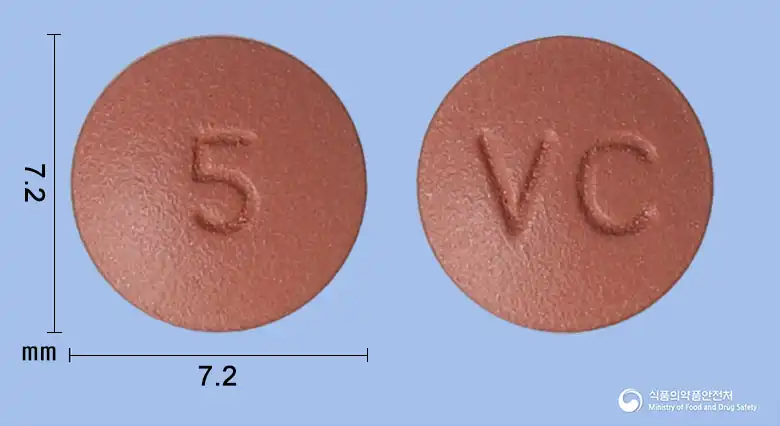
Biconvex reddish-brown round film-coated tablet
For domestic use - 28 tablets/box [(14 tablets/blister X 2)]
Even with the same ingredient, strength, dosage form and how it is taken can differ.
Viewing nowVericiguat Micronized 5mg
Tablet · Prescription medication
Bayer Korea Co., Ltd.
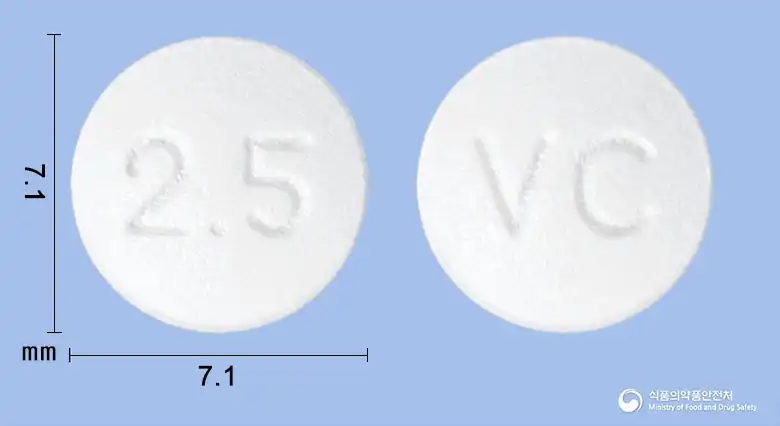
Vericiguat Micronized 2.5mg
Tablet · Prescription medication
Bayer Korea Co., Ltd.
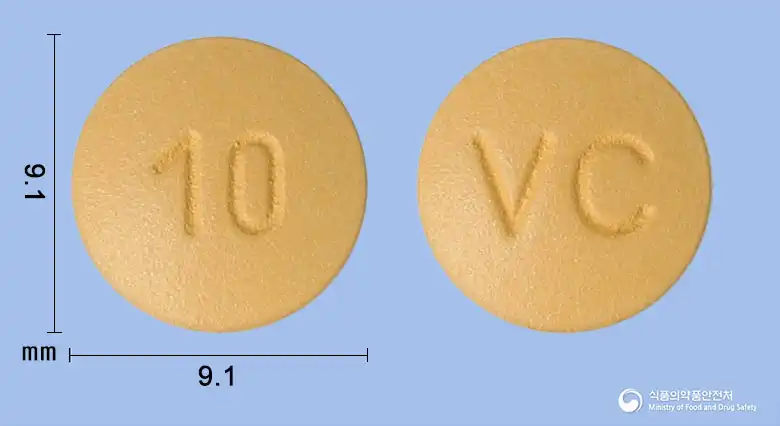
Vericiguat Micronized 10mg
Tablet · Prescription medication
Bayer Korea Co., Ltd.
Even with the same ingredient, the dose and directions can differ by strength and dosage form. Talk to a doctor or pharmacist before switching from a medication you are already taking.
No questions yet.
For anything that needs medical judgment, consult a doctor or pharmacist.
This drug information is based on data provided by the Korea Ministry of Food and Drug Safety.
Consult a doctor or pharmacist for accurate dosage, administration, and usage instructions.