
 한국어
 English
 日本語
 中文(简体)
 Viewing now
Tabrecta 150 mg (Capmatinib Hydrochloride Monohydrate)
Capmatinib Hydrochloride Hydrate 183mg
Tablet · Prescription medication
Novartis Korea Co., Ltd.
MFDS item code 202107596 · Approved 2021.11.23
Treatment of locally advanced or metastatic non-small cell lung cancer with MET exon 14 skipping
This medicine is used for the treatment of patients with locally advanced or metastatic non-small cell lung cancer confirmed to have MET exon 14 deletion (skipping). This drug has been proven effective primarily in improving tumor response and duration of response. However, there is currently no direct evidence to extend survival. It is a treatment that can help reduce tumors or slow progression according to the patient's condition. Positive effects can be expected as part of the overall treatment strategy. It is used in the treatment of non-small cell lung cancer.
Recommended dosage: The recommended dose of this drug is 400mg twice daily, with or without food. Treatment with this drug should continue for as long as clinical benefit is achieved, based on individual safety and tolerability. Dose modification for adverse drug reactions: The recommended dose reduction schedule for managing adverse drug reactions based on individual safety and tolerability is shown in Table 1. Table 1. Dose reduction schedule for this drug Starting dose: 400 mg twice daily First reduction: 300 mg twice daily Second reduction: 200 mg twice daily If the patient cannot tolerate this drug at 200 mg twice daily, permanently discontinue treatment. Recommendations for dose adjustment of this drug for adverse drug reactions are shown in Table 2. Table 2. Dose adjustment of this drug for the management of adverse drug reactions Interstitial lung disease (ILD)/pneumonitis — treatment-related, all grades: Permanently discontinue Isolated elevation of ALT and/or AST from baseline, without increased total bilirubin — Grade 3 (greater than 5.0 times and up to 20.0 times the ULN): Temporarily interrupt this drug until ALT/AST return to the baseline grade. If they return to baseline levels within 7 days, resume this drug at the same dose; otherwise, resume this drug at a reduced dose according to Table 1. Isolated elevation of ALT and/or AST from baseline, without increased total bilirubin — Grade 4 (greater than 20.0 times the ULN): Permanently discontinue Combined elevation of ALT and/or AST with increased total bilirubin, without cholestasis or hemolysis — Regardless of the patient's baseline grade, total bilirubin greater than 2.0 times the ULN and ALT and/or AST greater than 3.0 times the ULN: Permanently discontinue Isolated increase in total bilirubin from baseline, without increased ALT and/or AST — Grade 2 (greater than 1.5 times and up to 3.0 times the ULN): Temporarily interrupt this drug until bilirubin returns to the baseline grade. If it returns to baseline levels within 7 days, resume this drug at the same dose; otherwise, resume this drug at a reduced dose according to Table 1. Isolated increase in total bilirubin from baseline, without increased ALT and/or AST — Grade 3 (greater than 3.0 times and up to 10.0 times the ULN): Temporarily interrupt this drug until bilirubin returns to the baseline grade. If it returns to baseline levels within 7 days, resume this drug at a reduced dose according to Table 1; otherwise, permanently discontinue this drug. Isolated increase in total bilirubin from baseline, without increased ALT and/or AST — Grade 4 (greater than 10.0 times the ULN): Permanently discontinue Increased lipase or amylase — Grade 3: Temporarily interrupt this drug until levels return to baseline or Grade 2. If they return to baseline or Grade 2 within 14 days, resume this drug at a reduced dose according to Table 1; otherwise, permanently discontinue this drug. Increased lipase or amylase — Grade 4: Permanently discontinue Pancreatitis — Grade 3 or 4: Permanently discontinue Other adverse drug reactions — Grade 2: Maintain the current dose level. If intolerable, consider temporarily interrupting this drug until the reaction resolves, then resume this drug at a reduced dose according to Table 1. Other adverse drug reactions — Grade 3: Temporarily interrupt this drug until the reaction resolves, then resume this drug at a reduced dose according to Table 1. Other adverse drug reactions — Grade 4: Permanently discontinue This drug should be administered orally twice daily, with or without food. It should be swallowed whole and must not be broken, chewed, or crushed. If a dose of this drug is missed or vomiting occurs, the patient should not take an additional dose to make up for it and should take the next dose at the scheduled time.
This drug can cause serious respiratory diseases such as interstitial lung disease or pulmonary inflammation, so new respiratory symptoms or worsening symptoms should be evaluated immediately in the hospital. Patients allergic to any component of this drug should not take it. During treatment with this drug, side effects such as shortness of breath, pneumonia, vomiting, fatigue, peripheral edema may occur, and in severe cases, cessation of the drug may be required. Liver function tests should be conducted regularly before and during treatment, and if liver enzymes rise, dosage adjustments or discontinuation may be necessary. Pancreatic enzyme levels should also be checked regularly, and adjustments in drug intake should be made if abnormalities are detected. Allergic reactions such as fever, rash, and hypotension may occur, so if such symptoms occur, notify the healthcare provider immediately. Pregnant women or those who could become pregnant should consult before taking this drug, as it may harm the fetus, and effective contraception should be used during treatment. Attention should be paid to avoid excessive exposure to ultraviolet rays while taking this drug, and the use of sunscreen or protective clothing is recommended. There may be interactions with other drugs, so consultation with healthcare providers is essential, especially if taking specific drugs that inhibit or induce liver enzymes. Patients with impaired kidney or liver function need to be cautious when taking this drug; however, dose adjustments are not necessary for mild to moderate cases. Elderly patients aged 65 and older can take this drug without specific dose adjustments. In case of overdose, seek immediate treatment at a medical facility, and this drug should be kept out of the reach of children.
Not everyone experiences these, and they can vary from person to person.
This drug should be stored in a tightly closed container to protect it from air and moisture, and kept in a cool place below 25 degrees. Doing so maintains the effectiveness of the drug and prevents deterioration.
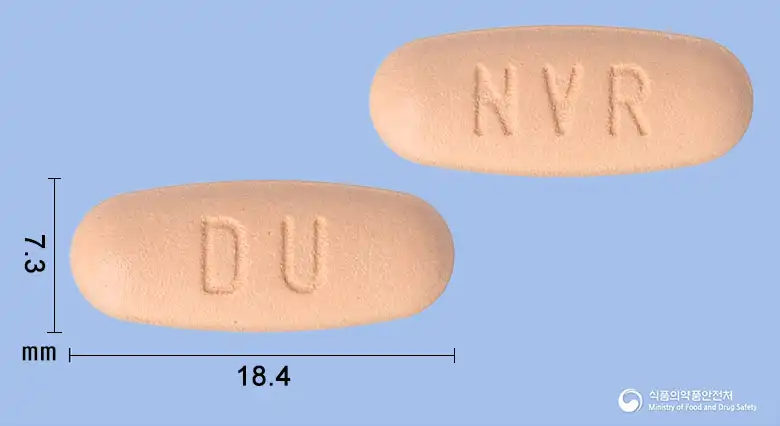
Pale orange-brown oval film-coated tablet
120 tablets/box [12 tablets/PTP x 10]
Even with the same ingredient, strength, dosage form and how it is taken can differ.
Viewing nowCapmatinib Hydrochloride Hydrate 183mg
Tablet · Prescription medication
Novartis Korea Co., Ltd.
Capmatinib Hydrochloride Hydrate 244mg
Tablet · Prescription medication
Korea Novartis Co., Ltd.
Even with the same ingredient, the dose and directions can differ by strength and dosage form. Talk to a doctor or pharmacist before switching from a medication you are already taking.
No questions yet.
For anything that needs medical judgment, consult a doctor or pharmacist.
This drug information is based on data provided by the Korea Ministry of Food and Drug Safety.
Consult a doctor or pharmacist for accurate dosage, administration, and usage instructions.