
 한국어
 English
 日本語
 中文(简体)
Dosage form image
Viewing nowEurovic 10 mg (Tadalafil)
Tadalafil 10mg
Tablet · Prescription medication
Jungheon Pharmaceutical Co., Ltd.
MFDS item code 202107434 · Approved 2021.11.11
Treatment of erectile dysfunction
This drug is used for the treatment of erectile dysfunction and is effective when there is sexual stimulation. It is not used for women, making it suitable for male patients. It is effective in improving erectile dysfunction and helps in maintaining a healthy sexual life.
For oral administration. Use in adult men The recommended dose of this medicine is 10mg, taken with or without food before anticipated sexual activity. For patients in whom tadalafil 10mg does not provide an adequate effect, 20 mg may be tried. This medicine may be administered starting at least 30 minutes before sexual activity. The maximum recommended dosing frequency is once daily. Long-term safety after extended daily dosing has not been established, and because the effect of this medicine usually lasts for more than one day, continuous daily administration of this medicine is strongly discouraged. [See section 1. Warnings and section 11.1) Pharmacodynamic properties] Use in elderly men No dosage adjustments are required in elderly patients. Use in men with renal impairment No dosage adjustment is required in patients with mild to moderate renal impairment. The maximum recommended dose in patients with severe renal impairment is 10mg. [See section 11.2) Pharmacokinetic properties]. Use in men with hepatic impairment The recommended dose of this product is 10mg, taken with or without food before anticipated sexual activity. Since clinical data on the safety of this product in patients with severe hepatic impairment (Child-Pugh Class C) are limited, if prescribing it, the physician should carefully assess the individual benefit/risk. There are no data on administration of doses higher than 10mg to patients with hepatic impairment. [See section 3. Patients requiring caution and section 11.2) Pharmacokinetic properties]. Use in men with diabetes No dosage adjustment is required in patients with diabetes.
This medicine must not be used in persons under 18 years of age.
This drug is used as a treatment for erectile dysfunction and the underlying cause must be confirmed through a doctor's diagnosis and physical examination before usage. Sexual activity can place a burden on the heart; therefore, patients with cardiovascular diseases should exercise caution. If heart-related symptoms appear during sexual activity, discontinue immediately and inform medical personnel. If an erection lasts longer than 4 hours or is accompanied by pain, immediate medical help should be sought as neglecting this can lead to penile tissue damage and loss of erectile function. This drug should not be taken with nitrate medications as it poses a risk of excessive blood pressure drop. Patients currently on nitrate medications should not use this drug. Patients with a history of cardiovascular diseases such as myocardial infarction, angina, heart failure, or stroke should use this drug cautiously or may be prohibited from use, especially those who have recently experienced heart problems. This drug is not recommended for patients with hereditary retinal diseases or certain ocular conditions. It is best not to use this drug in conjunction with other erectile dysfunction therapies, and it should also not be administered to individuals with specific hereditary lactose intolerance. Patients with severe kidney or liver dysfunction may require dosage adjustments or careful monitoring when using this drug. Drug interactions may occur if used with alpha-blockers or certain antifungals, antibiotics, so patients should inform their physician of any medications they are taking. Possible side effects during treatment include headaches, dyspepsia, lumbar pain, myalgia, nasal congestion, flushing, limb pain, nasopharyngitis, upper respiratory infection, cough, diarrhea, gastroesophageal reflux disease, abdominal pain, dizziness, itching, facial swelling, paresthesia, vision impairment, palpitations, vomiting, nausea, fatigue, reduced hemoglobin, drowsiness, insomnia, vertigo, eye pain, increased tear production, eyelid swelling, tinnitus, increased erections, spontaneous penile erection, chills, skeletal pain, and blood. Rarely, serious cardiovascular adverse reactions, loss of vision or hearing have been reported, so if these symptoms occur, discontinue use immediately and visit a hospital. Women who are pregnant or children should not take this drug. There is no special impact while driving or operating machinery, but it is important to observe individual reactions closely. In the case of overdose, standard emergency treatment is required, and dialysis is ineffective in removing this drug from the body. This drug should be stored out of reach of children, and maintaining its original packaging is considered safe.
headache, dyspepsia, low back pain, myalgia, congestion, flushing, limb pain, nasopharyngitis, upper respiratory infection, cough, diarrhea, gastroesophageal reflux disease, abdominal pain, hypertension, dizziness, urinary tract infection, gastroenteritis, hypertension, dizziness, orthostatic hypotension, palpitations, tachycardia, myocardial infarction, chest pain, angina, ventricular arrhythmia, heart failure, stroke, transient ischemic attack, angioedema, urticaria, Stevens-Johnson syndrome, exfoliative dermatitis, migraine, seizure, transient global amnesia, visual field defect, retinal vein occlusion, retinal artery occlusion, decreased vision, non-arteritic anterior ischemic optic neuropathy, sudden hearing loss or decrease, tinnitus, increased erection, spontaneous penile erection, increased blood urea nitrogen, decreased hemoglobin, thrombocytopenia, dry mouth, dysphagia, esophagitis, gastritis, increased GGTP, loose stools, nausea, upper abdominal pain, vomiting, hemorrhoidal bleeding, rectal bleeding, arthralgia, neck pain, sensory impairment, insomnia, paresthesia, drowsiness, dizziness, renal impairment, dyspnea, epistaxis, pharyngitis, pruritus, rash, sweating, blurred vision, conjunctivitis, eye pain, increased tear production, eyelid edema, penile disorder, ejaculation disorder, chest pressure, nausea, increased alkaline phosphatase, fatigue, neck stiffness, urethral pain, renal colic, heartburn, gastrointestinal disease, drowsiness, leukocytosis, anxiety, sleep disorder, eye pain, chest pain, arthralgia, hyperventilation, ocular hemorrhage, eyelid swelling, conjunctival hemorrhage, dry eye syndrome, abdominal cramping, increased bilirubin, pain in external genitalia, erythema, facial edema, fever, increased SGOT, increased hemoglobin, chills, skeletal pain
Not everyone experiences these, and they can vary from person to person.
This drug may be sensitive to air and moisture; therefore, it should be kept in a tightly closed container. The storage temperature should be maintained at room temperature between 1 and 30 degrees Celsius. Storing in this manner can help maintain the drug's effectiveness.
Yellow film-coated tablet in a triangular shape with rounded edges and a score line.
8 tablets per box [(8 tablets/PTP)×1]
Even with the same ingredient, strength, dosage form and how it is taken can differ.
Tadalafil 10mg
Tablet · Prescription medication
Jungheon Pharmaceutical Co., Ltd.
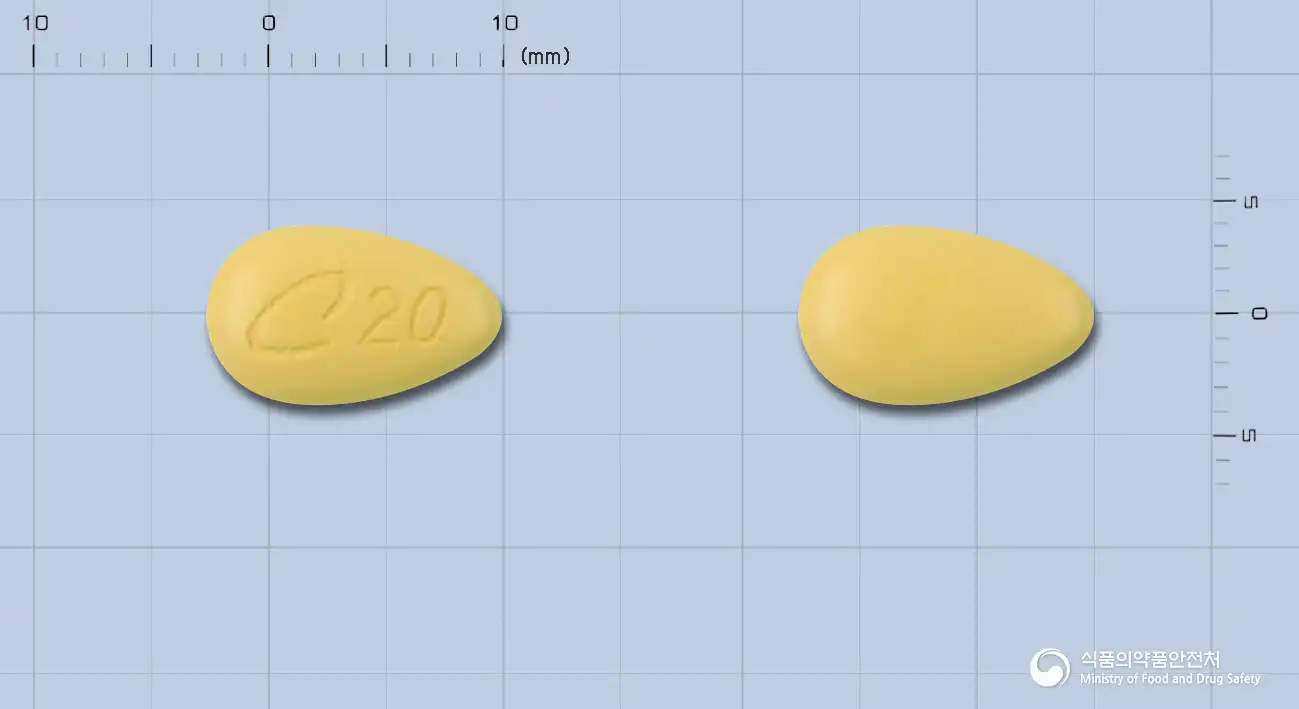
Tadalafil 20mg
Tablet · Prescription medication
Korea Lilly Co., Ltd.
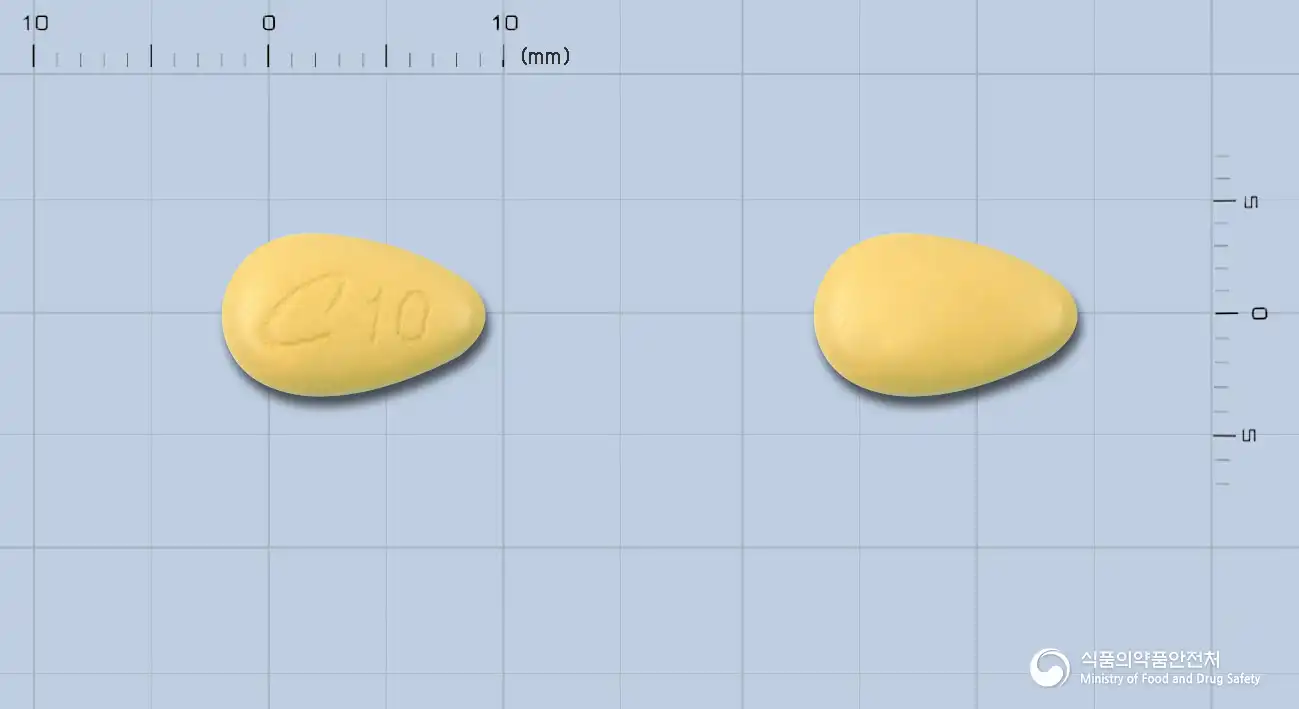
Tadalafil 10mg
Tablet · Prescription medication
Korea Lilly LLC
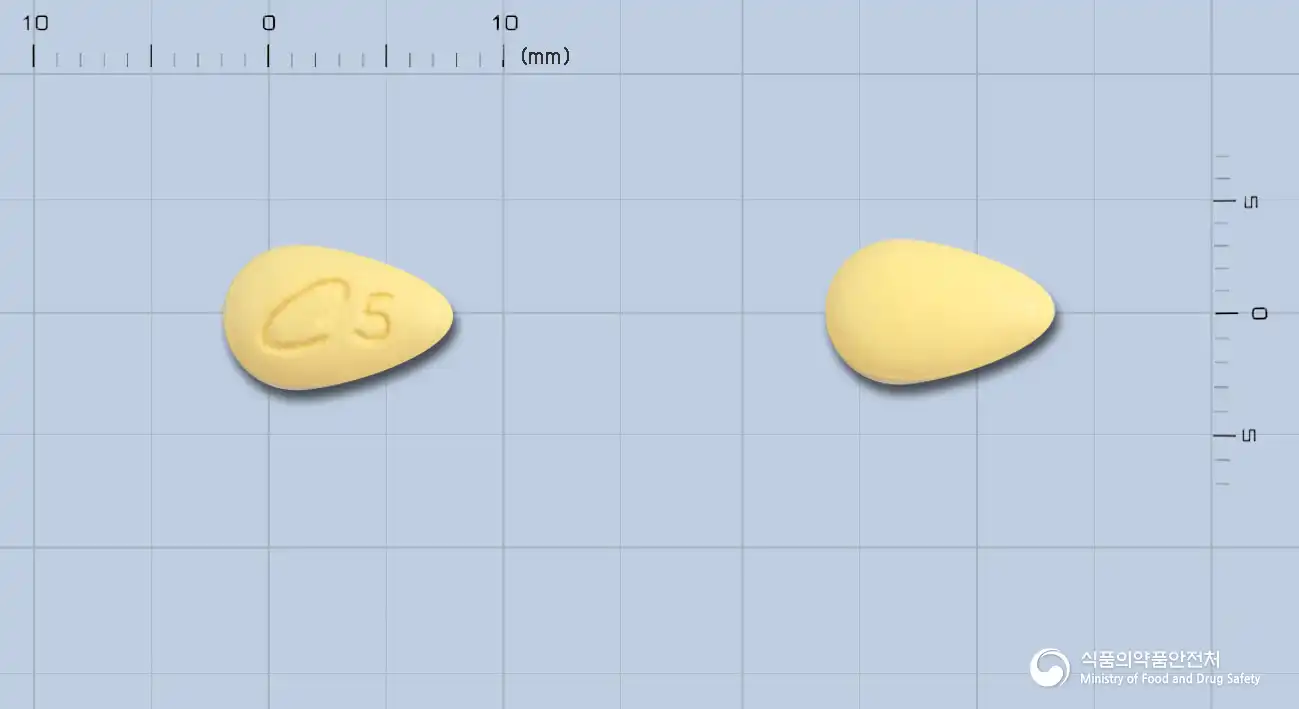
Tadalafil 5mg
Tablet · Prescription medication
Korea Lilly Co., Ltd.

Tadalafil 20mg
Prescription medication
Seoul Pharmaceutical Co., Ltd.
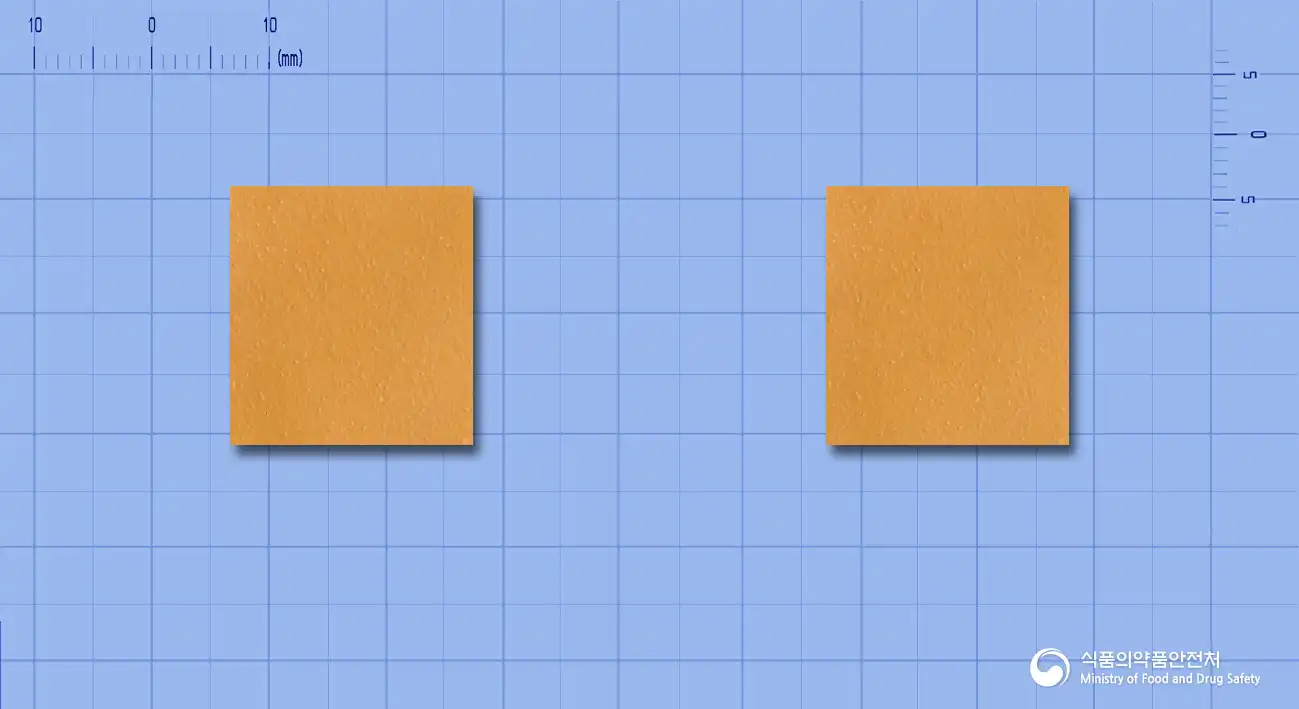
Tadalafil 10mg
Orally disintegrating Tablet · Prescription medication
Seoul Pharmaceutical Co., Ltd.
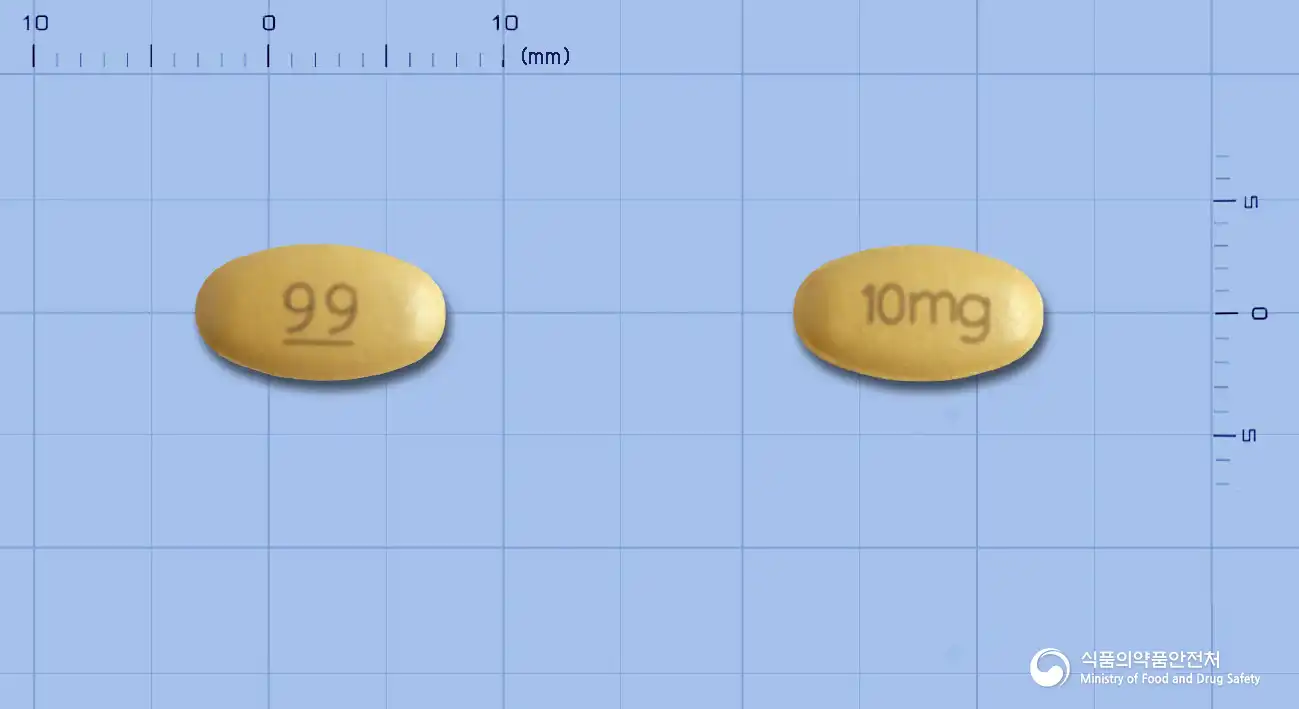
Tadalafil 10mg
Tablet · Prescription medication
Hanmi Pharmaceutical Co., Ltd.
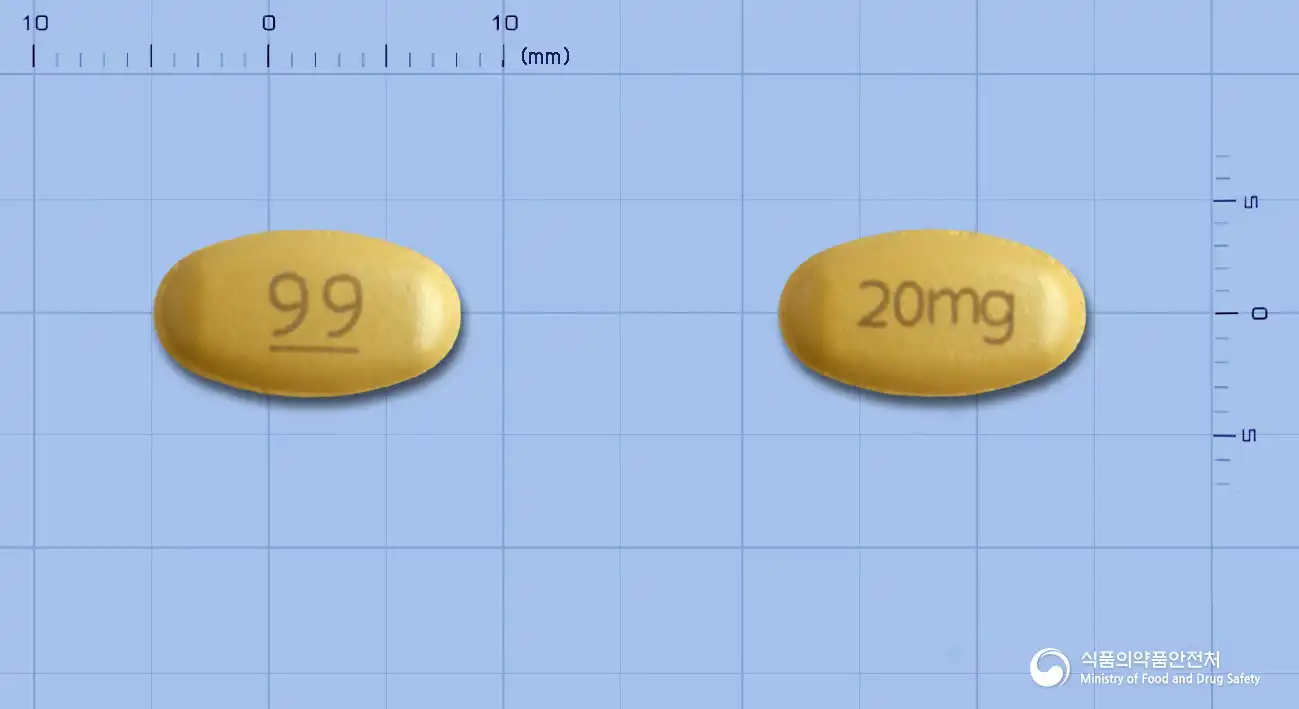
Tadalafil 20mg
Tablet · Prescription medication
Hanmi Pharmaceutical Co., Ltd.
Even with the same ingredient, the dose and directions can differ by strength and dosage form. Talk to a doctor or pharmacist before switching from a medication you are already taking.
No questions yet.
For anything that needs medical judgment, consult a doctor or pharmacist.
This drug information is based on data provided by the Korea Ministry of Food and Drug Safety.
Consult a doctor or pharmacist for accurate dosage, administration, and usage instructions.